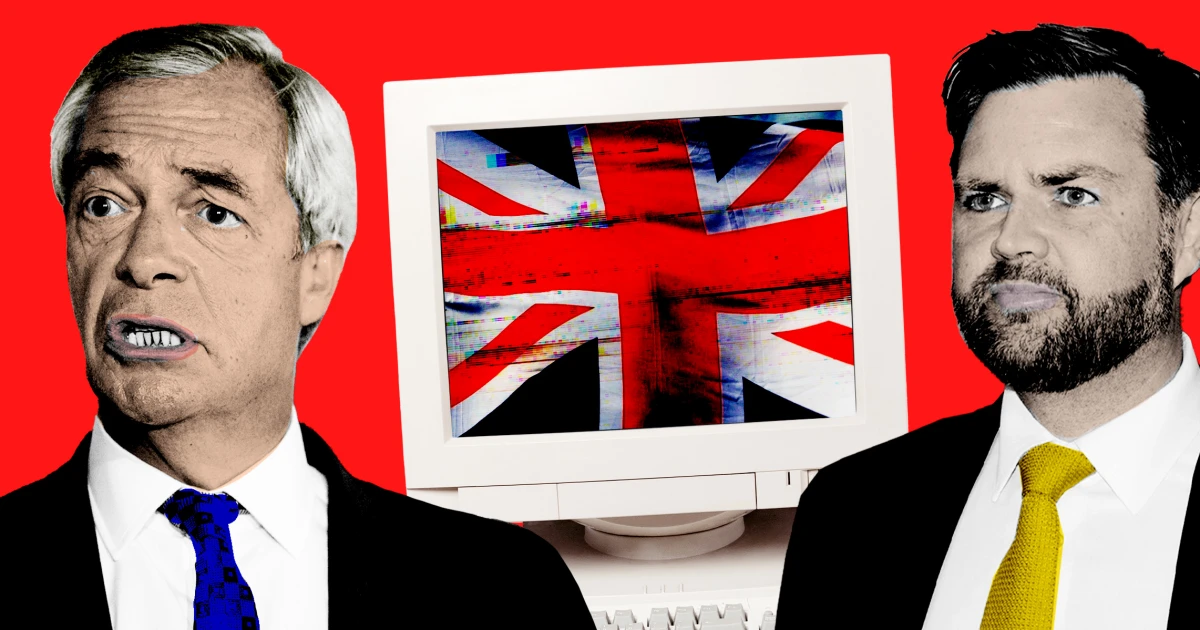
U.S. politicians are criticizing the UK's new Online Safety Act, which mandates age verification for online content, arguing it threatens free expression and could impact American tech companies operating in the UK. The law, aimed at protecting children from harmful content, has faced opposition from privacy advocates and some U.S. officials, raising concerns about free speech and international legal conflicts.
Pornhub has temporarily regained access in France after the suspension of the country's new age verification law, which requires third-party verification of users' ages. The law's legality is under review by the French courts due to questions about compliance with EU regulations, specifically the country-of-origin principle. The platform and French officials are discussing alternative solutions like device-level filters to protect minors while respecting privacy concerns.
China's Cyberspace Administration is launching a campaign to curb internet echo chambers and discriminatory pricing algorithms. The initiative aims to prevent tech companies from using recommendation algorithms to create 'information cocoons' and to ensure transparency in content ranking. The directive also targets discriminatory pricing in e-commerce, requiring platforms to avoid pricing based on personal factors and to disclose algorithmic processes. Businesses have until the end of the year to comply, with assessments beginning in January.
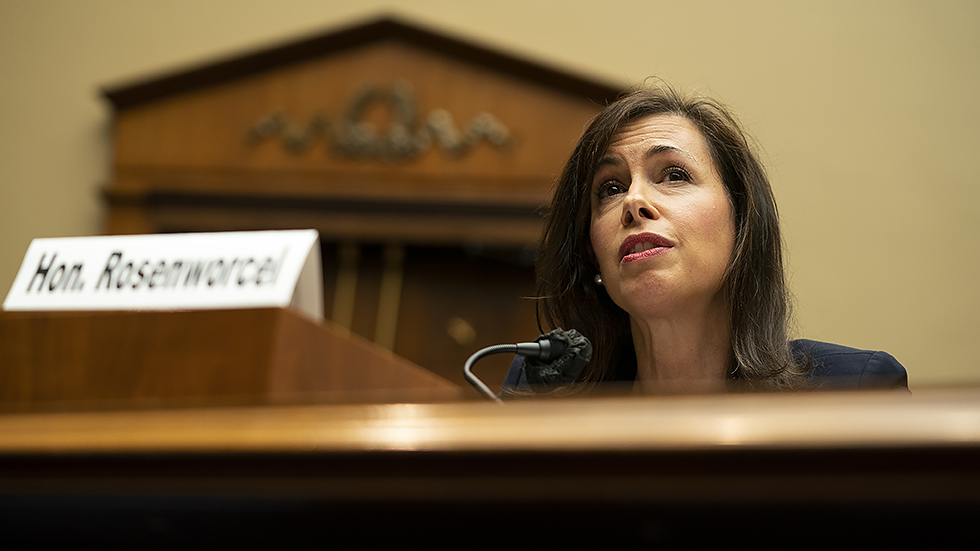
The FCC will not block California from enforcing its state net neutrality law, allowing states to "experiment" with different regulations for interconnection payments and zero-rating. The FCC is scheduled to vote on Chairwoman Jessica Rosenworcel's proposal to restore net neutrality rules similar to those introduced during the Obama era. Despite some differences, the FCC found no reason to preempt California's law, stating that there is "room for states to experiment and explore their own approaches within the bounds of our overarching federal framework."
The Texas attorney general has filed a lawsuit against the parent company of PornHub, alleging that the adult website has failed to verify users' ages as required by the state's new regulations. The lawsuit claims that the company immediately presents minors with pornographic content without age verification, violating Texas law. The legislation requires adult websites to use reasonable age verification measures, and companies that violate the law could face significant financial penalties. The attorney general is seeking up to $1,600,000 in damages from the company, as well as attorney's fees and other costs.
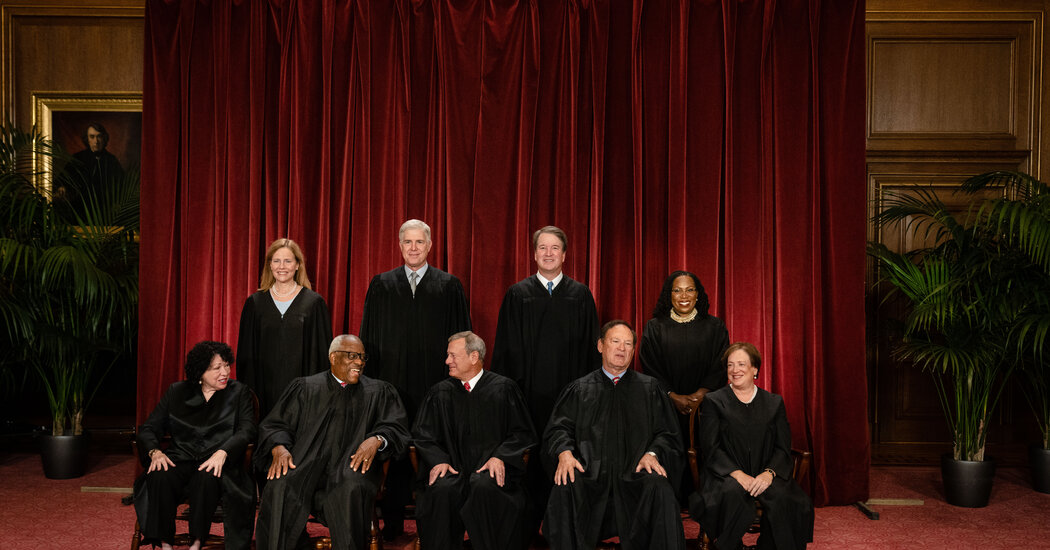
The Supreme Court heard arguments on laws in Florida and Texas that aim to limit social media companies' content moderation abilities, potentially shaping the future of internet discourse. Both liberal and conservative justices expressed a preference for a more developed record on how the laws would operate, suggesting the possibility of sending the cases back down to lower courts for further fact-finding. Solicitors general for Florida and Texas defended the laws, arguing that big internet companies should not be allowed to discriminate based on political views, while an association of technology companies sued, asserting that platforms have a right to moderate content crucial to their attractiveness to users and advertisers.
The European Union's Digital Services Act (DSA) is expanding to cover all online platforms with users in the EU, in addition to the 19 Very Large Online Platforms (VLOPs) and Very Large Online Search Engines (VLOSEs) already subject to its rules. The DSA imposes new obligations around content moderation, online advertising, and user privacy, including bans on targeting underage users with ads based on personal data and rules for content moderation transparency. While the DSA aims to create a safer and more transparent online environment, concerns remain about the readiness of EU member states to enforce its rules more broadly.
The European Union is expanding its Digital Services Act to cover almost all online platforms in the bloc, imposing strict requirements to keep internet users safe, including easier reporting of counterfeit goods and harmful content, a ban on ads targeted at children, and transparency in digital ads and content moderation decisions. The rules will now apply to nearly all online platforms, marketplaces, and intermediaries with users in the 27-nation bloc, with only the smallest businesses exempt. The EU has also started investigating Elon Musk’s social media platform X, formerly known as Twitter, over suspicions of infringing the DSA’s provisions.
The Federal Communications Commission (FCC) voted along party lines to begin the process of reinstating Obama-era net neutrality rules, giving the FCC more authority to regulate broadband providers and prevent harmful practices. The proposal aims to classify broadband internet access as a telecommunications service under Title II of the Communications Act, reestablishing the framework adopted in 2015 and repealed in 2018. FCC Chairwoman Jessica Rosenworcel emphasized the need for protections, particularly in light of the pandemic's increased reliance on the internet. The proposal also includes a plan to expand subsidized Wi-Fi access on school buses.
Elon Musk is considering removing X (formerly known as Twitter) from Europe in response to the new internet platform regulation introduced by the European Union. The regulation, called the Digital Services Act (DSA), aims to prevent the spread of harmful content and restrict certain user-targeting practices. Musk has discussed either removing the app's availability in the region or blocking European Union users from accessing it.
The UK's Online Safety Bill will require all internet platforms with UK users to prevent minors from accessing "harmful" content, which includes adult websites and user-generated content platforms. To comply, sites will have to verify the age of visitors using government-issued documents or biometric data. This will lead to a significant shift in online information availability and pose a threat to privacy. Platforms will face criminal penalties for non-compliance, leading to potential over-censorship and the exclusion of UK users. The bill's vague implementation details and broad definition of "harmful" content raise concerns about misinterpretation and disproportionate interference with access to information and freedom of expression rights.