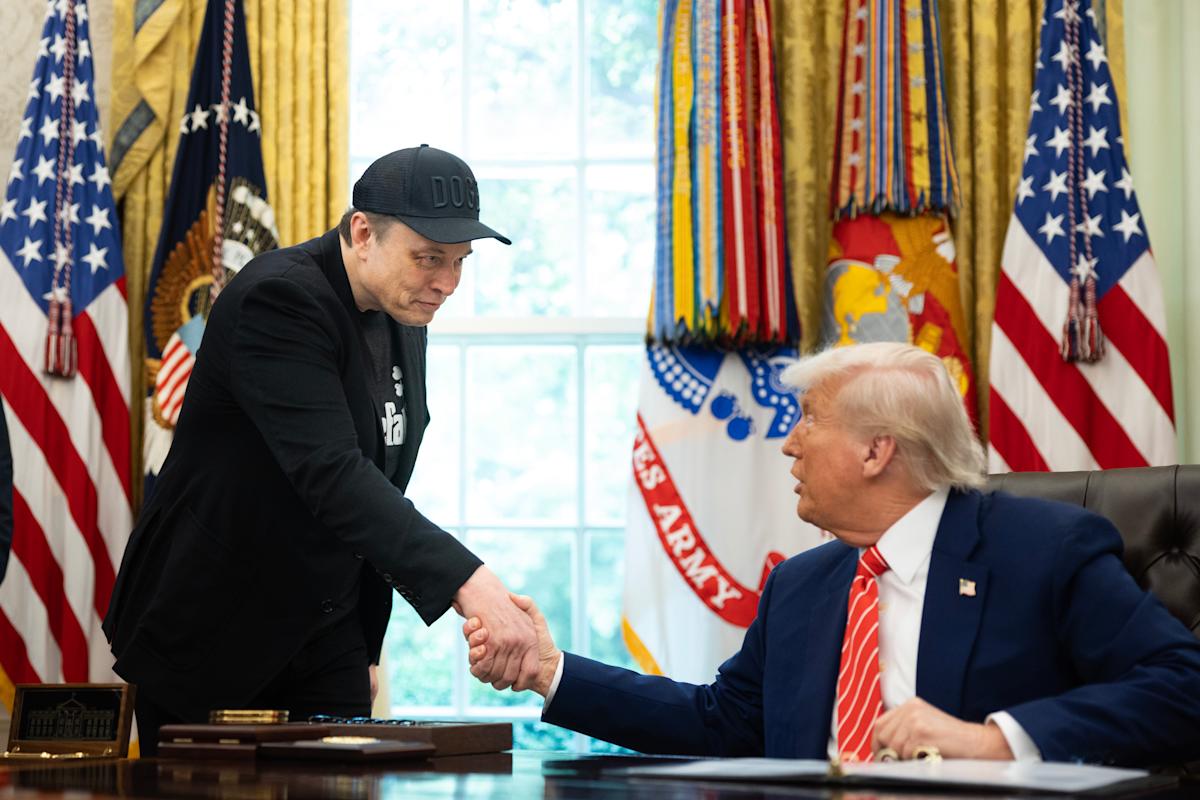
The feud between Elon Musk and Donald Trump on social media has escalated into a high-profile online battle, significantly boosting engagement on platforms like X and Truth Social, illustrating how online conflicts among powerful figures can influence public discourse and generate widespread attention, with potential real-world consequences.
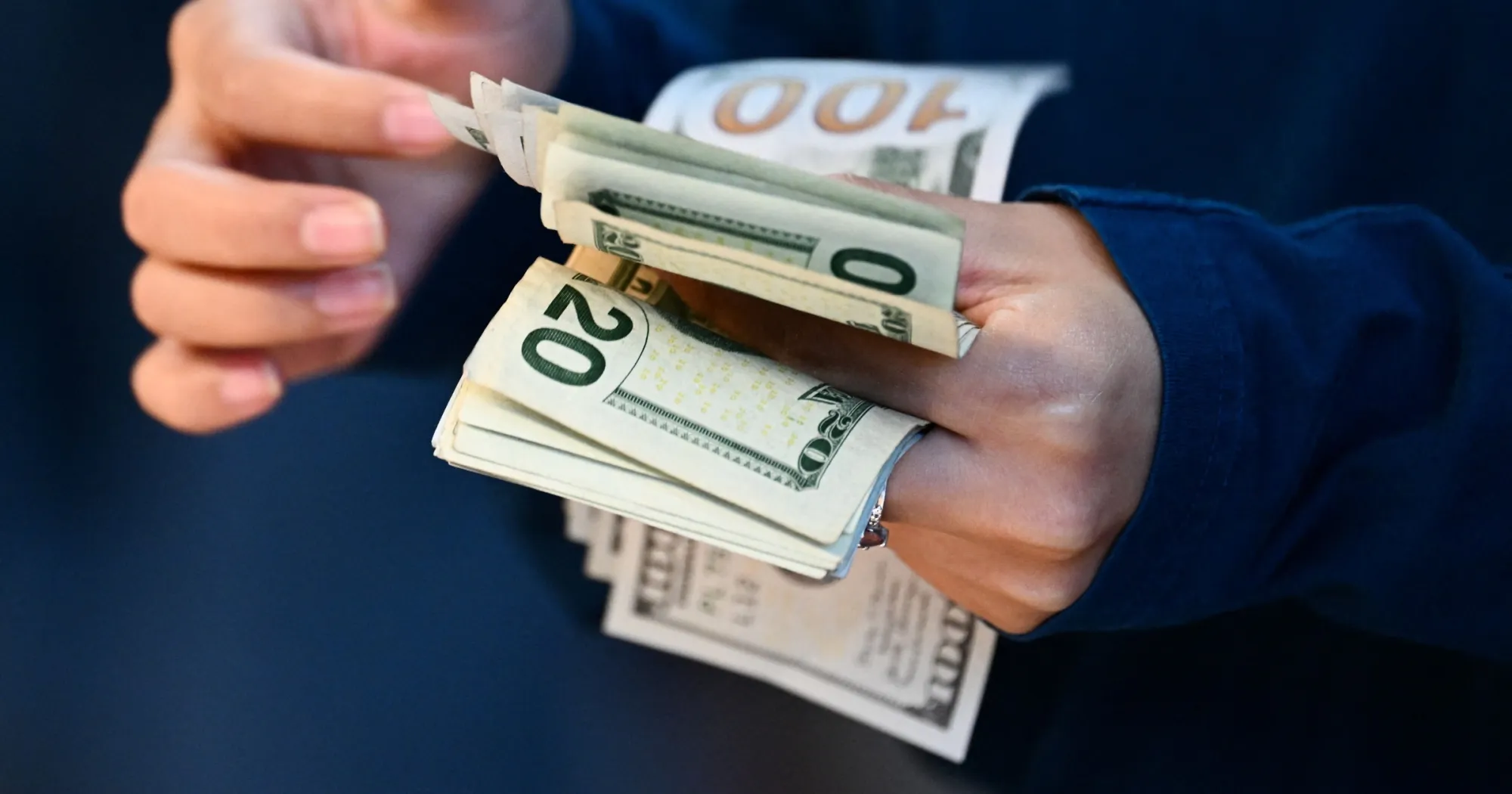
A recent study by Intuit Credit Karma reveals that 27% of Americans engage in 'doom spending' to cope with stress, with higher rates among millennials and Gen Z. This behavior, driven by anxiety from bad news and a constant online presence, leads to impulsive purchases for short-term relief, despite long-term financial risks. Many feel they deserve to treat themselves amid global uncertainties, but experts warn of the negative financial cycle this creates.
An Israeli Ministry of Diaspora Affairs-funded covert online influence campaign aimed at swaying U.S. lawmakers and public opinion on the Gaza conflict has been exposed. The campaign, linked to the Israeli political consulting firm STOIC, targeted younger, progressive Americans with pro-Israeli content. Despite denials from Minister Amichai Chikli, the campaign has drawn criticism for inappropriate interference in U.S. politics and promoting divisive narratives.
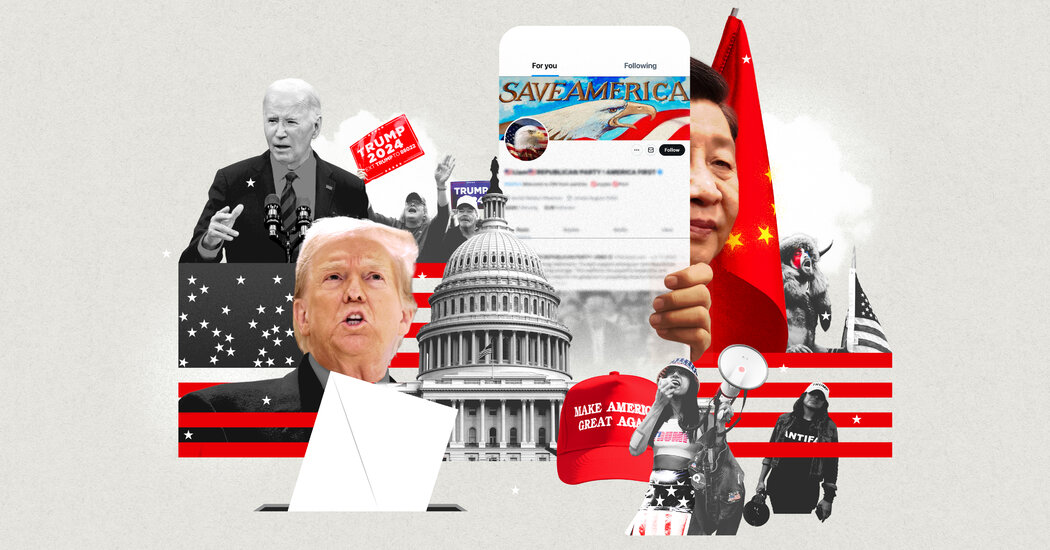
Researchers and government officials have raised alarms over covert Chinese accounts posing as American supporters of former President Donald J. Trump, spreading conspiracy theories, stoking domestic divisions, and attacking President Biden ahead of the November election. This signals a potential shift in Beijing's tactics to influence American politics, targeting specific candidates and parties. The accounts, linked to a long-running network connected with the Chinese government, have been identified as part of a disinformation campaign reminiscent of Russia's efforts before the 2016 election.