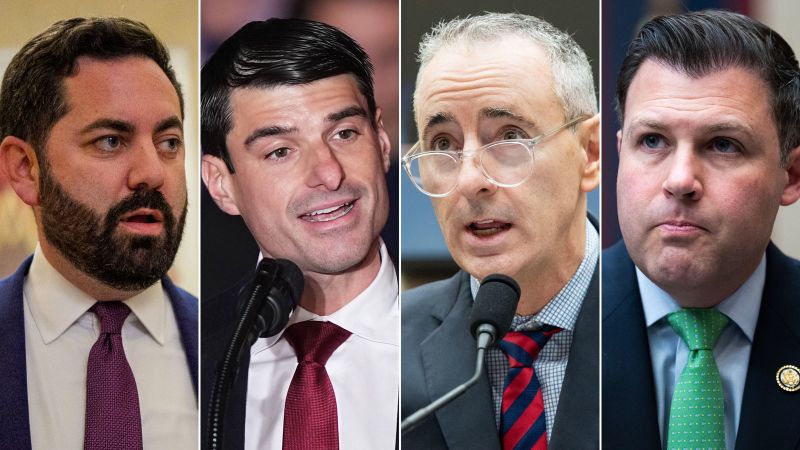
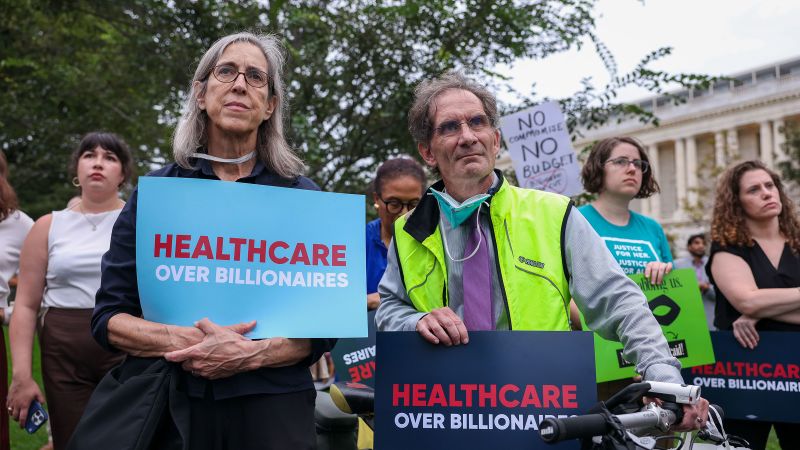
A group of House GOP centrists, led by Reps. Fitzpatrick and Lawler, defied Speaker Mike Johnson by supporting a Democratic bill to extend Obamacare subsidies, threatening to force a vote and potentially cause the subsidies to lapse, amidst internal party conflicts and a tight legislative schedule.
The House GOP health package aims to reduce government spending by $35.6 billion but could result in 100,000 fewer Americans gaining health insurance annually through 2035, mainly by not extending enhanced Obamacare subsidies and expanding association health plans, while also increasing oversight of drug pricing and permitting reforms.
A group of vulnerable House Republicans confronted Speaker Mike Johnson over the expiration of Obamacare subsidies and his refusal to allow a vote to extend them, amid ongoing intra-party debates and legislative negotiations on health care and energy projects.
Efforts to extend Obamacare subsidies face hurdles in Congress, with House moderates and Senate bipartisan groups working on separate proposals amid looming December 31 deadline, while other legislative issues like offshore wind and energy project permitting are also progressing.
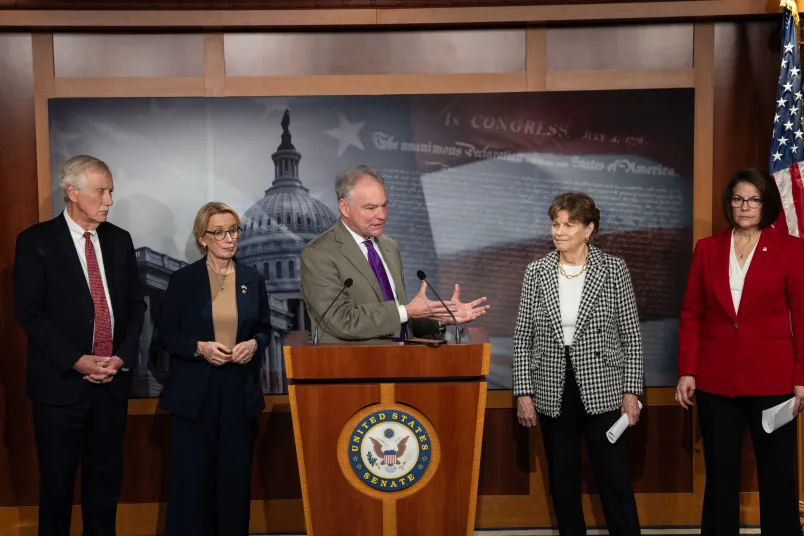
Rank-and-file lawmakers in Congress are making last-minute efforts to extend Obamacare subsidies before they expire, with divisions between House moderates and conservatives, and a bipartisan Senate group working on a potential two-year extension, but the December 31 deadline is unlikely to be met.
Rank-and-file lawmakers in Congress are making last-minute efforts to extend Obamacare subsidies before they expire, with bipartisan negotiations ongoing in the Senate and internal debates in the House, but a final deal is unlikely before the December 31 deadline.
House Republicans are planning a key vote on health care policies that could impact insurance costs nationwide, with internal divisions over extending Obamacare subsidies and efforts to navigate midterm election challenges. Moderate Republicans are pushing for a two-year extension of ACA subsidies, while hard-liners oppose this, pairing the bill with restrictions on transgender surgeries for minors. The outcome of this vote reflects the GOP's struggle to present a unified health care message ahead of the 2024 elections.
House Republicans are debating a vote on a health care package that does not include extending Obamacare subsidies, risking a spike in insurance costs, with moderate Republicans pushing for a two-year extension amid internal party disagreements and upcoming midterm elections.
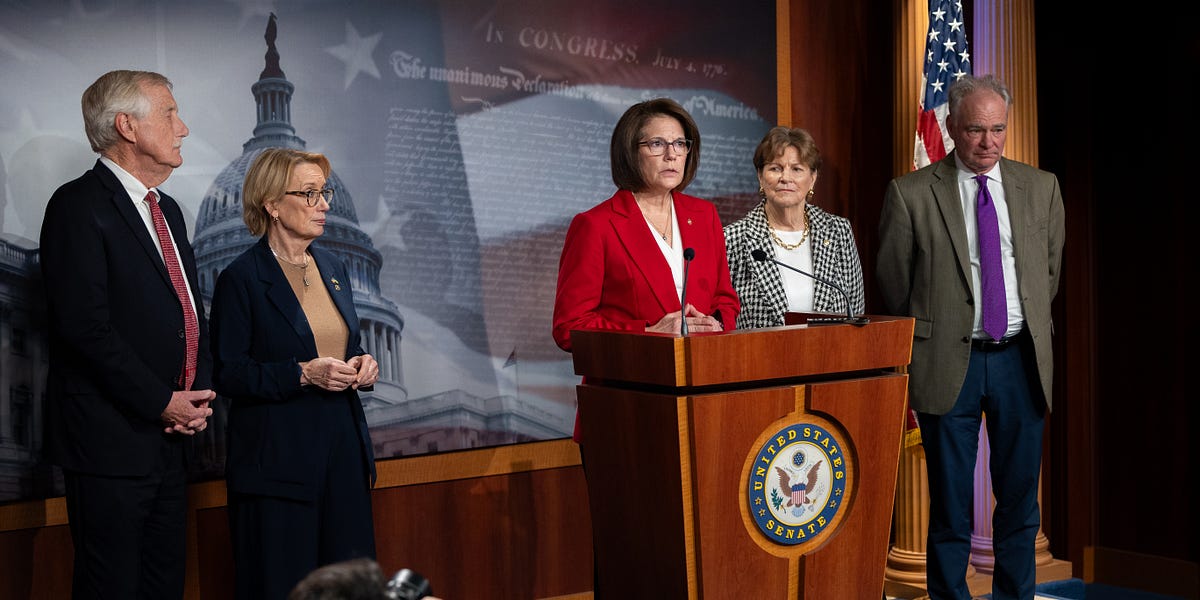
Senators from both parties are seeking a deal on expiring Obamacare subsidies, with discussions highlighting the challenges of reaching a bipartisan agreement amid differing proposals and political tensions, while other political developments include leadership struggles and legal investigations.
Democrats ended the government shutdown after making some concessions, highlighting Republican refusal to renew Obamacare subsidies and exposing the Trump administration's harsh tactics, but critics argue they rewarded Trump's brinkmanship, which may embolden future shutdowns.
After 40 days, a bipartisan Senate deal ends the government shutdown without extending Obamacare subsidies, with some Democrats breaking ranks and House Democrats expressing discontent, while the deal includes funding until Jan. 30, 2026, and provisions related to SNAP and federal layoffs.
Senate Democrats propose a one-year extension of Obamacare subsidies amid ongoing political debates, while special counsel Jack Smith faces scrutiny from Republicans over his investigations into Trump, with tensions over transparency and potential political influence.
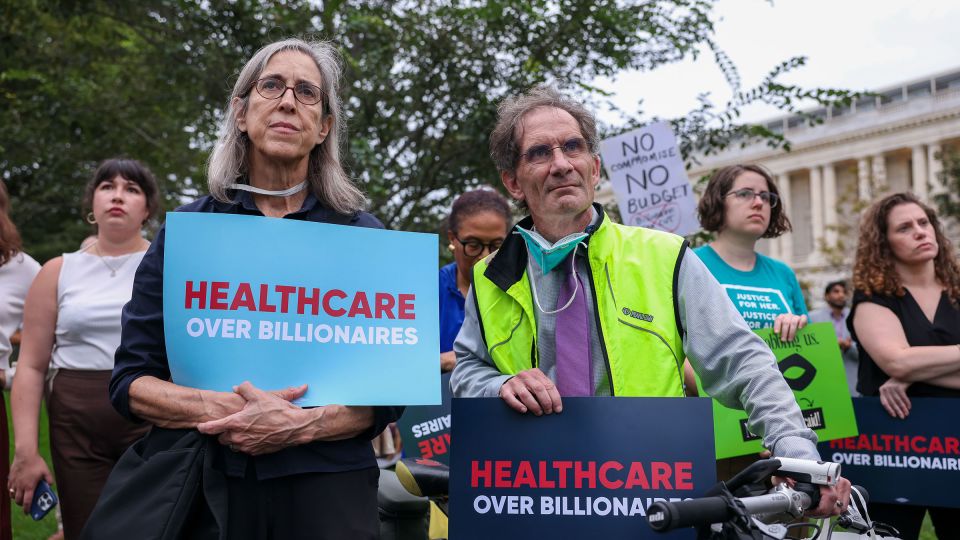
Republican lawmakers are increasingly concerned about the lack of a plan to address expiring Obamacare subsidies amid the government shutdown, with some warning that rising health care costs could impact their chances in the 2024 midterms. While Democrats push for extending the subsidies, GOP leaders are hesitant, leading to internal divisions and calls for urgent negotiations, especially as the November 1 open enrollment deadline approaches.
Congressional Republicans are increasingly anxious about the upcoming expiration of Obamacare subsidies amid the government shutdown, with some urging immediate action to prevent rising health care costs for Americans and to avoid political repercussions in the 2024 midterms, while divisions within the party hinder consensus on a solution.
The ongoing government shutdown, potentially the longest in US history, is causing economic concerns, with estimates of a 0.1% to 0.2% weekly impact on GDP and fears of larger damage if mass layoffs occur. The shutdown is driven by a standoff over Obamacare subsidies and could extend into November, with possible triggers for resolution including airport disruptions or military pay issues. Polls show significant public concern about economic effects, but some analysts remain cautiously optimistic about long-term impacts.