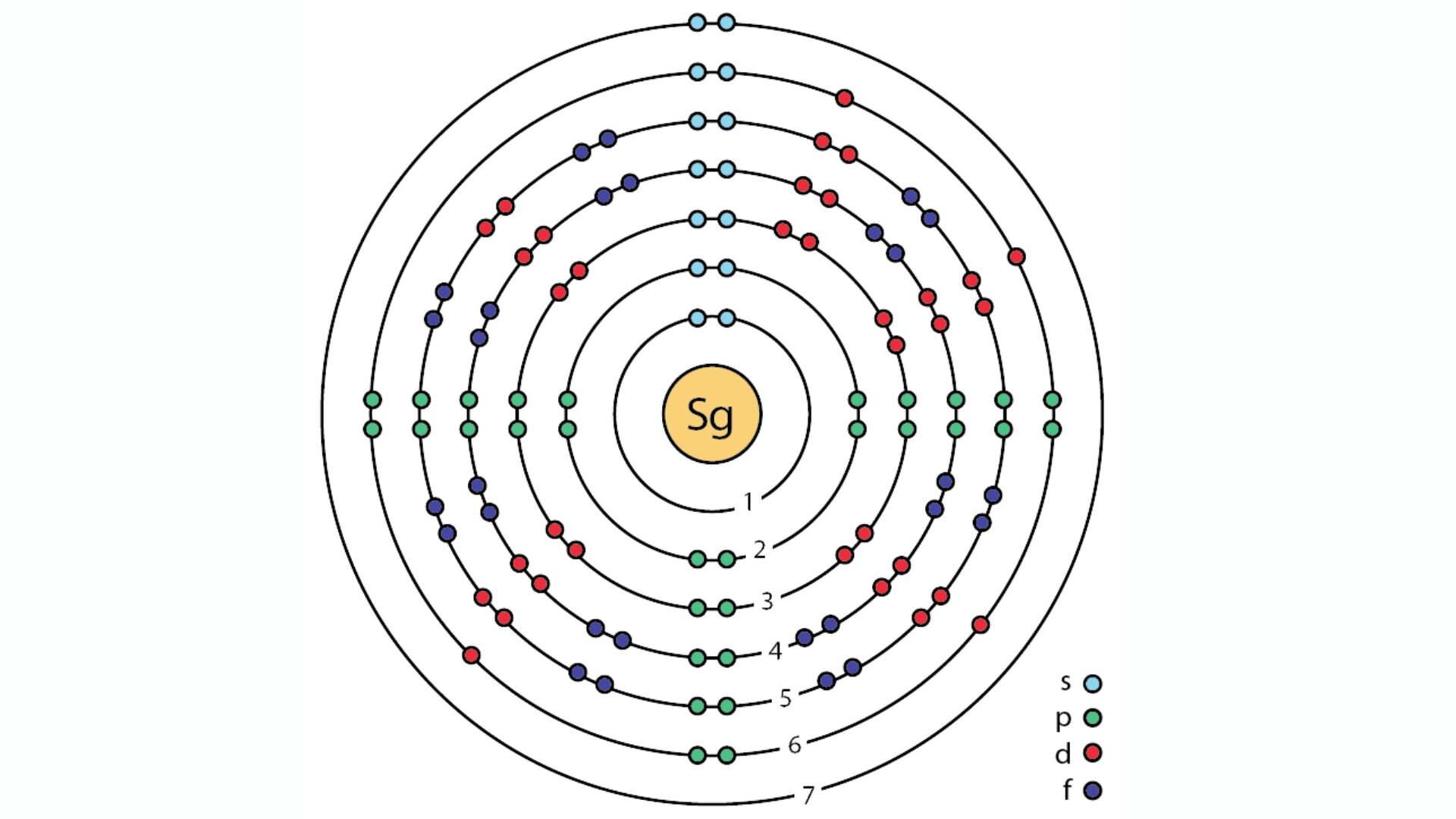
Scientists at GSI Helmholtzzentrum have discovered a new superheavy isotope, 257Sg, revealing complex quantum effects influencing nuclear stability and fission, including the first observation of a K-isomeric state in seaborgium, which could impact the search for the island of stability and future element synthesis.
Physicists at the Institute of Modern Physics and collaborators have discovered two new isotopes, osmium-160 and tungsten-156, challenging traditional views on nuclear stability and magic numbers. This breakthrough suggests potential for lead-164 to be a stable, doubly magic nucleus, enhancing the understanding of nuclear physics and the architecture of atomic nuclei. The study, published in Physical Review Letters, indicates a significant step forward in nuclear theory and stability, with implications for the development of nuclear forces and deepening our understanding of nuclear physics.