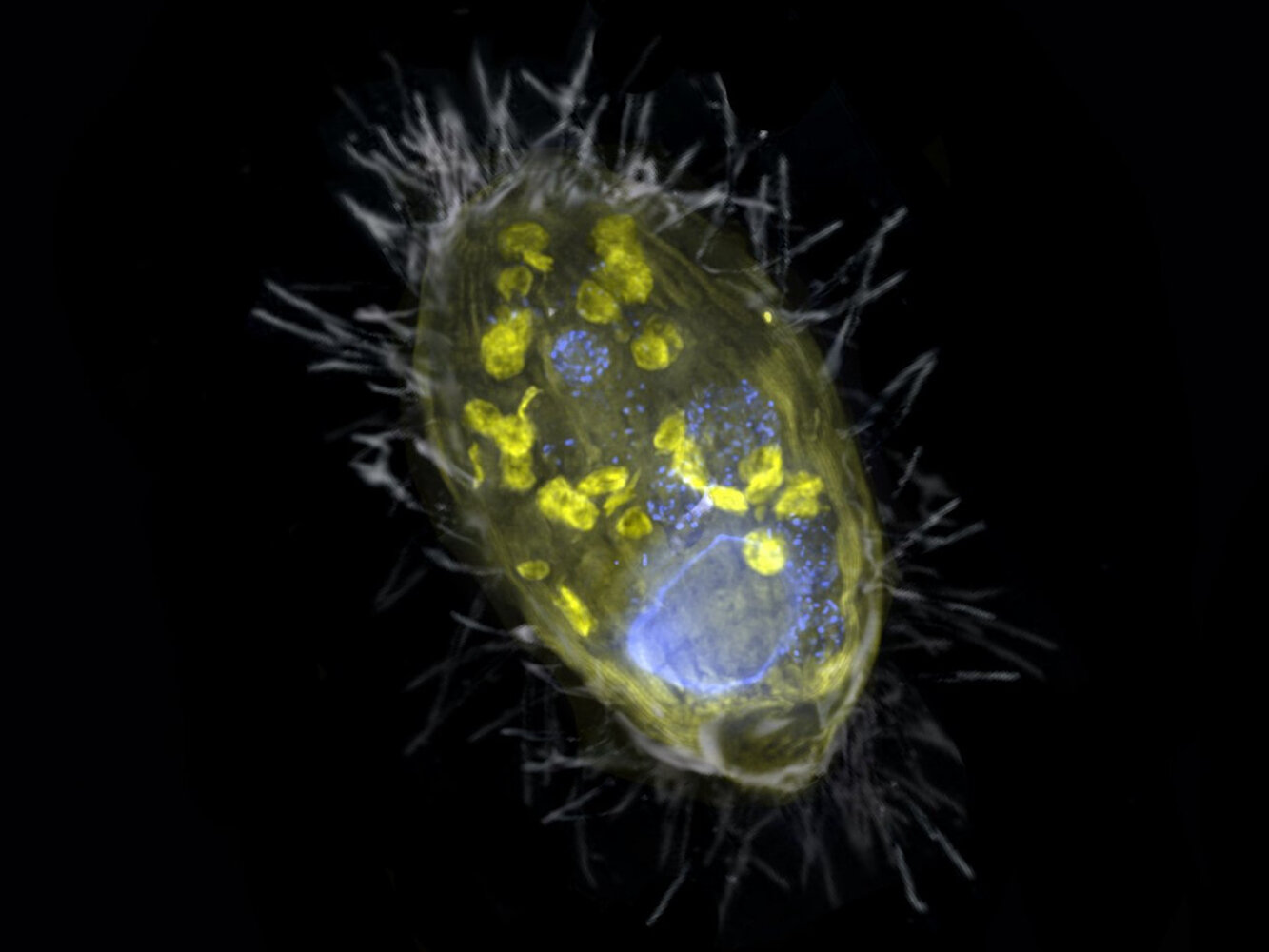
Scientists at the Max Planck Institute for Marine Microbiology have discovered new mitochondria-like symbionts that live inside ciliates and perform unique metabolic functions, including nitrate respiration. These symbionts, found globally in various environments, have expanded to include new species capable of both anaerobic and aerobic respiration. This discovery has significant implications for understanding microbial evolution and the nitrogen cycle, as these symbionts can impact nutrient removal and greenhouse gas production.
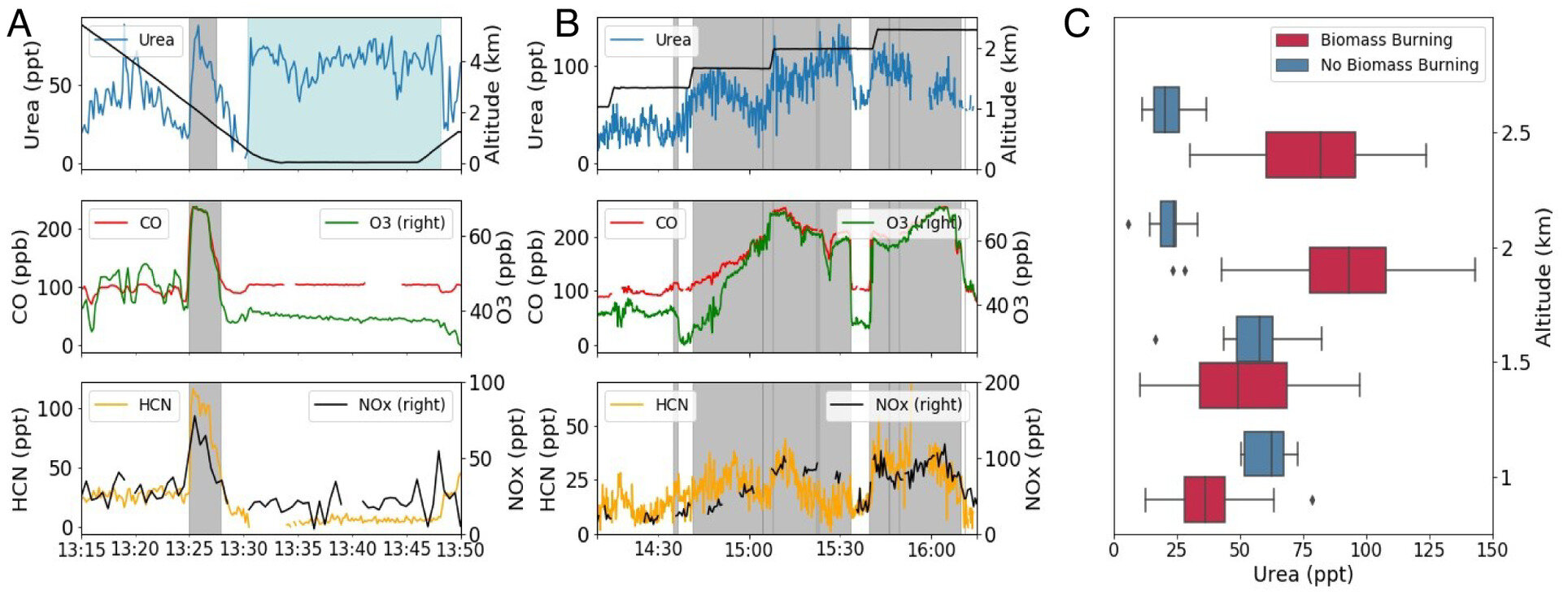
New research from the University of Manchester reveals that ocean areas rich in marine life are major sources of atmospheric urea, a key nitrogen compound. This discovery has profound consequences for marine productivity and climate stability, as urea can benefit nutrient-deficient environments and be transported over long distances through the atmosphere. The findings call for a revision of current nitrogen cycle models and highlight the need to understand the complex interactions between the atmosphere, ocean, and ecosystems to address climate change effectively.
Scientists at The University of Manchester have discovered that the primary source of urea, a nitrogen-rich compound vital for the growth and development of living organisms, comes from the ocean. The research also reveals that urea can be transported over long distances through the atmosphere to benefit other environments that may be nutrient-deficient. The findings have significant implications for our understanding of the nitrogen cycle and calls for a revision of current models, which could have far-reaching consequences for marine productivity and climate stability.