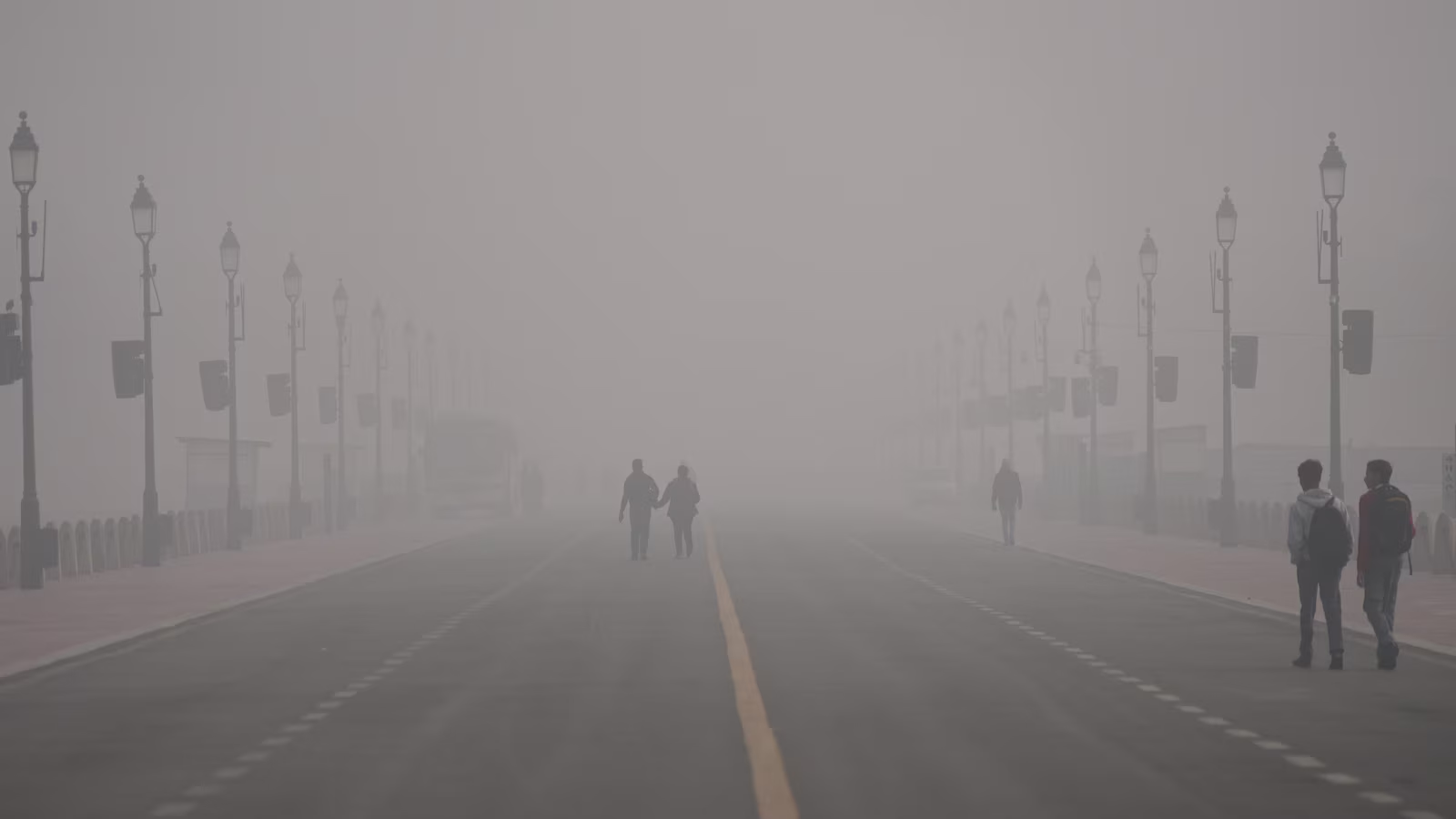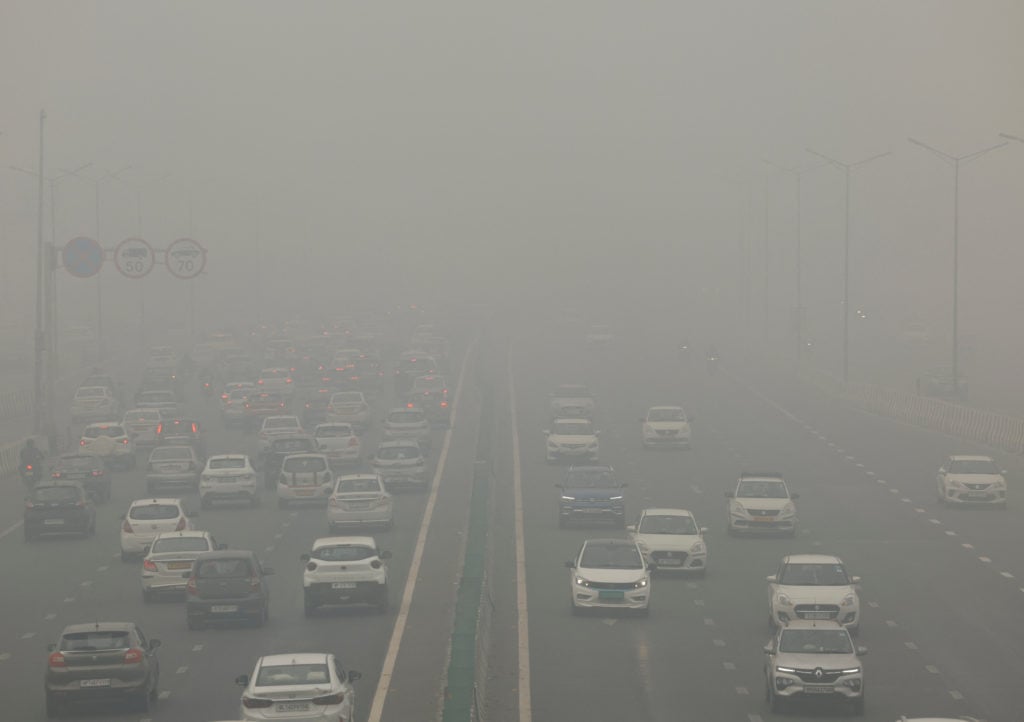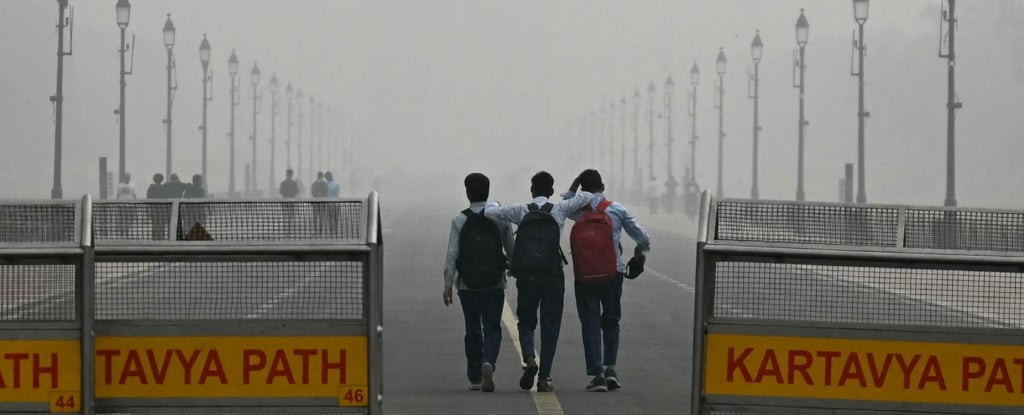
Dense toxic smog has severely impacted New Delhi, causing travel disruptions, health issues, and prompting strict containment measures, while environmentalists call for long-term solutions to the persistent pollution crisis.
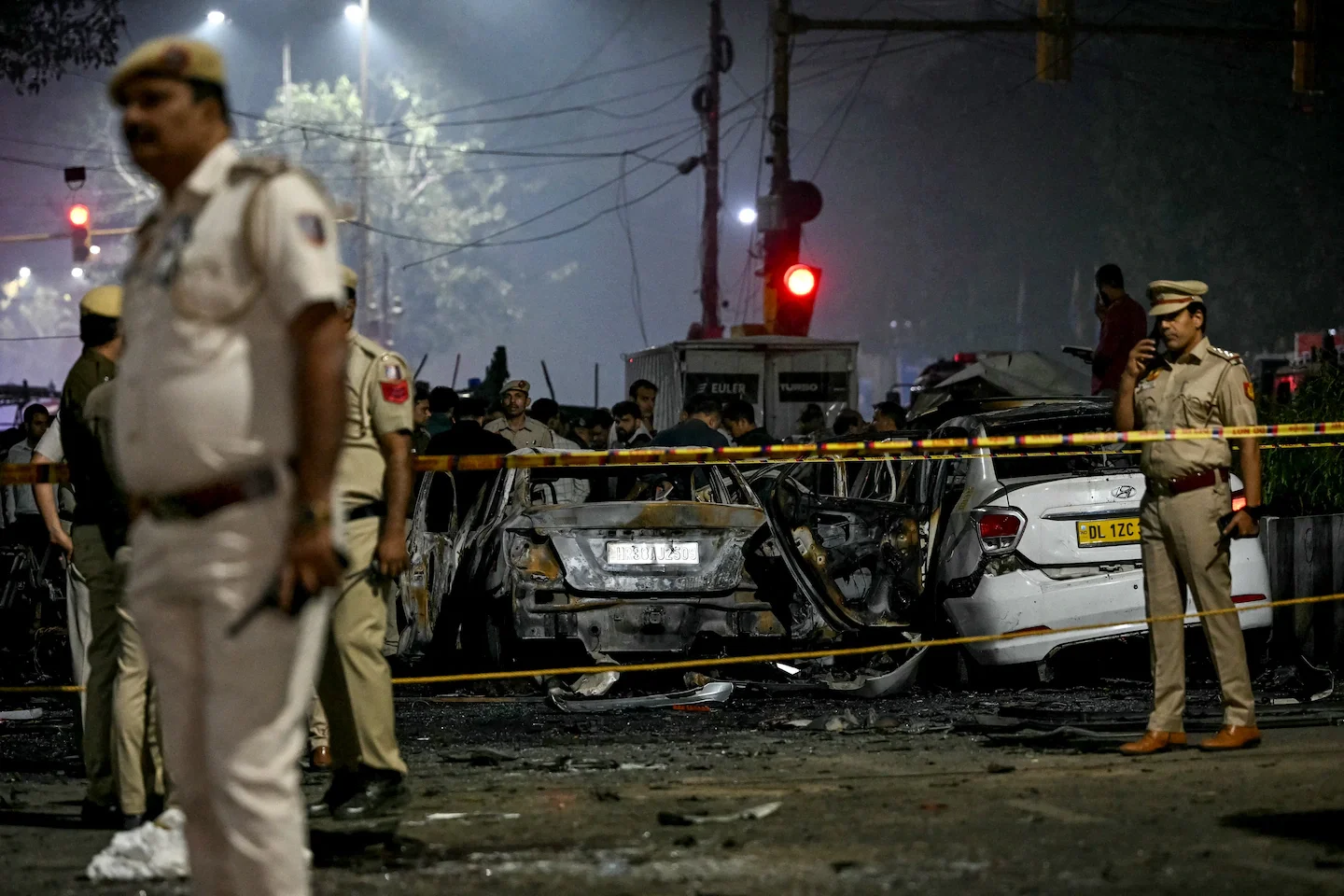
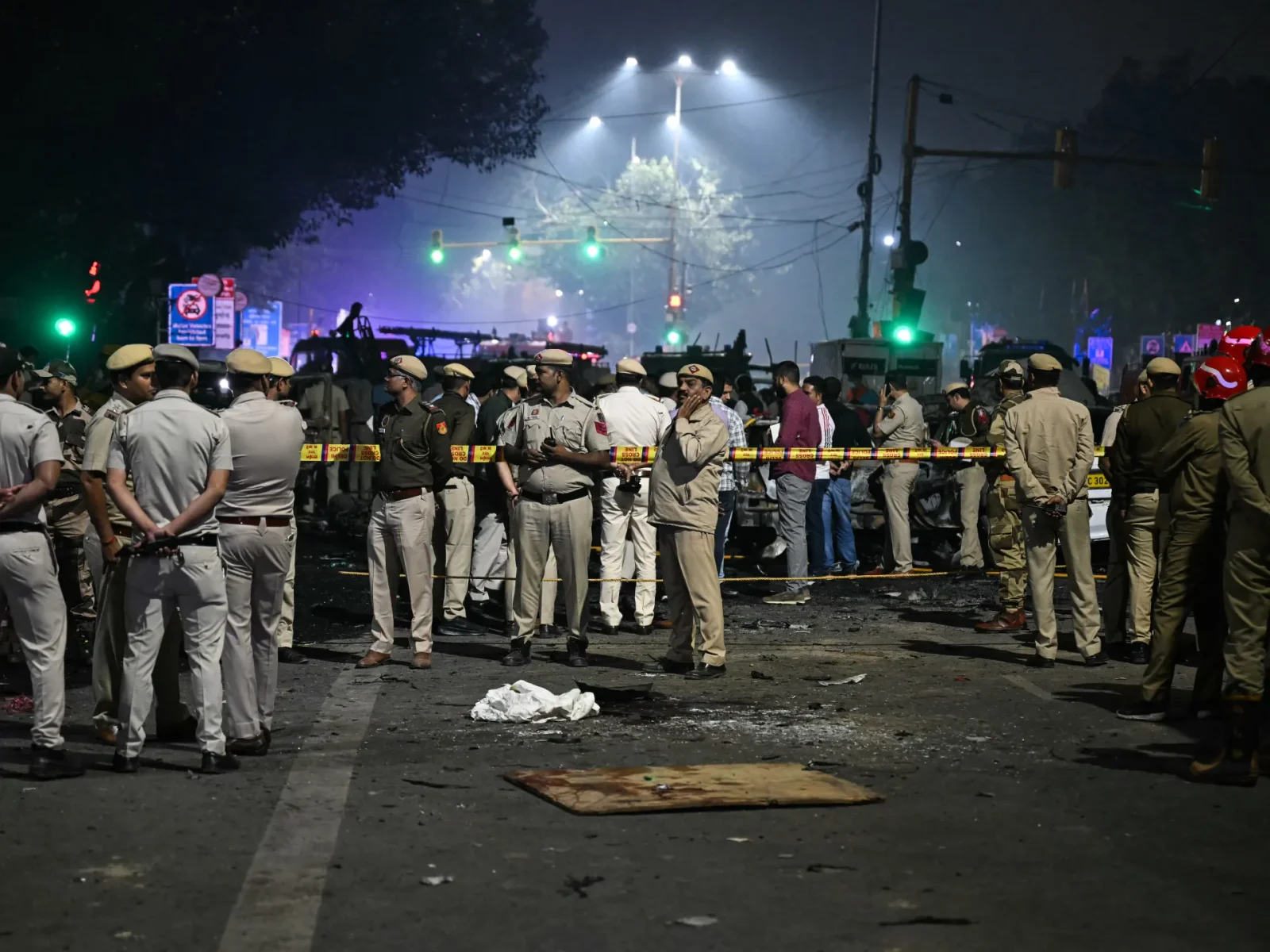
A car explosion near the Red Fort in New Delhi has killed eight people, with Indian authorities investigating it as a possible act of terrorism. Prime Minister Narendra Modi has promised justice for the victims.
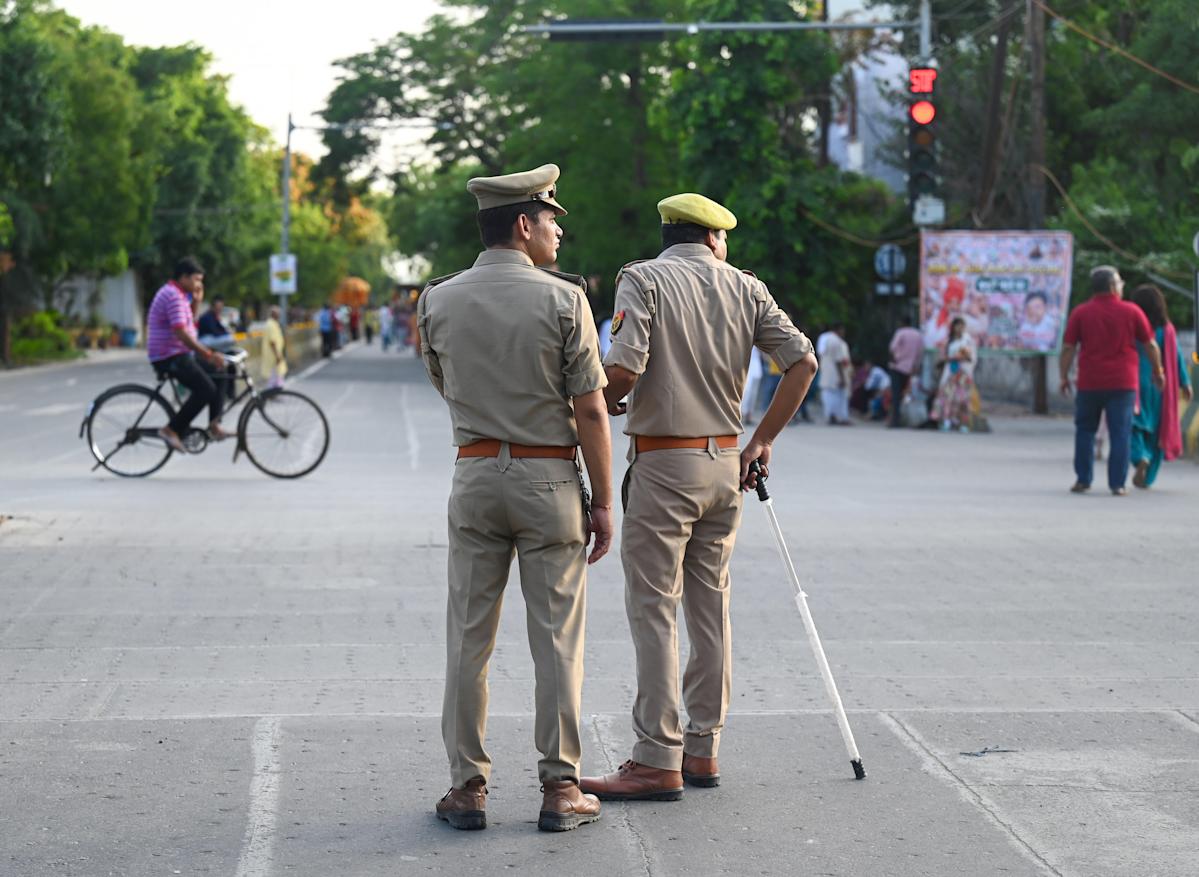
A car explosion near the Red Fort in New Delhi has killed at least eight people and injured 11, prompting increased security measures across Uttar Pradesh, with investigations ongoing into the cause of the blast.
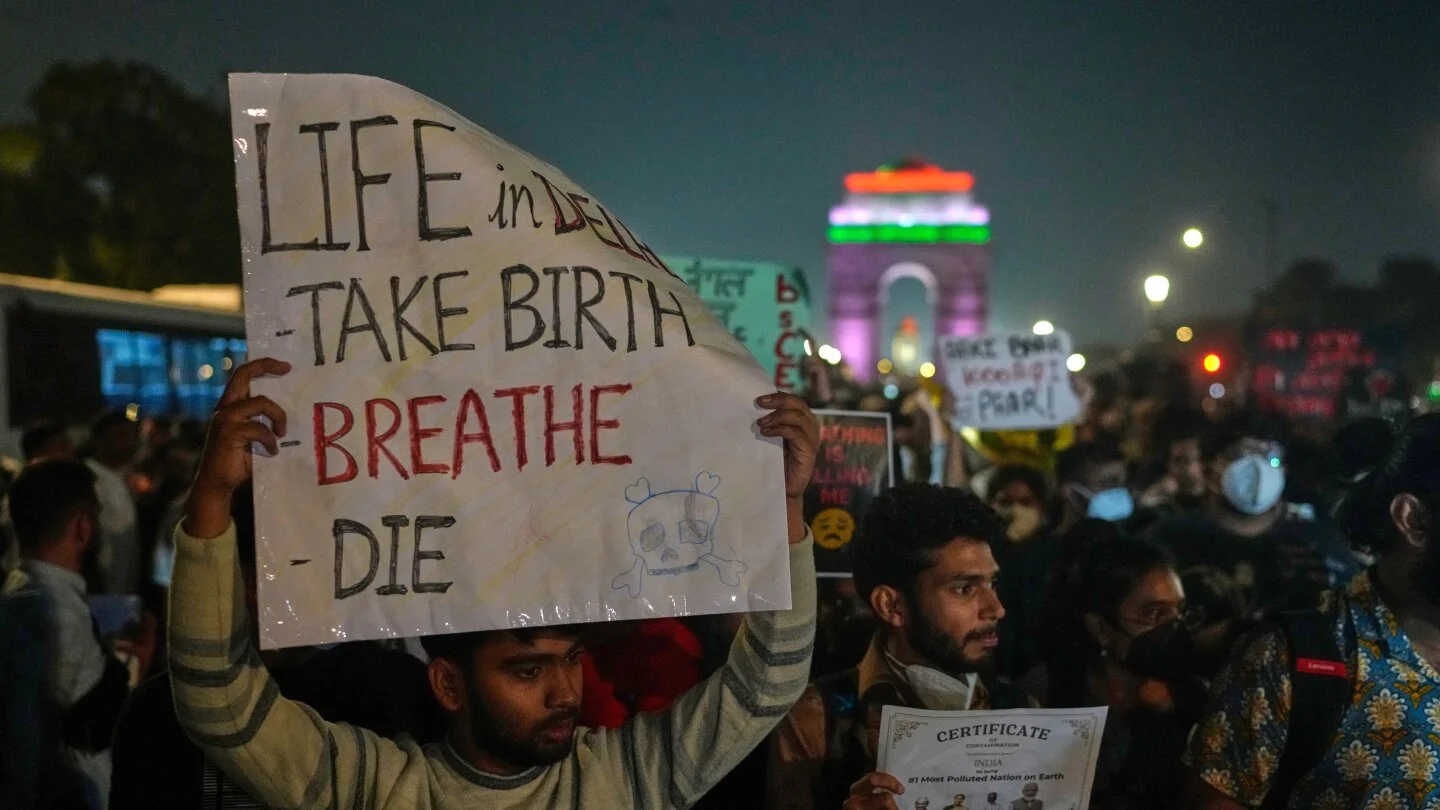
Air pollution in New Delhi has reached 'severe' levels, prompting rare protests by residents demanding government action to address the health crisis caused by smog, which is worsened by seasonal crop burning and industrial emissions. Authorities have implemented temporary measures, but long-term solutions are needed.
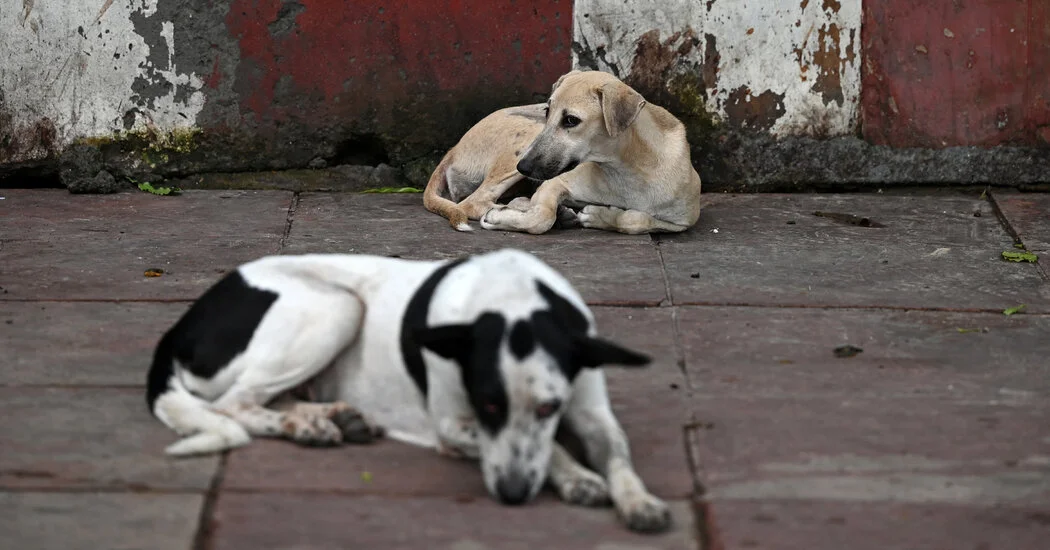
India's Supreme Court has ordered the roundup and permanent detention of all stray dogs in New Delhi within eight weeks, citing safety concerns due to attacks and fatalities, despite legal and logistical challenges, and sparking debate over animal rights and city management.
Six men in New Delhi were arrested for running a fake police bureau, extorting money from victims by forging documents, claiming international police affiliations, and operating for over two weeks, with authorities recovering various fake official items.
New Delhi is experiencing severe air pollution, with levels 50 times higher than the WHO's safe limit, prompting authorities to close schools, halt construction, and ban non-essential trucks. The pollution, exacerbated by crop burning and industrial emissions, has led to hazardous air quality, causing health issues among residents and sparking public outrage. Authorities have implemented stage 4 of a graded response action plan, but critics call for long-term solutions to address the recurring crisis.
New Delhi is engulfed in toxic smog, with pollution levels exceeding WHO limits by over 50 times, primarily due to stubble burning, industrial emissions, and traffic. The hazardous air quality, exacerbated by cooler temperatures and stagnant winds, poses severe health risks, particularly to vulnerable populations. Despite the Supreme Court's ruling that clean air is a fundamental right, political disputes and ineffective measures have hindered significant progress in addressing the crisis.
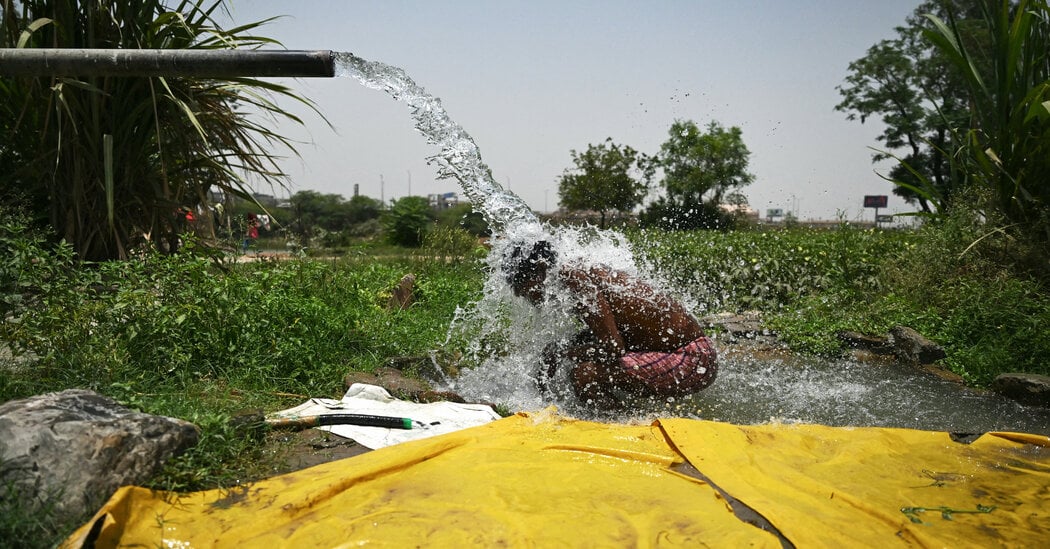
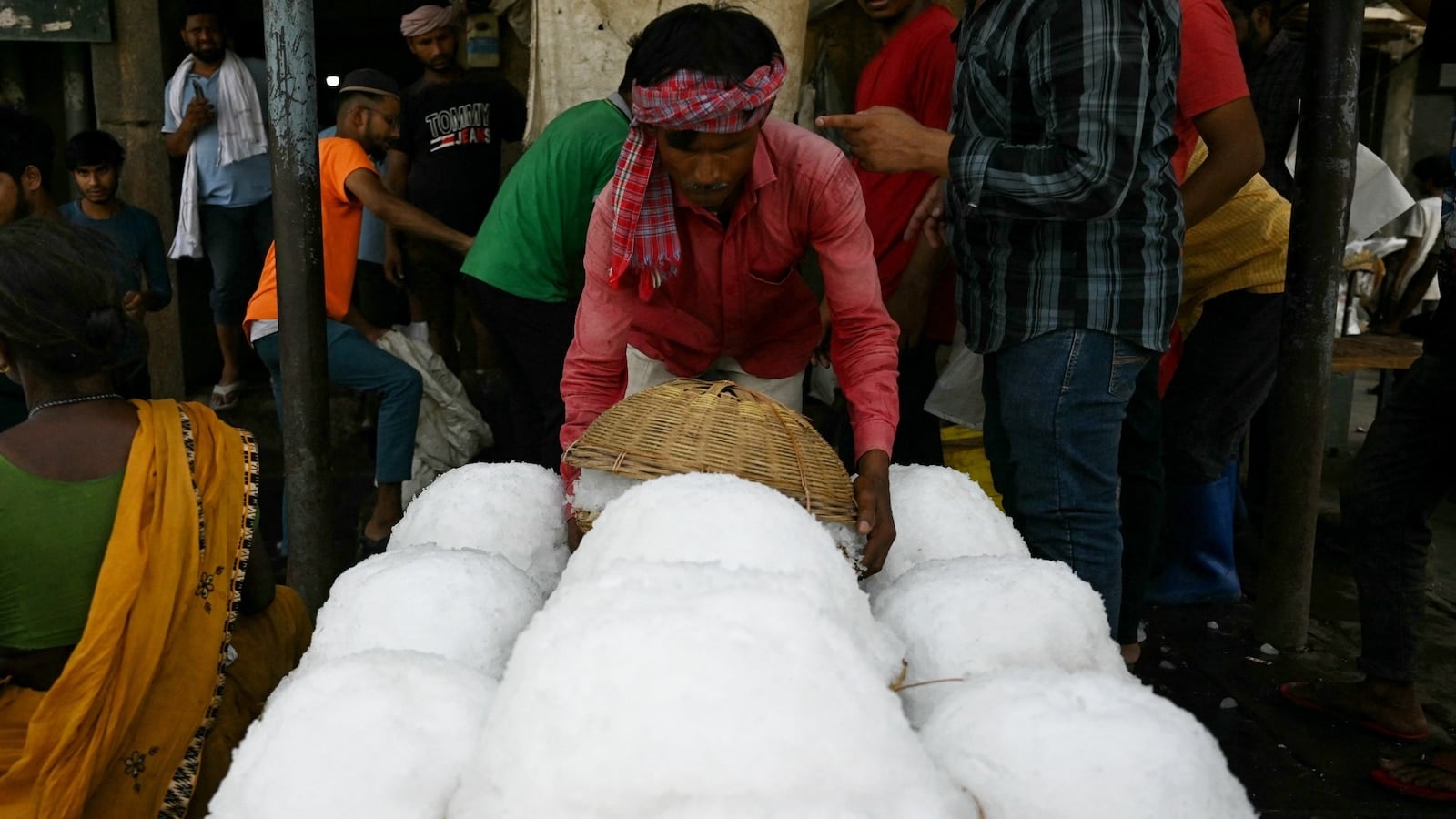
New Delhi experienced its hottest day ever recorded at 126 degrees Fahrenheit, exacerbating a heatwave that has gripped northern India for weeks. The extreme temperatures have led to increased cases of heatstroke and concerns over the city's electricity and water supplies. Scientists attribute the rise in abnormally high temperatures to human-induced climate change.
India may have recorded its highest temperature ever at 126 degrees Fahrenheit in Mungeshpur, a suburb of New Delhi, amid a severe heat wave. The India Meteorological Department is verifying the data due to potential sensor errors. The heat wave has led to a red alert health notice and water usage restrictions in New Delhi. Rising global temperatures and climate change are contributing to more frequent and intense heat waves.
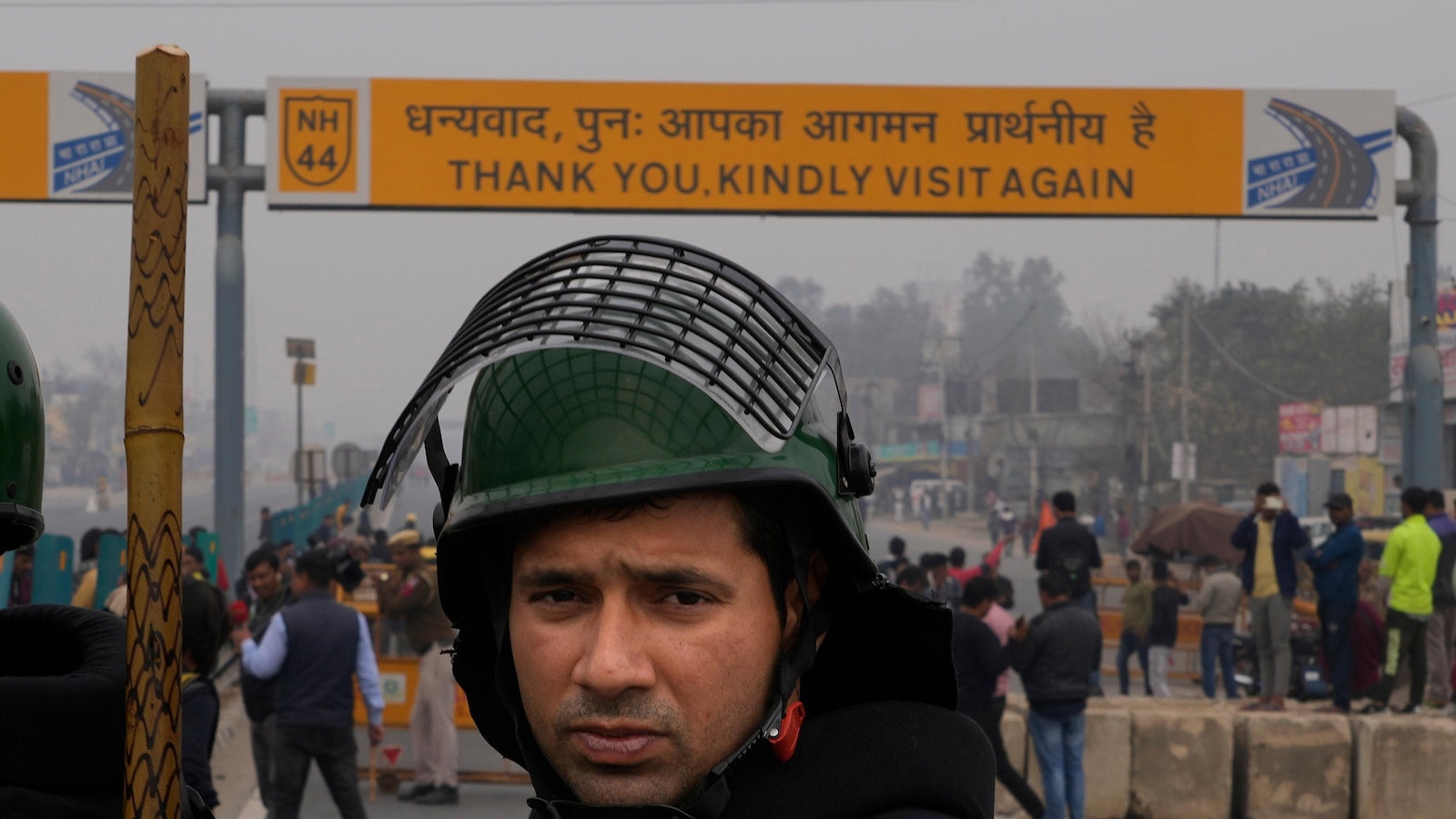
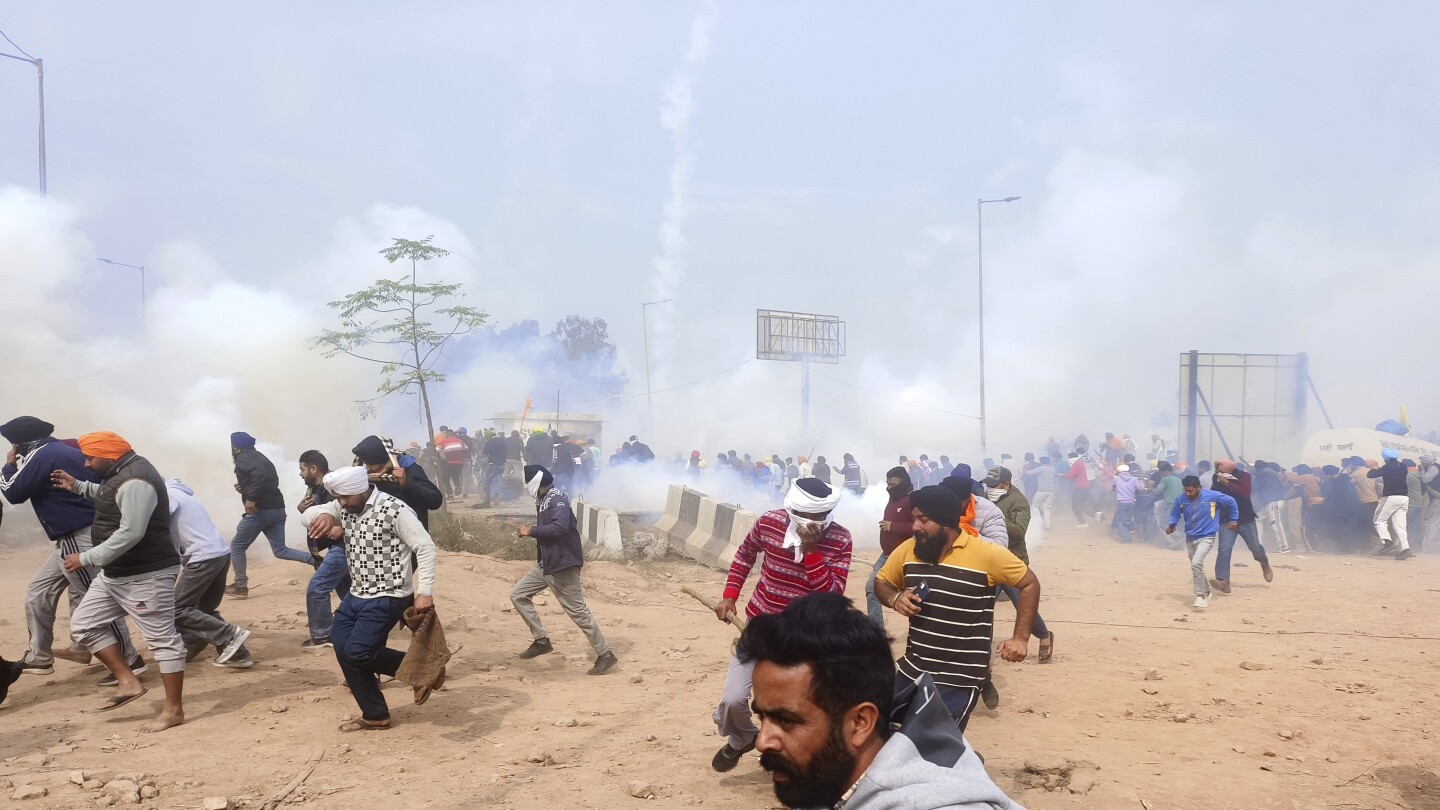
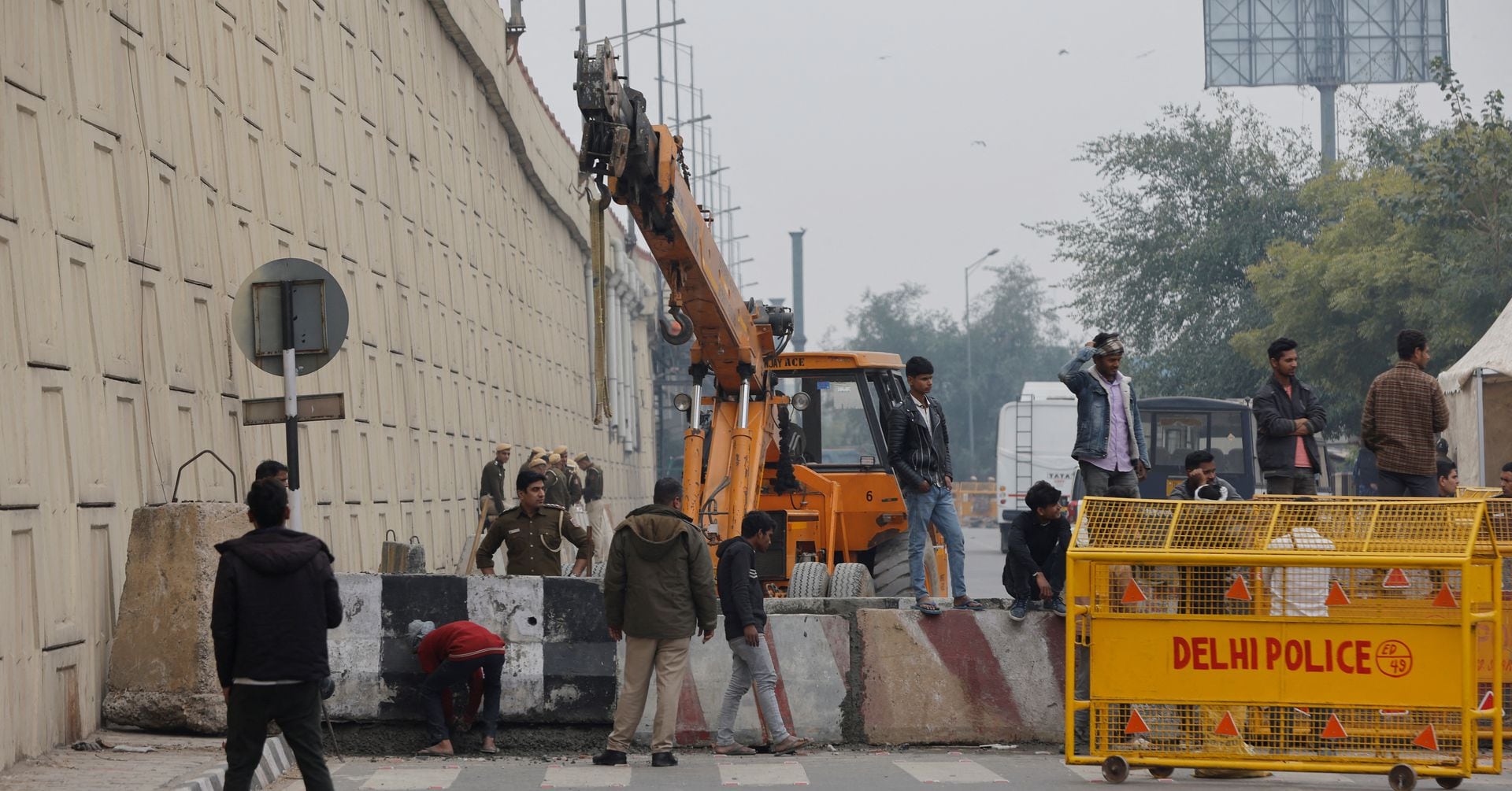
Indian farmers clashed with police and faced tear gas as they marched towards New Delhi to demand guaranteed crop prices, reminiscent of their 2021 protests. The government has sealed entry points into the capital and suspended internet service in some areas to prevent communication among the protesters. The farmers seek legislation ensuring a minimum support price for all farm produce and are pressing the government to fulfill its promise to double their income and waive their loans. The protests pose a significant challenge for Prime Minister Narendra Modi ahead of the upcoming national election, as farmers form a crucial voting bloc in India.
Indian farmers clashed with police and faced tear gas as they marched towards New Delhi to demand guaranteed crop prices, reminiscent of their 2021 protests. The government has sealed entry points into the capital and suspended internet service in some areas to prevent communication among the protesters. The farmers seek legislation for a minimum support price for all farm produce, income doubling, and loan waivers. The protests pose a significant challenge for Prime Minister Narendra Modi ahead of the upcoming national election, as farmers form a crucial voting bloc in India.
Indian police block roads to prevent farmers from marching to New Delhi to demand better crop prices as promised in 2021, ahead of national elections where Prime Minister Narendra Modi is expected to win a third term. The farmers are seeking higher support or guaranteed prices for their produce and want the government to fulfill its promise to double farmers' income. The government had repealed farm laws after a year-long protest in 2021 and pledged to ensure support prices for all farm produce, but farmers accuse the government of not acting on this promise.
New Delhi, the world's most polluted megacity, is grappling with severe air pollution that is costing residents an average of 12 years of life compared to World Health Organization standards. Despite efforts by the local government, including incentivizing electric vehicle purchases and implementing real-time monitoring stations, the city's pollution problem continues to worsen due to rapid growth and new sources of pollution. The lack of coordinated action between the federal and state governments, along with the perception that air pollution is an elite issue, hinders progress. The harmful impacts of air pollution, such as strokes, heart attacks, and cognitive decline, are not immediately noticeable, making it difficult to develop and enforce effective policies. Residents continue to suffer from the health consequences, with children experiencing respiratory issues and adults seeking medical help.
Two Indian cities, Mumbai and Kolkata, have joined New Delhi in the list of the world's top 10 most polluted cities after Diwali celebrations, with New Delhi taking the top spot. The air quality index (AQI) in New Delhi reached a hazardous level of 407, while Mumbai and Kolkata recorded AQI figures of 157 and 154 respectively. The smog and pollution in these cities pose health risks, particularly to those with existing respiratory conditions. Despite bans on firecrackers, enforcement remains lax, contributing to the worsening air quality. The local government plans to maintain restrictions on construction activities and school closures to protect people from the pollution.