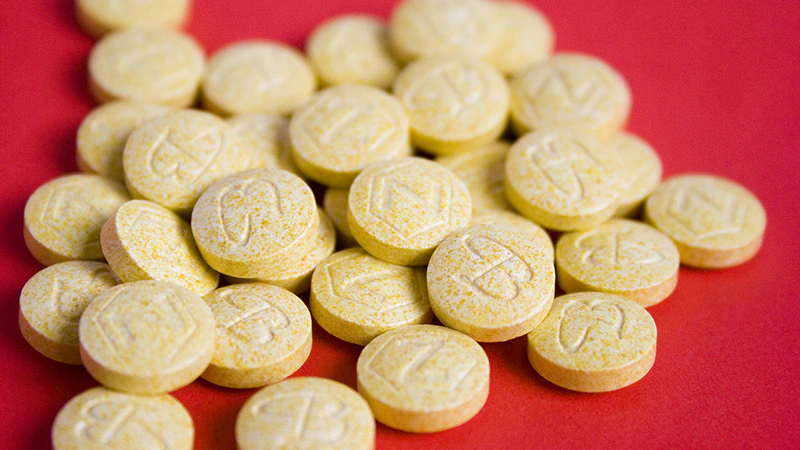
Australia is tightening regulations on vitamin B6 supplements due to reports linking high doses to neuropathy, with stricter rules and increased awareness needed globally, as high doses can cause significant nerve damage even from over-the-counter products.
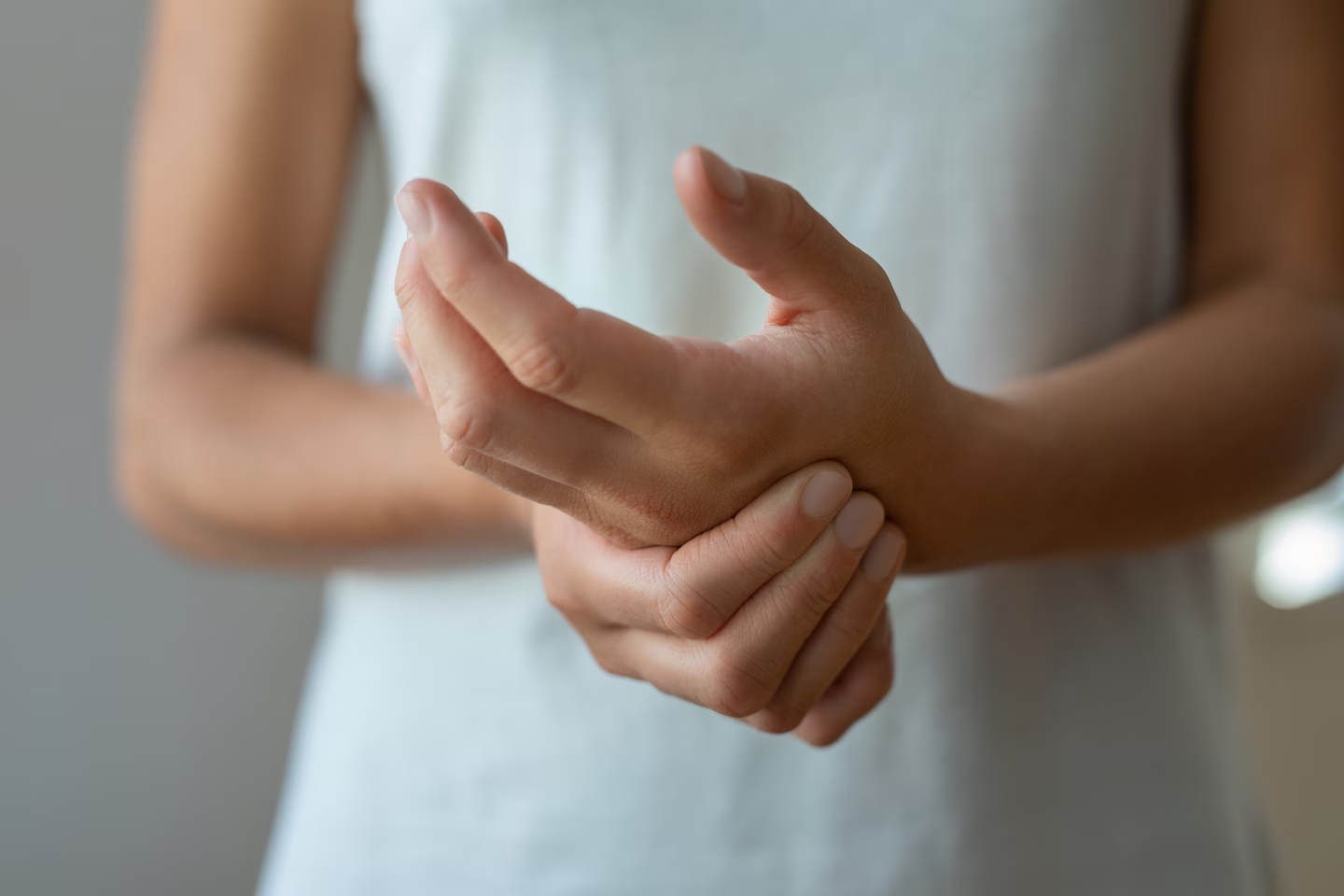
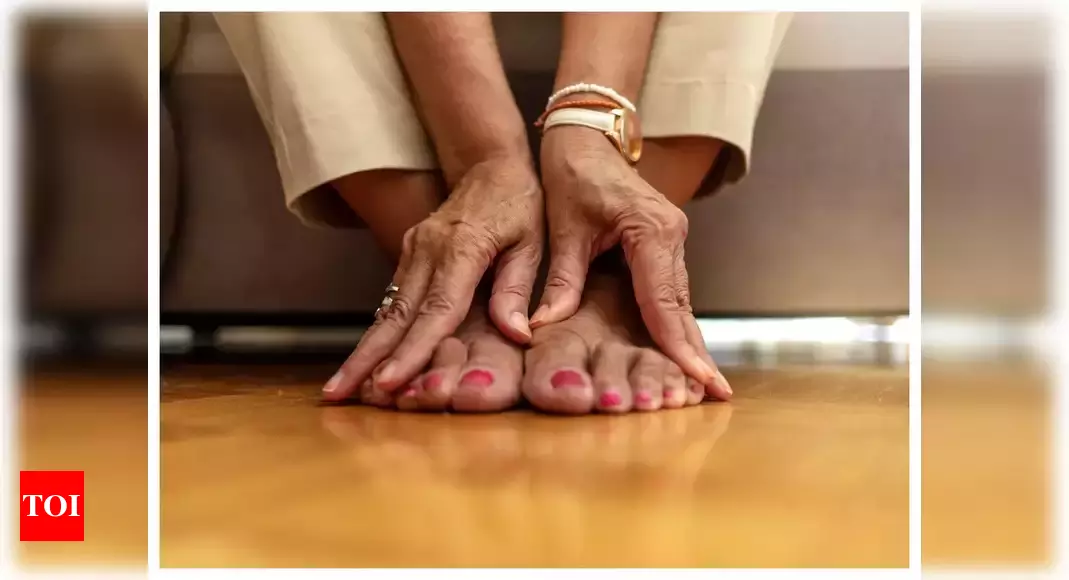
Experiencing pain or tingling in the hands or feet may indicate neuropathy, a condition involving nerve dysfunction in the limbs, according to expert Eva Feldman.
The article discusses whether neuropathy, a condition characterized by nerve pain, can be reversed. It explores various treatments that may help alleviate symptoms, including medications, lifestyle changes, and alternative therapies. While complete reversal of neuropathy is challenging, these treatments can significantly ease nerve pain and improve quality of life.
A retired individual with Barrett's esophagus and concerns about the effects of proton-pump inhibitors (PPIs) on dementia and neuropathy seeks advice from Dr. Keith Roach. While studies on the link between PPIs and atrial fibrillation (AFib) are inconclusive, the risk of esophageal cancer due to untreated acid reflux in Barrett's esophagus patients is a key concern. Dr. Roach recommends PPIs over H2 blockers for reducing the risk of esophageal cancer, despite known risks such as potential B12 deficiency and neuropathy. He emphasizes the importance of routine endoscopic surveillance and biopsies for early detection and treatment of any abnormal esophageal growth.
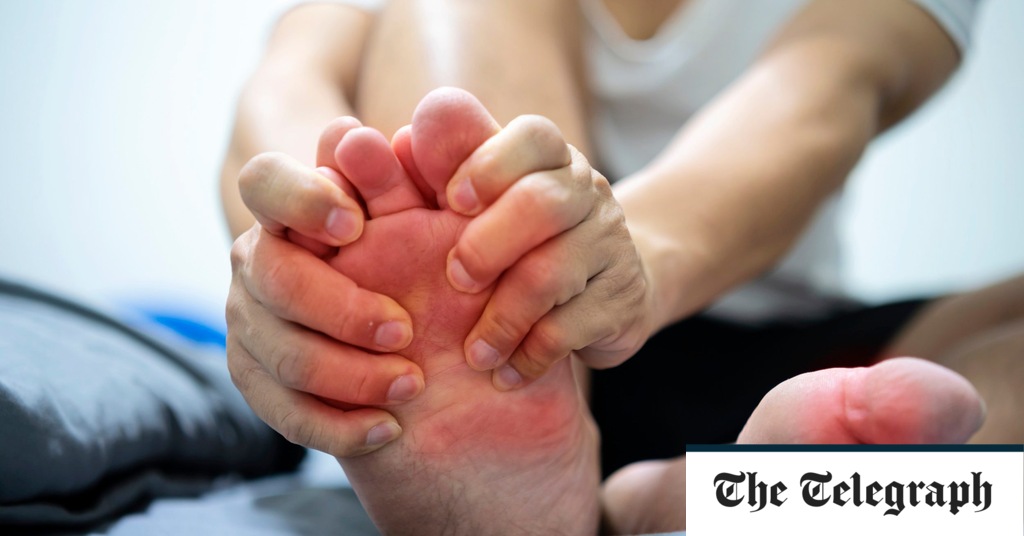
Burning feet, often felt more acutely at night, can be caused by sensory neuropathy, where the sensory nerve fibers are disturbed. This condition can be associated with vitamin B deficiency, diabetes, or tibial tunnel syndrome. While there's no specific cure for the nerve dysfunction, treatments may include vitamin B supplements, blood-sugar-lowering drugs, physiotherapy, or surgery. Cooling the feet and certain medications like lidocaine, capsaicin, gabapentin, amitriptyline, and mexiletine can provide relief, although their effectiveness varies.
Doctors in Massachusetts have reported a case of a teenage girl whose vocal cords became paralyzed after contracting Covid-19. The girl required a tracheostomy for over a year to help her breathe, but the doctors were eventually able to remove it. While vocal cord paralysis has been linked to Covid-19 before, this is the first documented case in a teenager. The exact mechanism behind the paralysis is still unclear, but it is believed to be related to neuropathy caused by the virus. Doctors urge vigilance in considering vocal cord pathology as a potential complication in patients with voice, swallowing, or breathing issues after Covid-19 infection.
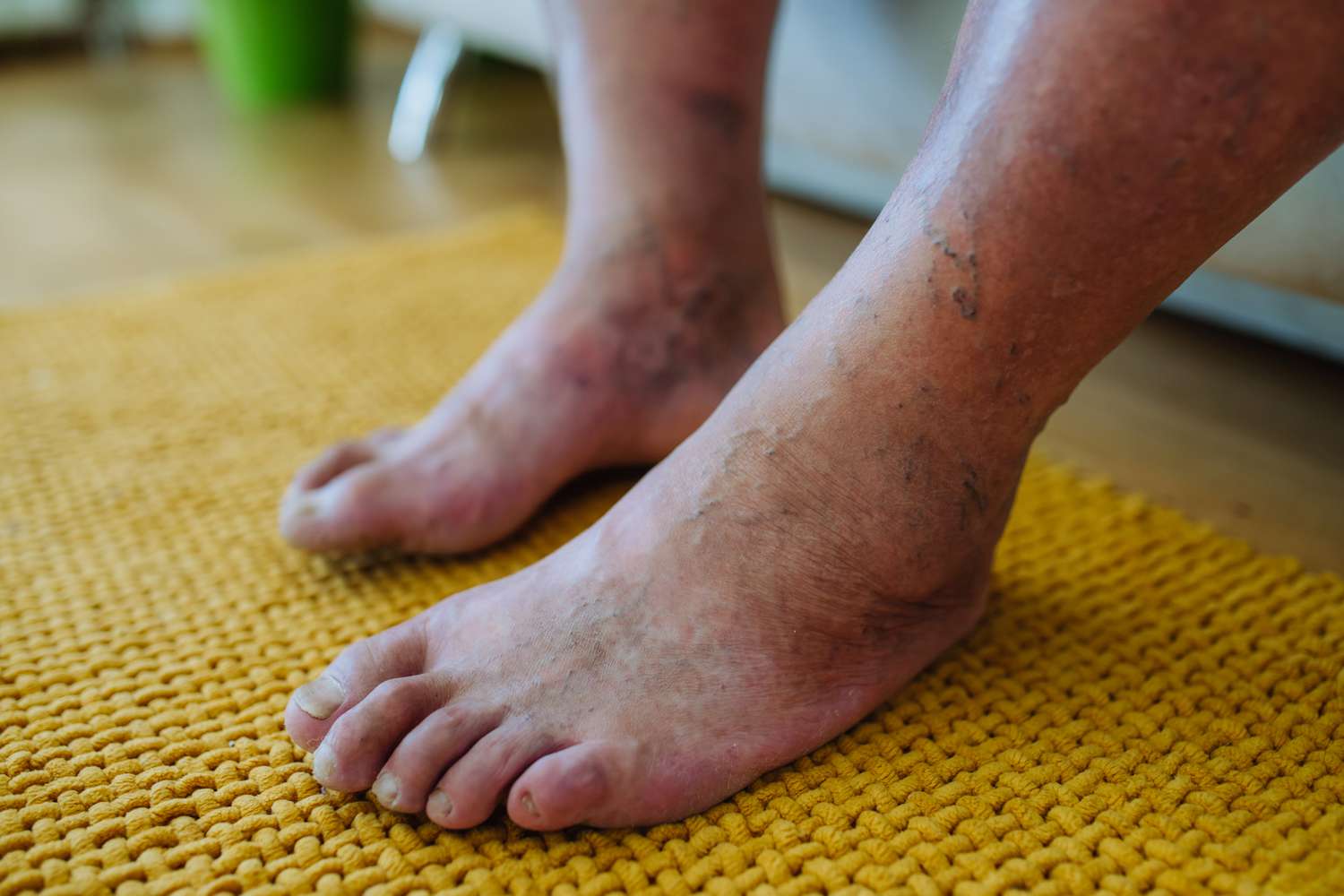
Diabetic foot problems, such as foot ulcers and neuropathy, are common complications of diabetes mellitus. These issues can arise due to nerve damage and poor blood flow, leading to open sores, infections, and changes in foot structure. Early symptoms include numbness, tingling, pain, dry skin, and changes in foot shape. Proper foot care, including wearing appropriate shoes, regular monitoring, and maintaining blood sugar levels, can help prevent complications. Treatment options range from wound dressings and antibiotics to surgery, depending on the severity of the condition. Regular foot checks and ongoing maintenance are crucial for healing and maintaining foot health in individuals with diabetes.
A reader asks Dr. Keith Roach about histamine intolerance and its connection to high-histamine foods. Dr. Roach explains that there is no evidence of a deficiency in the enzymes that metabolize histamine and that treatment with diamine oxidase (DAO) has not been proven effective. Instead, he suggests trying newer antihistamines like cetirizine or fexofenadine, along with an H2 antihistamine like famotidine. Another approach is using Cromolyn before eating. In another question, Dr. Roach addresses numbness and burning in the outer thigh, which could be a result of nerve compression known as meralgia paresthetica. He recommends avoiding compression, and if necessary, seeking a nerve block or using medications for neuropathic pain.
Researchers are conducting studies to reverse diabetic neuropathy, a common complication of diabetes that causes nerve damage and pain. The goal is to develop effective treatments that can alleviate symptoms and potentially reverse the condition, offering hope to millions of people living with diabetes.
Numbness in the feet can be a symptom of various medical conditions affecting the nervous or vascular systems, such as neuropathy or diabetes. It can also be caused by injuries or mental health conditions like anxiety. Home remedies like massage and compression socks can help alleviate symptoms, while treatment options may include medications, physical therapy, and surgery. Proper foot care and following healthcare provider's instructions are crucial for preventing complications, as chronic foot numbness can lead to foot ulcers and even amputation, particularly in cases of poorly controlled diabetes.
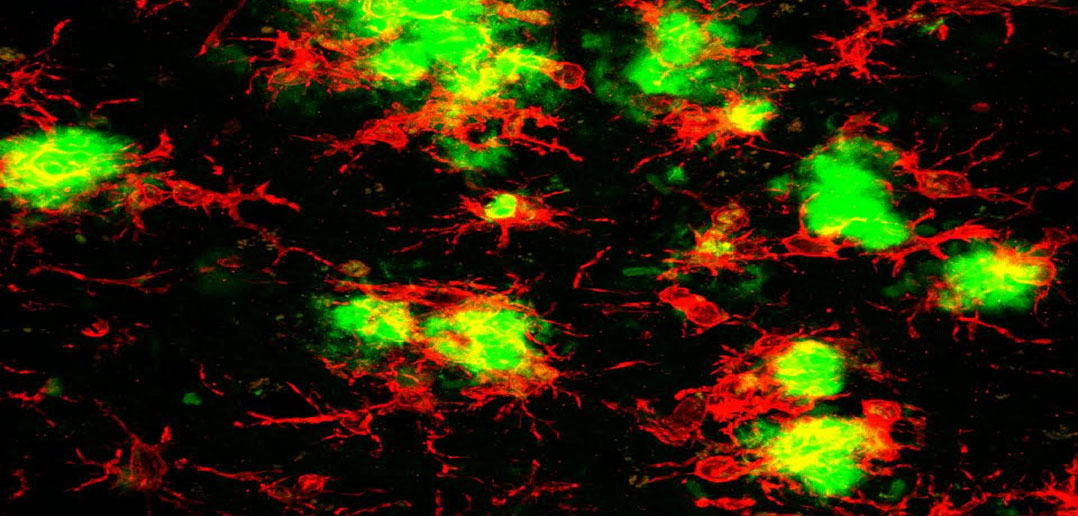
Chronic alcohol consumption can increase sensitivity to pain through two distinct molecular mechanisms: one related to alcohol intake and the other to alcohol withdrawal. Researchers at Scripps Research have discovered that neuroinflammation plays a key role in the development of chronic alcohol-induced allodynia and neuropathy. The study highlights two different conditions of alcohol consumption: excessive drinkers who develop alcohol dependence and moderate drinkers who make daily recreational alcohol consumption. These two different conditions showed different types of pain: withdrawal hyperalgesia in excessive drinkers who develop dependence and alcohol neuropathy in 50 percent of moderate drinkers.
Neuropathy is a catch-all term for damage to nerves that branch out from our brains and spinal cords to the rest of our bodies. Symptoms include tingling or pain in feet or hands, feeling weak or unsteady in feet and legs, muscle cramping or twitching, and abnormalities in pulse or blood pressure. Neuropathy can have many causes, can affect one nerve or many, and can have different treatments and varying outlooks. It’s important to get a diagnosis so you can get the right care. It is possible to reduce your risks for many common forms of neuropathy by eating healthy, exercising regularly, avoiding toxic chemicals, smoking and heavy alcohol use, as well as repetitive motions and cramped positions that put pressure on nerves.
Diabetes patients in India are at a high risk of developing foot ulcers and amputations due to related complications such as peripheral artery disease (PAD) and diabetic neuropathy. Uncontrolled diabetes can damage nerves and blood vessels, leading to reduced sensation and poor circulation in the feet. Patients should check their feet daily for blisters, cuts, and sores, wash them in lukewarm water, and avoid removing calluses or lesions themselves. It is important to seek medical attention for any foot-related issues to prevent further complications.
Diabetes patients in India are at a high risk of developing foot ulcers and amputations due to related complications such as peripheral artery disease (PAD) and diabetic neuropathy. Uncontrolled diabetes can damage nerves and blood vessels, leading to reduced sensation and poor circulation in the feet. Patients should check their feet daily for blisters, cuts, and sores, wash their feet daily, and avoid removing calluses or other foot lesions themselves. It is important to seek medical attention for any foot-related issues to prevent further complications.