The article discusses the recent conflict between networks and affiliates over the airing of Jimmy Kimmel's show, highlighting how Nexstar and Sinclair temporarily pulled the show in protest of comments made by Kimmel, and the broader implications for the future of local TV, network-affiliate relations, and industry power dynamics.

In 2025, numerous TV shows across various networks and streaming platforms have been canceled, including 61 major series from networks like CBS, ABC, Fox, HBO, and streaming services such as Paramount+, Prime Video, and Peacock, with some shows lasting over 23 years.
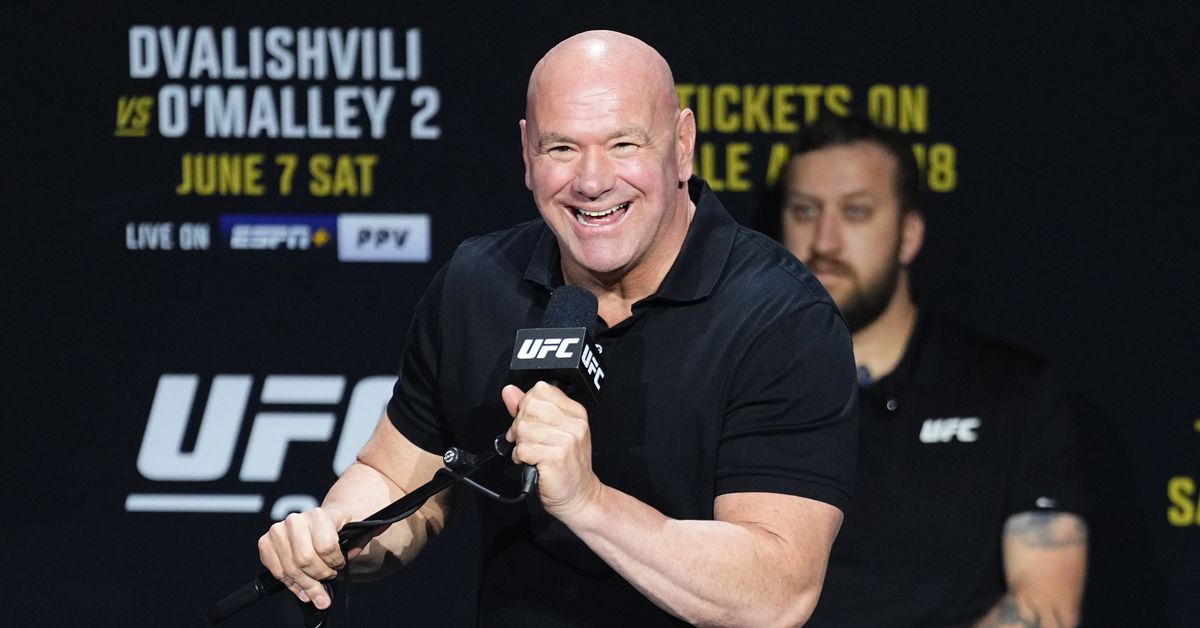
The UFC is in ongoing negotiations for a new broadcast rights deal, with multiple networks interested, including ESPN, Netflix, Amazon Prime, and Warner Bros. Discovery. The deal may be split among several outlets, and negotiations could extend until September, with the UFC seeking around $1 billion annually. The outcome remains uncertain as discussions continue.
The article discusses the potential shutdown of several cable TV networks by 2025 due to declining viewership, increased competition from streaming services, and industry restructuring, highlighting networks like Cartoon Network, Boomerang, Teen Nick, Disney XD, Disney Jr., Nick Jr., Nat Geo Wild, BET, MTV, and FXX as most vulnerable.
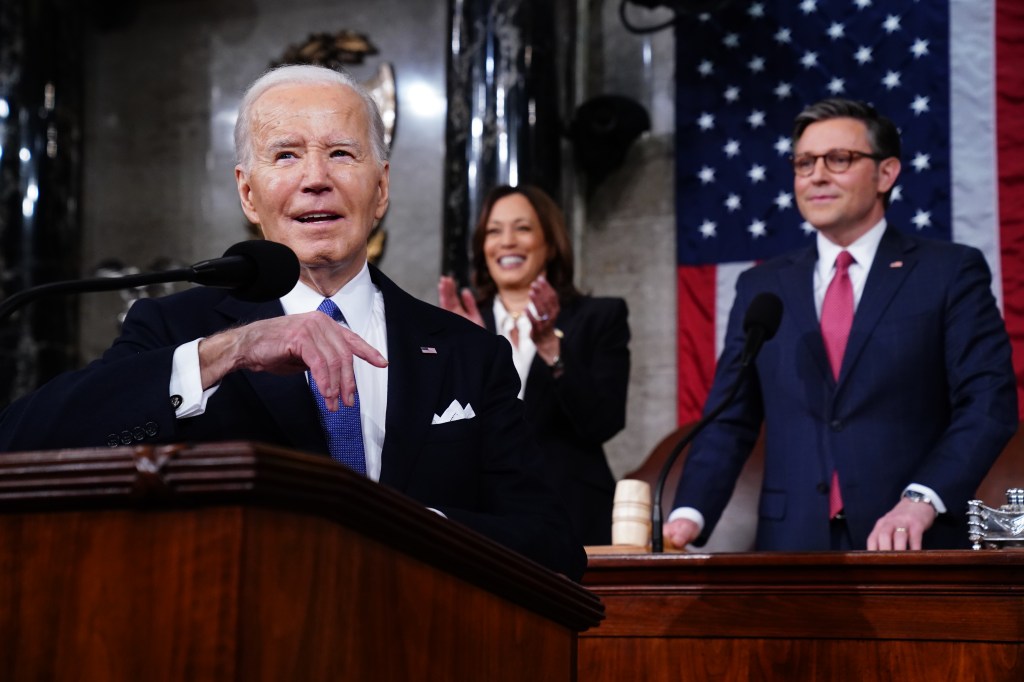
President Joe Biden's State of the Union address drew 32.3 million viewers, marking an 18% increase from last year, with Fox News leading in viewership. The majority of viewers were 55 or older, and broadcast coverage accounted for 56% of the audience. In the 25-54 demographic, NBC News was on top, while Fox News led among cable networks. This marks Biden's second-largest audience for an address to a joint session of Congress, following his 2021 speech which drew 38.2 million viewers.
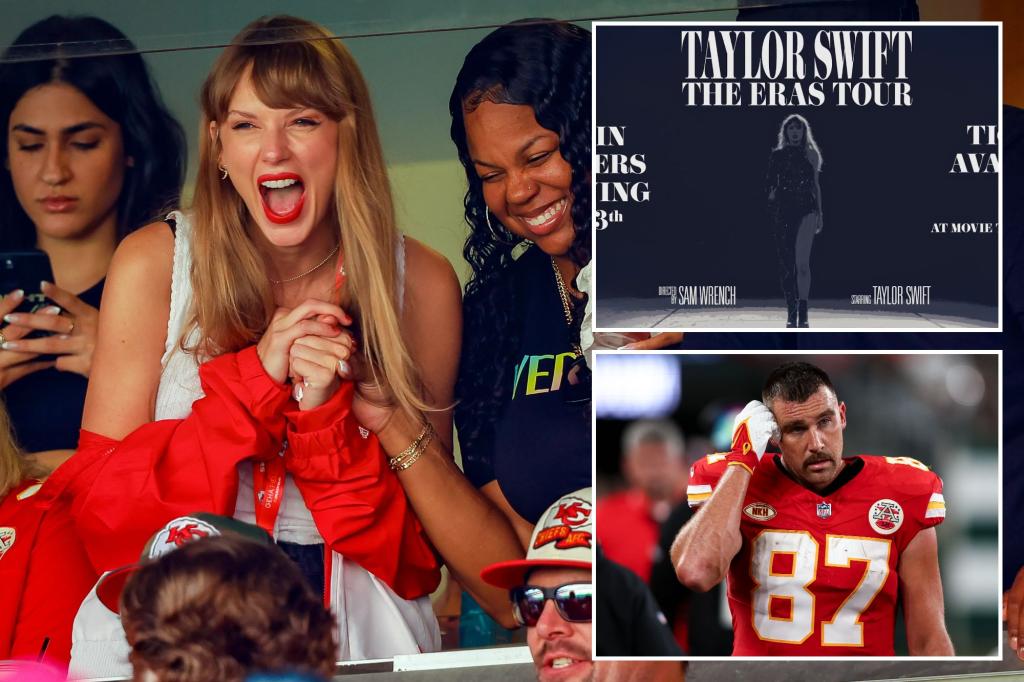
The NFL has requested networks like NBC and ESPN to show promos for Taylor Swift's upcoming movie for free, with NBC even featuring a paid commercial during a game. While the end game for the NFL's interest in Swift remains unclear, speculation suggests it may be related to securing her for a Super Bowl halftime show, which she has never done before. Despite her popularity, Swift's presence has not significantly impacted TV ratings, and the NFL's efforts to promote her seem more like an ask than an order.
ABC, CBS, FOX, NBC, and other major networks have formed the Preserve Viewer Choice Coalition to advocate for their interests in a battle against local station owners over a potential rule change by the FCC. The local station owners want the ability to individually negotiate deals with live TV streaming services, while the major networks argue that this would limit consumer choice. The outcome of this battle could impact the availability of local channels on streaming services. Other members of the Preserve Viewer Choice group include Fubo, Roku, Telemundo, and Univision.
Recent advances in neuroscience have revealed that imagination is a complex process that engages multiple brain regions and networks, including the hippocampus, frontoparietal control network, and default mode network. These regions work in tandem, dynamically coupling and decoupling, to support the complex operations underlying imagination. The neural underpinnings of imagination are distributed across the brain, and the sensorimotor systems also play a role in imagination. Future research should focus on how these networks interact over time and across different imaginative tasks.
Researchers from Bar-Ilan University in Israel have solved the diversity-stability paradox, a 50-year-old puzzle in ecology, by showing that the heterogeneity of interaction patterns in social, biological, and technological networks enhances stability and makes them extremely robust against external forces. Large and heterogeneous complex networks not only can be stable, but, in fact, they often must be stable. This discovery can offer new guidelines for designing stable infrastructure networks that can protect against viable threats and strengthen the resilience of crucial ecosystems.