In 2025, Fox and CBS led the primetime TV ratings, boosted by the Super Bowl and strong programming, while networks like Families and Dr. Phil's Merit Street declined significantly. Nielsen's new data methods caused some rating fluctuations, with sports and live events helping certain networks like ESPN and TruTV to perform well. Overall, traditional TV networks experienced varied fortunes, with some gaining viewers and others losing ground amid streaming competition.
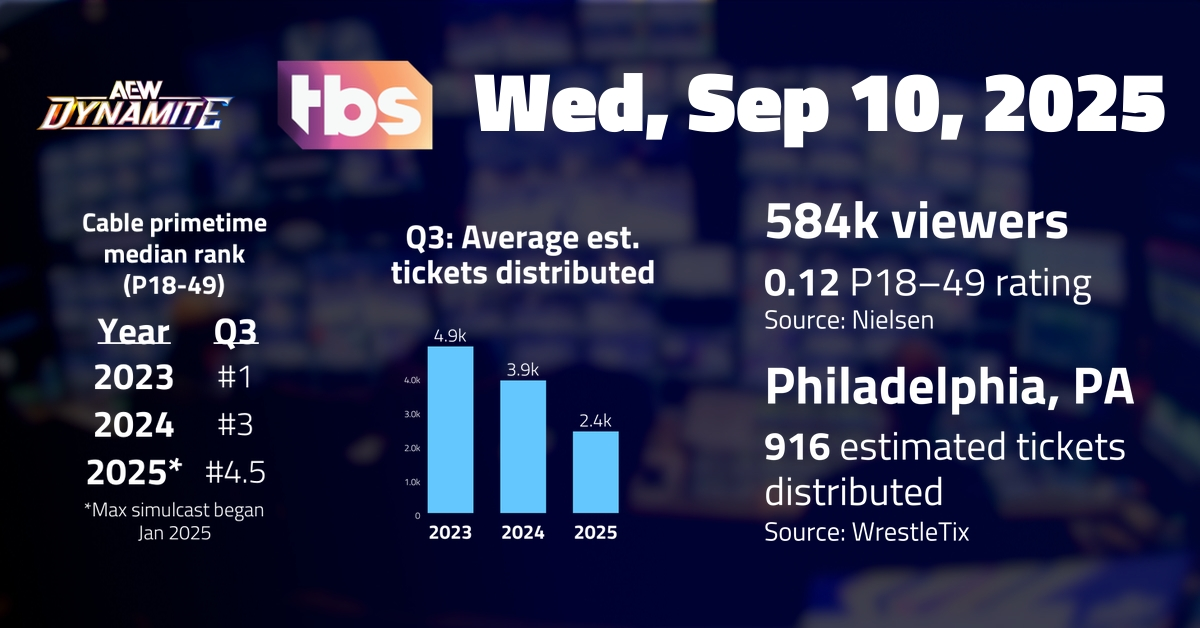
AEW Dynamite on TBS on September 10, 2025, drew 584,000 viewers with a 0.12 P18-49 rating, ranking around #7 on cable for the night. The episode saw a 24% increase from the previous week but remains below the 2024 averages, reflecting a decline in viewership year-over-year.
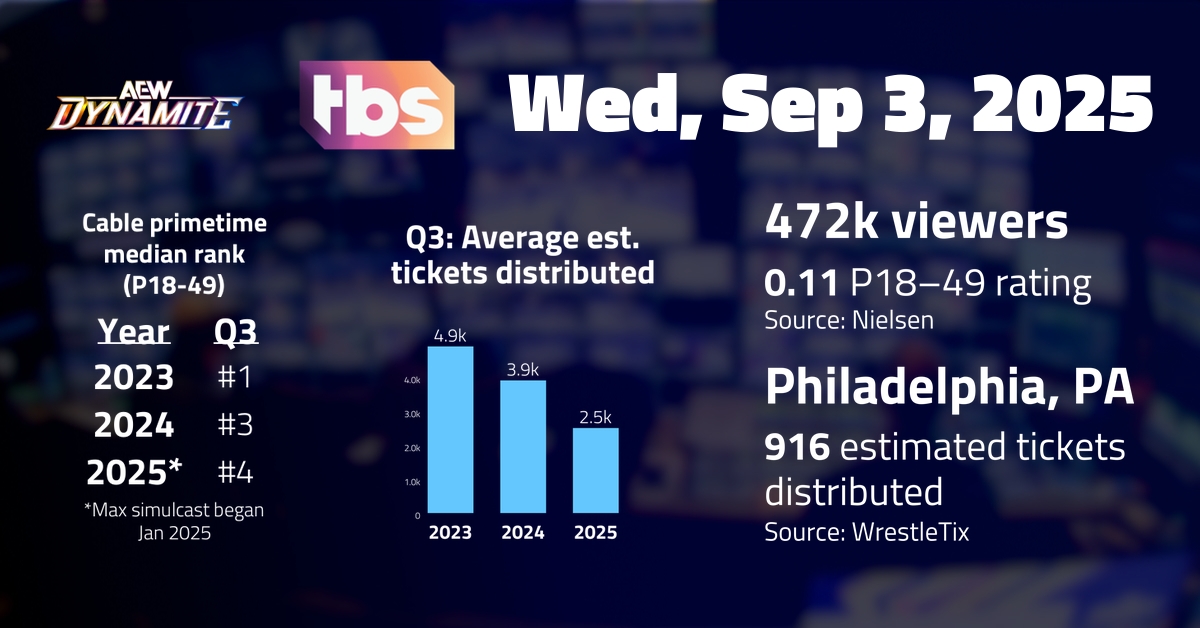
AEW Dynamite on TBS on September 3, 2025, drew 472,000 viewers, marking the lowest cable audience and P18-49 rating in the show's history, with a significant decline compared to previous weeks and the same period last year.
ESPN has launched a new direct-to-consumer streaming service, but it appears to prefer that existing cable subscribers do not switch, as the network still benefits financially from the traditional cable bundle and is hesitant to fully embrace cord-cutting. The service costs $30/month and aims to attract new viewers outside the cable ecosystem, but ESPN's strategy seems to balance between monetizing current cable deals and exploring digital options.
The article discusses the potential shutdown of several cable TV networks by 2025 due to declining viewership, increased competition from streaming services, and industry restructuring, highlighting networks like Cartoon Network, Boomerang, Teen Nick, Disney XD, Disney Jr., Nick Jr., Nat Geo Wild, BET, MTV, and FXX as most vulnerable.
Warner Bros Discovery is splitting into two companies amid industry upheaval, with its streaming and studios business focusing on competition with tech giants, while its legacy networks face decline. The move reflects broader challenges in the cable TV industry, which is shrinking due to the rise of streaming services like Netflix, and highlights ongoing strategic shifts and potential future deals in the media landscape.
Warner Bros Discovery plans to split into two companies by mid-2024, separating its streaming and studio businesses from its traditional cable networks like CNN and TNT, aiming to better focus and value each segment amid shifting media consumption trends.
Warner Bros. Discovery's stock surged after announcing a planned breakup into two companies, separating its streaming and movie assets from its cable channels, but analysts warn the move may be too late to reverse declining revenues and consumer shifts away from cable TV, casting doubt on the sustainability of the recent gains.
Warner Bros. Discovery is conducting a new round of layoffs primarily affecting its cable TV divisions, including networks like Discovery Channel and TLC, as part of a broader restructuring following financial challenges and a company split into two divisions. This move mirrors similar actions by other media giants like NBCUniversal and Disney, amid declining revenues and profits in the traditional linear networks sector.
Comcast is spinning off MSNBC and other cable networks into a separate company, valued at $7 billion, as streaming video increasingly dominates TV viewing. This move will separate MSNBC from NBC News, though NBC will continue to provide news services to the channel. The spinoff raises questions about MSNBC's future, including its branding and talent salaries, amid a shifting media landscape. Despite past tensions, MSNBC has thrived as a liberal news outlet, especially during the Trump era, but now faces challenges as part of a new corporate structure.
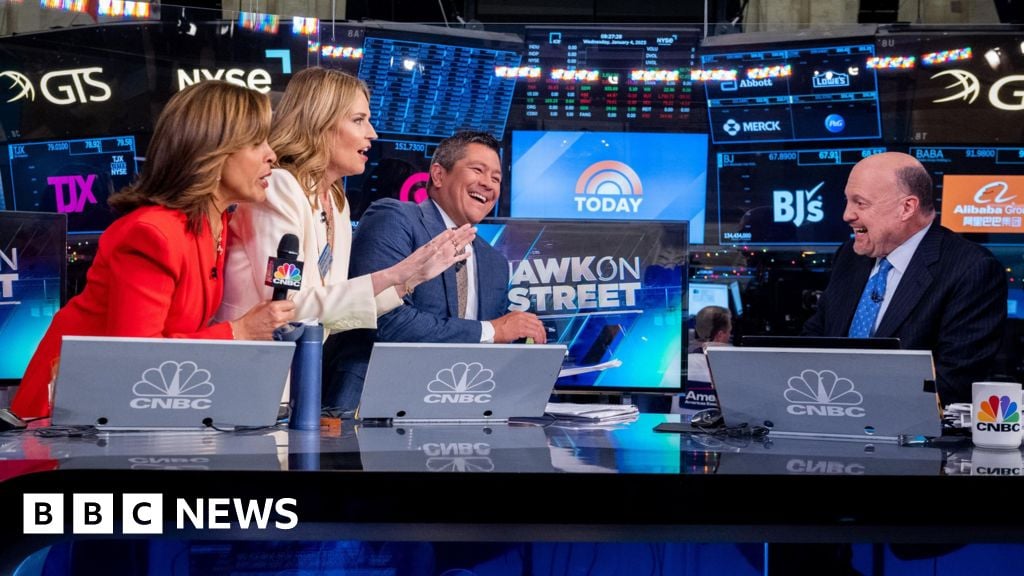
Comcast plans to spin off its NBCUniversal cable TV networks, including CNBC and MSNBC, into a new company amid the rise of streaming services like Netflix. The new entity, expected to be completed in a year, will include channels such as USA, E!, Syfy, and the Golf Channel, which collectively generated $7 billion in revenue last year. Comcast will retain its NBC broadcast network, film and TV studios, theme parks, and Peacock streaming service. This move aims to position Comcast for growth and potential acquisitions in the cable TV sector.
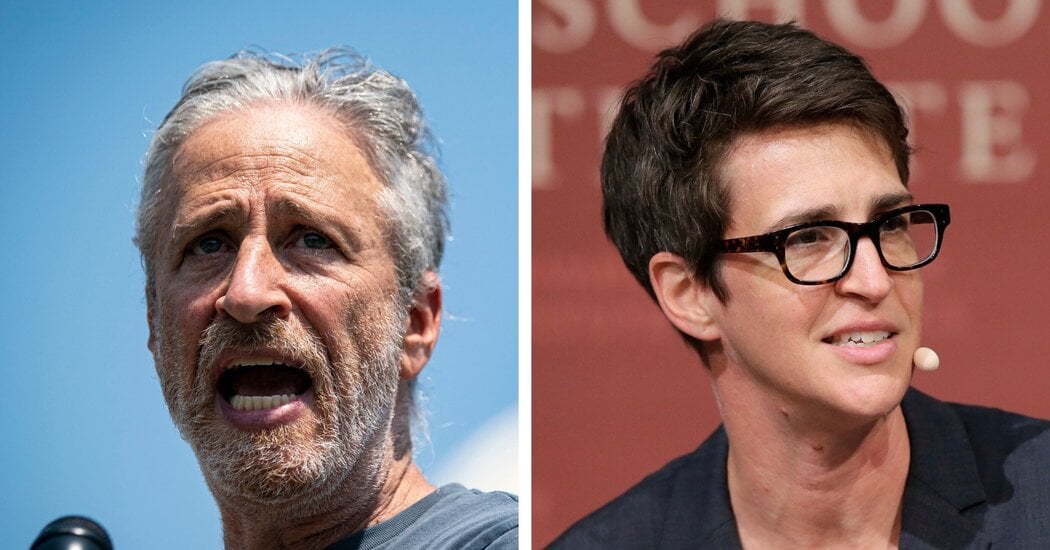
Jon Stewart and Rachel Maddow are drawing liberal viewers back to cable TV on Monday nights with their once-a-week shows, providing comfort and familiarity during a tense election period. Their programs have become top-rated, highlighting the enduring appeal of these seasoned TV personalities.
The streaming landscape is increasingly resembling the old cable bundle model, with companies like Disney and Warner Bros. Discovery teaming up to offer combined services. This shift comes as the industry grapples with profitability issues and consumer fatigue from managing multiple subscriptions, leading to the reintroduction of bundled packages and ad-supported tiers.
Paramount Global and Charter Communications have signed a multi-year carriage deal that keeps Paramount's networks available to Charter customers and includes free access to the Paramount+ Essential and BET+ Essential tiers for Spectrum TV subscribers. The deal also allows Charter to market Paramount's direct-to-consumer products to its internet-only customers, with revenue sharing for new subscriptions and upgrades. This agreement comes at a crucial time for Paramount, which is undergoing leadership changes and potential acquisition talks. Unlike Disney's recent deal with Charter, Paramount's agreement includes all its current cable networks.
ESPN, facing declining cable TV subscriptions, is adapting its business model by launching a new streaming service in partnership with Warner Bros. Discovery and Fox to target noncable customers. With traditional revenue sources eroding, the network is seeking to reinvigorate growth in an increasingly fragmented media landscape.