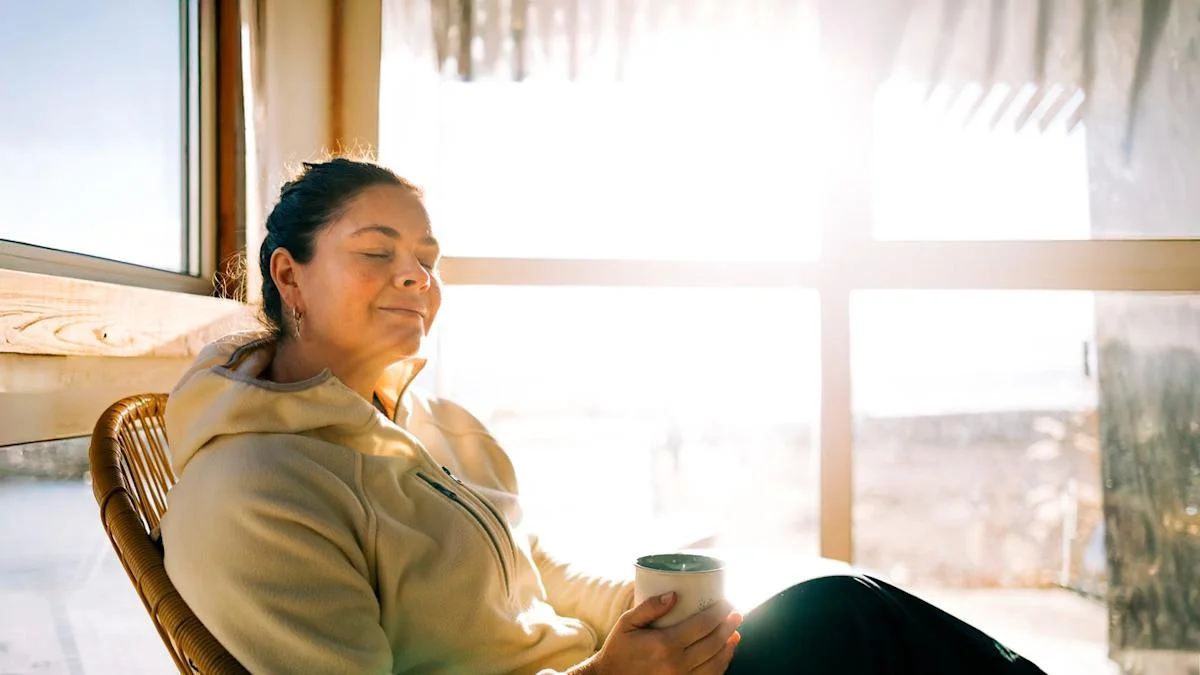
A small study suggests that exposure to natural light through windows may help improve blood sugar control in older adults with type 2 diabetes, possibly due to vitamin D or light-sensitive cells affecting metabolism, but it should complement, not replace, existing management strategies.
The article offers four research-backed strategies to combat the winter blues: building structured routines, spending time outside to get natural light, cultivating joy through engaging activities, and practicing mindfulness and meditation to reduce stress. These approaches can help improve mood and resilience during the darker, colder months, transforming winter into a season of growth and renewal.
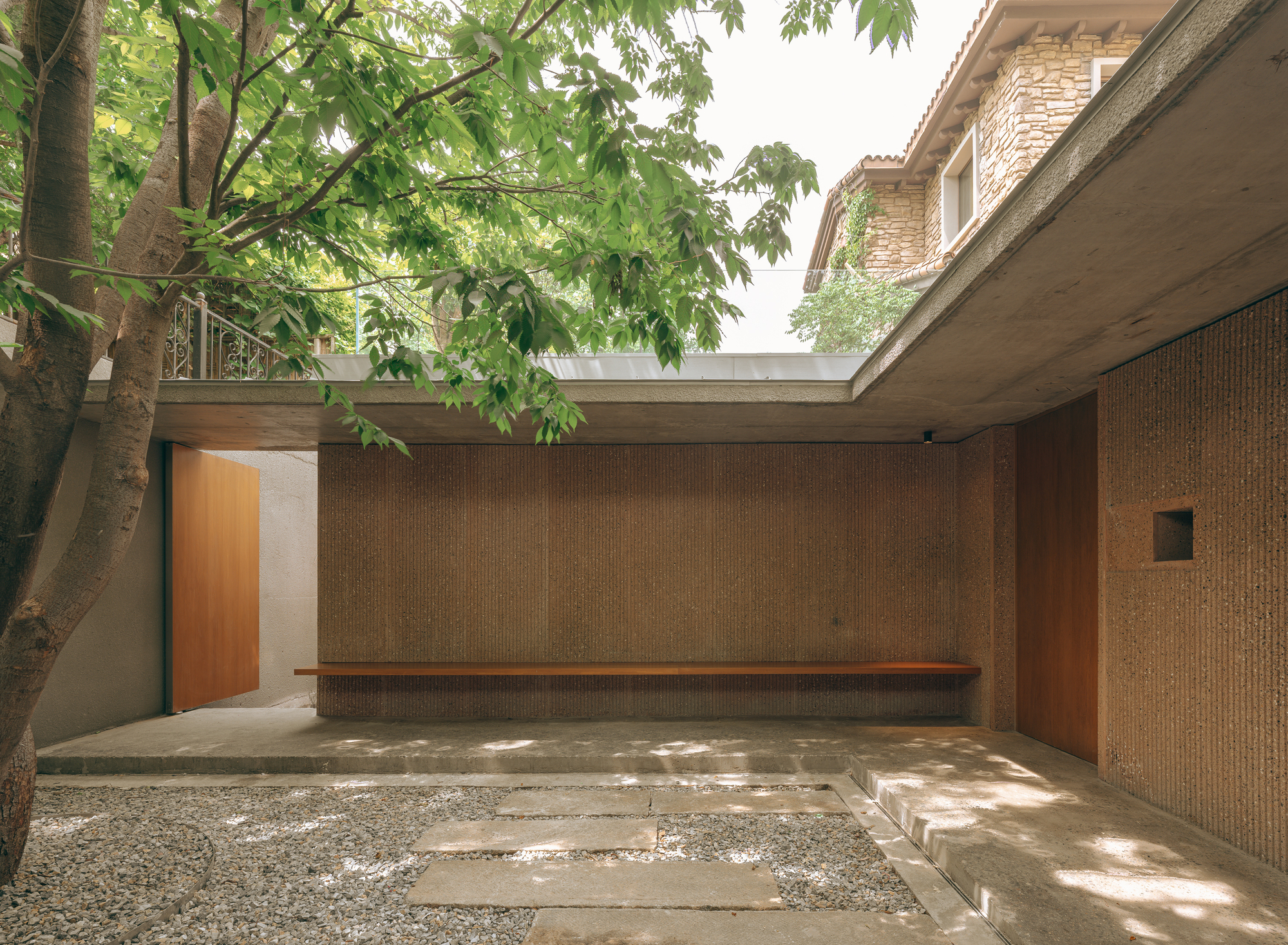
House M, designed by Atelier About Architecture and completed in 2025 in Beijing, is a multi-story residence that emphasizes horizontal layering through five courtyards, creating a fluid, interconnected space that captures natural light and reflects nostalgic memories. The design incorporates customized pigmented concrete panels, blending old and new, to evoke a serene and tactile environment that deepens family interactions and personal memories.
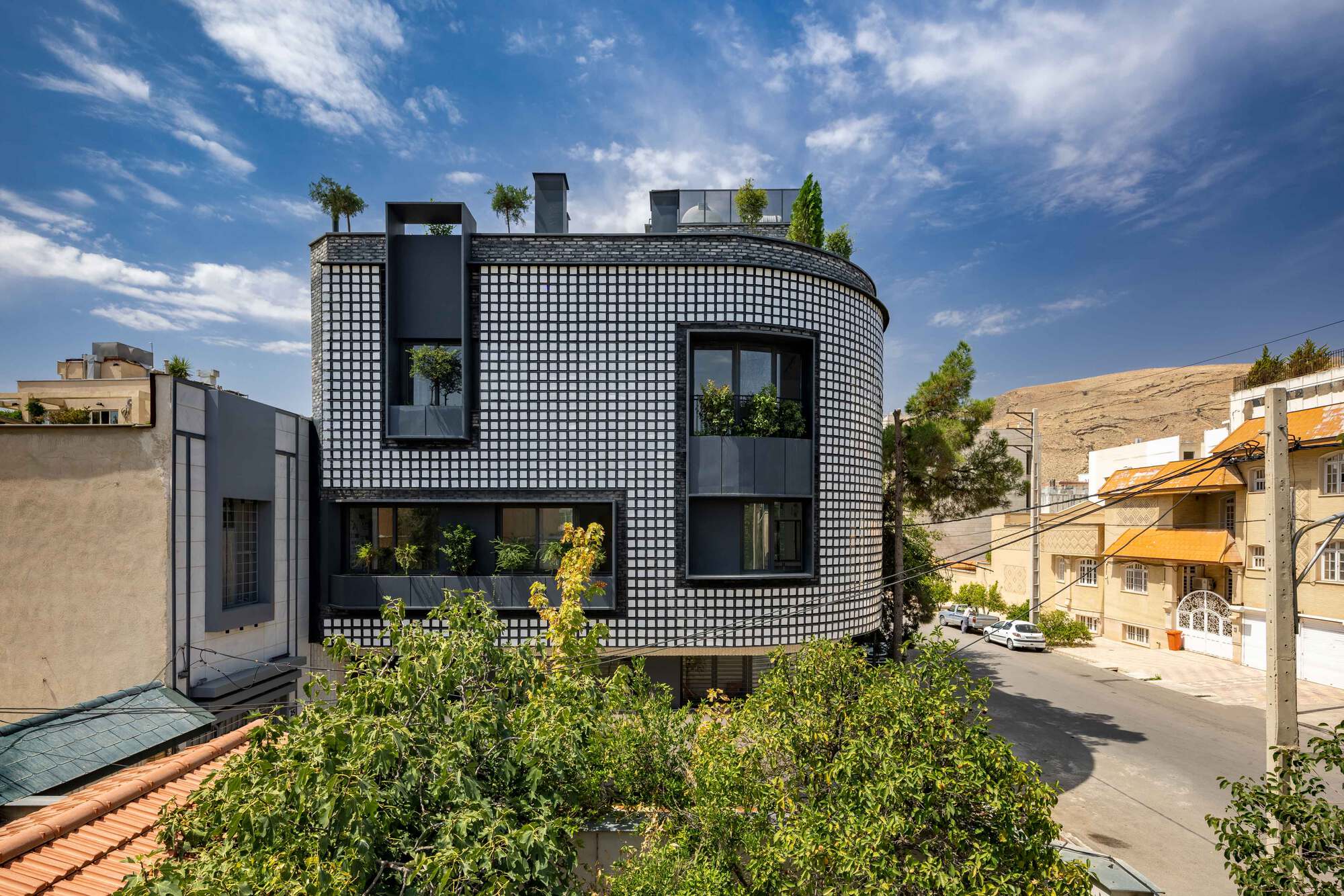
The Downwind Residential Apartment, designed by Ashari Architects, seamlessly integrates with its urban surroundings while offering a unique living experience. The three-story building features subtle undulations and depressions to align with the existing skyline and maximize natural light. The design prioritizes a connection to the environment, with private terraces, a rooftop with various amenities, and a shell surface on the western facade that shields against sunlight. Inspired by the natural dance of leaves in the wind, the building's exterior shell provides both aesthetic appeal and functional shelter from prevailing winds, creating a dynamic visual effect and engaging the senses of passersby.
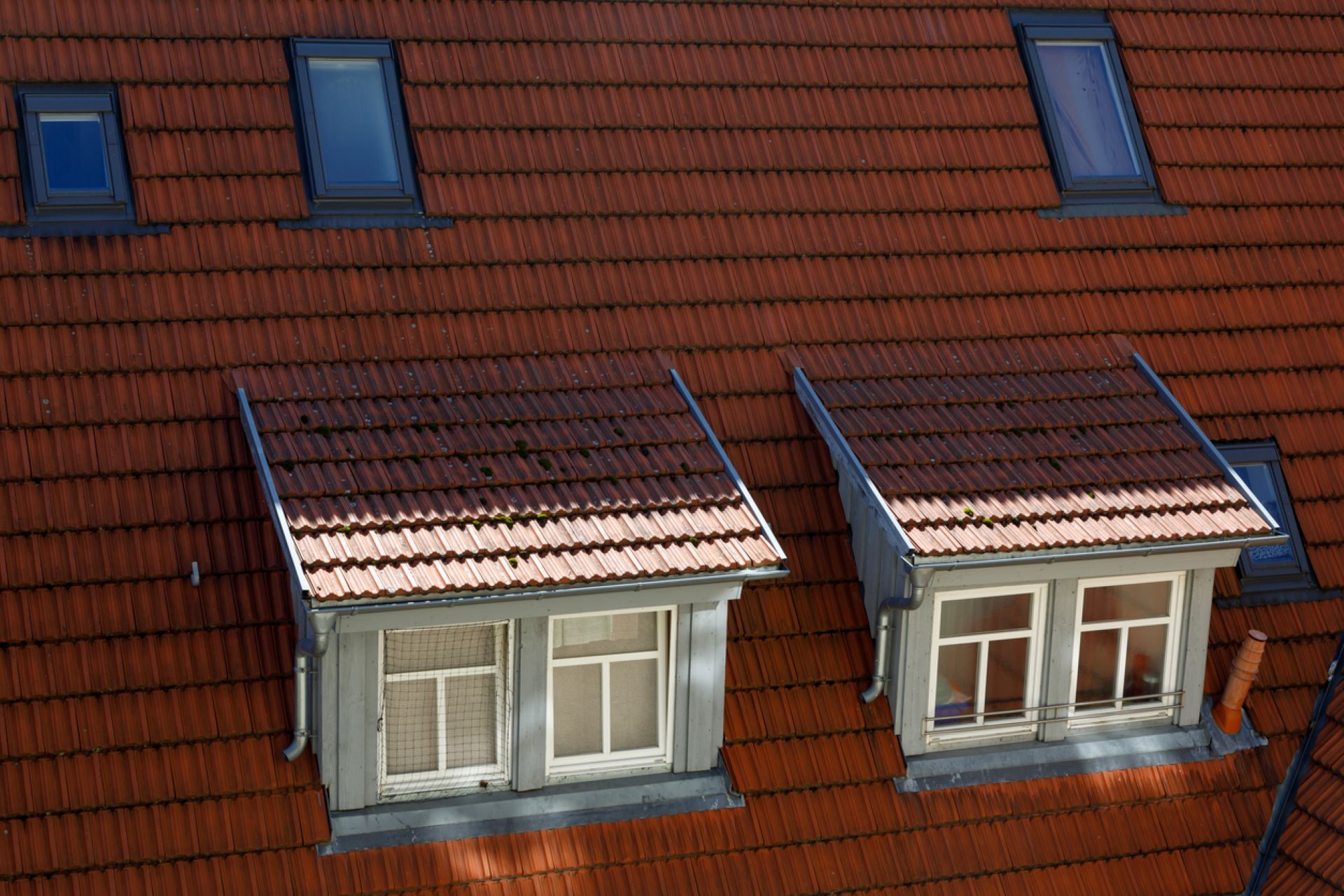
A homeowner shared photos of their newly installed solar tubes, which are miniature skylights designed to maximize sunlight into living spaces without using electricity. The Reddit thread revealed that the installation cost $1,944 for three tubes and took about 6 hours. The homeowner expressed satisfaction with the amount of light provided and noted positive feedback from a house sitter and a plant dealer, indicating the effectiveness of solar tubes in brightening up living spaces.
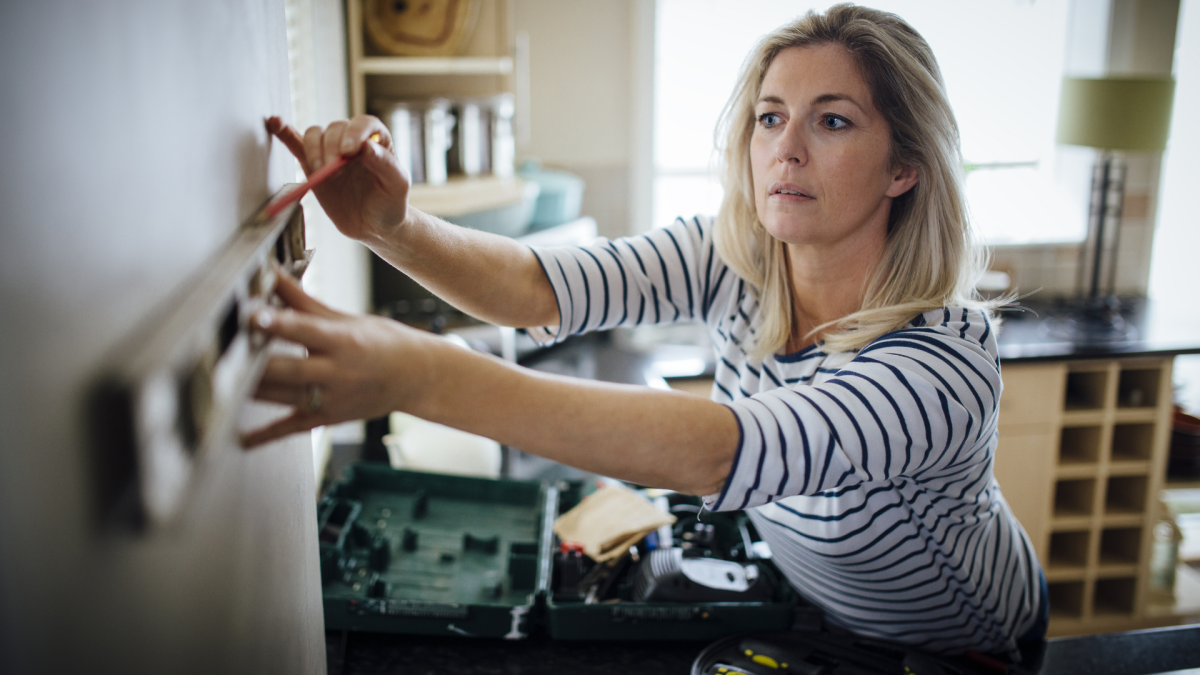
Home renovations can significantly improve your quality of life beyond just adding value to your property. Enhancing natural light, reducing noise, installing ceiling fans, using a programmable thermostat, adding privacy fencing, relocating the laundry room, covering outdoor spaces, painting, and incorporating storage can all contribute to a more comfortable and enjoyable living environment. These improvements not only enhance the aesthetics of your home but also have a positive impact on mental and physical well-being.
Resetting your circadian rhythm, or internal clock, can be achieved by paying attention to natural signs of sleepiness and wakefulness, gradually shifting sleep-wake times, getting natural light exposure during the day, and practicing good sleep hygiene. Avoiding caffeine after lunch, keeping the bedroom dark and quiet, and using the bed only for sleep, sex, and sickness are also recommended. While caffeine can provide a temporary boost in alertness, it does not replace the restorative effects of sleep and can disrupt the circadian rhythm if consumed too late in the day. Melatonin supplements, often marketed as sleep aids, are more of a sleep regulator than a sleep initiator and should be used with caution as they are not regulated or standardized by the FDA. If sleep issues persist, it is advisable to seek help from a healthcare professional.
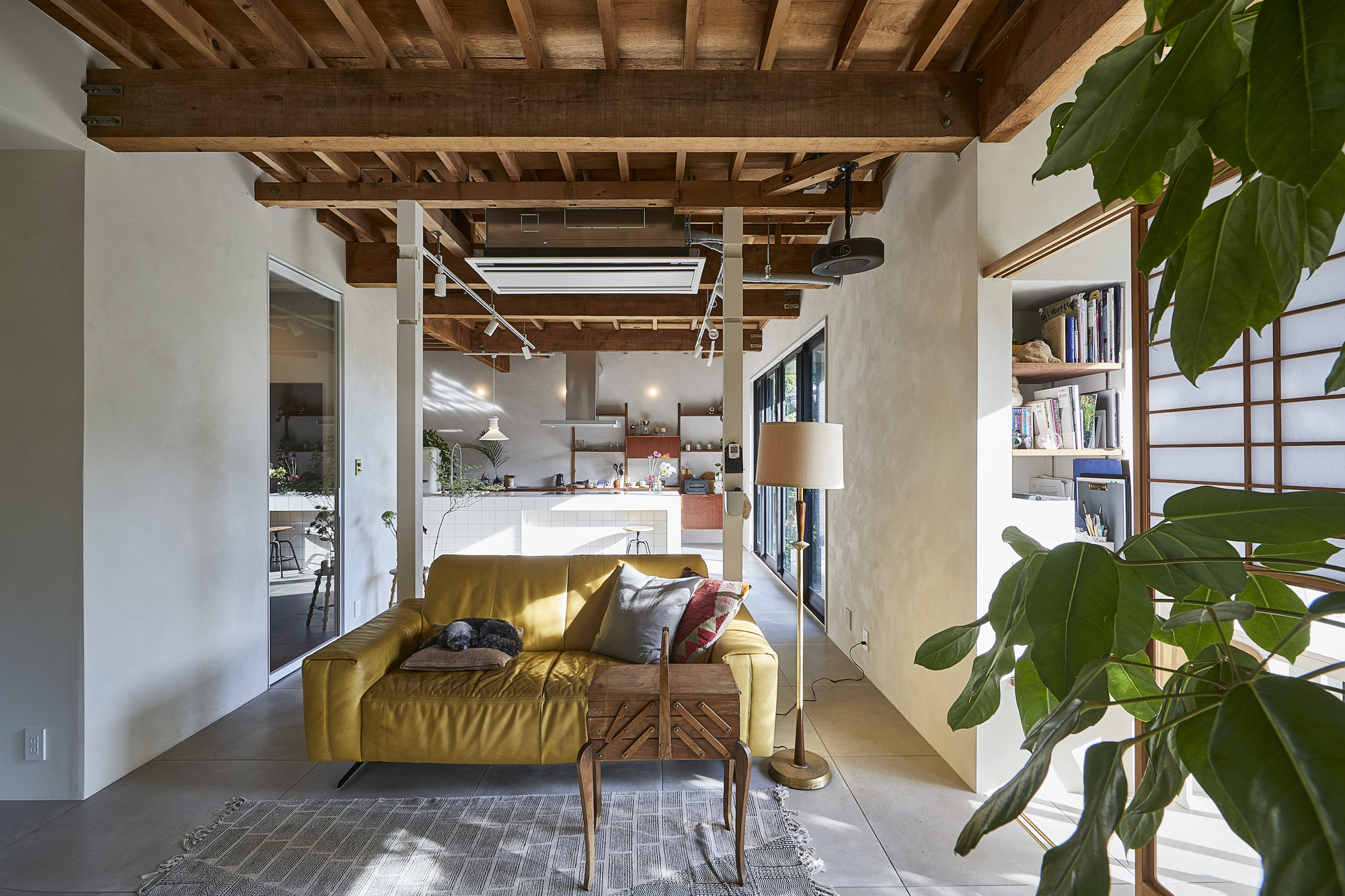
Kamakura House, located in Ōmachi, Kamakura, has undergone a renovation to create a more efficient and spacious living environment. The dividing walls between the kitchen, living, and Japanese-style rooms were removed, resulting in a large kitchen and living room that spans the entire north-south direction of the plan. The renovation blends old and new elements harmoniously, with exposed wooden structures, large-sized reflective tiles, and a mix of traditional and modern materials. The house now features ample natural light and a secondary dining spot, making it a central hub for the family.
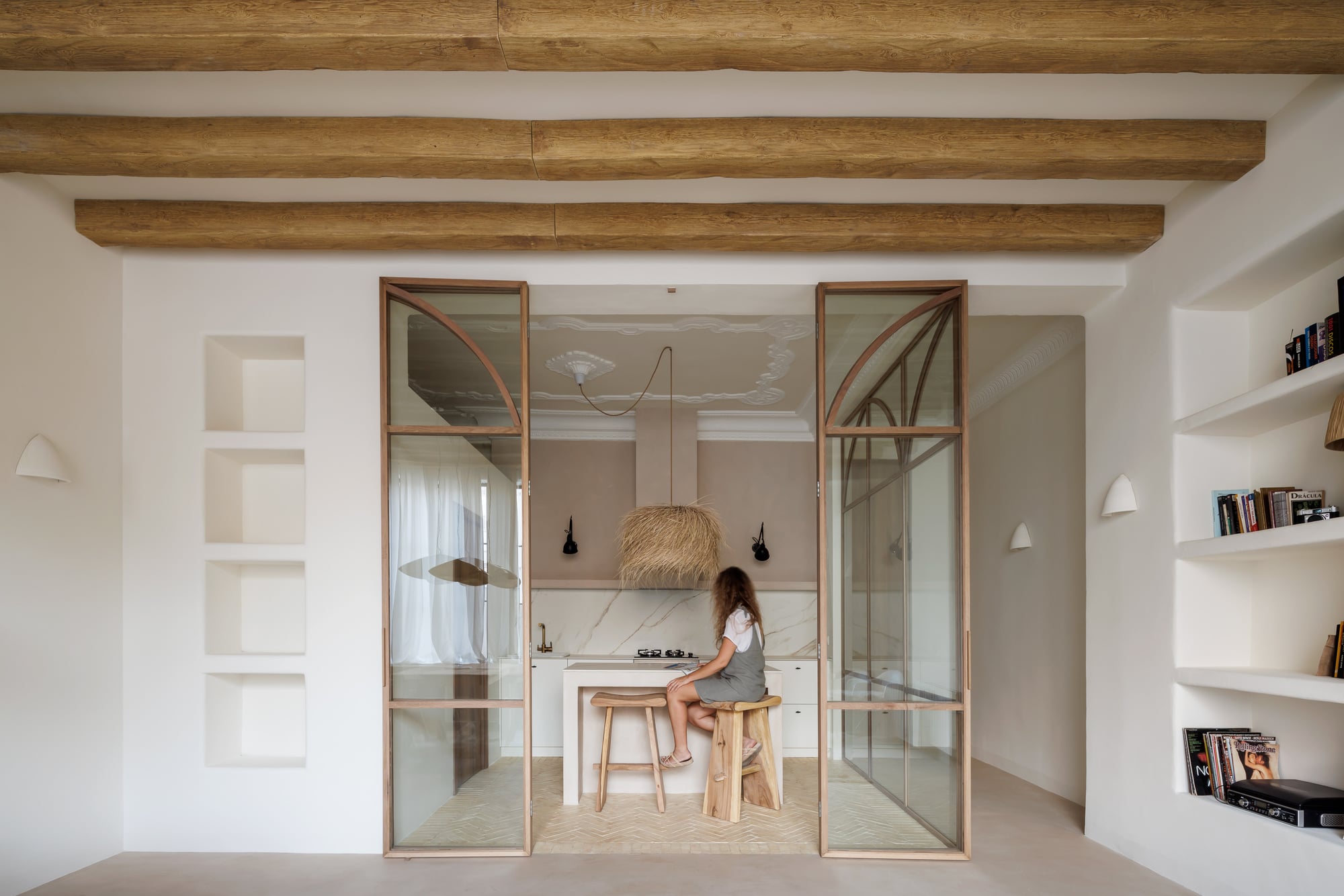
Brisa Home, a project by Volca Interiores, showcases an integral reform that emphasizes the use of traditional materials such as handmade clay, stone, and wood. The combination of these materials with micro cement flooring creates a clean and harmonious effect throughout the space. The distribution of the house has been inverted to prioritize natural light and open spaces, with the terrace taking center stage. The design incorporates warm and indirect lighting, highlighting the texture of the walls and fixed furniture. The result is a warm and cozy atmosphere that blends traditional Mediterranean architecture with contemporary elements.
A private dwelling in Tokyo, Japan, called House with a Membrane Roof, features a unique tubular membrane roof that allows natural light to diffuse throughout the interior. Designed by Yuko Nagayama & Associates, the 60 sqm residence maximizes limited space by incorporating an indoor garden in the skylit atrium. The second floor serves as a lively public area, while the ground floor provides a serene sanctuary with subdued lighting. The contorted shape of the roof, made possible by a flexible membrane material, creates a visually striking effect and facilitates natural ventilation. The roof acts as a "skin-like layer," transmitting exterior changes to the interior and transforming the sensory experience.
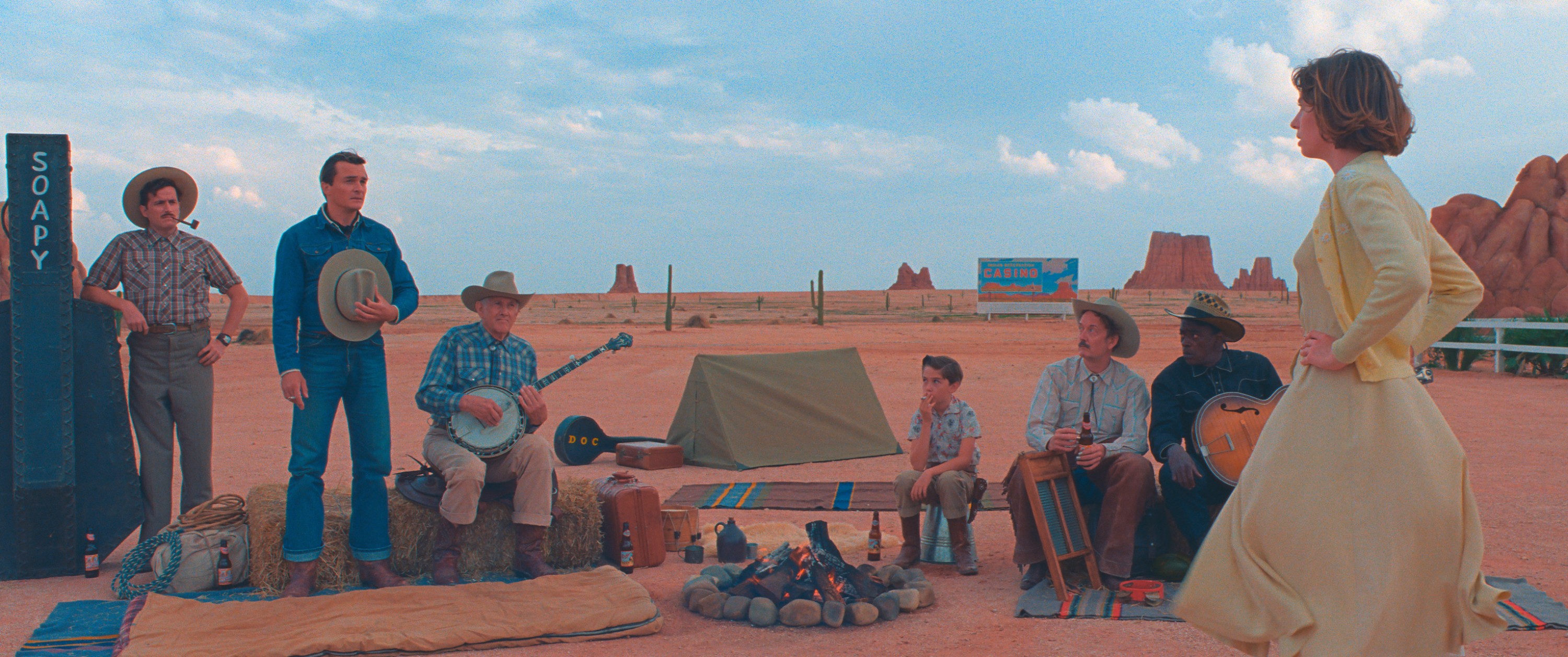
Wes Anderson's "Asteroid City" used natural light and simplified sets to create a lo-fi approach to filming. Cinematographer Robert Yeoman pre-lit everything for the black-and-white theater scenes, while the desert scenes relied on harsh sunlight. Yeoman also faced the challenge of executing Anderson's complicated camera moves, which required precise coordination with the director's deep-focus, symmetrical compositions. The film was shot on film to maintain focus and energy on set.
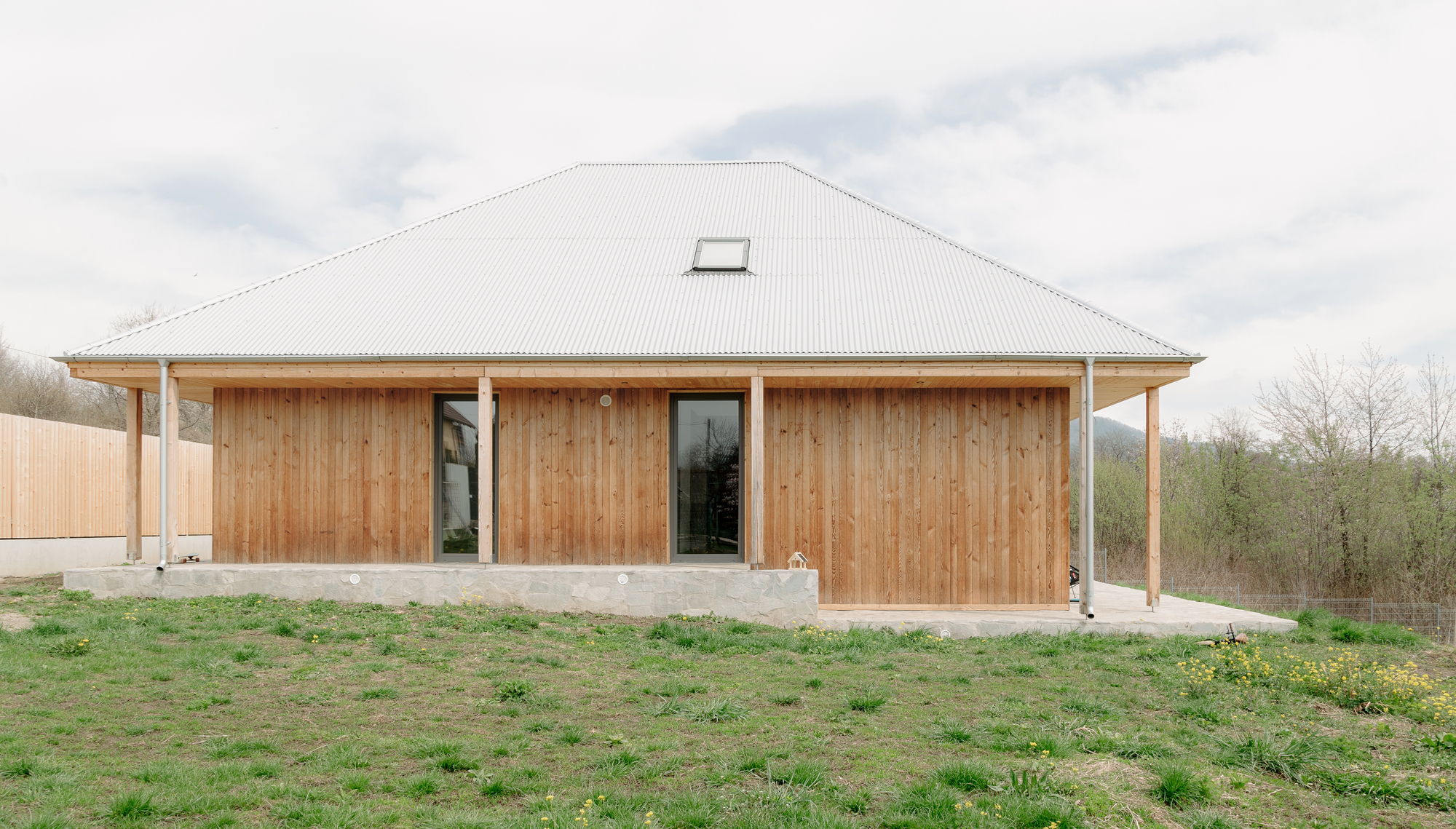
The MDP House, designed by Vinklu, is a ground floor house located in Piatra Neamt, Romania. The house is designed without hallways and features a perimeter veranda that dissolves the boundary between the inside and outside. The living room is vertically developed, offering a natural continuation of the living space and a concentration of space at the scale of each user through the "panorama" window. The house is executed with local materials and teams and is designed for future development.
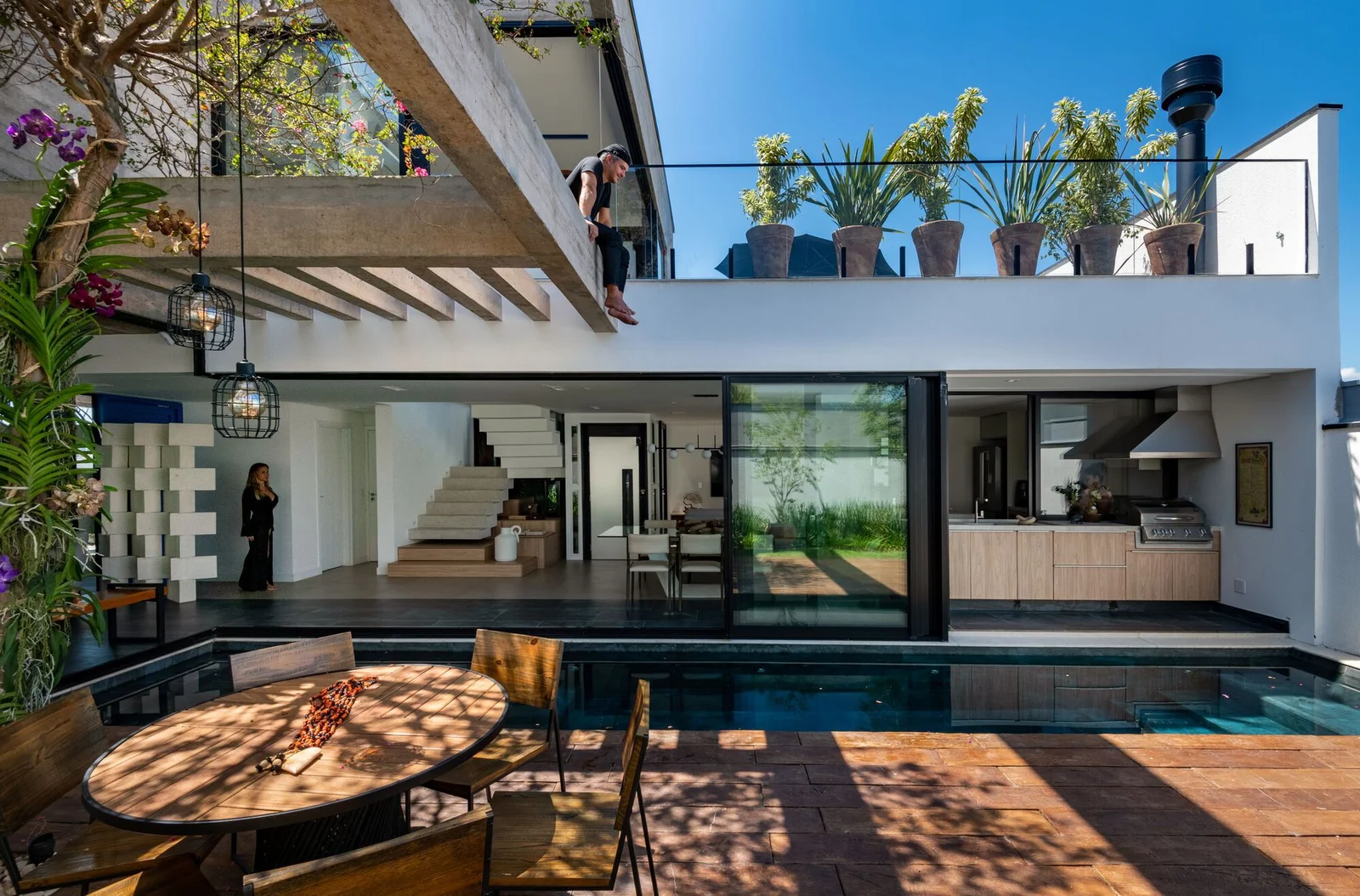
GRBX Arquitetos has designed House RZR, a dream country house that seamlessly integrates social spaces with the external environment. The ground floor features concrete latticework elements on the facade to provide privacy and balance with the blue box of the entrance. The sliding doors, windows, and permeable enclosures provide thermal comfort, cross ventilation, and lighting while ensuring privacy. The house is supported by a few pillars, with only one visible and prominently shaped like a V, which supports a span of approximately 12 meters and creates a sculptural element in the transition between the interior and exterior. The entire roof of the residence houses solar panels for water heating and photovoltaic energy generation, ensuring energy efficiency.
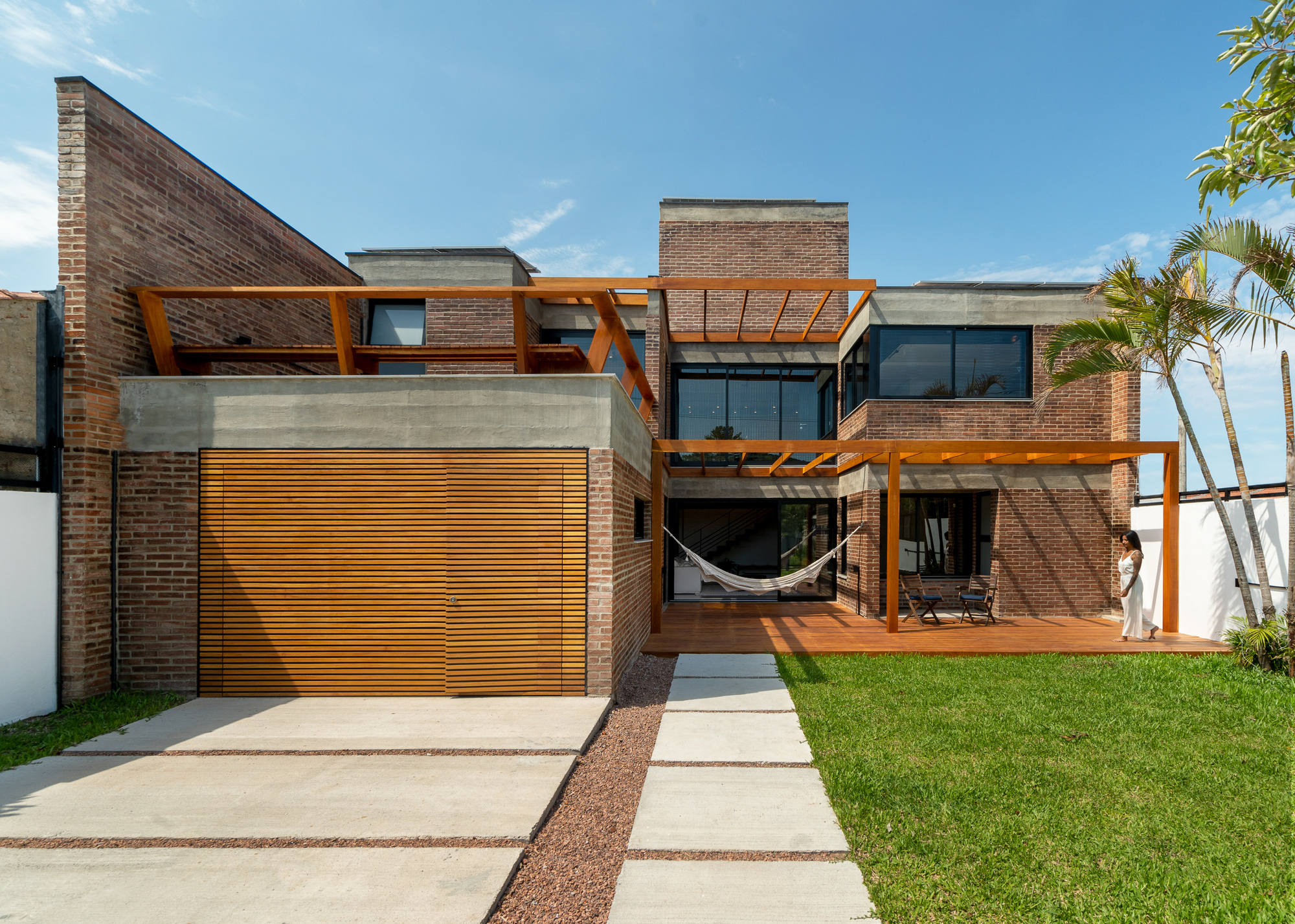
KS arquitetos has designed LC House, a residential project located in Porto Alegre, Brazil. The house features a solid brick masonry structure with few concrete pillars, and the wood, bricks, and concrete are all left exposed. The design prioritizes natural light and ventilation, with three facades featuring several openings that face the garden in the front. The interior is spacious and integrated, with a central axis featuring double-height ceilings and large openings. The house also includes a balcony on the ground floor and a terrace on the second floor, both offering beautiful views of the surroundings. The project aims to revisit the use of local materials and manpower in Latin American architecture.
Casa Cumbre is a modern cabin located in Puerto Varas, Chile, designed by Viento Norte Arquitectura. The house features a flexible design that can adapt to different types of spaces and uses. The common areas of the house have double-height ceilings that receive sunlight throughout the day, and provide a sense of spaciousness and spatial integration. The house has optimal sun exposure achieved through a transparent axis that runs from east to west, capturing the light of sunrise and sunset. The structural system of Casa Cumbre is a mixture of steel and traditional wooden frame housing, with a black zinc exterior combined with wooden details that produce a sense of warmth.