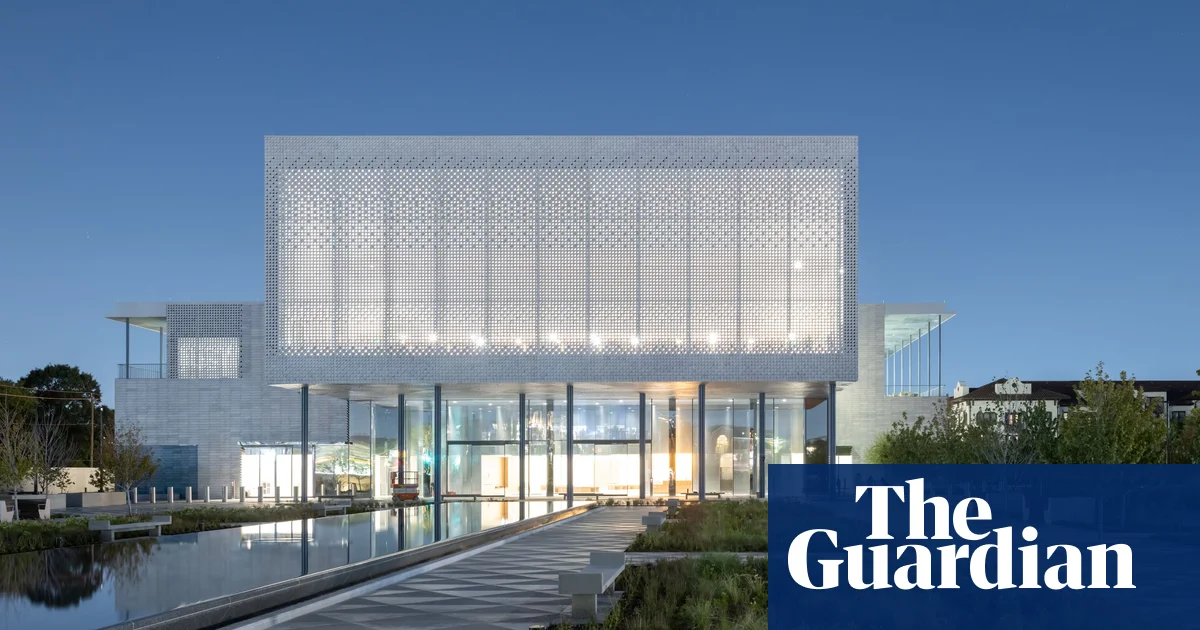
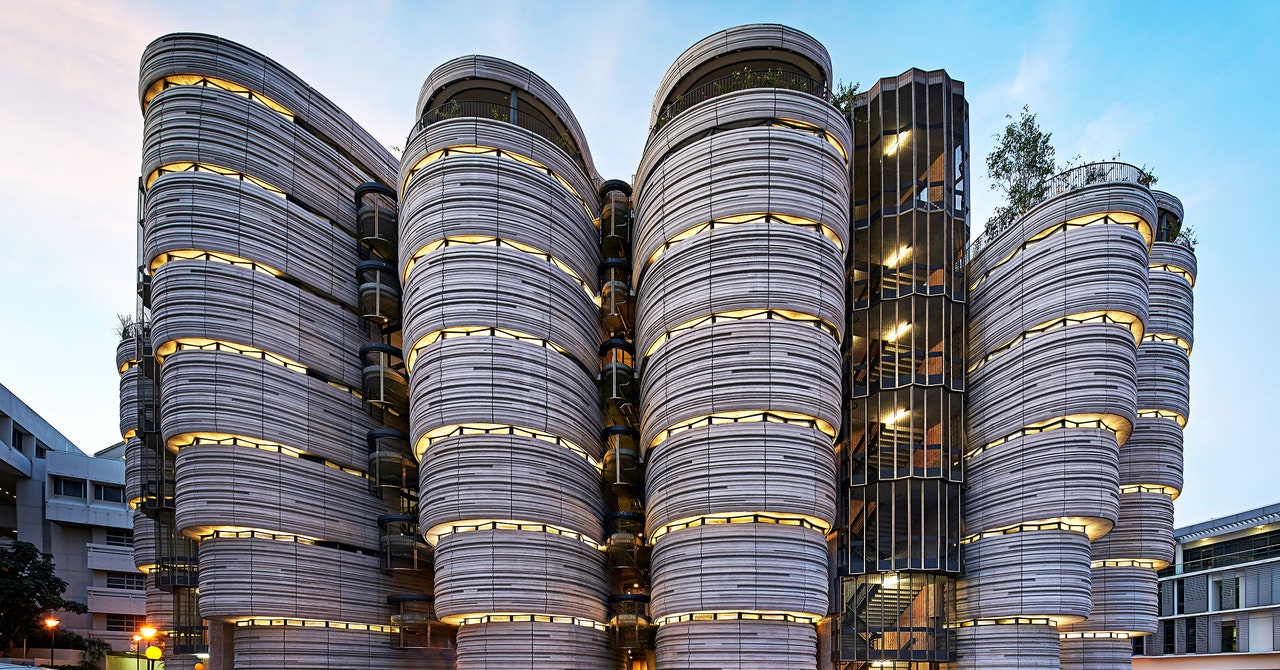
The article highlights the top architectural and design achievements of 2025, including innovative museums, cultural centers, and public art, showcasing a blend of tradition and modernity across the globe.
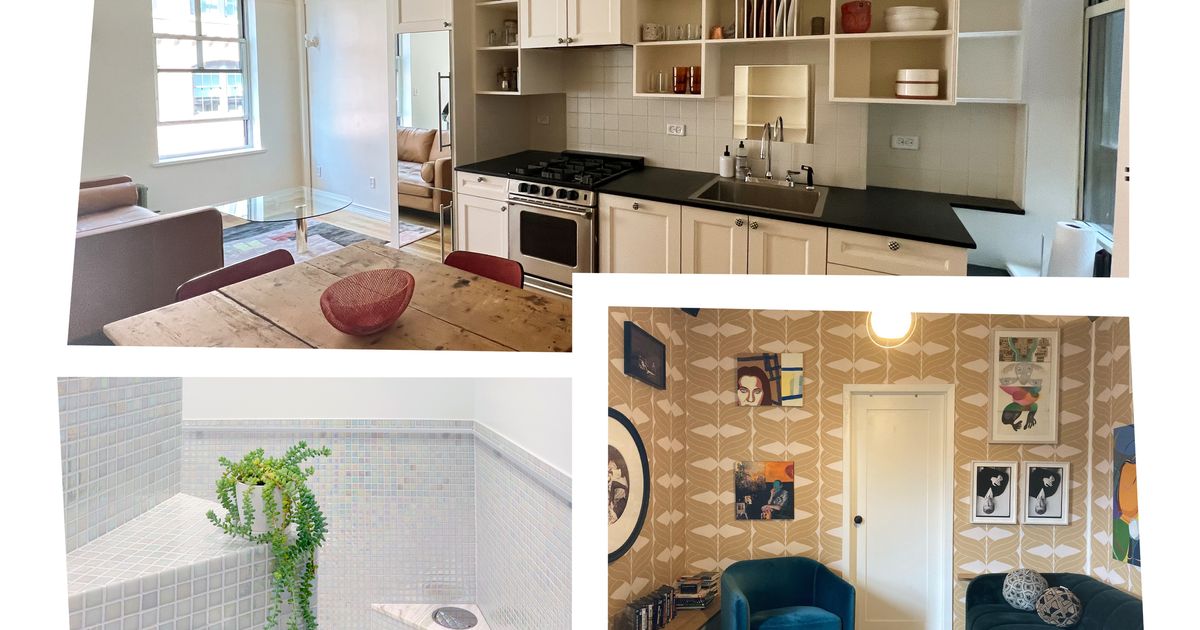
Architects in New York City are tackling the challenge of creating extra rooms and better storage in small duplexes and studios, as average apartment sizes have shrunk by as much as 10 percent over the last decade. Designers are finding creative solutions, such as custom shelving and seating to maximize space, transforming a tiny bathroom into a 1930s Machine Age invention, and reconfiguring a small apartment to create a cozy sleeping nook. These projects showcase the innovative ways architects are making the most of limited space in the city.
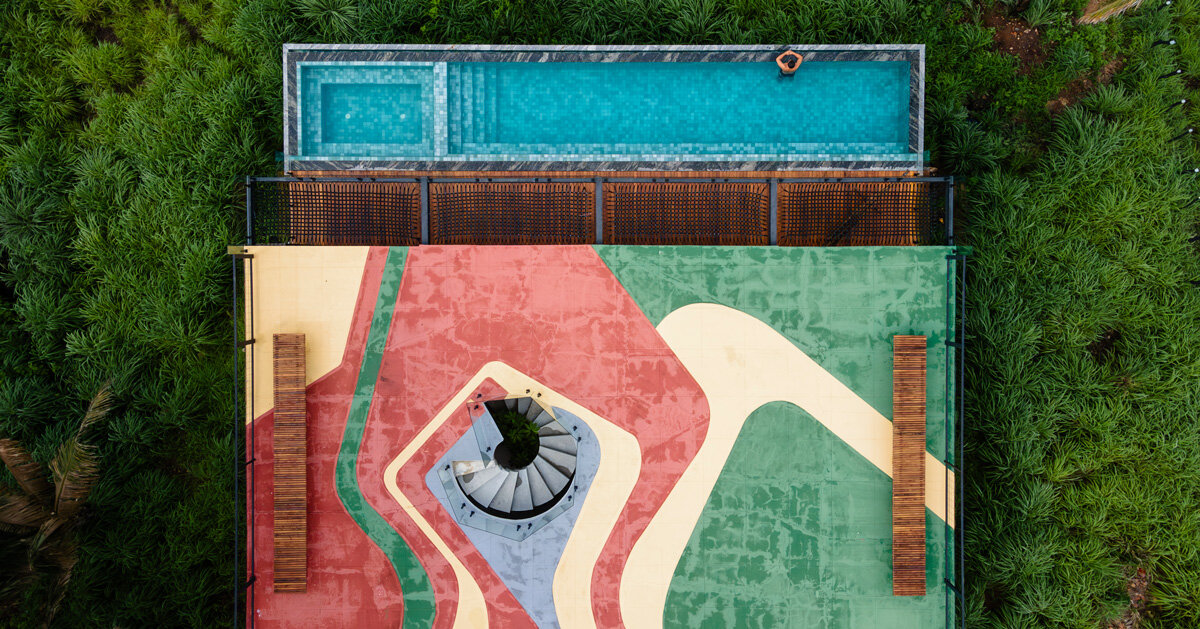
fb+mp arquitetos has adorned the elongated swimming pool of Tune House in Brazil with colorful tiling, while integrating a rooftop belvedere that offers panoramic city views and a helical staircase that interacts harmoniously with the surrounding vegetation, capturing the interplay of light and shadow.
The Humanized campaign aims to spark a public conversation about the impact of building design on mental health and the environment, emphasizing the need for more engaging and sustainable architectural approaches. With evidence suggesting that exposure to nature and visually stimulating surroundings can positively affect mental well-being, the campaign seeks to shift the focus from viewing building design as purely artistic to recognizing its potential health implications. By advocating for more interesting and environmentally conscious building exteriors, the campaign aims to empower individuals to influence architectural decisions and promote long-lasting, health-enhancing designs.
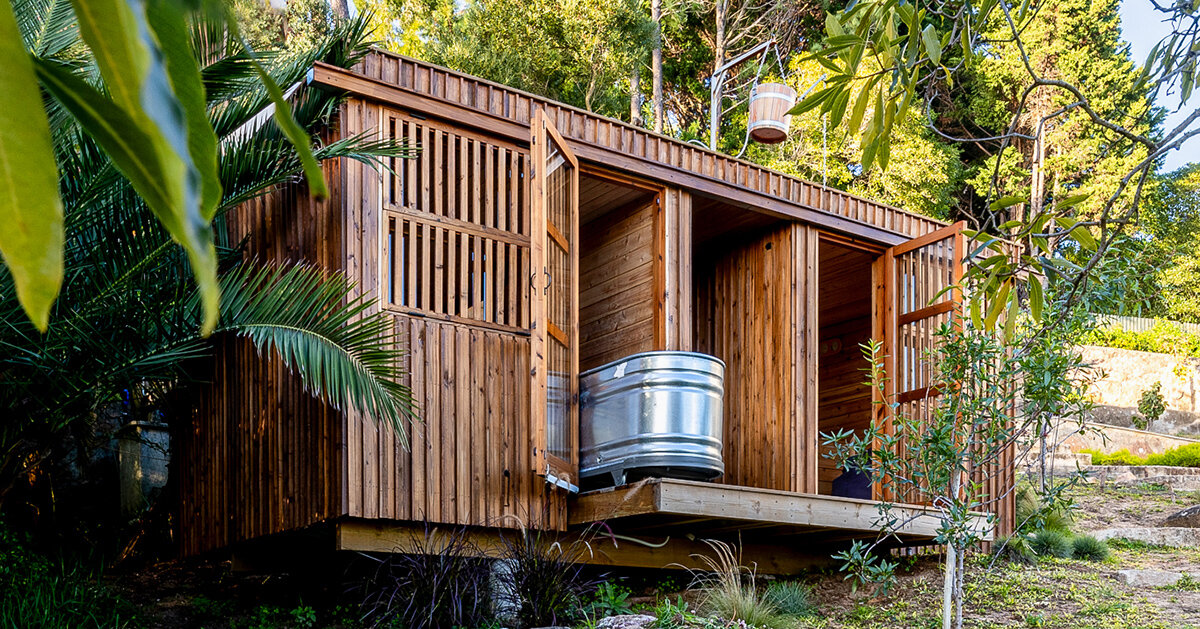
Madeiguincho has constructed a wooden sauna in rural Portugal that seamlessly blends with the lush landscape, offering panoramic views and a harmonious blend of nature and relaxation. The symmetrically designed sauna features two rooms divided by a central axis, with a connecting corridor and an elevated platform providing access to the main house and rooftop. The project primarily uses cryptomeria japonica wood from the Azores, creating an aromatic atmosphere, and offers a contemplative lounge for relaxation and introspection.
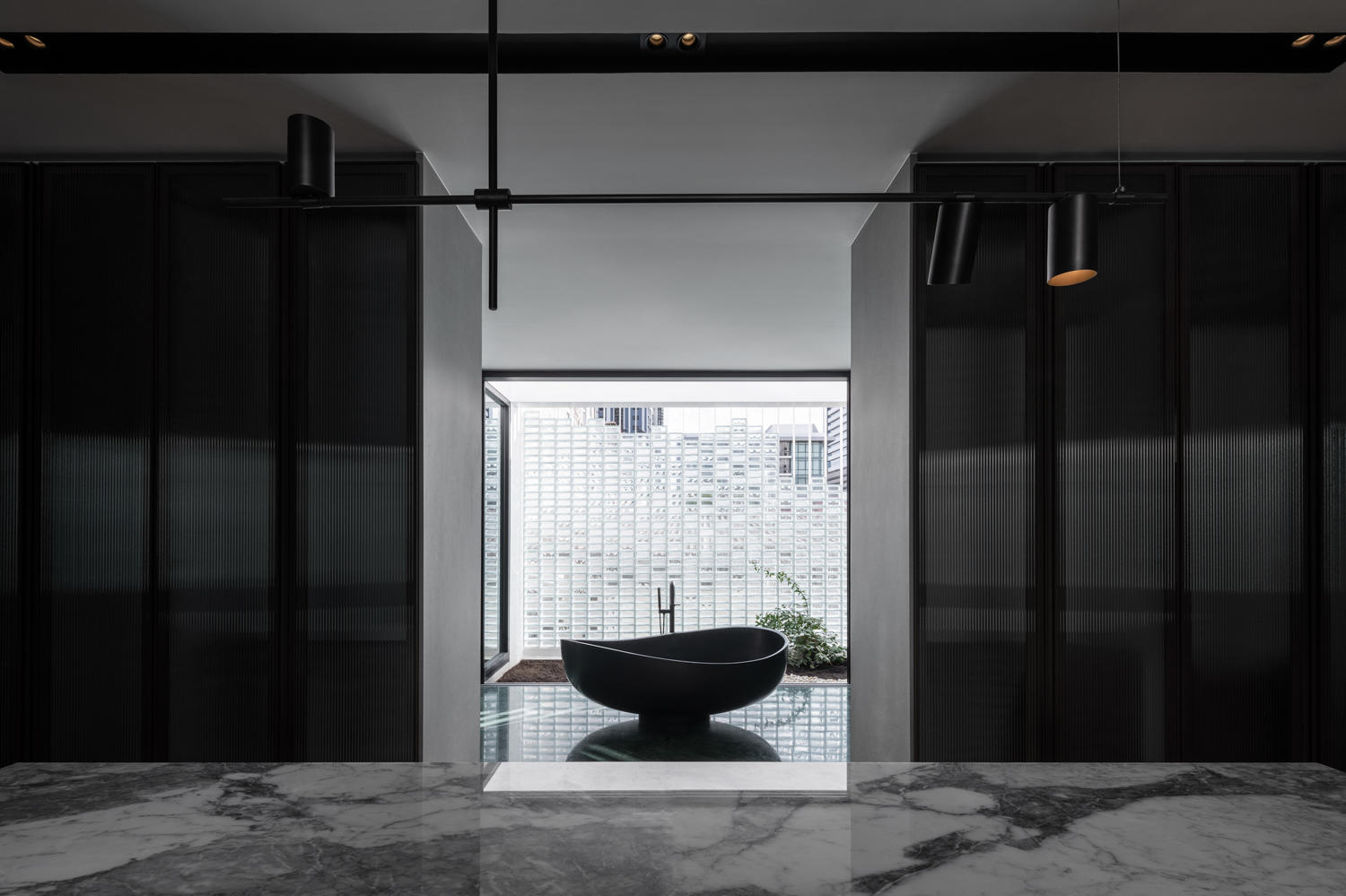
These four dark bathrooms from the ArchDaily catalog embrace the concept of peaceful darkness to create calming spaces with low, ambient lighting, natural materials, and dark surfaces. By blocking out excessive light, these bathrooms offer a sense of tranquility and encourage self-care. Each design utilizes a different approach, such as balancing dark colors with reflective details, incorporating natural tones and filtered air, creating a meditative environment with rough textured surfaces, and featuring a sculptural black bathtub surrounded by rich green marble.
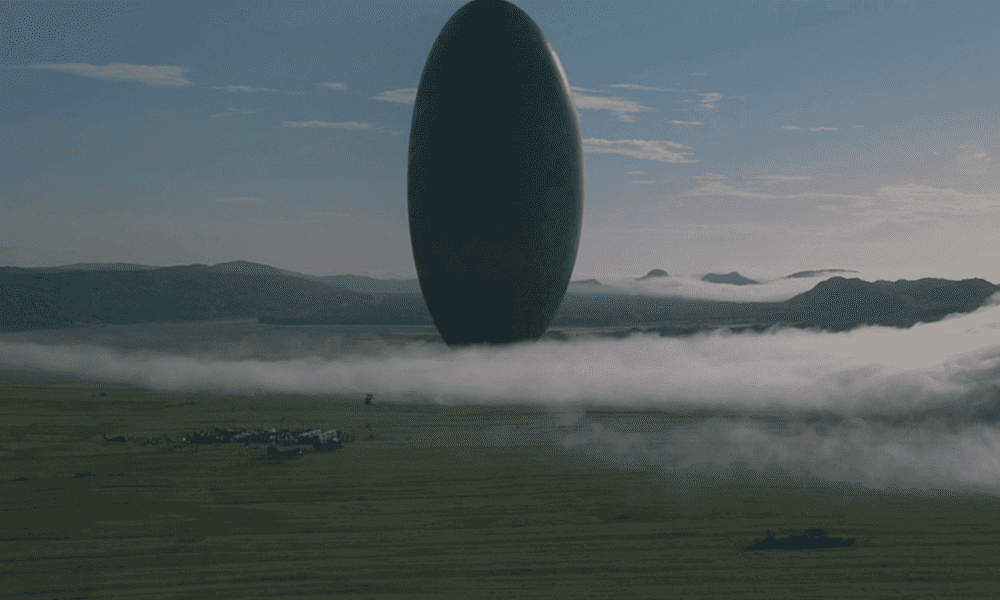
The city of Chengdu in China has unveiled a futuristic sci-fi museum designed by Zaha Hadid Architects. Shaped like a giant spaceship, the museum features a blend of nature and concrete, with stunning light displays and passageways. The interior is equally impressive, with a lobby flooded with sunlight and laser-striped hallways. The museum, three times the size of the Sydney Opera House, will host cutting-edge events in science and pop culture. While initially planned for the World Sci-Fi Convention, the event changes locations annually, but the museum is set to become a major attraction for all things sci-fi.
Designer and builder Jacob Witzling, along with his partner Sara Underwood, have created a magical world of handcrafted cabins in the Pacific Northwest called "Cabinland." Inspired by cabins of the past and the world of fantasy, these cabins are built off the grid with no running water and are powered by a 12-volt D/C system. The cabins feature unique designs and amenities, including a well-filtration system, composting toilet, and a stunning "Stump Tub." Witzling and Underwood have documented their builds on social media, showcasing their beautiful creations from start to finish.
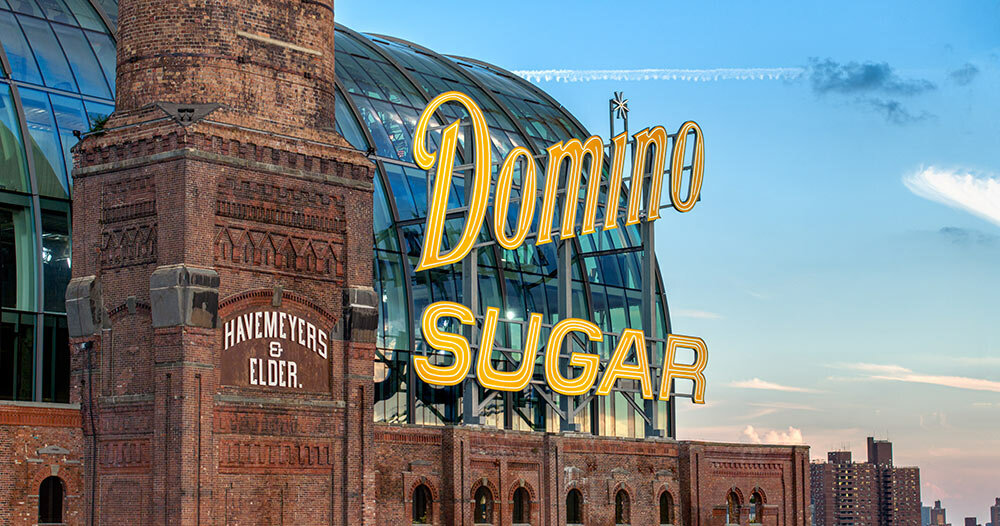
The Refinery at Domino, a fifteen-story office space within an industrial brick structure in Brooklyn, has completed its long-awaited renovation. Led by Two Trees Management and designed by Practice for Architecture and Urbanism, the project offers world-class workspaces and amenities while preserving the site's history and embracing sustainability. The Refinery features modern workspaces with floor-to-ceiling windows, a glass dome penthouse, retail spaces, a fitness club, and a dedicated bicycle lobby. Skylight has transformed the penthouse into an event venue, hosting its inaugural event during New York Fashion Week. The architectural design incorporates a 12-foot gap between the new glass building and the existing brick facade, flooding the interior with natural light. The exterior features a vertical garden, redefining biophilic office design.
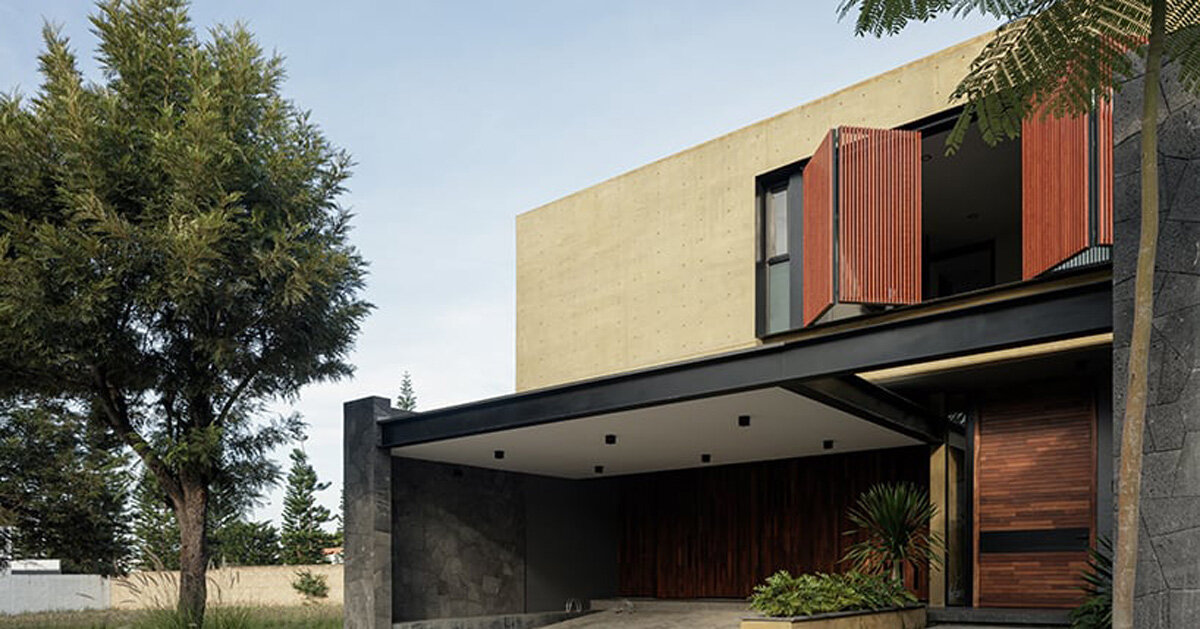
Casa Zibu, designed by Di Frenna Arquitectos, is a secluded retreat in Mexico that offers an immersive experience through a sequence of courtyards. The dwelling is organized around central guiding axes, framed by black steel columns that serve as load-bearing structures and visual demarcations. The project features four courtyards, abundant vegetation, and a retractable louver system that allows residents to control their level of connection with the surrounding environment. The ground floor houses communal areas, while the upper floor accommodates private domains, with stone staircases leading visitors through the various zones. The design incorporates exposed black-painted steel beams, grooves and joints in concrete, and pigmented yellow concrete to create a contemporary aesthetic and a tangible connection to nature.
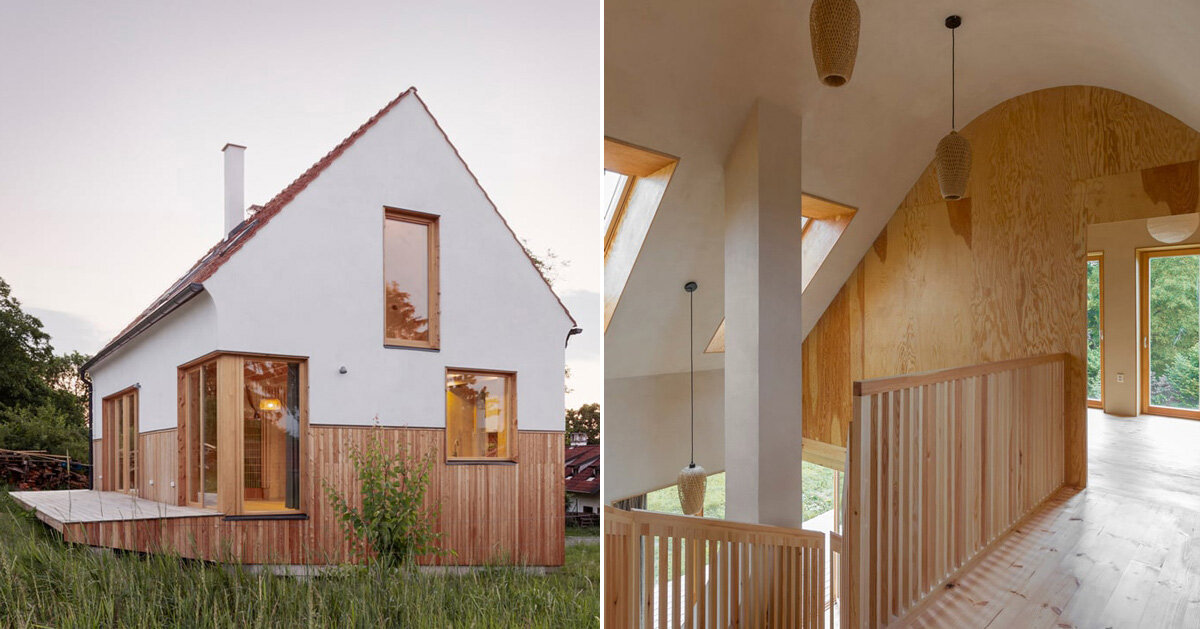
Architect Martin Zizka has designed Casa De Mi Luna, a residence in the Český Kras nature reserve in Karlštejn, Czech Republic, blending local heritage with contemporary living. The house features a symmetrical gable roof, terracotta roof tiles, and natural materials such as lime render and local larch. The interior is characterized by wood, earth, and traditional blue, green, and terracotta tiles. The open plan design includes a segmented staircase, arched ceilings, and a central fireplace. The house is built using prefabricated straw and timber panels, with clay plaster regulating moisture and temperature.
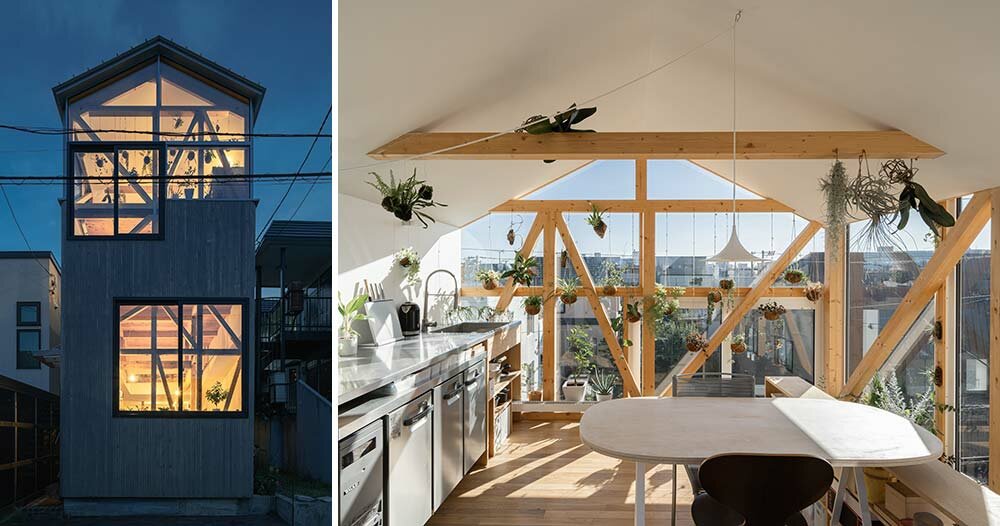
Yoshichika Takagi + Associates has renovated a row house in Hokkaido, Japan, transforming it into modern student dwellings and studio spaces. The renovation aimed to open up the dark and cramped interiors, reduce the number of households, and create a flexible living space. The design incorporates glass walls to connect the interior with the garden and takes inspiration from Scandinavian winter living rooms. Notable features include a "winter living room" with high insulation, a "summer living room" protected from the elements, and a unique "greenhouse kitchen" that faces the city.
A private dwelling in Tokyo, Japan, called House with a Membrane Roof, features a unique tubular membrane roof that allows natural light to diffuse throughout the interior. Designed by Yuko Nagayama & Associates, the 60 sqm residence maximizes limited space by incorporating an indoor garden in the skylit atrium. The second floor serves as a lively public area, while the ground floor provides a serene sanctuary with subdued lighting. The contorted shape of the roof, made possible by a flexible membrane material, creates a visually striking effect and facilitates natural ventilation. The roof acts as a "skin-like layer," transmitting exterior changes to the interior and transforming the sensory experience.
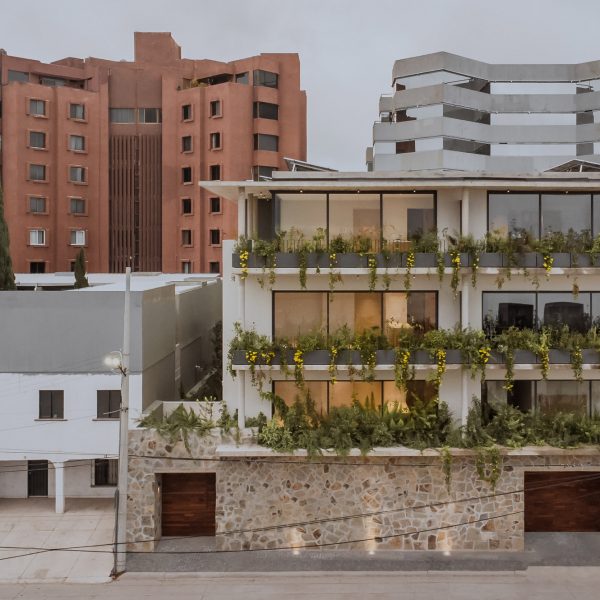
Cuartopiso and Barragán Arquitectos have completed Hacienda Santa Bárbara 107, a twelve-unit apartment complex in Santiago de Querétaro, Mexico. The building features wide balconies, planted terraces, and regional limestone finishes, utilizing natural materials and promoting sustainable living. The design maximizes views, natural light, and cross ventilation, while creating a direct relationship with the surrounding city. The all-electric design is powered by solar panels and incorporates rainwater collection. The project aims to activate the neighborhood and promote more sustainable and connected lifestyles.
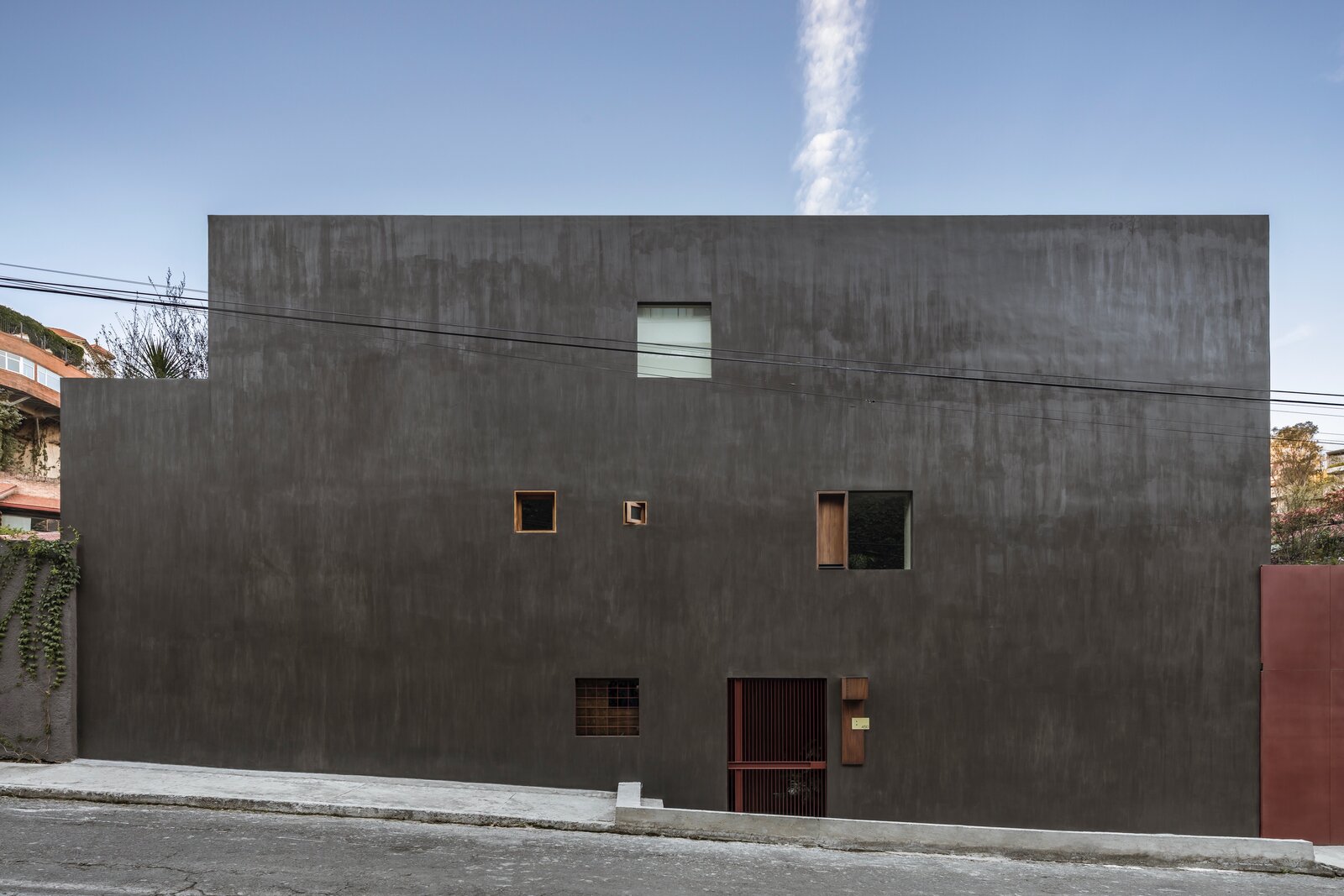
A house in Mexico City, originally built over 30 years ago and previously refurbished, has been reconfigured to adapt to the lifestyle of its new owners. The exterior of the house features small openings for glimpses of the outside while maintaining privacy, while the interior is designed to embrace natural light through a series of openings that blur the boundaries between spaces. The use of dark colors on the exterior and contrasting materials on the interior creates a play of light and shadow throughout the day.