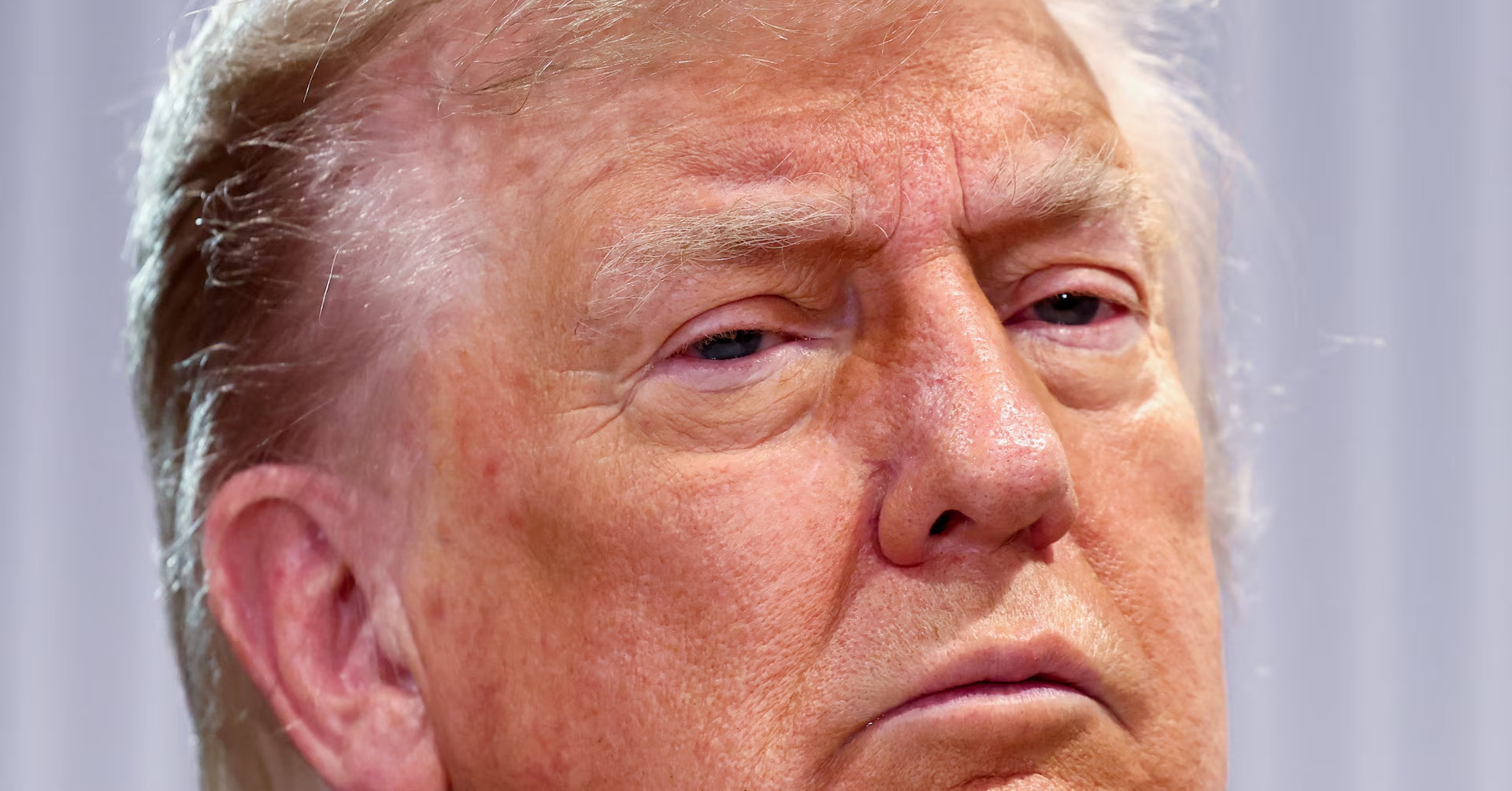
Trump departs G7 early amid Iran-Israel tensions
U.S. President Donald Trump requested the National Security Council be prepared as he returns early from the G7 summit in Canada, according to Fox News.

All articles tagged with #national security council
U.S. President Donald Trump requested the National Security Council be prepared as he returns early from the G7 summit in Canada, according to Fox News.
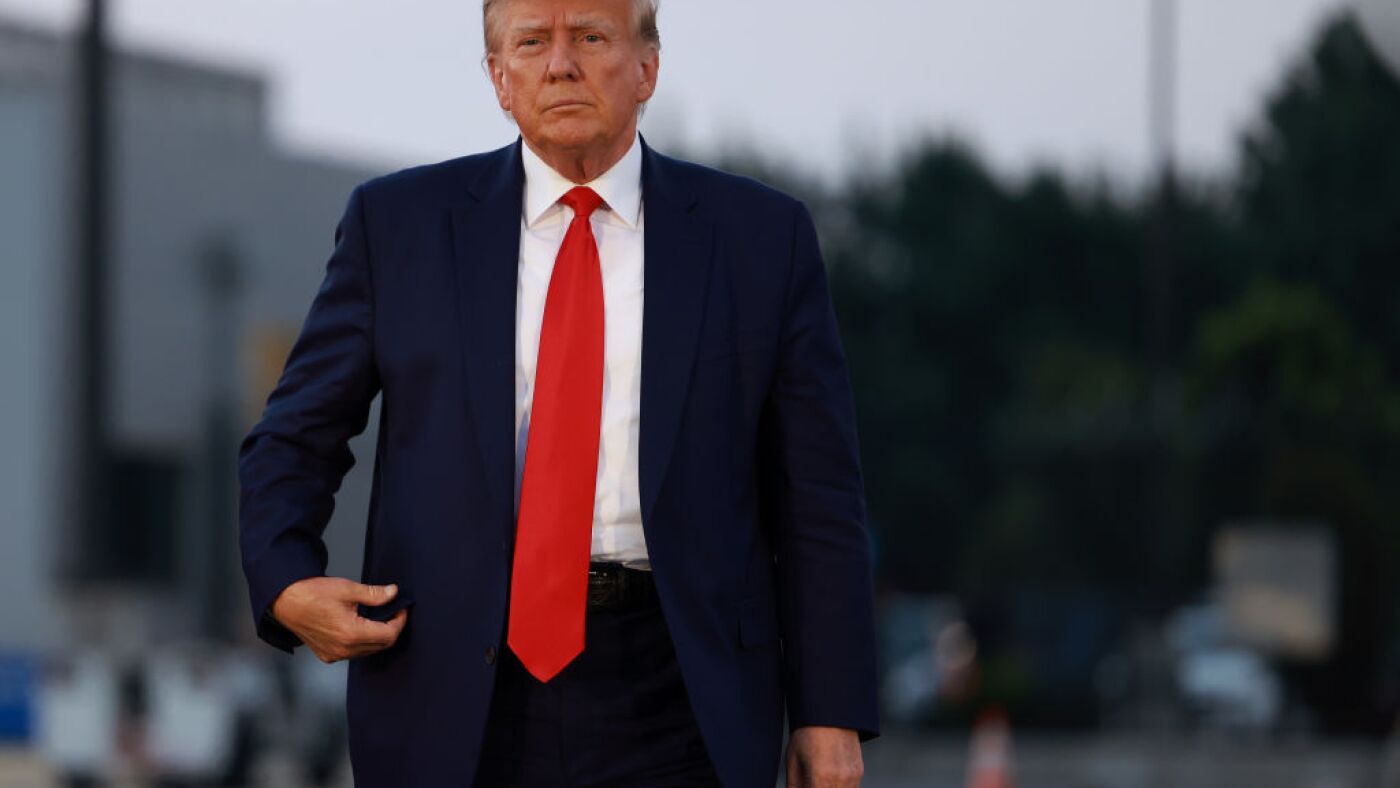
The National Security Council warned the Secret Service and the Trump campaign about an increased threat from Iran against former President Donald Trump, leading to heightened protection measures. This follows longstanding Iranian threats against Trump officials due to the killing of Qassem Soleimani. Despite the recent assassination attempt, no ties have been found between the shooter and any foreign or domestic accomplices.
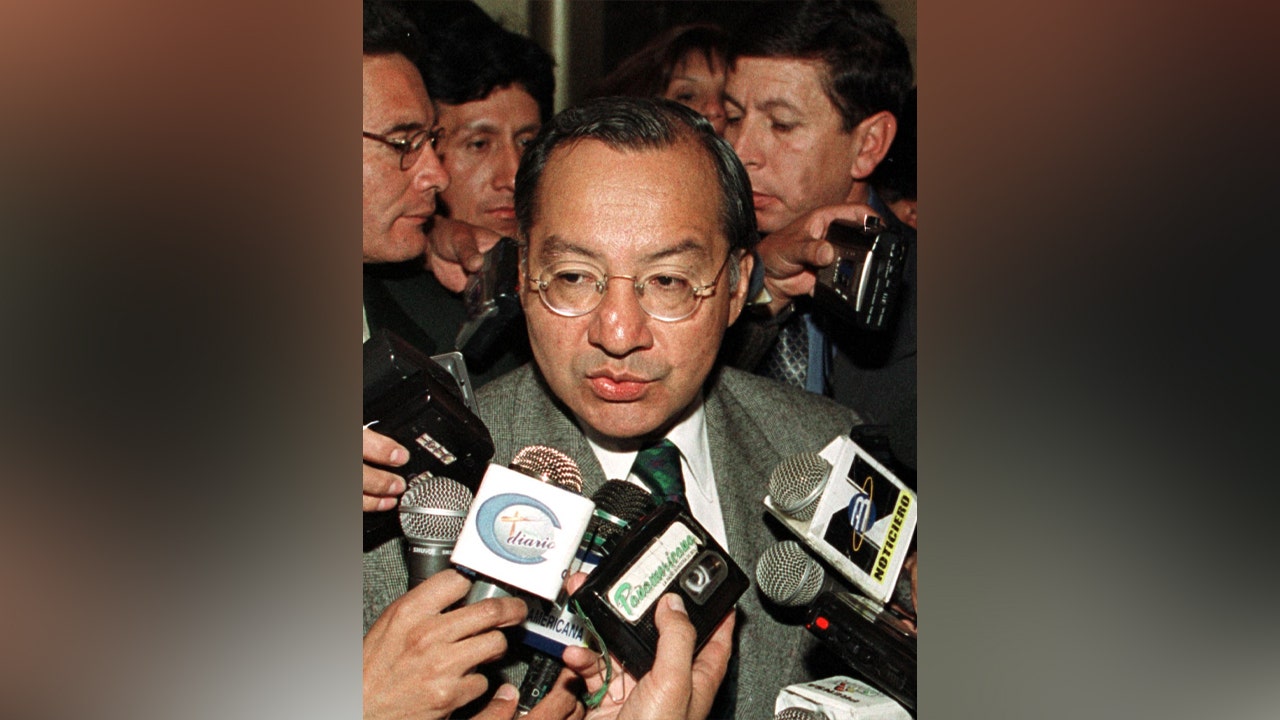
Former US ambassador and NSC official, Victor Manuel Rocha, pleaded guilty to secretly acting as an agent for the government of Cuba and was sentenced to 15 years in prison. Rocha, who served in various US government positions, including as ambassador to Bolivia, admitted to working against the US government for decades in clandestine intelligence-gathering missions for communist Cuba. He must cooperate with the US for any damage assessment related to his work for Cuba and relinquish all future retirement benefits.

The White House and EPA have issued a warning to governors about the increasing threat of cyberattacks on the country's water systems, urging them to bolster cybersecurity measures and establish a Water Sector Cybersecurity Task Force. Recent breaches by Iranian and Chinese state-backed hackers have highlighted the vulnerability of U.S. water infrastructure, prompting calls for enhanced collaboration between government entities and water systems to mitigate the risk of cyber attacks.
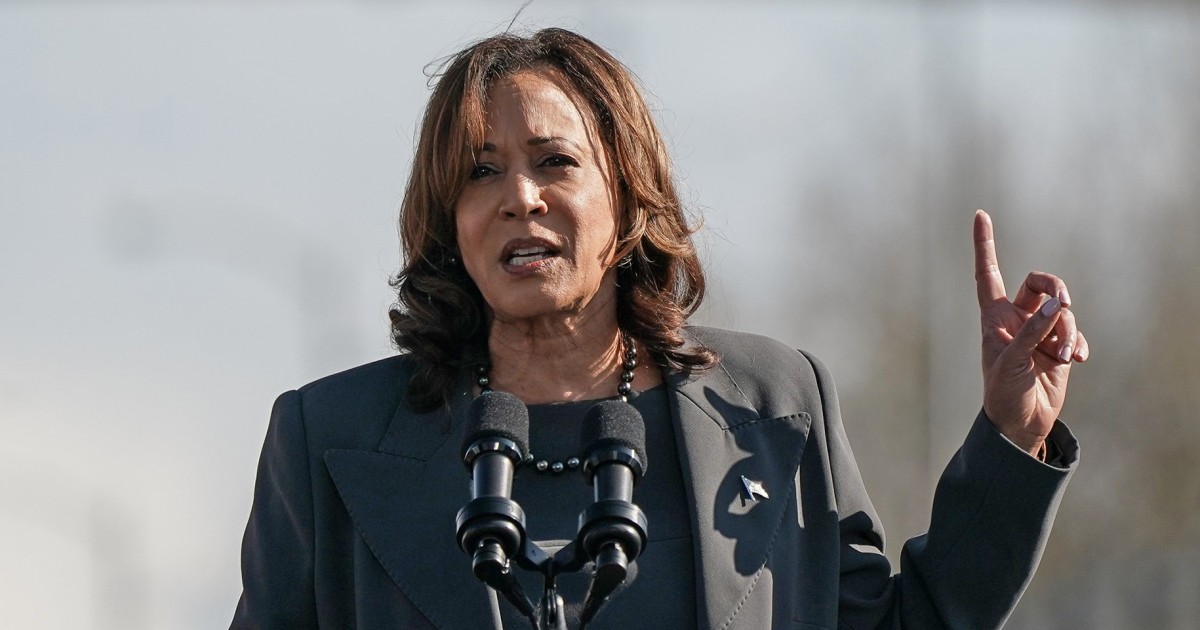
Vice President Kamala Harris' speech calling for an immediate six-week cease-fire between Israel and Hamas was reportedly toned down by National Security Council officials, with the original draft being harsher on Israel about the dire humanitarian situation in Gaza. Despite the changes, Harris reiterated the administration's position on the war and emphasized the need for aid and a cease-fire. Her forceful delivery drew attention and praise, but some critics believe she is unable to take a more forceful stance against the fighting due to President Biden's influence.
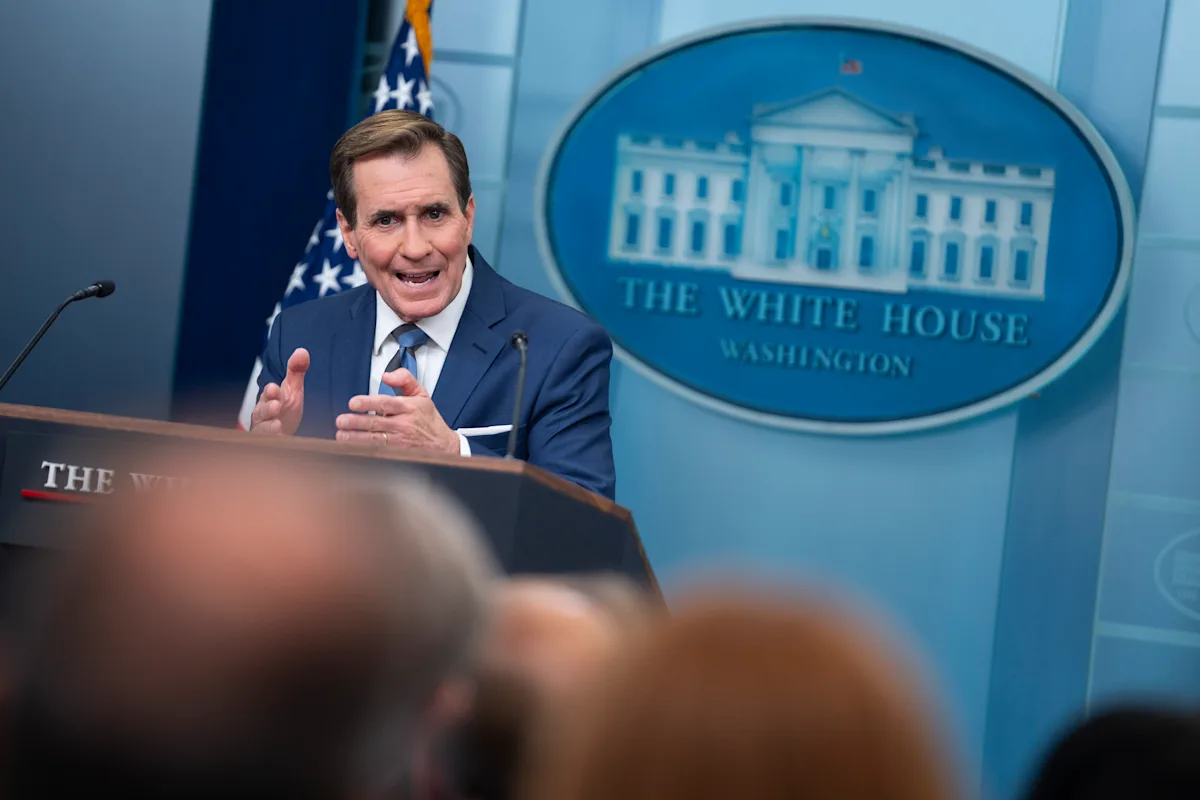
John Kirby, President Joe Biden's national security spokesman, is set to take on an expanded role at the White House as the new White House national security communications adviser and assistant to the president. Kirby, a retired U.S. Navy admiral, has been valued for his adept handling of foreign policy questions and will now lead a separate team to coordinate information across agencies, in addition to continuing his presence in White House press briefings.
National Security Advisor Jake Sullivan met with Chinese Foreign Minister Wang Yi in Bangkok for over 12 hours over two days, discussing various issues including military communication, counternarcotics cooperation, AI safety, and unfair trade policies. They also discussed global and regional security issues such as Russia's invasion of Ukraine, the Middle East, DPRK, South China Sea, and Burma. The U.S. emphasized the importance of maintaining communication channels with China, while expressing concerns about China's influence over Iran and the need for constructive action in addressing issues such as the Houthis' attacks in the Red Sea.

The Philippines has condemned the recent "provocative action" by the Chinese coastguard against Filipino fishermen near the disputed Scarborough Shoal, with the National Security Council spokesperson denouncing a reported incident where Chinese coastguard instructed fishermen to return sea shells collected in the area and then drove them away.
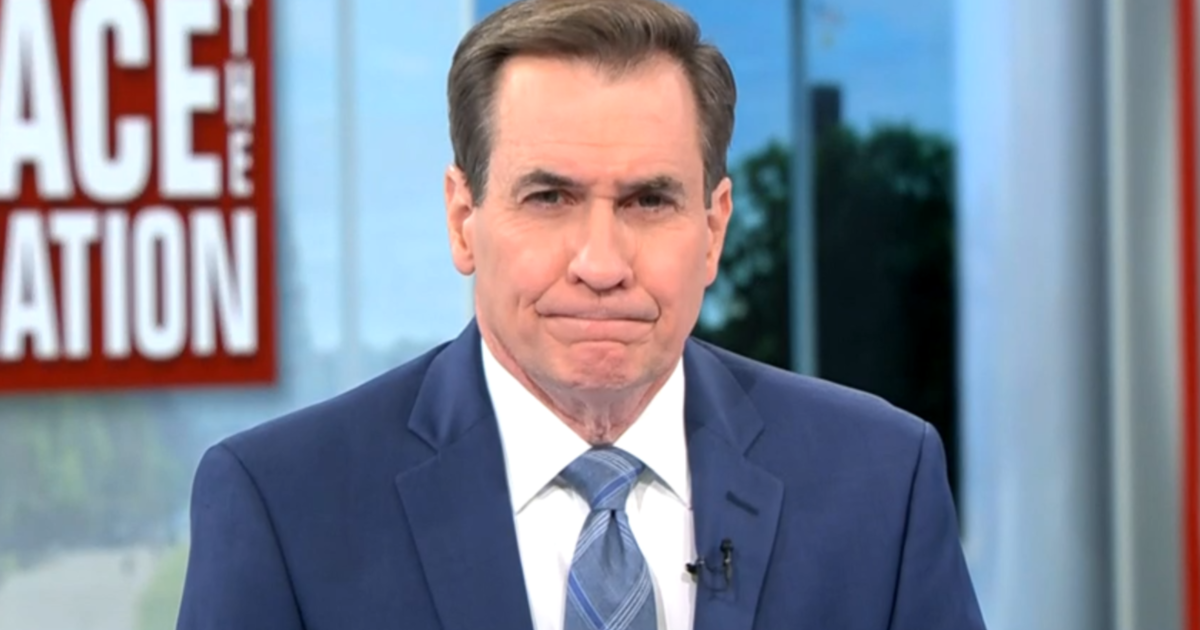
National Security Council spokesman John Kirby stated that the search is ongoing for two missing U.S. Navy sailors off the coast of Somalia, unrelated to recent strikes in Yemen, and emphasized the need to disrupt the flow of weapons supplies to Yemen. Kirby also addressed Defense Secretary Lloyd Austin's health and communication with the President, as well as the U.S.'s discussions with Israel regarding a transition to lower intensity operations in the military campaign against Hamas.
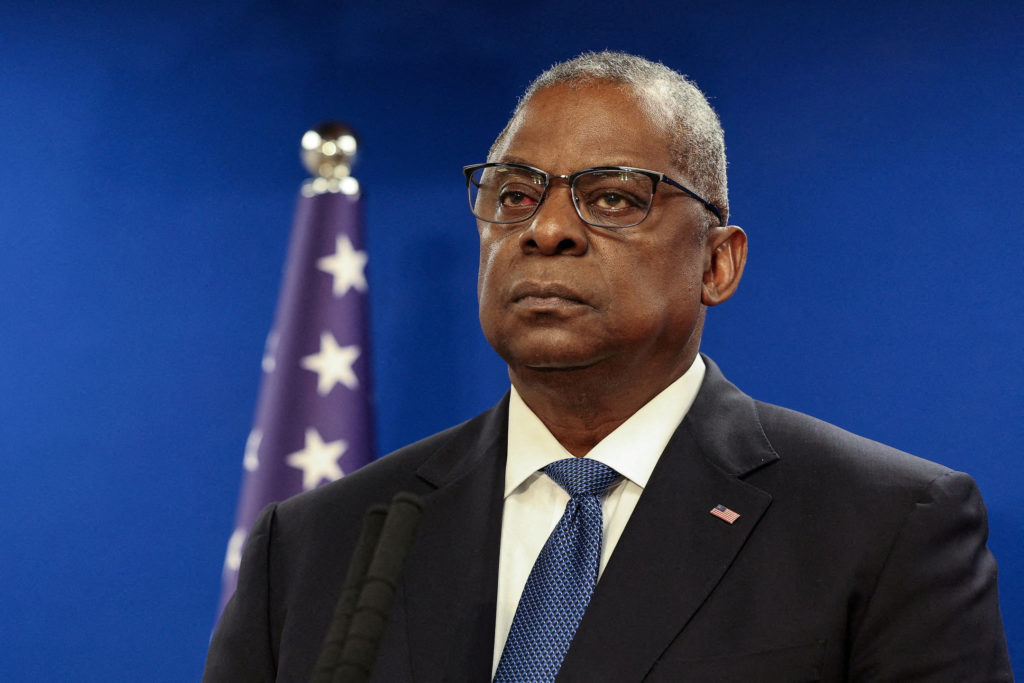
Defense Secretary Austin's recent hospitalization has raised concerns about transparency and leadership within the Pentagon, as it was revealed that he had a second undisclosed hospital visit and temporarily transferred his authorities without informing key officials, including the president. Questions remain about the nature of Austin's illness and the delayed communication to the National Security Council, prompting criticism from both Democrats and Republicans in Congress.
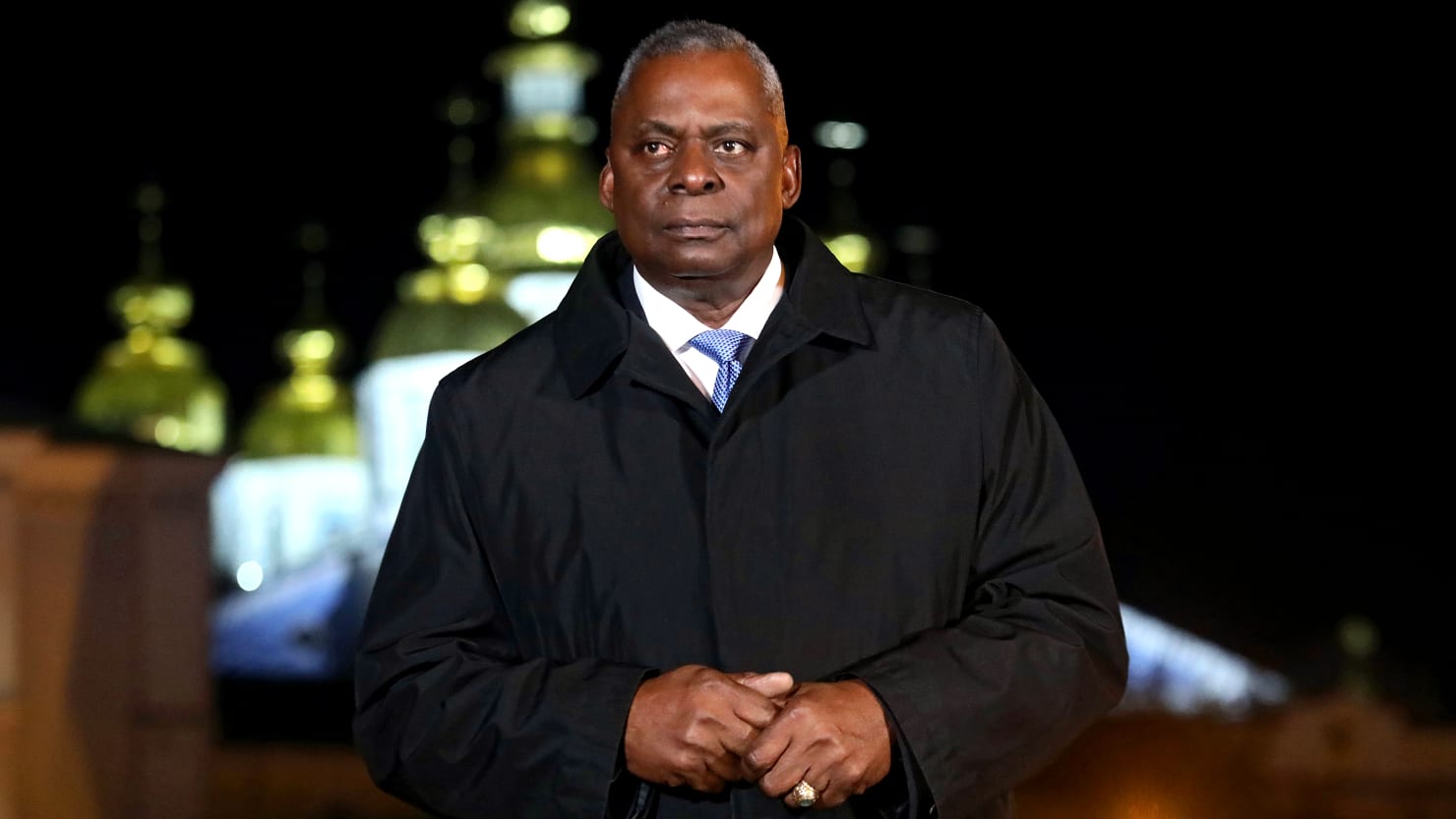
Defense Secretary Lloyd Austin took responsibility for the lack of transparency surrounding his secret hospitalization at Walter Reed Medical Center, acknowledging that he could have done a better job informing the public and officials. The public and Congress were only made aware of his hospitalization five days after he was admitted, and top White House officials, including President Biden, were reportedly informed three days later. Senator Tom Cotton called for consequences if the reports of the White House being kept out of the loop were true, emphasizing the crucial role of the Secretary of Defense in the chain of command. Austin gave no further details on the complications that led to his hospitalization but expressed his commitment to doing better in terms of disclosure.

Japan is set to fulfill a U.S. request for domestically made Patriot missiles, marking a significant shift in the nation's defense equipment export policy. The final decision will be made by Japan's National Security Council, with details expected to be ironed out by the end of the month.
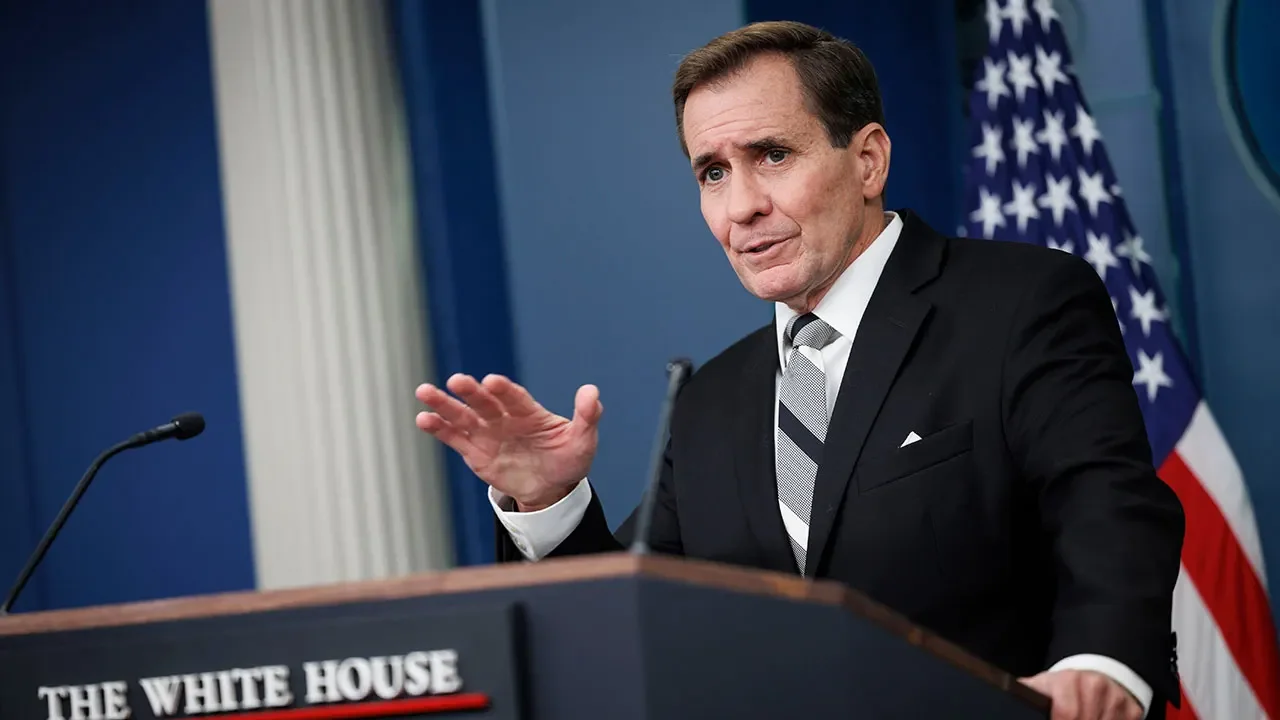
The White House evaded a reporter's question about President Biden's decision to remove the terrorist designation from the Iran-backed Houthis in Yemen. National Security Council spokesman John Kirby stated that the decision would be reviewed but did not provide a timeframe. Several Republican lawmakers have urged the administration to reconsider the move, citing recent attacks on U.S. and Israeli forces by Iran-backed proxy groups, including the Houthis. Legislation has been introduced to force the redesignation of the Houthis as a terrorist organization, allowing for sanctions and disruption of financial support networks.

Morton H. Halperin, a former senior official in multiple US administrations, recounts his experience working with Henry Kissinger and the lengths Kissinger went to in order to maintain power and control. After a leak about the US bombing of Cambodia, Kissinger suspected Halperin and ordered the FBI to wiretap his home phone. Despite Halperin's attempts to resign, Kissinger refused to let him leave the National Security Council (NSC) and even offered him a consulting role. Halperin eventually resigned and became an outspoken critic of the Vietnam War. The wiretap on his home phone continued for eight months, leading to a lawsuit and an eventual apology from Kissinger.
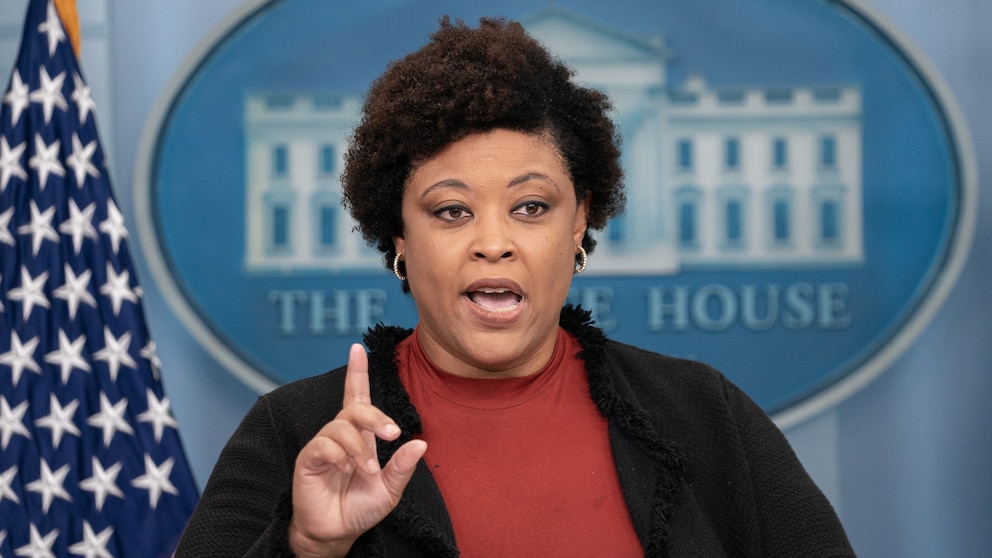
The White House has issued a dire warning to Congress about the urgent need to approve aid to Ukraine, stating that failure to act quickly will severely impact Ukraine's ability to fight against Russian aggression. The Office of Management and Budget Director, Shalanda Young, emphasized that the US is running out of money and time to provide assistance to Ukraine, and without congressional action, resources for weapons and equipment will be depleted. President Biden's proposed $106 billion aid package for Ukraine and Israel, as well as $14 billion for border security, has stalled in Congress. The halt in assistance could benefit Russia and jeopardize Ukraine's gains. Negotiations in Congress have been hindered by disagreements between Democrats and Republicans over border security measures.