Originally Published 5 months ago — by Rolling Stone
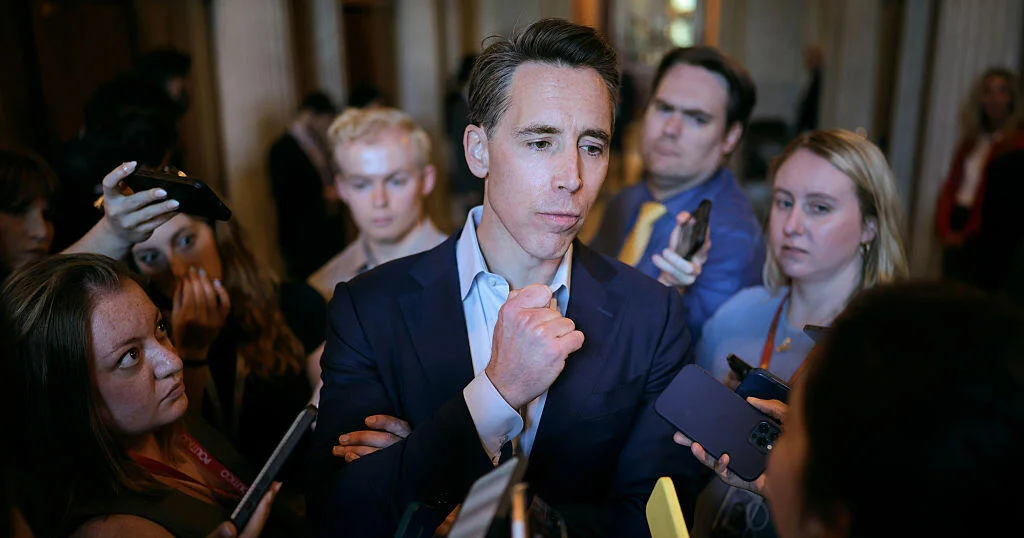
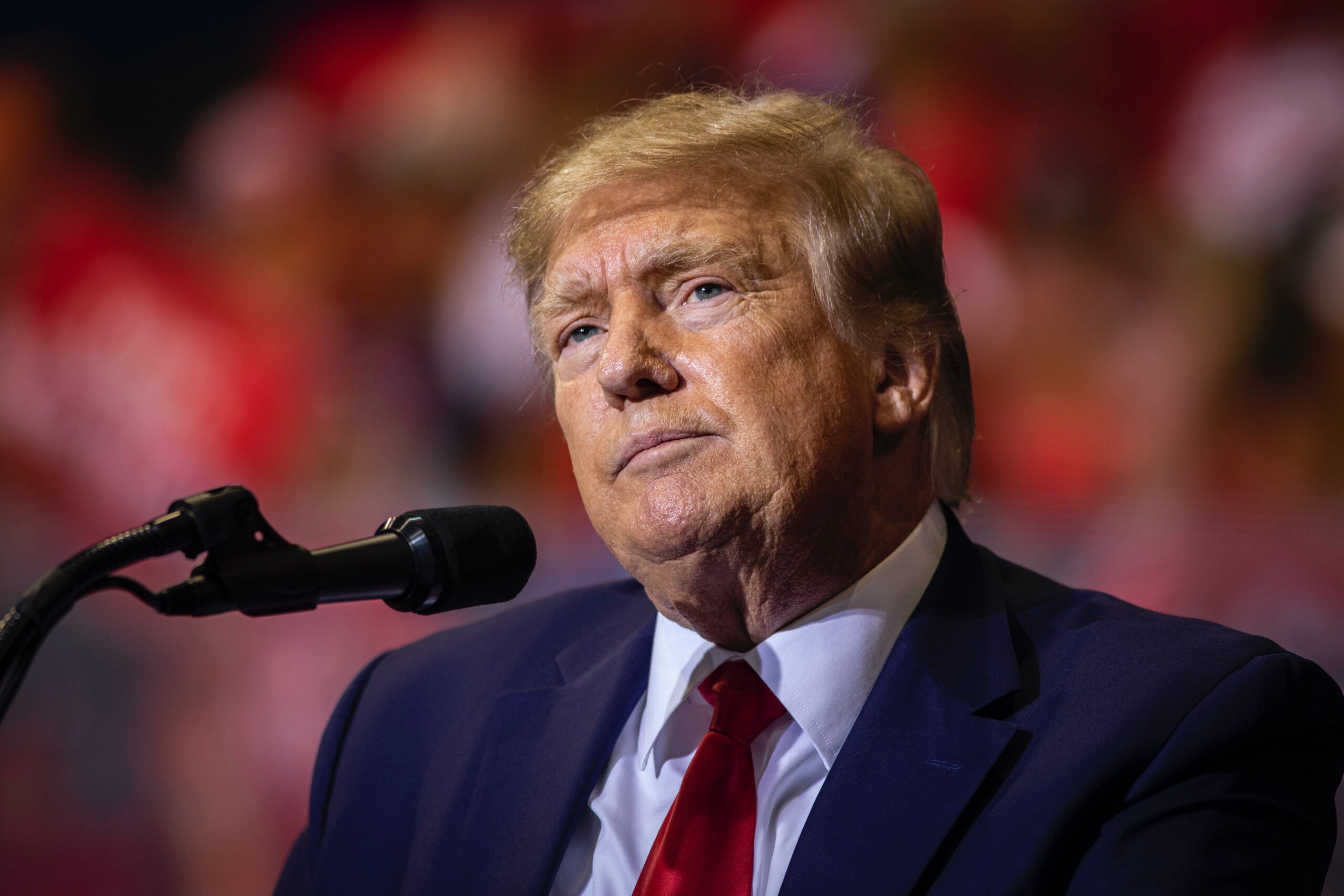
President Donald Trump lashed out at Senator Josh Hawley on social media after Hawley's vote on a stock trading ban legislation, mistakenly believing it would negatively impact Trump and his business, leading to a misunderstanding that caused Trump's anger. Hawley defended his position, and the situation was later clarified, with Trump and Hawley reportedly reconciling.
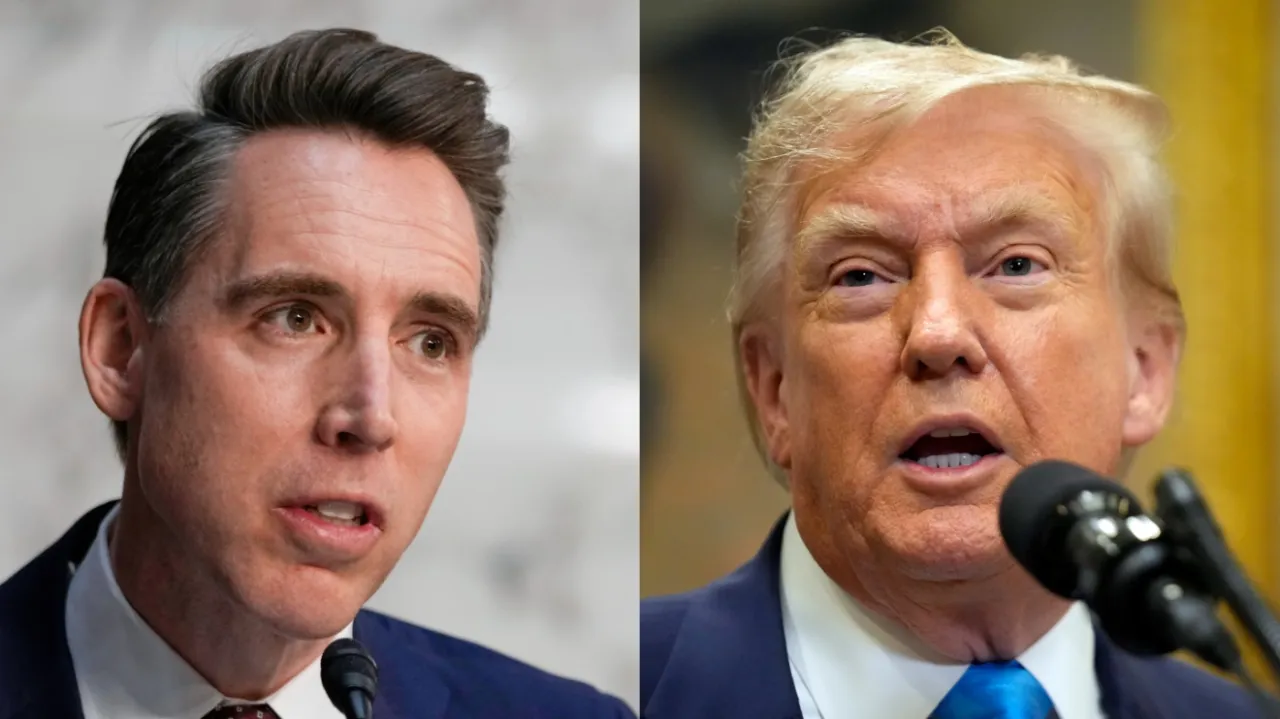
President Trump criticized Senator Josh Hawley for voting with Democrats to advance a bill that would ban stock trading by lawmakers and top officials, accusing Hawley of being used by Democrats to target him and of playing into Nancy Pelosi's interests, despite earlier expressing support for the bill conceptually.
Senator Josh Hawley plans to introduce a bill to raise the federal minimum wage to $15 per hour starting in 2026, with adjustments for inflation, marking a rare conservative push for wage increases and aligning with some Democratic efforts, amidst ongoing debates over economic policy and worker protections.
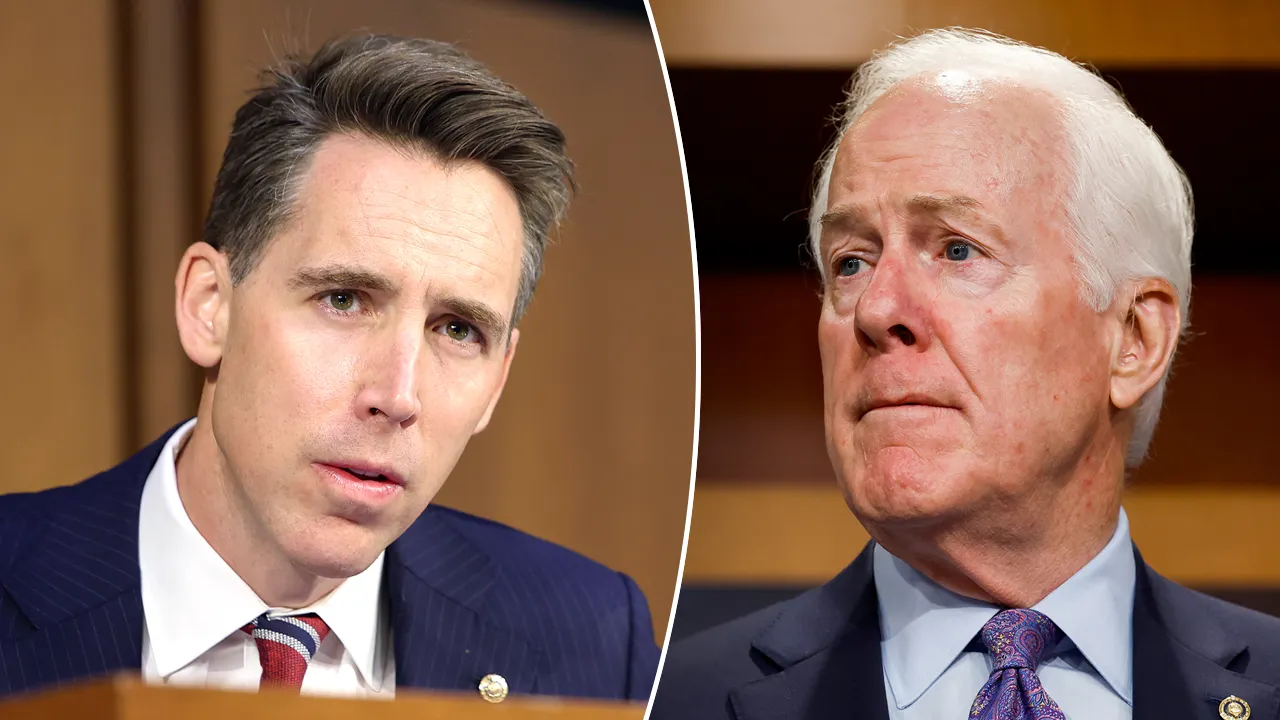
Senator Josh Hawley has endorsed Senator John Cornyn for the position of Senate Majority Leader, citing Cornyn's efforts in fundraising and supporting competitive Senate races. Cornyn is competing against Senators Rick Scott and John Thune for the role, following Mitch McConnell's announcement that he will not seek another term as Senate Republican leader. The GOP senators will vote on the new leader on November 13.
Senator Josh Hawley is set to introduce a bill raising tariffs on Chinese vehicle imports from 2.5% to 100%, aiming to address concerns about the impact of Chinese vehicles on US car companies and potential safety risks. The bipartisan effort comes amid growing worries about unfair competition and national security implications, with the Biden administration also reviewing China's automotive industry policies. U.S. car companies have expressed concerns about the threat posed by cheap Chinese autos, prompting calls for protective measures against Chinese vehicles and parts entering the American market.
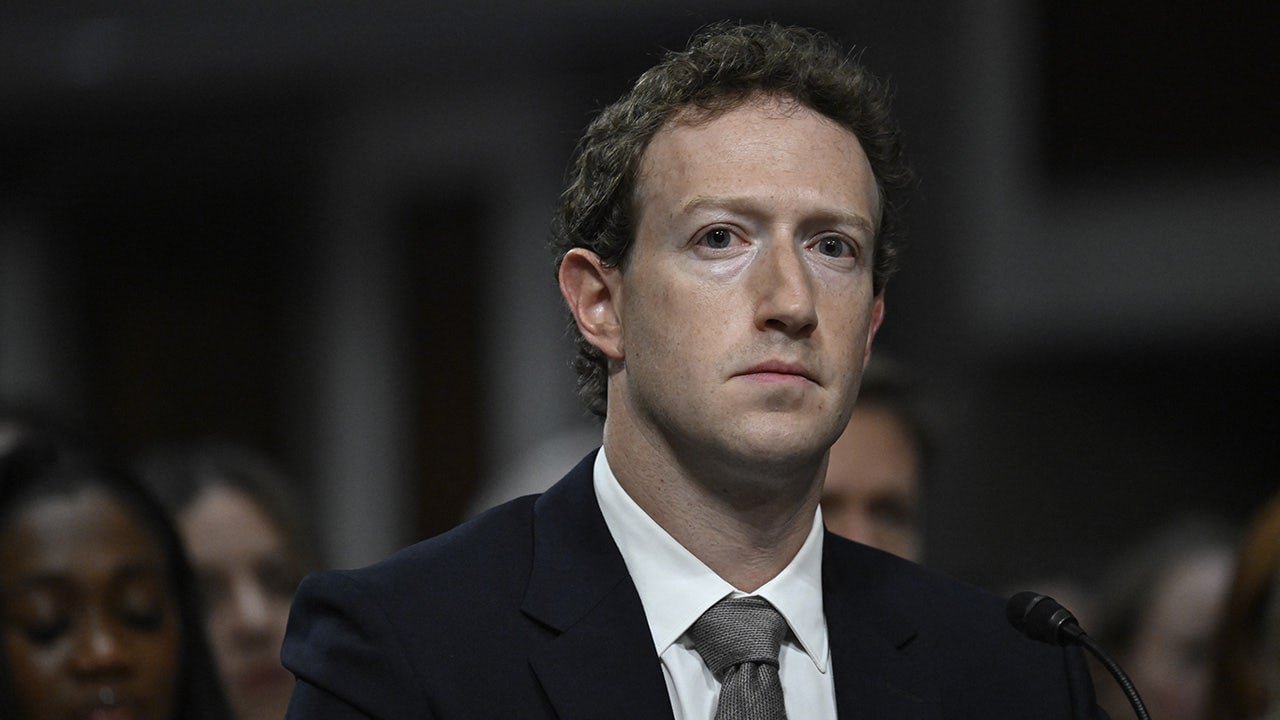
Senator Josh Hawley accuses Meta CEO Mark Zuckerberg of prioritizing the censorship of conservatives over addressing child exploitation on Facebook and Instagram, citing whistleblower claims and instances of neglect. Hawley suggests Zuckerberg allocate a portion of his wealth to help victims and remove potential predators from the platforms. He criticizes Facebook for censoring conservative content while neglecting to address sexual predators, and calls for accountability from Zuckerberg and other executives. Hawley also criticizes the FBI for focusing on politicized issues rather than cracking down on sex predators.
Senator Josh Hawley is placing holds on the nominations of two individuals who are former staffers of Senate Minority Leader Mitch McConnell, further complicating the confirmation process for President Biden's nominees. Hawley's move is seen as a way to exert pressure on McConnell, with whom he has clashed in the past, and to signal his opposition to certain policies and appointments.
Republican Senator Josh Hawley has criticized GOP leaders, including House Speaker Mike Johnson and Senate Minority Leader Mitch McConnell, after a measure compensating victims exposed to nuclear waste radiation was removed from the final version of the annual defense bill. The expansion and reauthorization of the Radiation Exposure Compensation Act had received overwhelming support in the Senate but was stripped from the House version of the bill. Hawley, a cosponsor of the measure, called the exclusion a "betrayal" to the victims and pledged to vote against the bill. The original law provided compensation to citizens exposed to nuclear waste radiation in certain states, and the reauthorization would have expanded coverage to additional sites.
Republican Senator Josh Hawley is criticizing House Speaker Mike Johnson and Senate GOP Leader Mitch McConnell for the removal of a radiation compensation reauthorization measure from the final version of the annual defense bill. The measure, which aimed to expand and reauthorize the Radiation Exposure Compensation Act, had received overwhelming support in the Senate but was dropped from the House version of the bill. Hawley, a cosponsor of the measure, called the exclusion a "betrayal" to the victims affected by radiation and pledged to vote against the bill. The original law provided compensation to those exposed to nuclear waste radiation, and the reauthorization would have extended the program and included additional sites.
The Senate has cleared the first procedural hurdle to passing the annual Defense policy bill, despite an objection from Senator Josh Hawley. The bill, which does not include a GOP-backed item blocking the Pentagon's abortion policy, is expected to be finalized in the coming weeks. Hawley's objection will complicate the timing of final passage, but Senate Armed Services Committee Chair Jack Reed still expects to wrap up the bill next week. The House is expected to pass the bill by suspending the rules of the chamber.
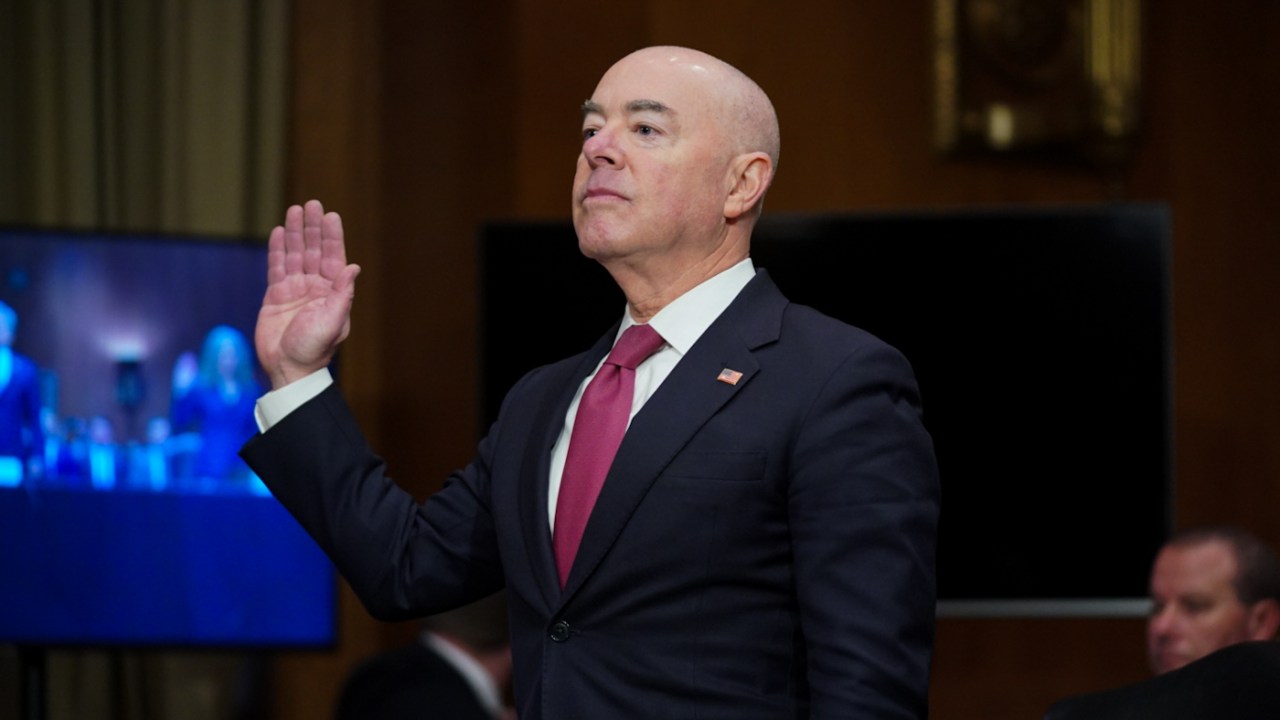
During a congressional hearing, GOP Senator Josh Hawley confronted Department of Homeland Security (DHS) Secretary Alejandro Mayorkas about antisemitic comments made by a DHS employee, leading to a heated exchange. Mayorkas called the comments "despicable" and emphasized that they do not represent the sentiments of the entire agency. Mayorkas also revealed that he is the child of a Holocaust survivor and found Hawley's adversarial tone disrespectful. The committee chair intervened to move the hearing forward, and Hawley did not raise the issue again during his subsequent questioning.
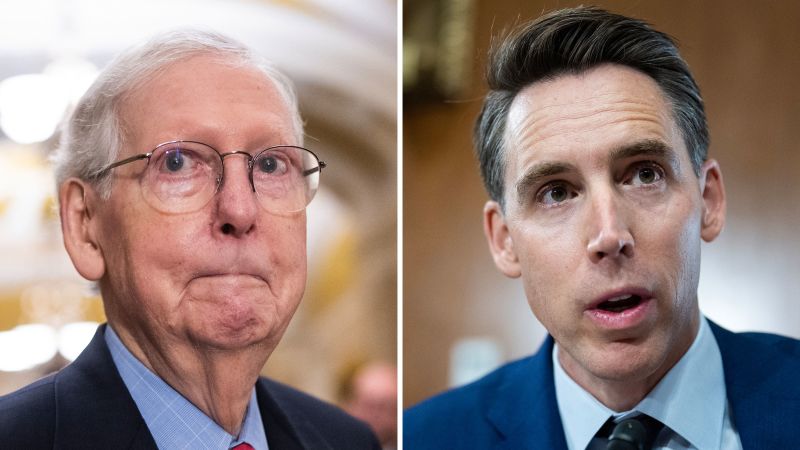
Senate GOP Leader Mitch McConnell warned Republican senators not to support a bill introduced by Sen. Josh Hawley that aims to limit corporate money in campaigns, reminding them that many of them owe their seats to the powerful super PAC he controls. McConnell cautioned that they could face backlash from the "center-right" if they backed Hawley's bill, and even mentioned Hawley himself as a beneficiary of the Senate Leadership Fund. Hawley's bill, the Ending Corporate Influence on Elections Act, seeks to reverse the Supreme Court's Citizens United decision and restrict publicly traded corporations from making independent expenditures and political advertisements.
Senator Josh Hawley, who recently appeared in solidarity with United Auto Workers on the picket line against General Motors and Ford, has received campaign donations from both automakers. Records show that his PAC received $8,500 from GM's PAC and his Senate campaign received $3,500 from Ford's PAC, among other donations. Hawley's show of support for workers has been met with skepticism from organized labor, which has criticized his record on workers' rights. Despite his recent pro-worker stance, Hawley has opposed measures important to workers, such as the PRO Act, and has aligned himself with his party's anti-union stance.
A new poll conducted by St. Louis University/YouGov reveals that former President Donald Trump is the favored candidate for the 2024 GOP presidential nomination among Missouri Republicans, with 52% of respondents supporting him. The poll also shows that Senator Josh Hawley is the most polarizing politician in the state, with high percentages of respondents expressing strong approval or disapproval of him. The survey delves into attitudes towards LGBTQ issues and education, with a majority opposing discussions of gender identity and sexual orientation in elementary and middle schools. However, at the high school level, most respondents found such discussions appropriate and opposed school bans on books featuring LGBTQ youth. The economy remains the top concern for Missourians, and Congress received the lowest approval rating among major institutions. Governor Mike Parson and Senators Eric Schmitt and Hawley all had net positive approval ratings.
Senate Democrats are strategizing for the 2024 elections and are considering a path to victory that doesn't solely rely on defeating high-profile GOP incumbents Ted Cruz, Rick Scott, and Josh Hawley. Instead, they are prioritizing holding onto their own incumbents and potentially expanding their majority by focusing on more winnable races in purple states. While Cruz, Scott, and Hawley are expected to draw significant attention and fundraising, Democrats are also targeting red states like Texas and Florida, hoping to capitalize on changing demographics and mounting opposition to the GOP incumbents.