Tag

Nanopore Technology

All articles tagged with #nanopore technology

science-and-technology1 year ago

"Dung Beetles: Nature's DNA Collectors for Biodiversity Studies"

Scientists in Peru's Manu Biosphere Reserve are using dung beetles to collect DNA samples from various wildlife species for biodiversity studies. By sequencing the DNA found in the beetles' stomachs using Nanopore technology, researchers are able to identify the animals represented in the region. This innovative approach allows for non-invasive data collection and provides insights into the diets and interactions of different species within the rainforest ecosystem.
science-and-technology2 years ago

"Breakthrough in Protein Sequencing: Engineered Nanopore Translocates Full Length Proteins"

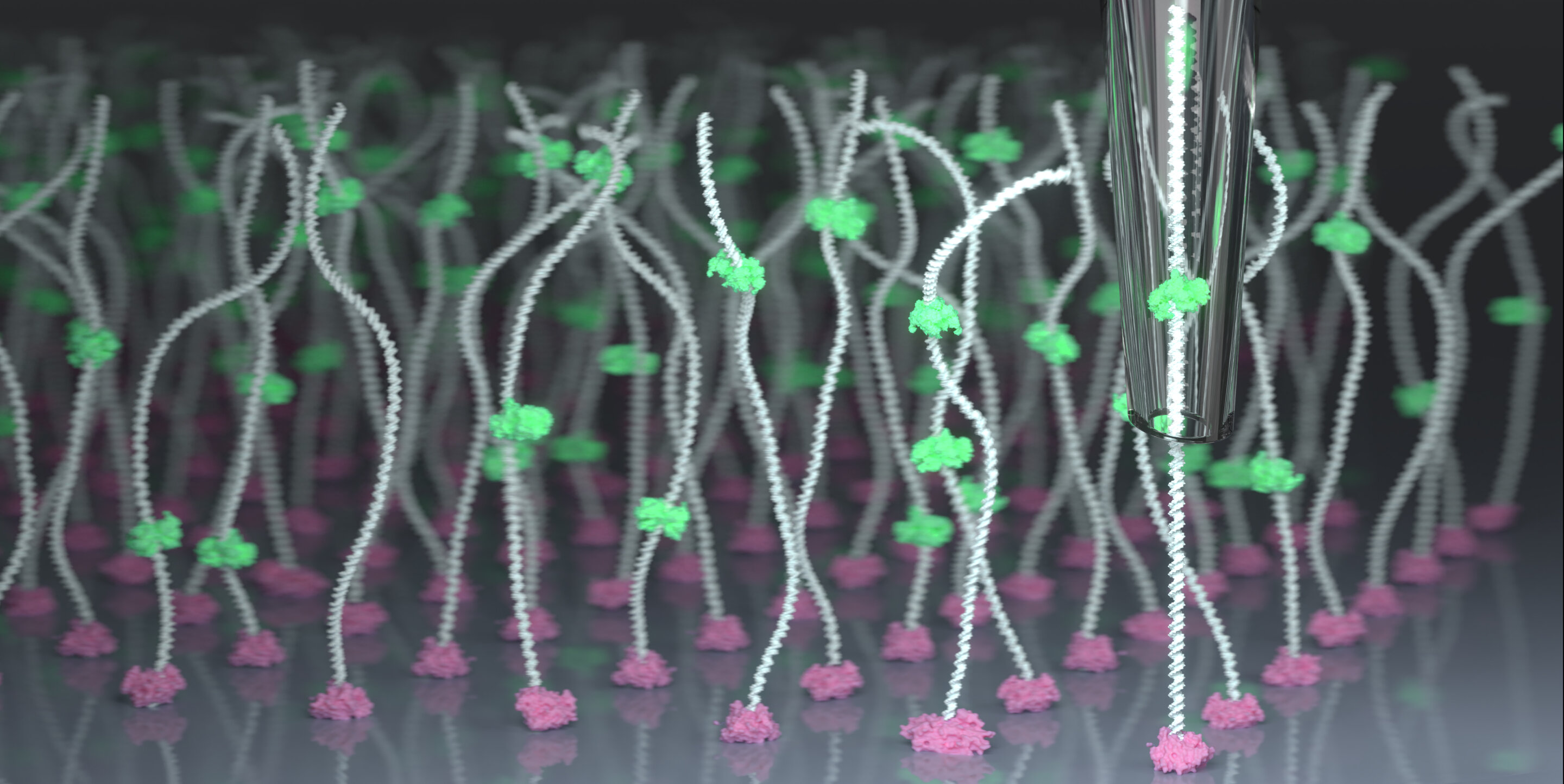
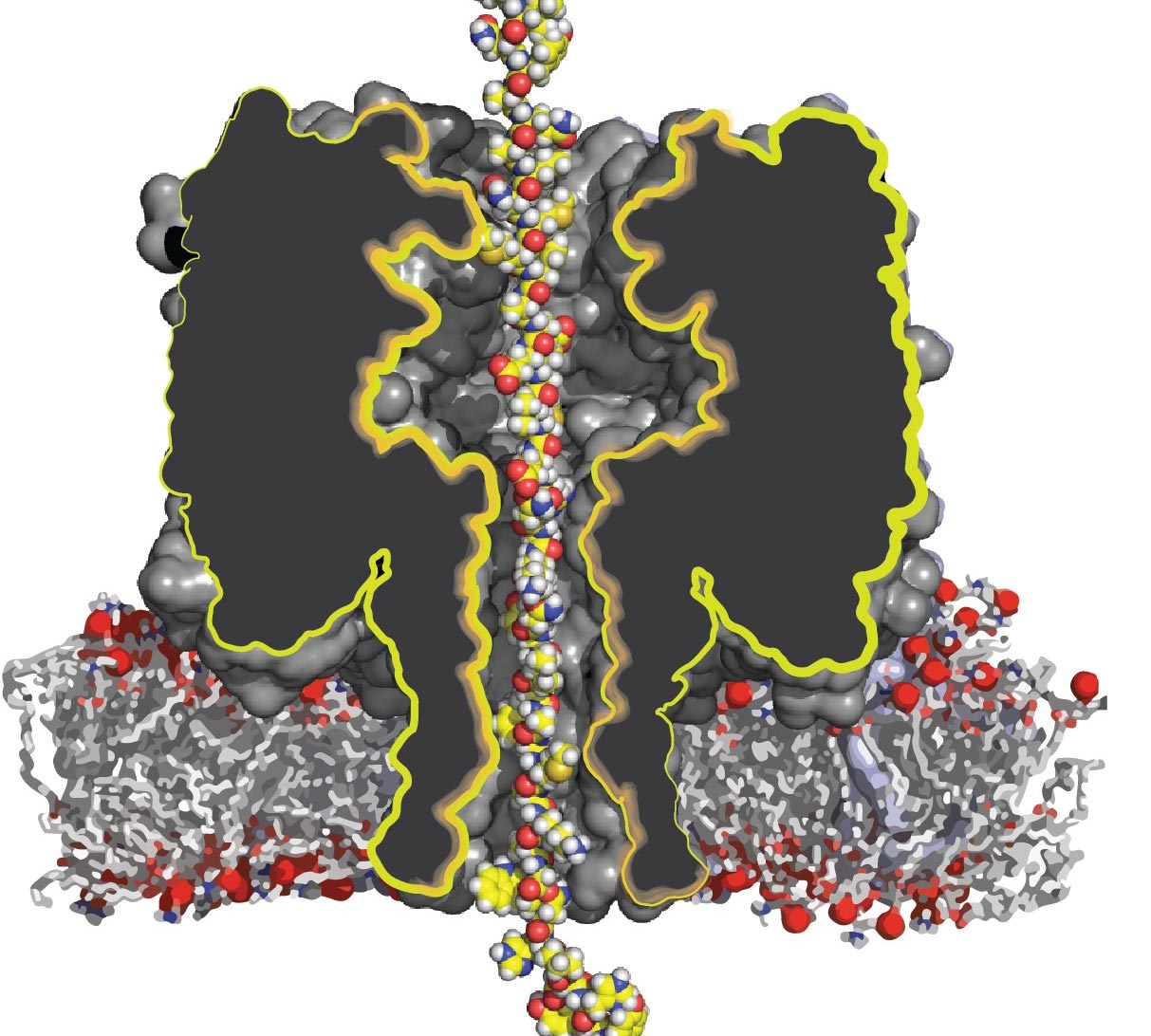
Researchers at the University of Groningen have developed a method to transport proteins through a nanopore, overcoming the challenge of moving proteins through the tiny hole. By using a solution of ions and attaching a lot of charge on the nanopore, they were able to create a directional flow strong enough to pull proteins through the nanopore. This breakthrough paves the way for single-molecule protein sequencing and has the potential to unlock new areas of the proteome. Giovanni Maglia's startup company, Portal Biotech, plans to commercialize this nanopore technology for protein sequencing.

science-and-technology2 years ago

"Nanopore Technology Revolutionizes Protein Variant Detection"

Scientists at the University of Oxford have made a breakthrough in detecting modifications on protein structures using nanopore technology. The method allows for the identification of structural variations at the single-molecule level, even within long protein chains. By capturing and unfolding proteins using nanopores, the researchers were able to measure changes in electrical current to identify different post-translational modifications. This technique could enable the rapid building of protein inventories in single cells and tissues, potentially revolutionizing point-of-care diagnostics and personalized medicine.

science-and-technology2 years ago

Advancements in Super-Resolution DNA Analysis for Extreme Precision and Control.

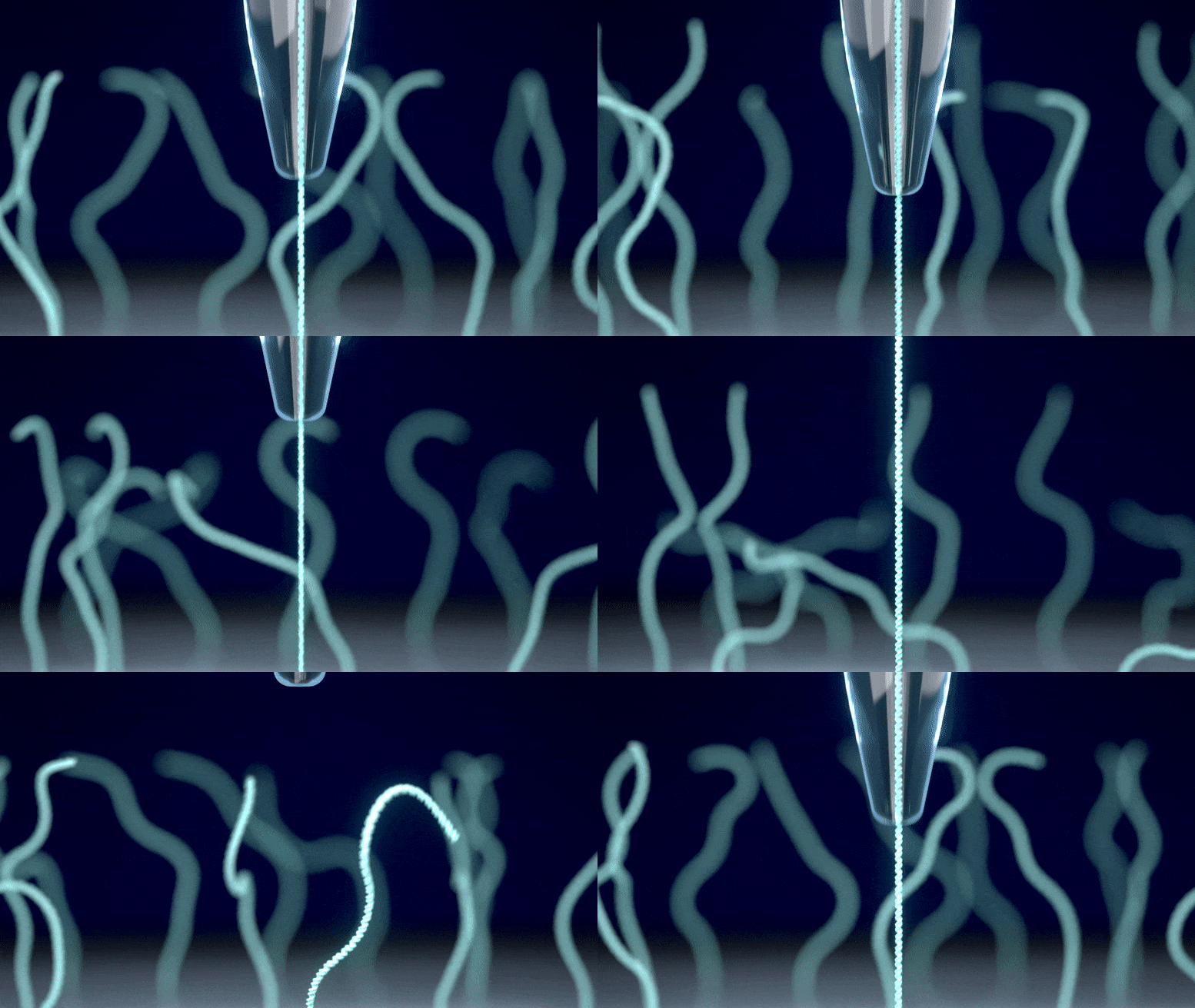
EPFL researchers have developed a new technique called scanning ion conductance spectroscopy (SICS) by integrating nanopore technology with scanning ion conductance microscopy. This technique allows for near-perfect control over the manipulation of individual molecules, resulting in unprecedented precision in identifying and characterizing molecules. The researchers achieved this control by slowing down molecule transit through the nanopore, allowing thousands of consecutive readings to be taken of the same molecule, and even of different locations on the molecule. This innovation could greatly impact DNA analysis, proteomics, and clinical research.

science-and-technology2 years ago

EPFL researchers achieve extreme DNA resolution through controlled single-molecule translocations.

EPFL researchers have combined nanopore technology with scanning ion conductance microscopy to achieve near-perfect control over the manipulation of individual molecules, allowing them to be identified and characterized with unprecedented precision. The innovation, called scanning ion conductance spectroscopy (SICS), slows molecule transit through the nanopore, allowing thousands of consecutive readings to be taken of the same molecule, and even of different locations on the molecule. The precision and versatility of this approach could be applied to molecules beyond DNA, such as protein building blocks called peptides, which could help advance proteomics as well as biomedical and clinical research.