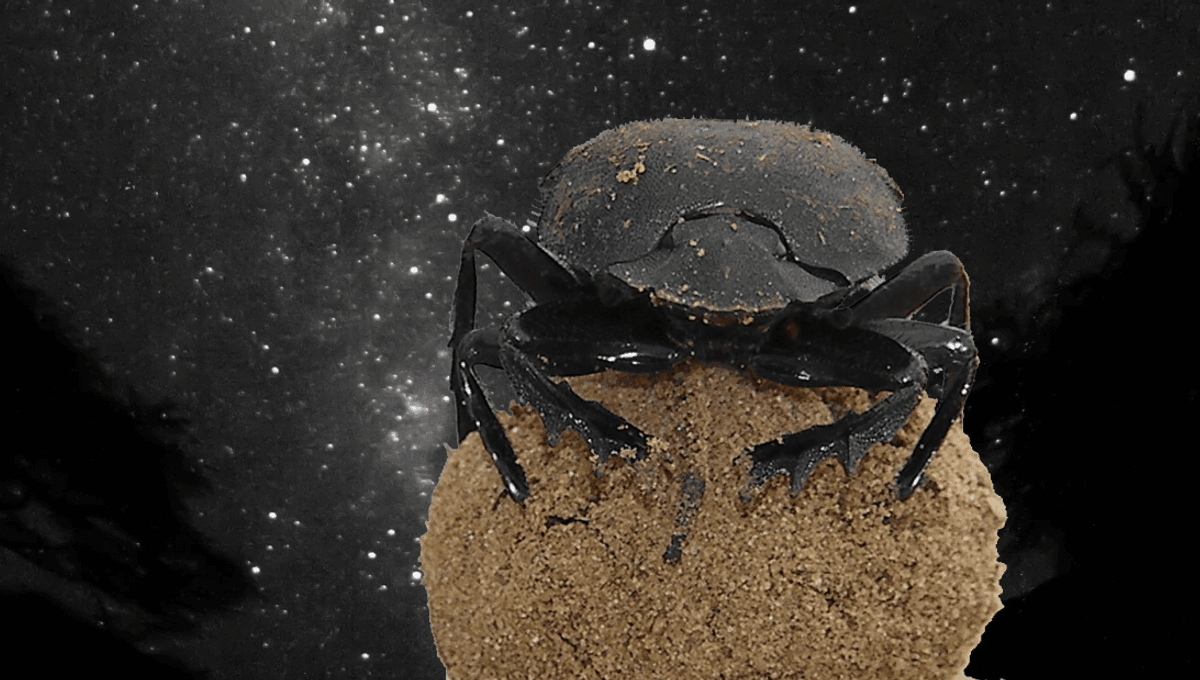
Research shows that dung beetles and Bogong moths can navigate using the stars, with dung beetles orienting by the Milky Way and moths flying up to 1,000 km by star positions, demonstrating complex celestial navigation in insects.
Scientists in Peru's Manu Biosphere Reserve are using dung beetles to collect DNA samples from various wildlife species for biodiversity studies. By sequencing the DNA found in the beetles' stomachs using Nanopore technology, researchers are able to identify the animals represented in the region. This innovative approach allows for non-invasive data collection and provides insights into the diets and interactions of different species within the rainforest ecosystem.
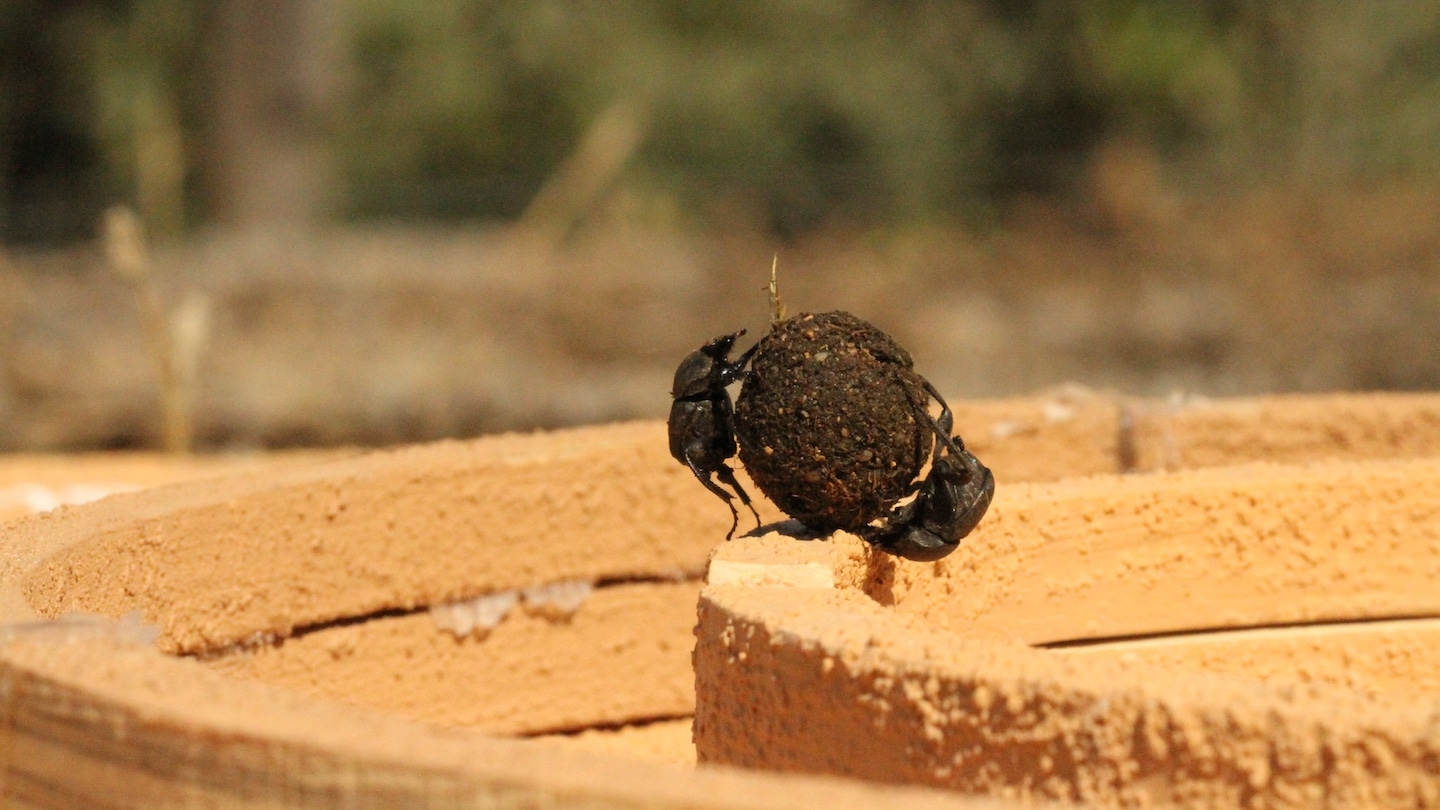
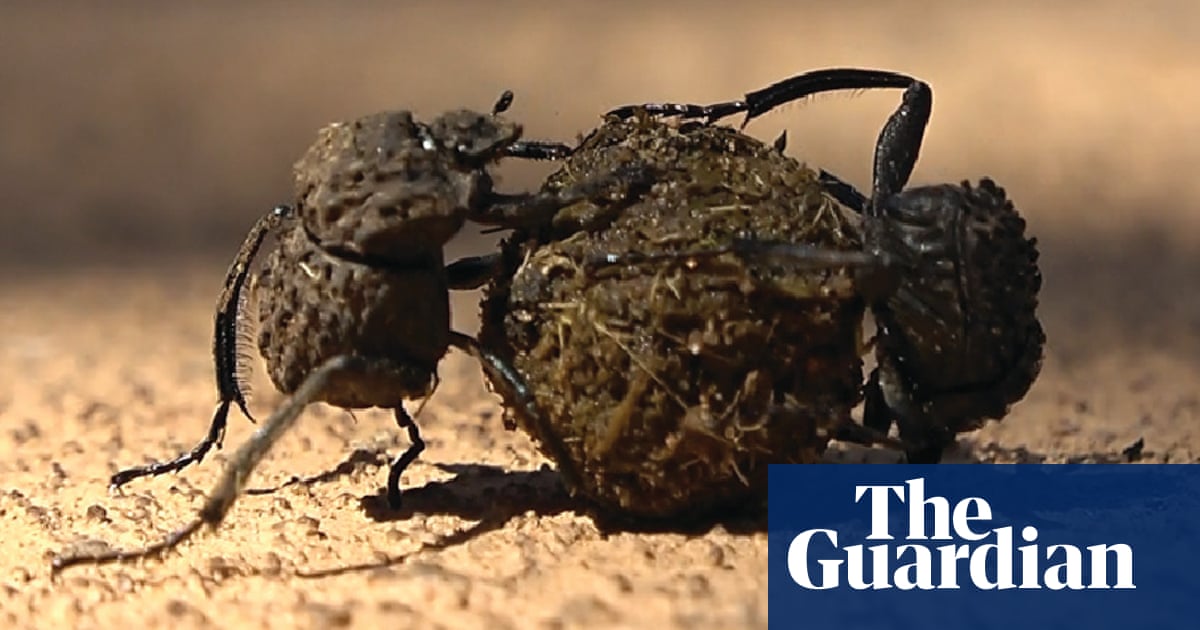
A recent study has found that certain species of dung beetles work together in male-female pairs to move and bury balls of fecal matter more efficiently, ultimately using them to breed. The beetles divide tasks based on sex, with females pushing the dung ball from behind and males pulling it from the front. This cooperative technique allows them to roll the dung away from potential rivals and overcome obstacles in their woodland habitats. The study highlights the importance of dung beetles in regulating ecosystems by processing dung, improving soil quality, and controlling parasites.
Male and female dung beetles in South Africa have been observed coordinating their actions to roll dung balls over obstacles, with males grabbing the ball from above and females performing headstands to push the ball off the ground with their legs. This cooperative behavior, observed in spider dung beetles, is unique as the beetles do not know their final destination. Researchers found that pairs of beetles were faster and more efficient than single ones when faced with obstacles, but the mechanism of their coordination remains a mystery due to the beetles' small brains.