Tag

Post Translational Modifications

All articles tagged with #post translational modifications

science2 years ago

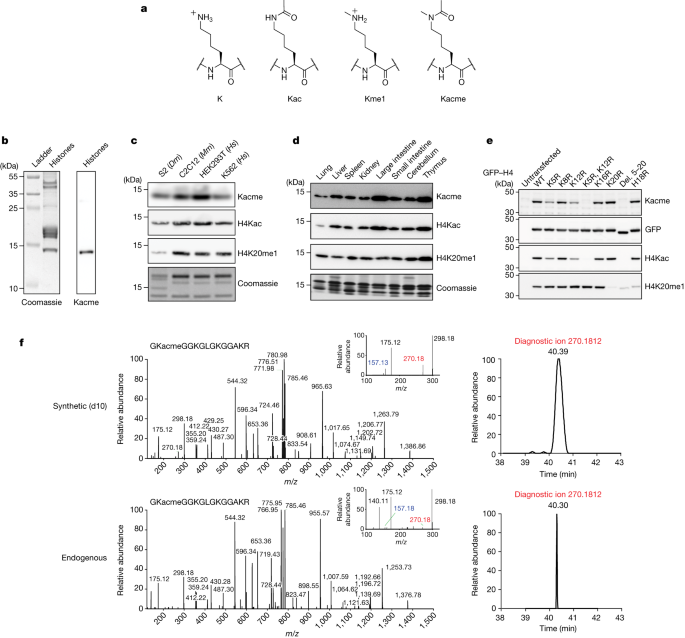
"Acetyl-methyllysine: A Key Marker for Active Transcription Start Sites"

Researchers have discovered that acetyl-methyllysine, a reversible lysine post-translational modification, marks chromatin at active transcription start sites. This modification plays a crucial role in regulating RNA synthesis and gene expression. The study provides insights into the molecular mechanisms of epigenetic control and highlights the importance of acetyl-methyllysine in chromatin structure and protein interactions. The data from various experiments have been made available in public databases for further analysis.
science-and-technology2 years ago

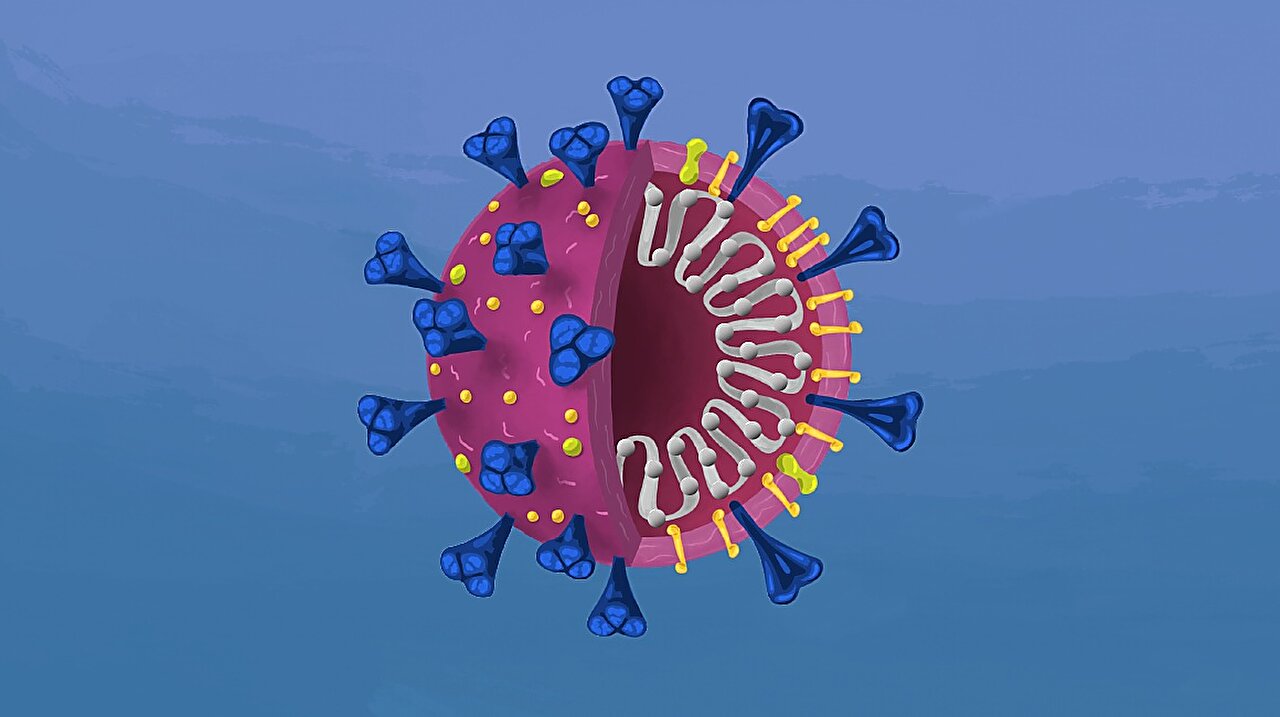
Unveiling COVID's Achilles' heel: Scientists identify key proteins for infection

Scientists at UC Riverside have discovered that COVID-19 relies on key human proteins for its replication. The virus takes advantage of a post-translational process called SUMOylation, which directs the virus' N protein to the right location for packaging its genome after infecting human cells. By blocking access to these human proteins, it may be possible to prevent the virus from infecting people. This finding could lead to the development of a new class of antiviral medications that target not only COVID-19 but also other viruses such as the flu, RSV, and Ebola.

science-and-technology2 years ago

"Nanopore Technology Revolutionizes Protein Variant Detection"

Scientists at the University of Oxford have made a breakthrough in detecting modifications on protein structures using nanopore technology. The method allows for the identification of structural variations at the single-molecule level, even within long protein chains. By capturing and unfolding proteins using nanopores, the researchers were able to measure changes in electrical current to identify different post-translational modifications. This technique could enable the rapid building of protein inventories in single cells and tissues, potentially revolutionizing point-of-care diagnostics and personalized medicine.

science-and-technology2 years ago

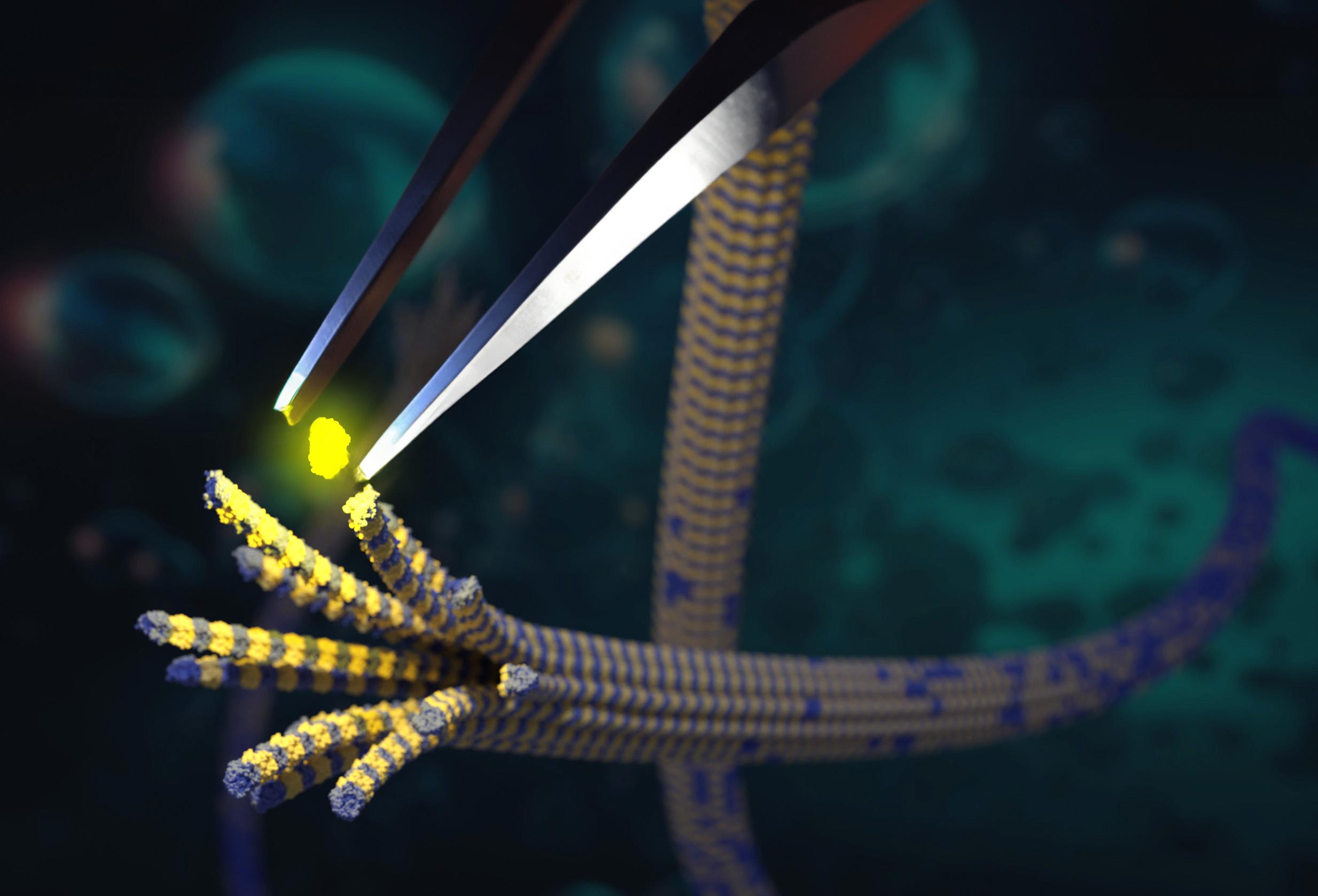
Decoding Cellular Mechanics: The Tubulin Code Unveiled

Researchers from EPFL and the University of Geneva have developed "designer tubulins" with specific post-translational modifications (PTMs) to gain insights into the functions of tubulin in cells. By engineering tubulins with precise combinations of PTMs, the team discovered an interaction between two key PTMs, polyglutamylation and detyrosination, which play crucial roles in diseases. This new method of producing tubulins with defined PTMs can advance our understanding of their molecular function and provide insights into how dysregulation of these PTMs leads to diseases.