
EPFL researchers achieve extreme DNA resolution through controlled single-molecule translocations.
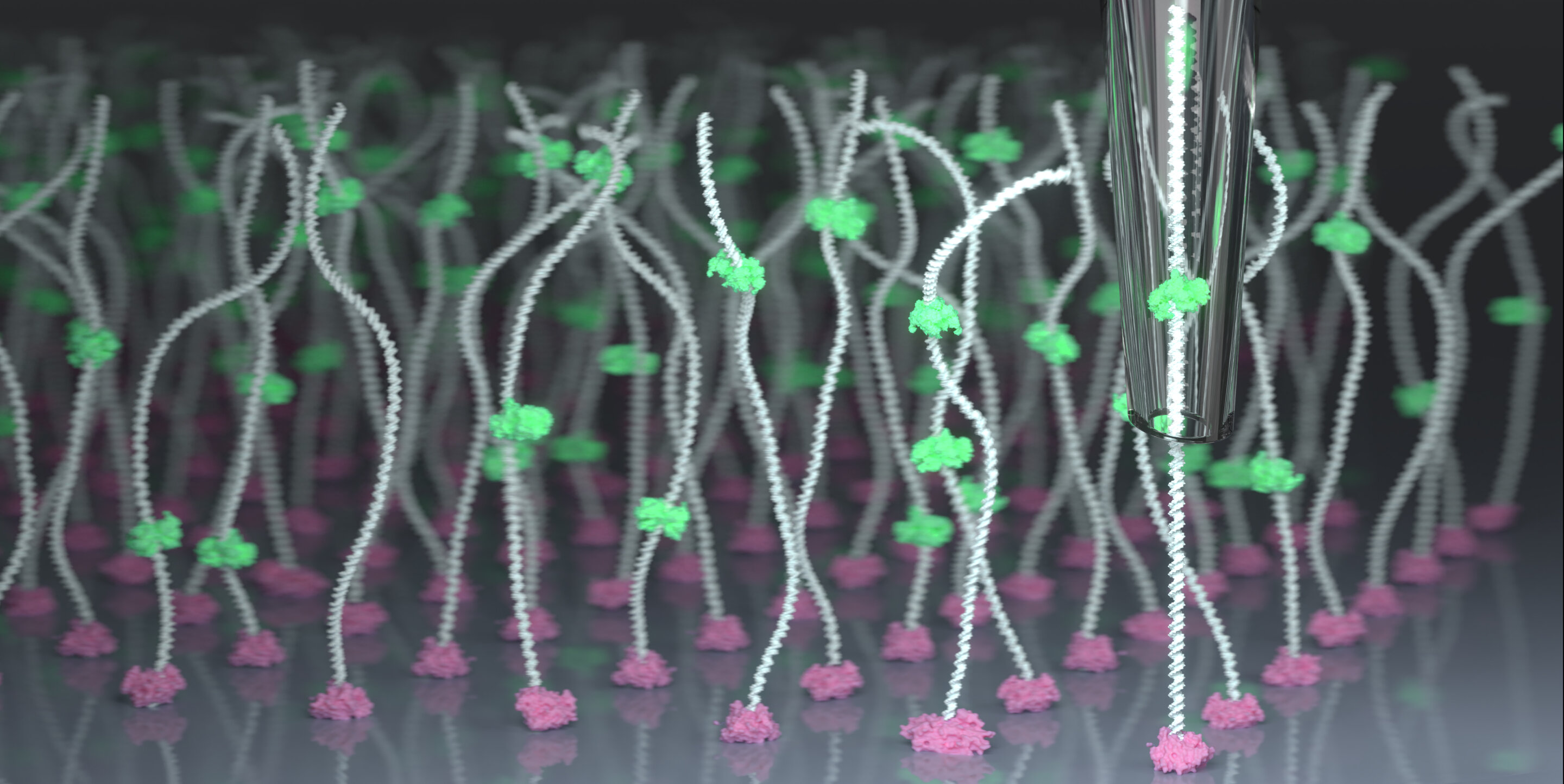
EPFL researchers have combined nanopore technology with scanning ion conductance microscopy to achieve near-perfect control over the manipulation of individual molecules, allowing them to be identified and characterized with unprecedented precision. The innovation, called scanning ion conductance spectroscopy (SICS), slows molecule transit through the nanopore, allowing thousands of consecutive readings to be taken of the same molecule, and even of different locations on the molecule. The precision and versatility of this approach could be applied to molecules beyond DNA, such as protein building blocks called peptides, which could help advance proteomics as well as biomedical and clinical research.
Reading Insights
0
7
3 min
vs 4 min read
87%
729 → 98 words
Want the full story? Read the original article
Read on Phys.org