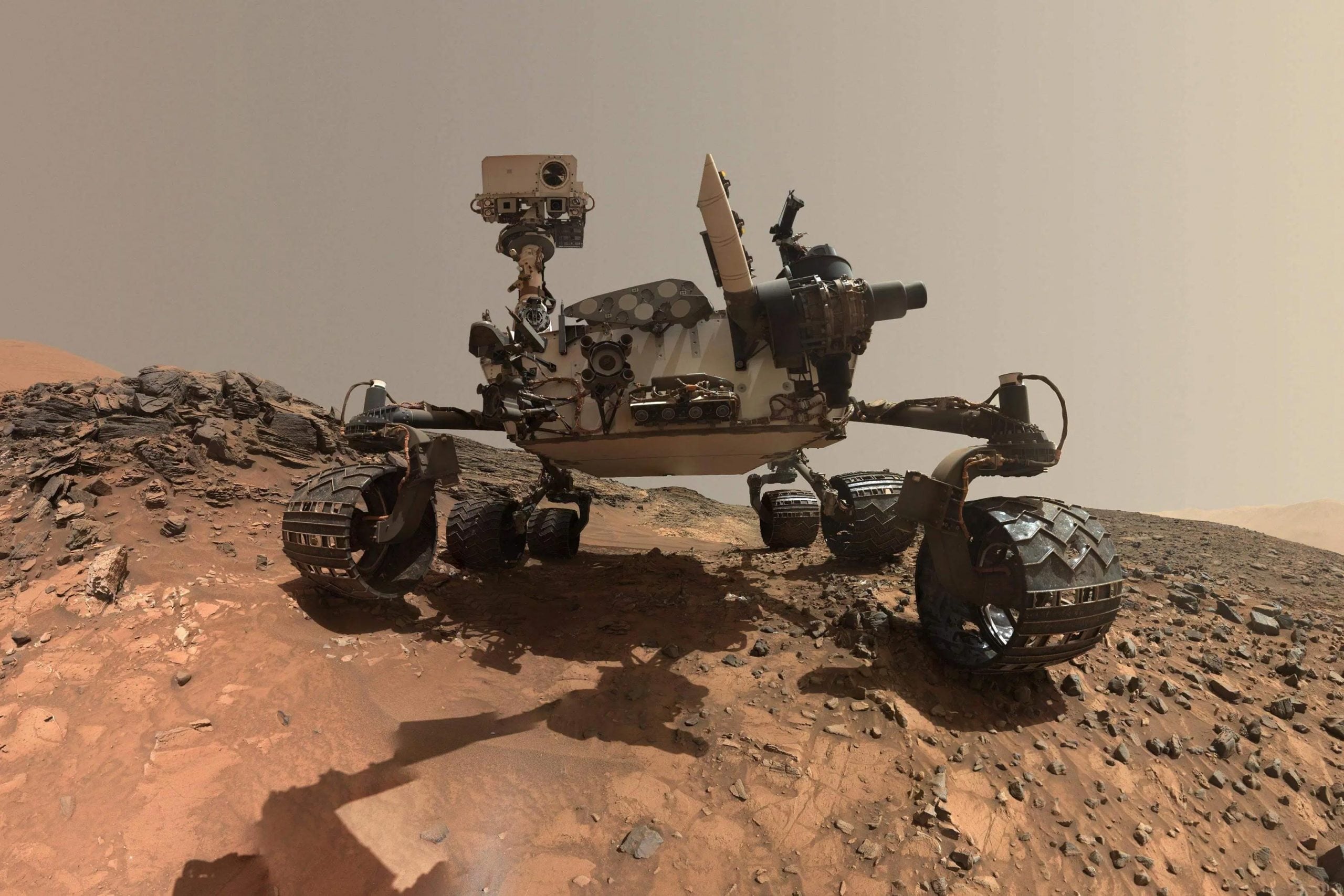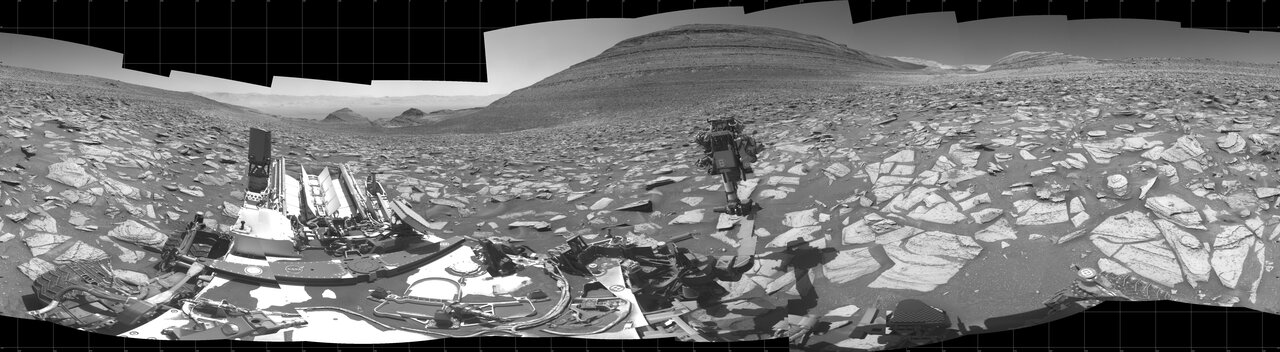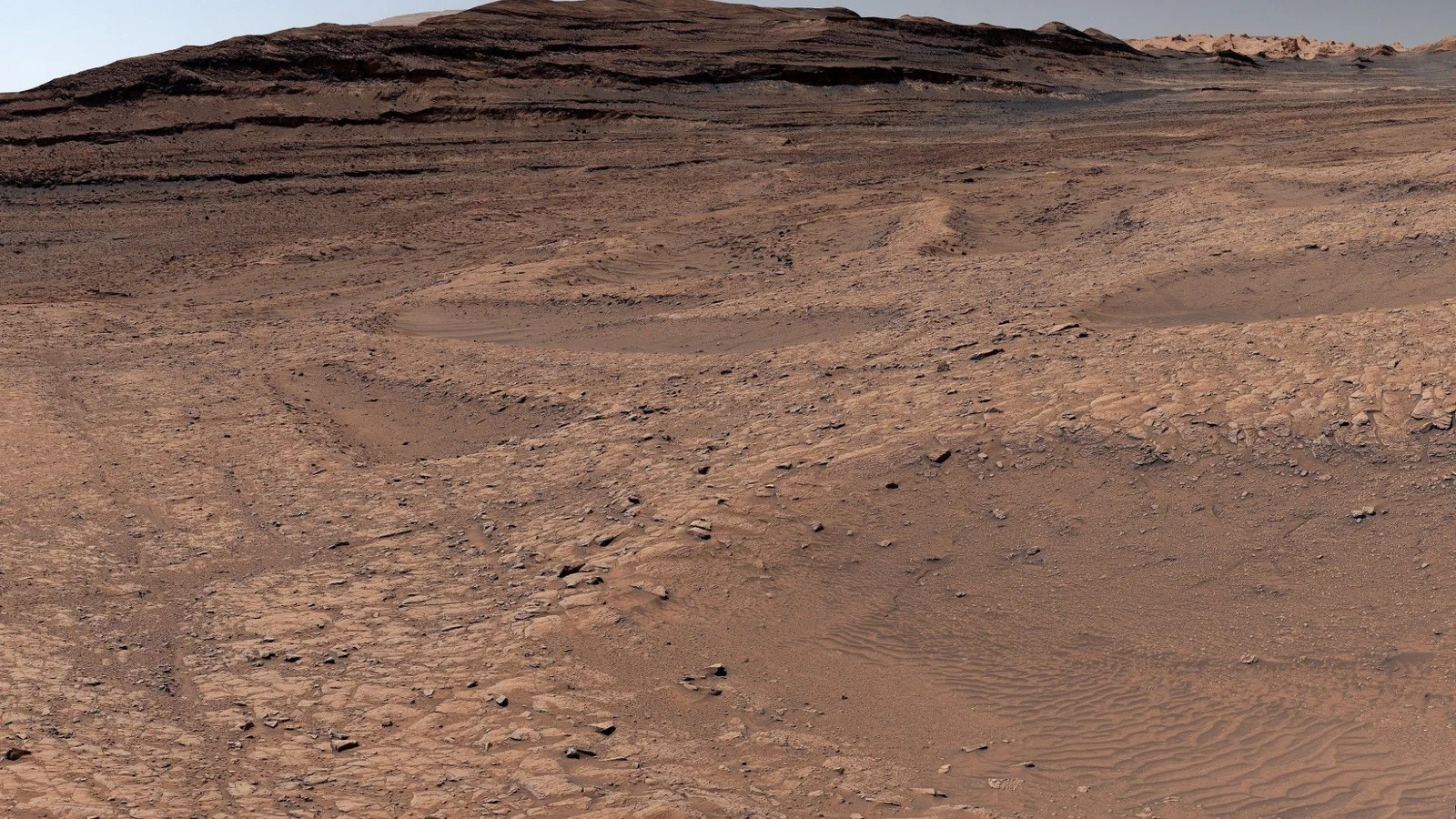
NASA's Curiosity rover captured a stunning panoramic view from Mount Sharp on Mars, highlighting ancient water-related geological features and continuing its scientific mission after over a decade on the planet.
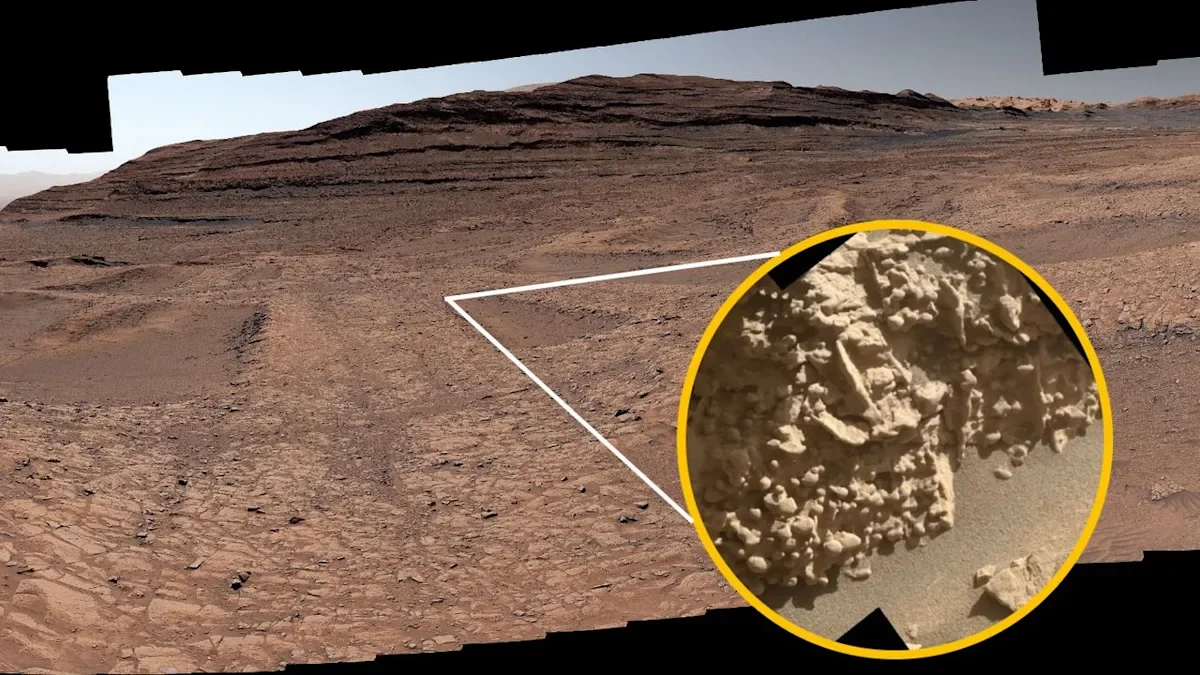
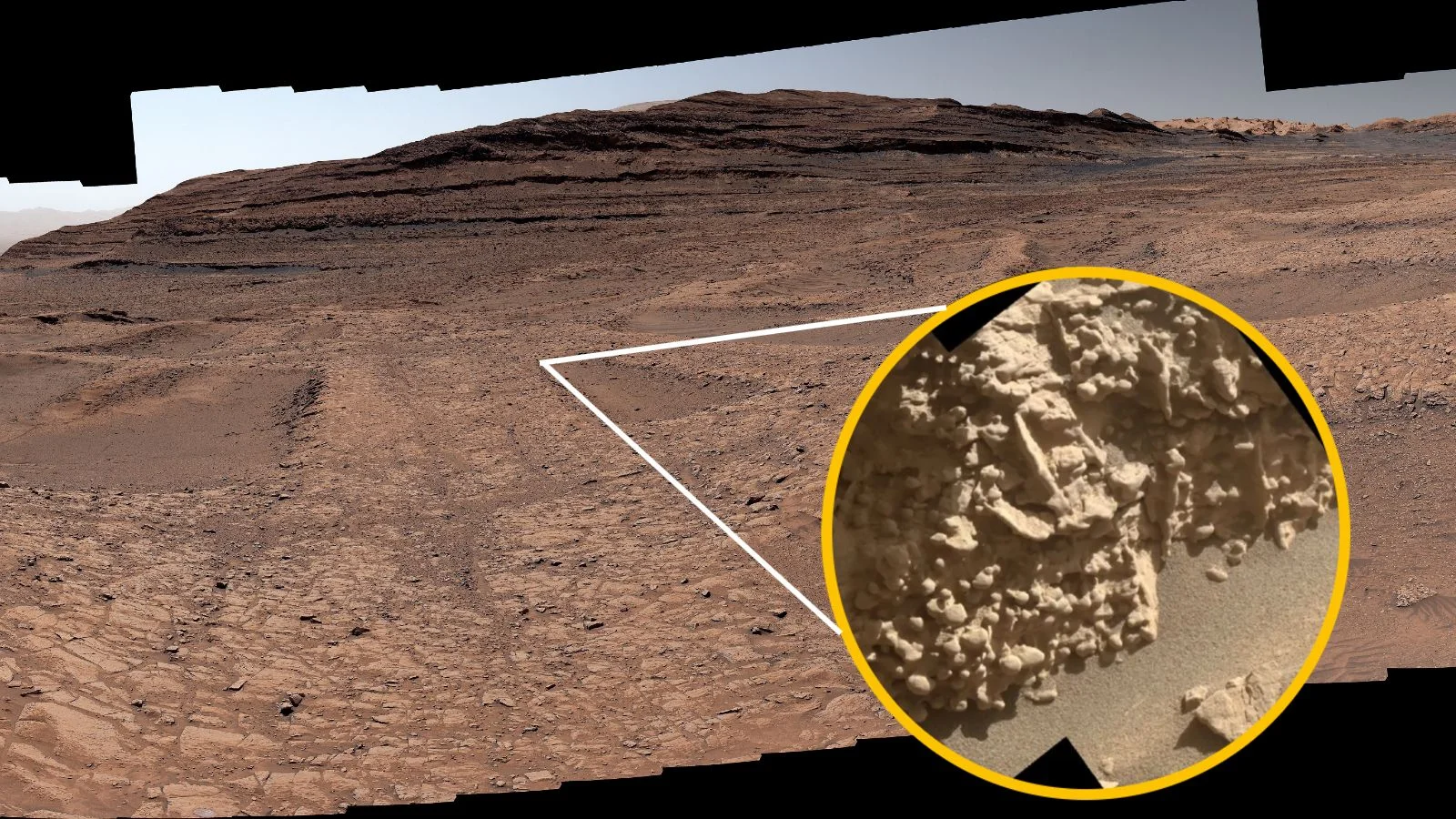
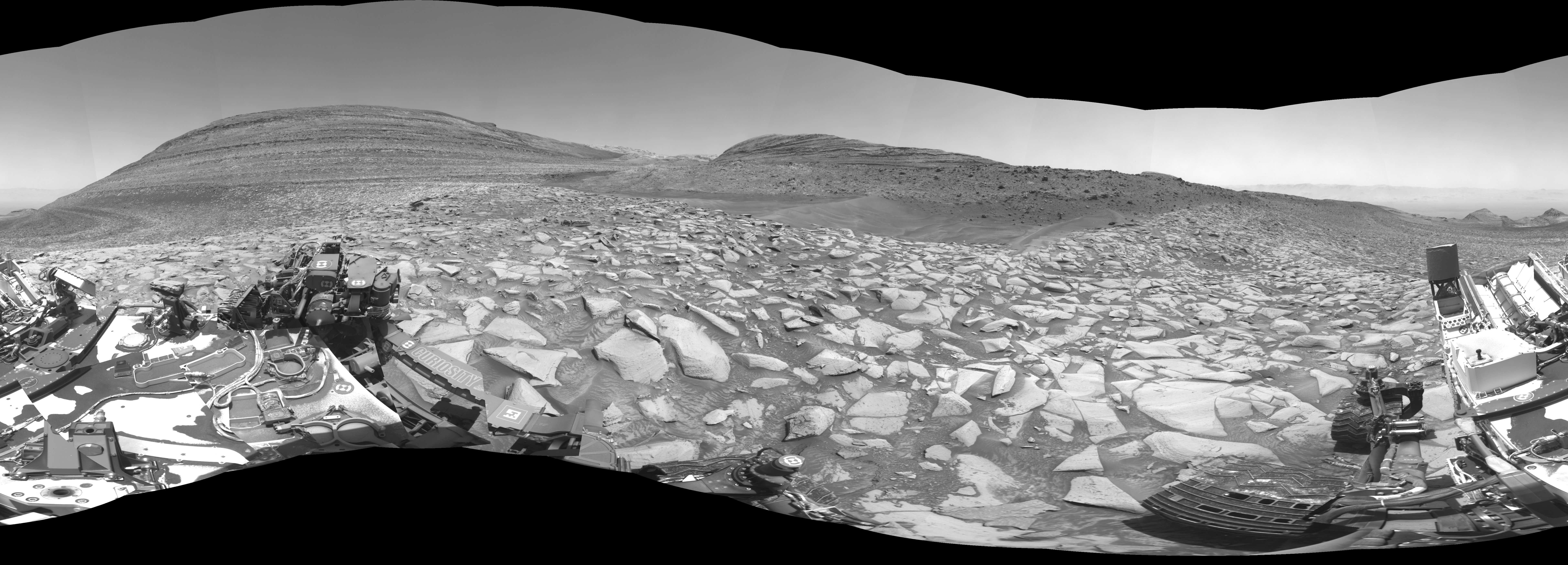
NASA's Curiosity rover captured a 360-degree image of Mars' landscape, revealing 'spiderwebs' or boxwork patterns formed by ancient groundwater flow, which may have supported microbial life, at the base of Mount Sharp in Gale Crater.
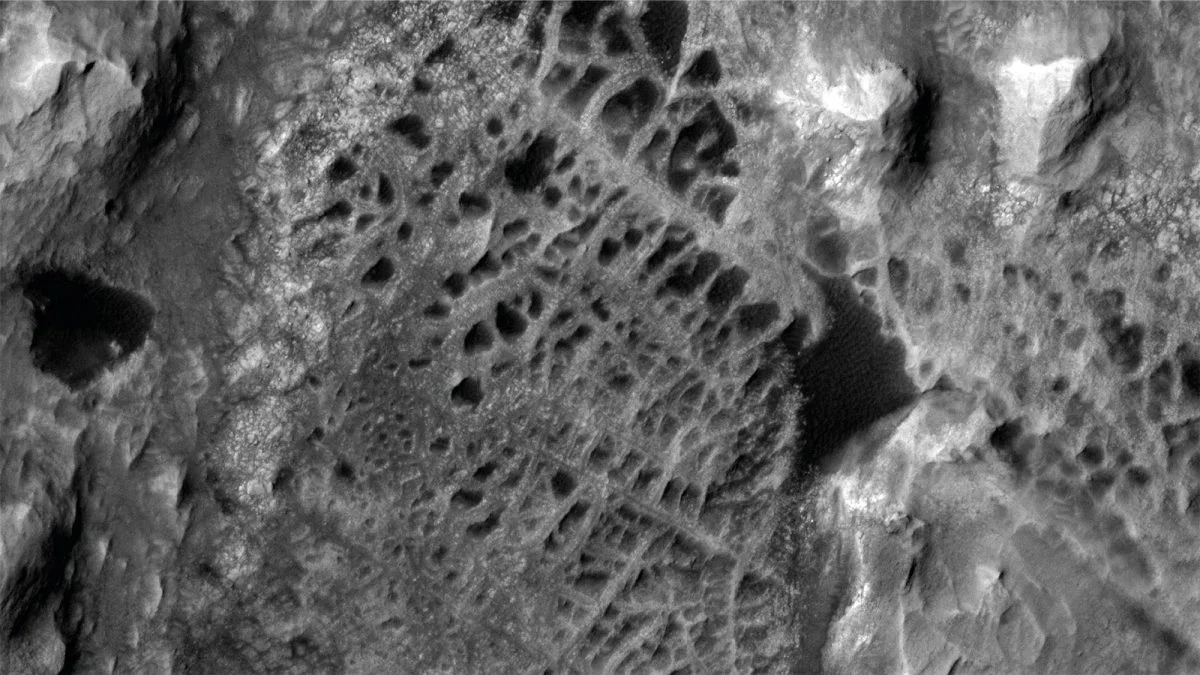
NASA's Curiosity rover captured a 360-degree image of low ridges on Mars, resembling spiderwebs, at the base of Mount Sharp in Gale Crater. These patterns, formed by ancient groundwater flow, are of interest because they may have supported microbial life, helping scientists study Mars' past habitability.
NASA's Curiosity rover has discovered unique 'boxwork' formations on Mars, indicating ancient groundwater activity and providing new insights into the planet's geological history and past climate changes, especially around Mount Sharp in Gale Crater.
NASA's Curiosity rover is set to explore a unique spiderweb-like formation on Mars, known as a "boxwork," located at the foothills of Mount Sharp. This miles-long pattern, formed by minerals deposited by ancient groundwater, could provide insights into Mars' past habitability and potential microbial life. The rover's mission will offer the first close-up examination of these structures, which are larger than any similar formations found on Earth. The exploration is expected to begin in 2025.
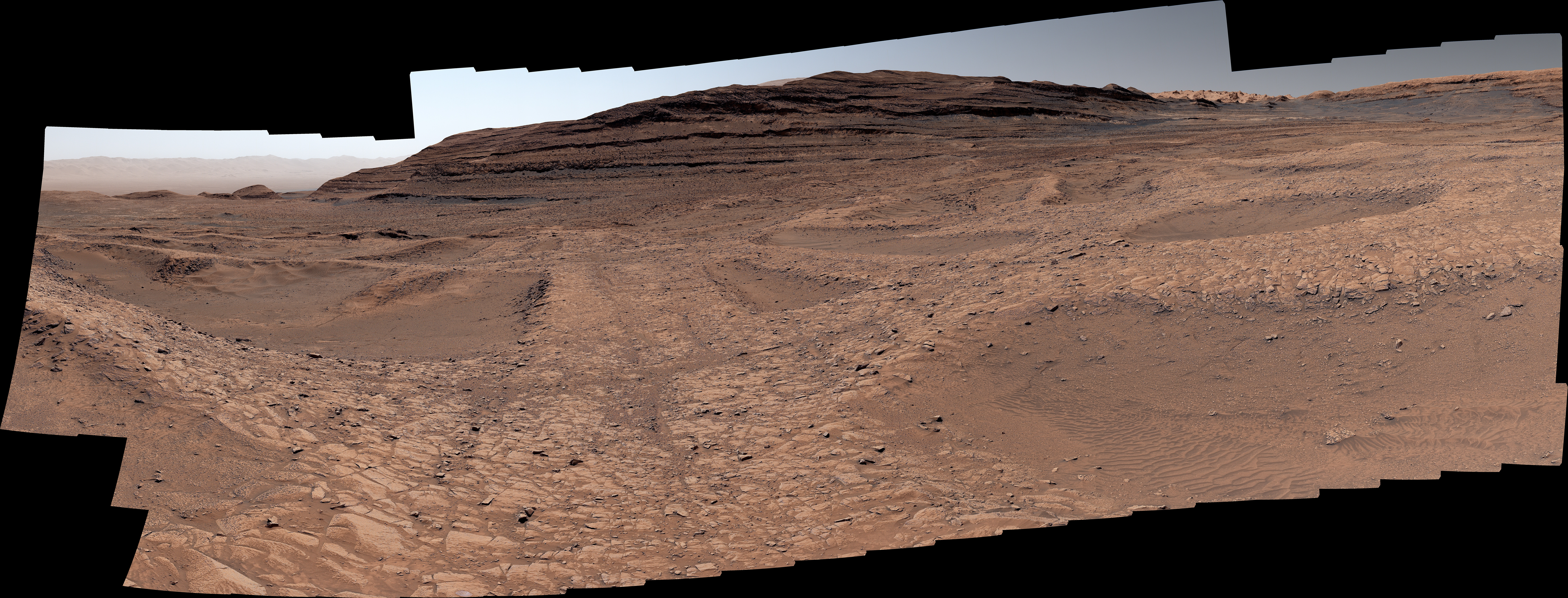
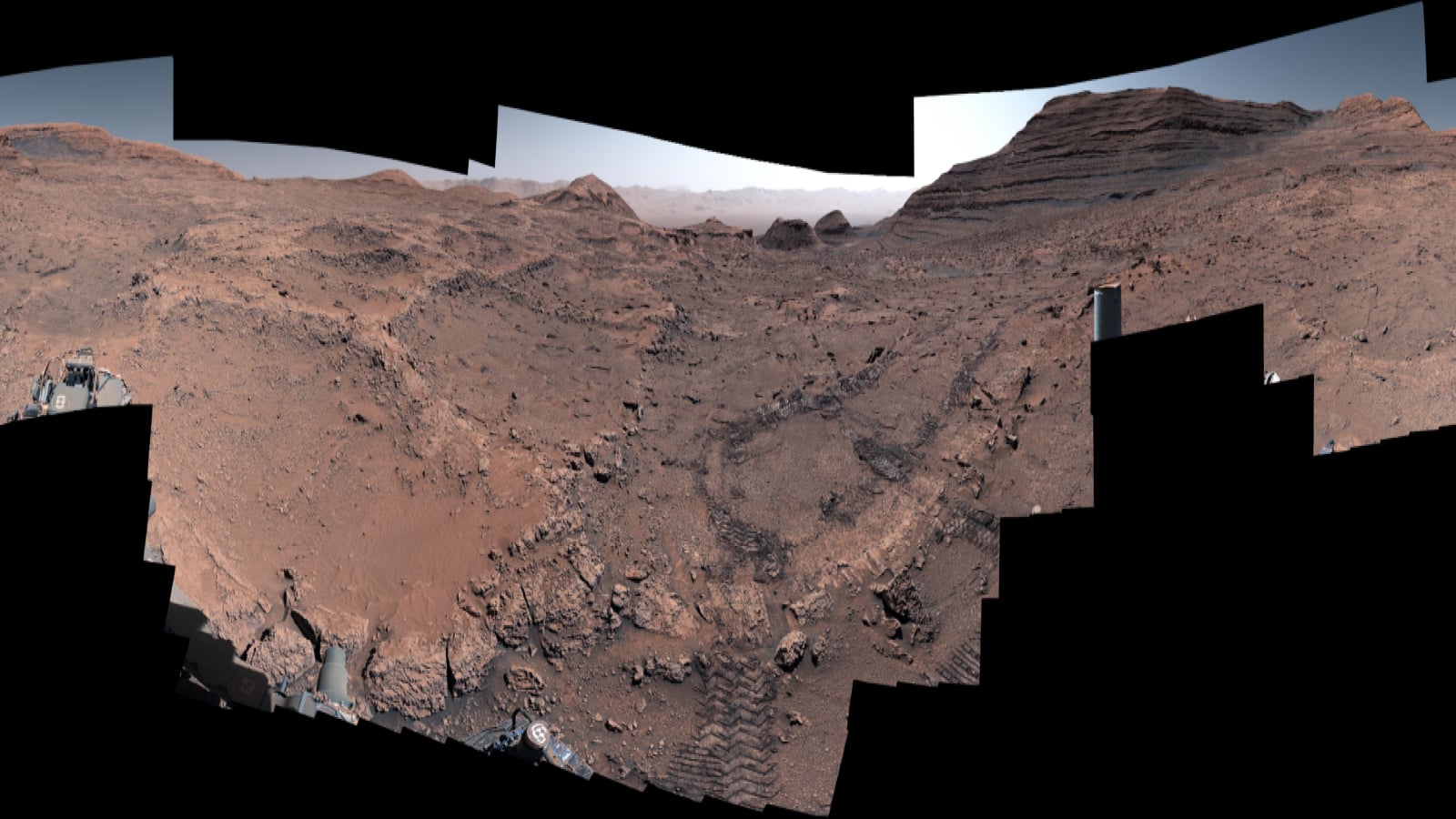
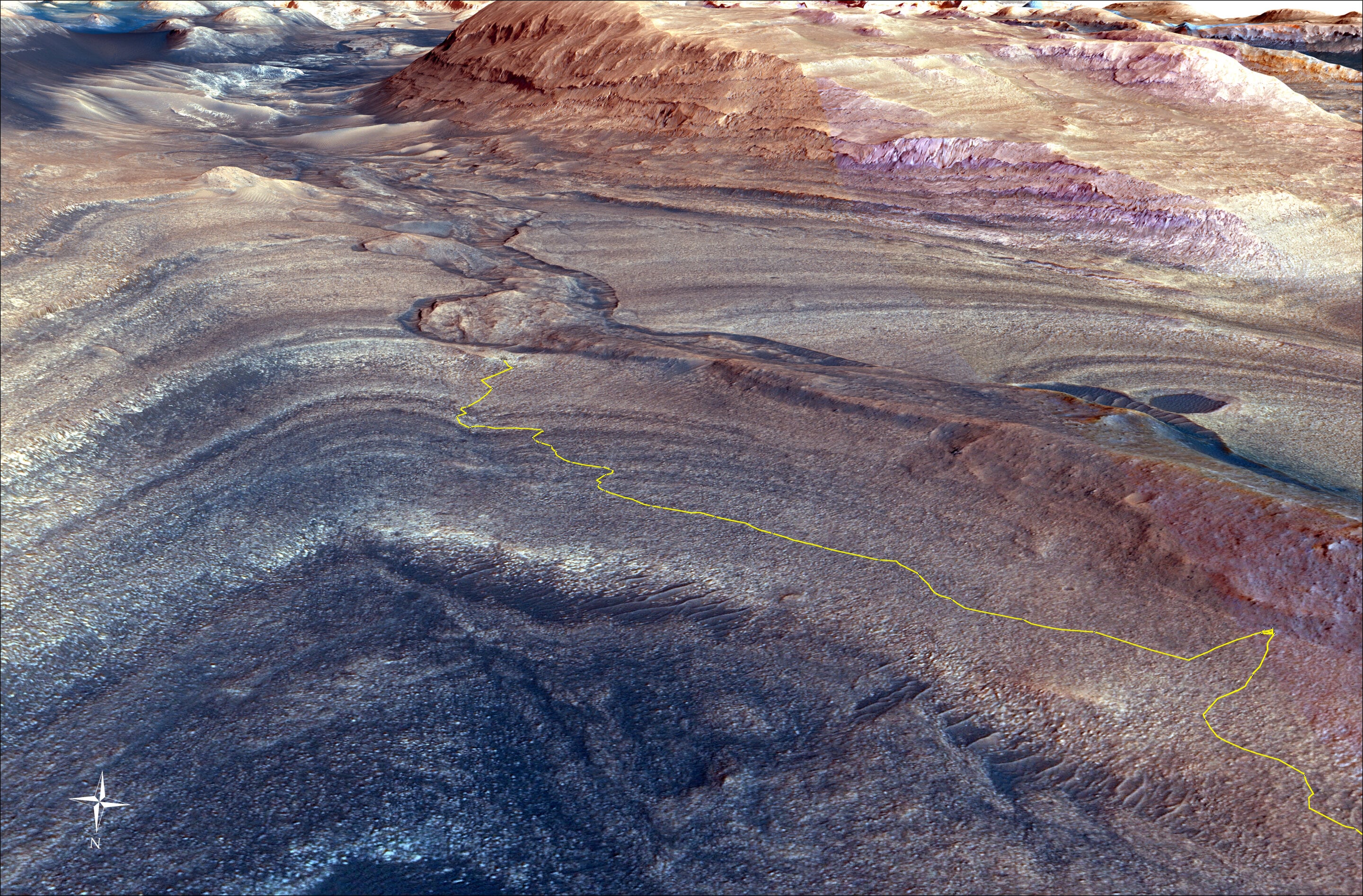
NASA's Curiosity rover is exploring the Gediz Vallis channel on Mars, uncovering potential evidence of prolonged water flows and climatic changes that challenge previous beliefs about the planet's aridity. The rover's exploration of this area could revise the timeline for the formation of Mount Sharp, providing insights into the history of water on Mars. Scientists are intrigued by the possibility that the channel was carved by liquid water, indicating phases of water presence rather than a gradual disappearance. Curiosity's documentation of the channel with a 360-degree panorama provides valuable data as it continues its exploration.
NASA's Curiosity rover is exploring a new region on Mars, Gediz Vallis channel, to uncover clues about the disappearance of liquid water from the planet's surface. Scientists are intrigued by the possibility that the winding channel was carved by an ancient river and are searching for evidence to confirm its formation. The rover's exploration of this area could revise the timeline for the formation of Mount Sharp and provide insights into the history of water on Mars, including evidence of water coming and going in phases.
NASA's Curiosity rover is exploring a new region on Mars, Gediz Vallis, which may provide clues about the planet's ancient water history. Scientists are intrigued by the possibility that the winding channel was carved by an ancient river, and they are searching for evidence to confirm this theory. The rover's exploration of this area could potentially revise the timeline for the formation of Mount Sharp, shedding light on the presence of water and the chemical ingredients required for life on Mars over millions of years.
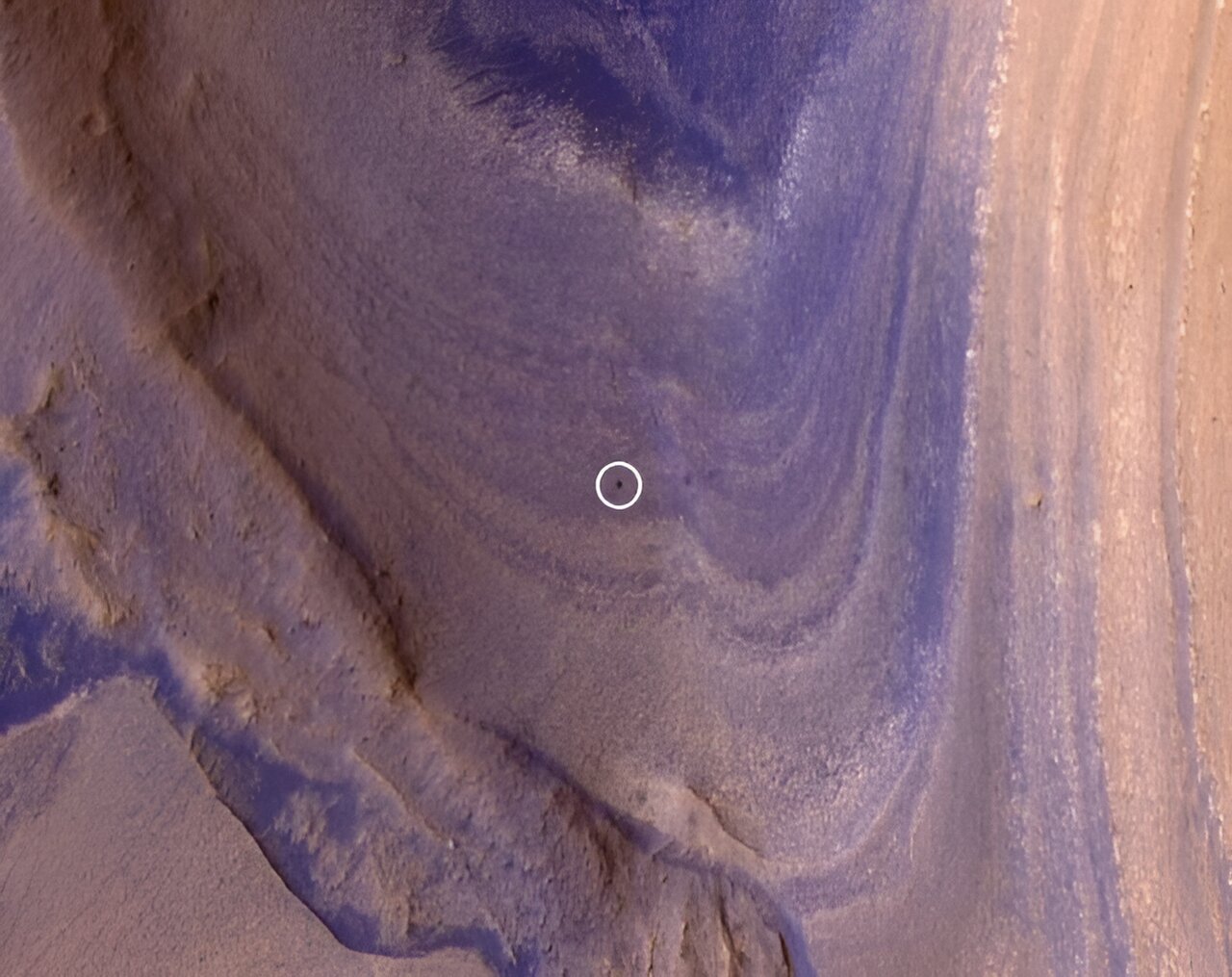
NASA's Curiosity rover is currently exploring an ancient ridge on the side of Mount Sharp, a peak in a crater on Mars, and is capturing images of dramatic striped terrain. The rover is investigating the remnants of ancient water flows and debris deposits, aiming to understand the formation processes and timeline of these features. The Mars Reconnaissance Orbiter recently captured an image of Curiosity as it ascends a steep ridge, providing a unique perspective of the rover's exploration on the red planet.
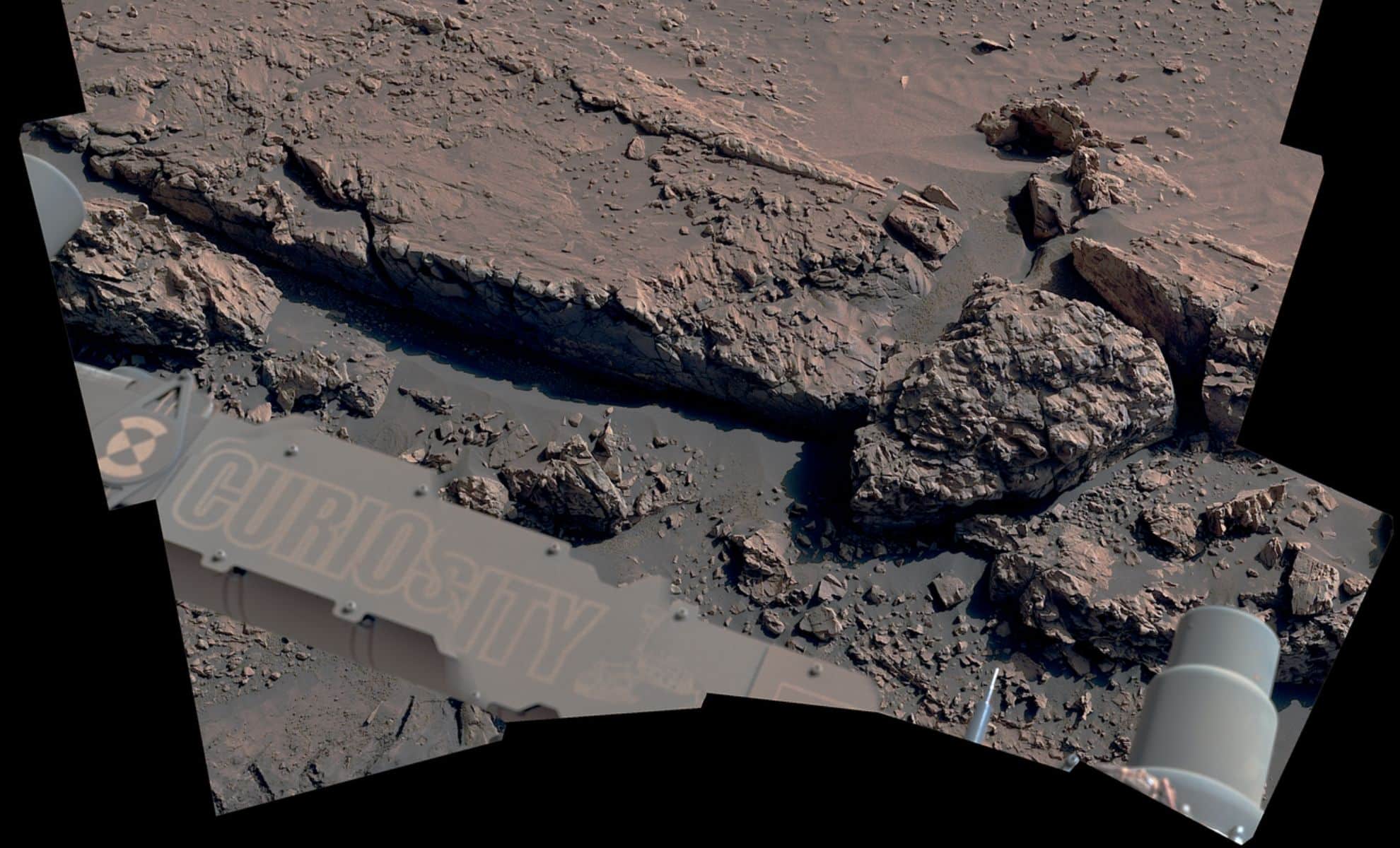
NASA's Curiosity rover is currently exploring an ancient ridge on the side of Mount Sharp on Mars, known as Gediz Vallis Ridge, which preserves a record of past water flow on the planet. The rover is investigating the alternating dark and light bands of material, which are believed to be the desiccated remains of ancient flooding. Scientists are interested in understanding the formation of these terrains and whether they were created by similar processes to those on Earth. The rover's mission aims to uncover clues about the sequence of events that led to the formation of the ridge and to study the mineral compositions of the rocks to determine their exposure to water over time.
NASA's Curiosity rover has reached a milestone of 4,000 Martian days on Mars since its landing in 2012. The rover recently collected its 39th sample, which will provide insights into the evolution of Mars' climate and habitability. Scientists hope to learn more about how the planet's climate changed over time as they study the layers of Mount Sharp. Despite some technical issues, Curiosity remains strong and continues to explore the Red Planet.
NASA's Curiosity rover has reached a significant milestone, completing 4,000 Martian days on the Red Planet. Despite the wear and tear from its 11-year journey, the rover continues to conduct scientific research, recently drilling its 39th sample for analysis. Curiosity is gradually ascending Mount Sharp to study the planet's changing climate over time and determine if it once had conditions suitable for microbial life. The latest sample, collected from a rock nicknamed "Sequoia," may provide insights into how Mars evolved as it dried up billions of years ago. Engineers are currently addressing an issue with one of the rover's cameras, but overall, Curiosity remains strong and is expected to operate for many more years.
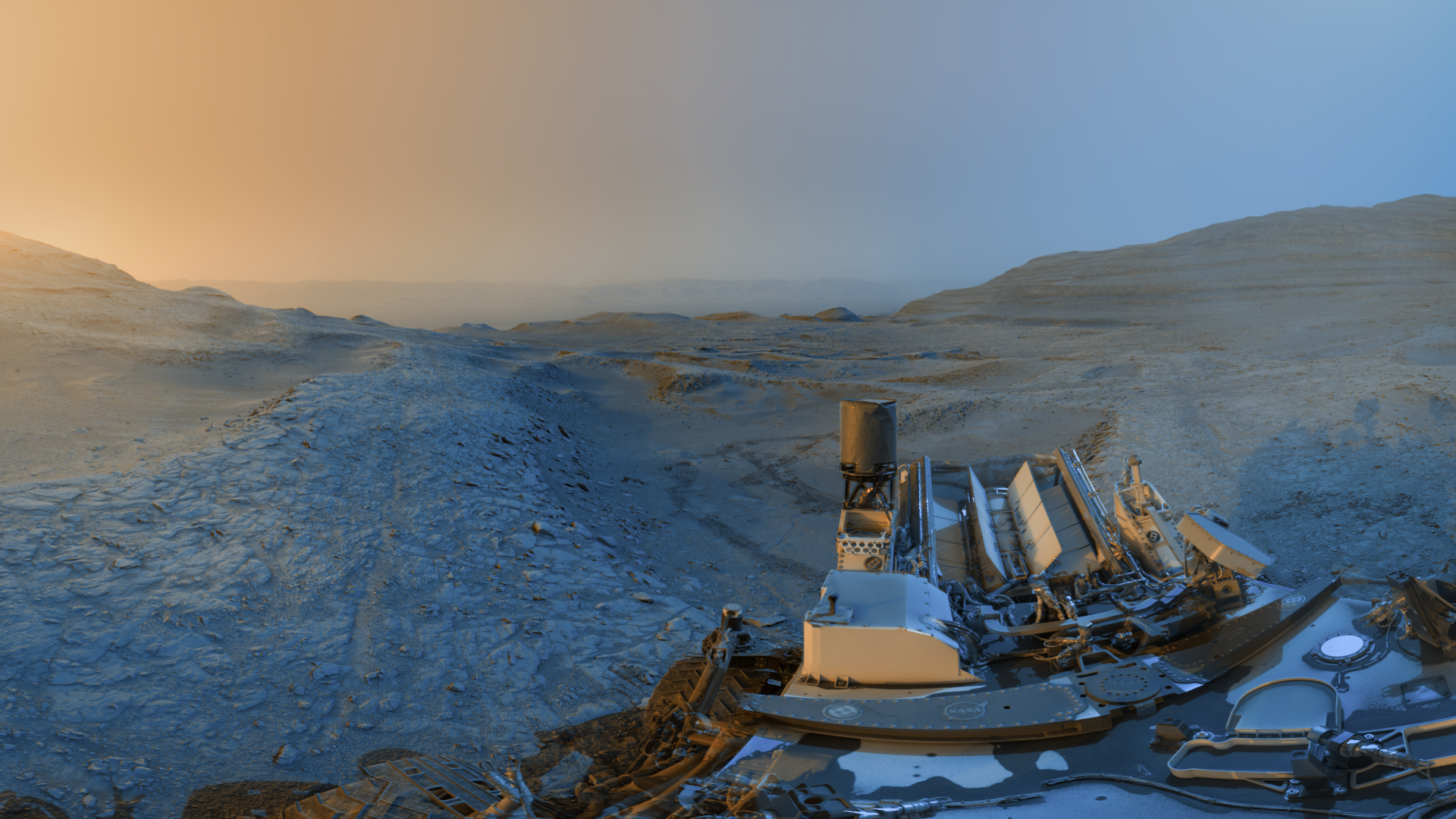
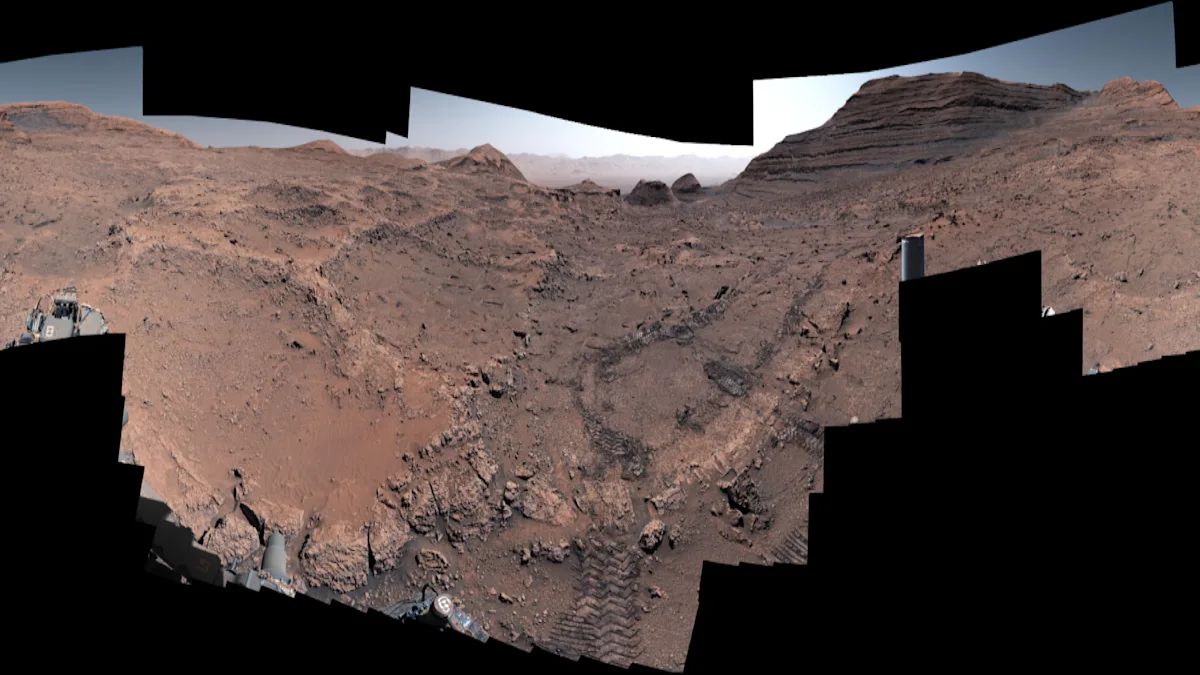
NASA's Curiosity rover successfully navigated rocky terrain to reach the scientifically intriguing Gediz Vallis Ridge on Mars' Mount Sharp. After a challenging climb, the rover turned around and captured a stunning image of the Martian landscape, showcasing mountains in the distance, the rocky terrain it traversed, and the cylindrical part of the rover used for relaying messages. The mission aims to uncover Mars' ancient history and the possibility of past life on the planet.
NASA's Mars Rover has reached Gediz Vallis Ridge on Mount Sharp, a location that provides evidence of Mars' wet past. The ridge was formed billions of years ago when Mars had lakes and rivers, and erosion from Martian winds has shaped the landscape over time.
NASA's Curiosity rover has reached Gediz Vallis Ridge on Mount Sharp, Mars, where evidence of colossal debris flows from 3 billion years ago can be seen. These flows occurred when Mars was a wet world with lakes and rivers. The journey to the ridge was challenging, but it allows scientists to study rocks from the mountain and gain insights into Mars' past. Meanwhile, the Perseverance Rover is exploring Mars' Jezero Crater for signs of past microbial life.