Michael J. Fox, diagnosed with early-onset Parkinson's at 29, reflects on his 34-year battle with the disease, expressing a wish to not wake up one day due to the progressive decline in motor skills and the impact on his life, including injuries and giving up activities like guitar playing.

A research team has scientifically demonstrated how pianists manipulate key movements to alter piano timbre, addressing a century-old question and opening new avenues for music education, neuroscience, and human interface design.
A study from the University of Copenhagen reveals that while adults learn new motor skills faster than children, children retain these skills better due to more effective sleep-driven memory consolidation. Adults' mature cognitive abilities contribute to quicker learning, but children benefit more from sleep, enhancing their skill retention. These findings have implications for skill training and rehabilitation strategies, suggesting that age-related differences in learning and memory processes should be considered in educational and therapeutic settings.
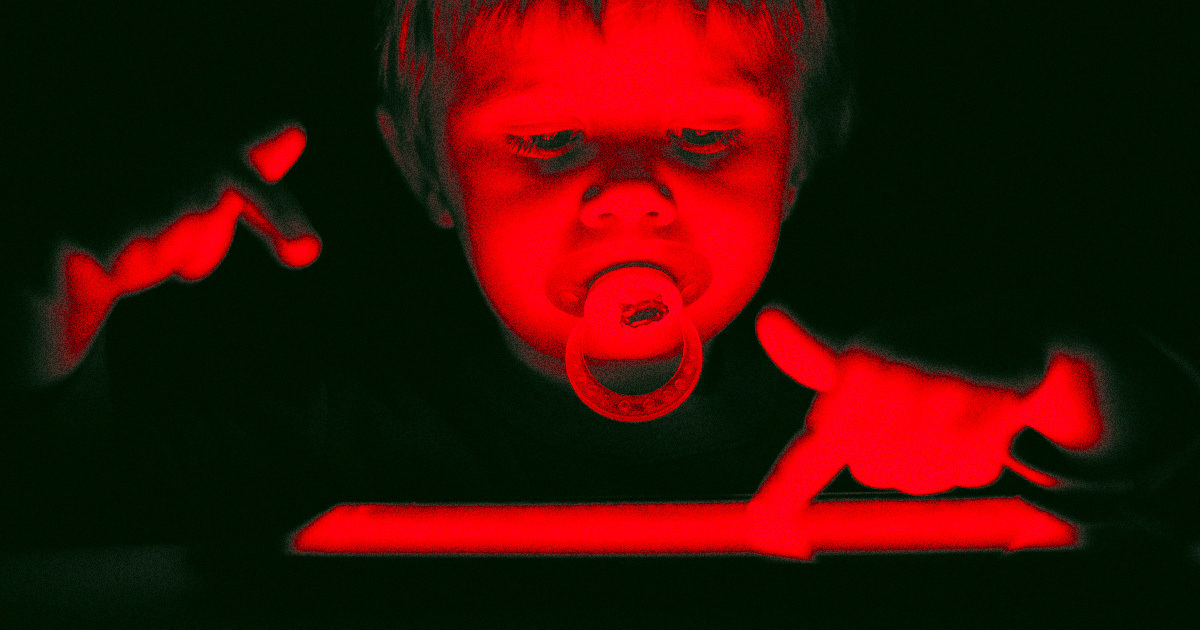
A new study published in the Journal of the American Medical Association of Pediatrics suggests that excessive screen time, including watching iPads and other devices, may lead to developmental delays in infants. The research found that children who spent more time watching screens had delays in gross and fine motor skills, language ability, and social skills. By the age of two, children with up to four hours of screen time per day were up to three times more likely to have communication and problem-solving delays, while those with more than four hours were nearly five times more likely to have communication delays. The study highlights the importance of play, social interaction, and practicing real-life skills for healthy child development.
A new study found that people with alcohol use disorder were significantly impaired on cognitive and motor tests up to three hours after downing an alcoholic drink designed to mimic their typical habits. The study analyzed three types of young adult drinkers, most in their 20s, who were part of the Chicago Social Drinking Project. Light drinkers were defined as people who drink up to six “standard” drinks a week but do not binge, heavy social drinkers, and those who had alcohol abuse disorder.
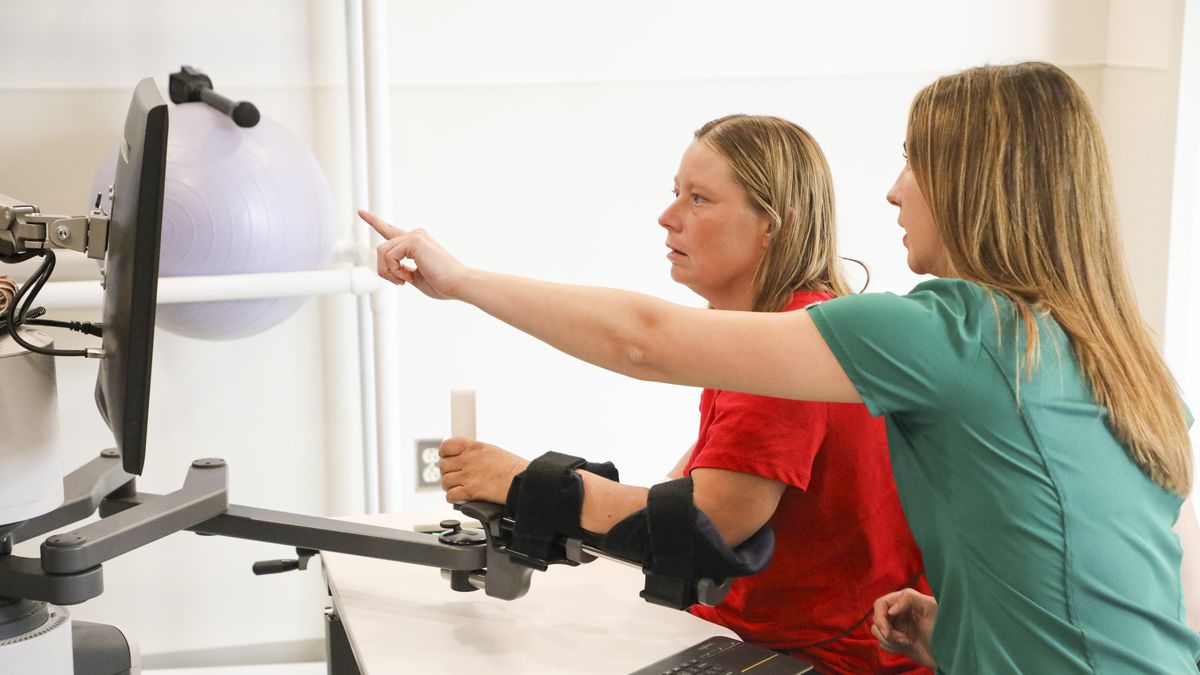
Tampa General Hospital is using AI-powered BIONIK InMotion ARM/HAND robotic device to help rehab stroke patients. The device uses artificial intelligence to retrain patients' motor skills and can be used to treat loss of mobility from strokes as well as spinal cord and brain injuries. The AI technology inside the device learns the patient's range of motion, strength, coordination, and deficits, and tailors the evaluation to their interventions. The device enables more repetitions, helping to build muscle strength, coordination, and endurance more quickly, and speeds up the process by which new pathways in the brain are created to send messages to muscles.