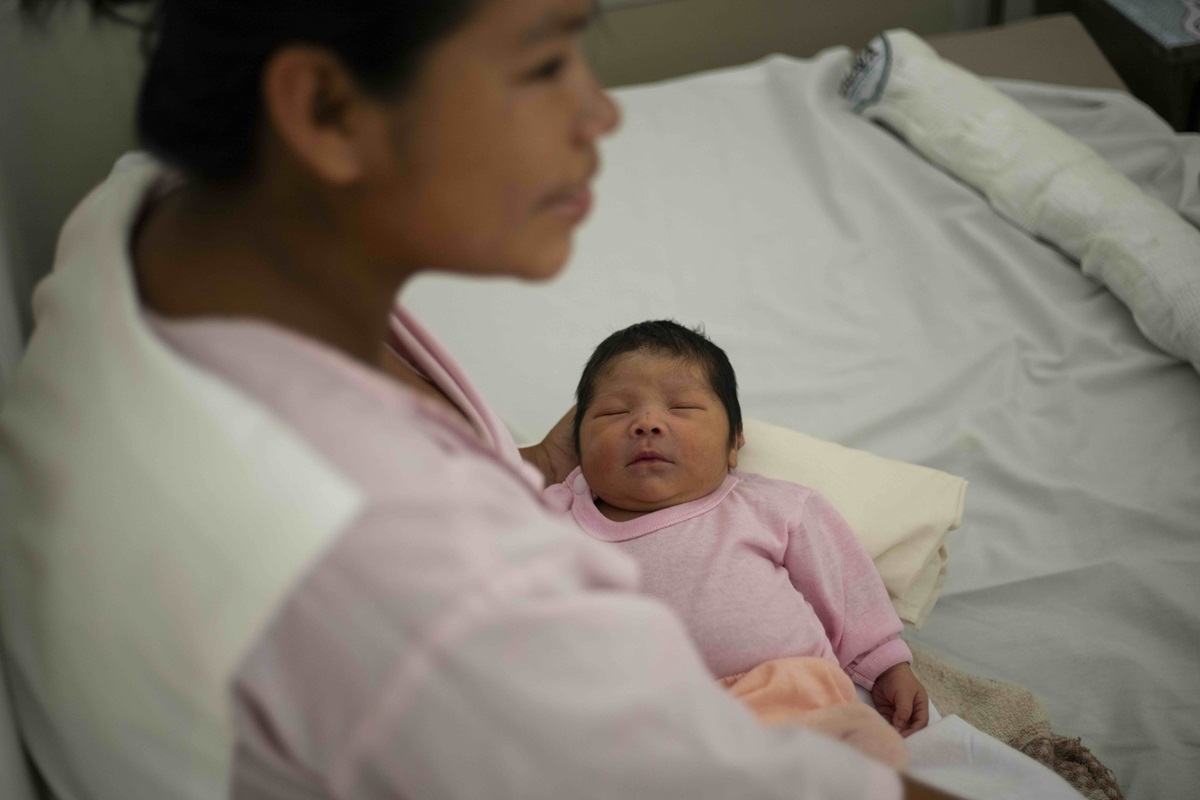
Brazil has been validated by the WHO for eliminating mother-to-child transmission of HIV, marking a significant public health achievement driven by strong healthcare systems, political commitment, and community engagement, making it the largest country in the Americas to reach this milestone.
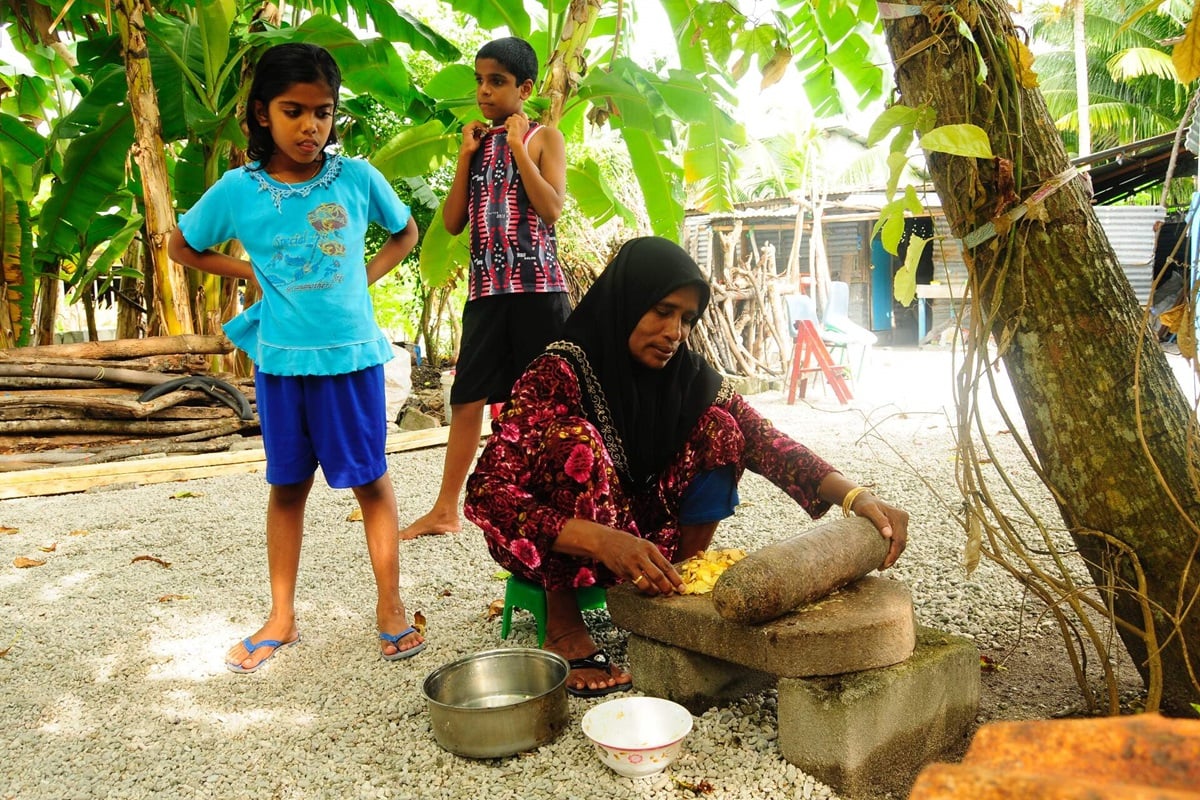
The Maldives has become the first country to achieve 'triple elimination' of mother-to-child transmission of HIV, syphilis, and hepatitis B, thanks to strong political will, integrated healthcare, and universal coverage, setting a global example in public health.
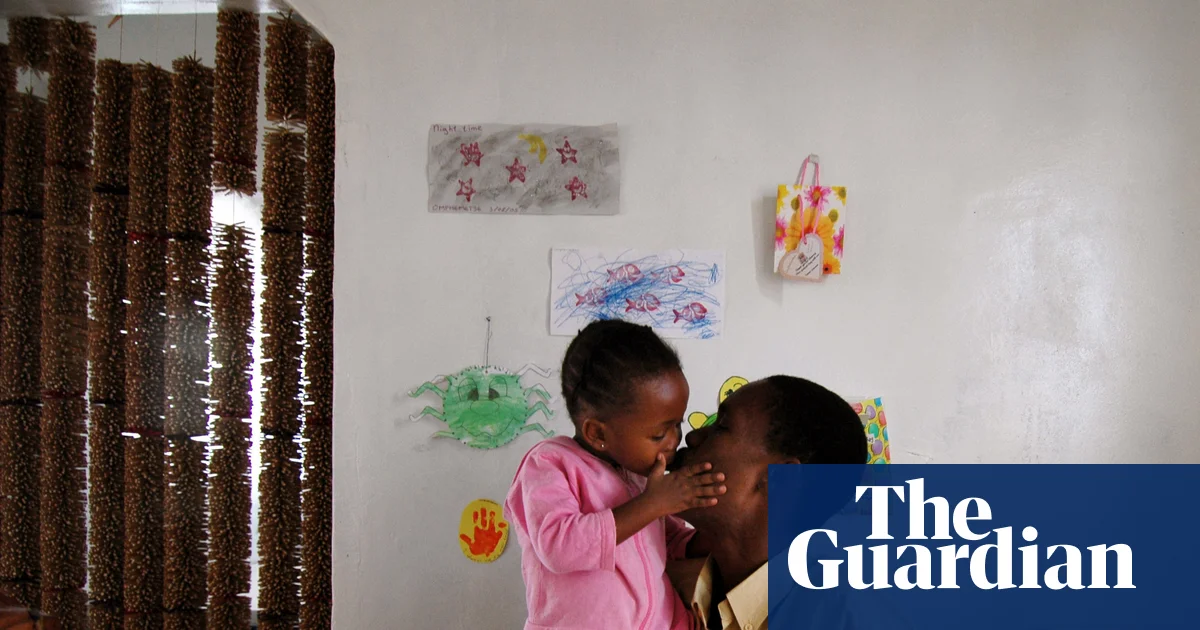
Botswana, once at risk of extinction from HIV with high mother-to-child transmission rates, has become a global leader in eliminating pediatric HIV infections through comprehensive testing, treatment, and public health strategies, achieving near-zero transmission rates and pioneering clinical trials for a potential cure.
An alarming rise in HIV cases among minors in the Philippines is attributed to a lack of awareness and mother-to-child transmission. The conservative society's lack of sex education and the stigma surrounding HIV prevent minors from understanding and preventing the virus. The documentary emphasizes the need for better education and maternal health services to reduce HIV cases among minors.
Mothers in Nigeria are unknowingly infecting their newborns with HIV due to ignorance, poverty, and cultural expectations of masculinity. Despite efforts by the government and stakeholders, there are still many children under 15 living with HIV in Nigeria. The barriers to access to HIV prevention, care, and treatment services make the goal of ending the epidemic by 2030 in Nigeria out of reach. Experts suggest investing in community structures and systems to drive prevention of mother-to-child transmission interventions and active community engagement to make the needed difference.