FICO has launched a new program allowing resellers to directly distribute FICO scores, bypassing traditional credit bureaus, which is expected to cut costs by about 50% and impact the stock prices of credit bureaus and related financial companies.
Eric Jackson of Opendoor fame recommended Better Home & Finance, causing its shares to more than double in a day, as he praised its innovative use of AI in rebuilding the mortgage industry and compared it to Shopify, predicting a potential 350-bagger in two years.
Pontiac-based United Wholesale Mortgage reported a net loss of nearly $70 million for 2023, attributing the loss to a fourth-quarter deficit of about $461 million driven by a markdown in the value of its mortgage servicing rights. Despite this, the company retained its position as the nation's top mortgage lender by volume. UWM's CEO, Mat Ishbia, emphasized the company's operational profitability and highlighted its achievements in mortgage origination, while its Detroit-based rival, Rocket Mortgage, also reported its first full-year loss. UWM, a nonbank lender, saw a 15% decrease in total mortgage originations in 2023, but set a company record with $93.9 billion in for-purchase mortgages.
Top U.S. mortgage lender loanDepot has been hit by a cyberattack, causing system shutdowns and difficulties for customers accessing services. The company is investigating the incident with cybersecurity experts and has notified regulators. This is not the first time loanDepot has faced a cybersecurity attack, as a prior phishing incident occurred in 2022. Other major companies in the mortgage industry, such as Mr. Cooper and Fidelity National Financial, have also been targeted by cyberattacks in recent months.
The mortgage industry faces uncertain market conditions and varying predictions for interest rates, but lenders must focus on long-term trends such as cost control and leveraging digital technology. Lenders are advised to automate tasks, invest in digital initiatives like eClosings, and consider consolidating relationships with larger providers. Compliance and risk management teams should be fully staffed and supported, with data and analytics solutions to automate compliance tasks. Wolters Kluwer offers solutions to help drive productivity, ensure compliance, and enhance customer experience in the mortgage industry.
The collapse of Lehman Brothers in 2008, fueled by risky mortgages, led to a global financial crisis. In response, regulations were implemented to protect consumers and stabilize the mortgage market. The Consumer Financial Protection Bureau established new standards for safe loans, prohibiting risky practices and requiring income verification. However, concerns remain about the future of these regulations, as legal challenges and potential privatization of mortgage finance firms could weaken oversight and lead to a return to risky lending practices.
Wells Fargo has launched a down payment grant program that offers eligible buyers or homeowners $10,000 in eight metropolitan areas. The program is available to those with a combined 120% or less of the area median income and can be used towards the down payment on a Wells Fargo fixed-rate conventional loan. The bank aims to address systemic inequalities in housing and finance by providing assistance to minority families. The grant program can be combined with other programs offered by Wells Fargo, such as Dream. Plan. Home. Mortgage and Closing Cost Credit. The initiative is part of the bank's efforts to expand its Special Purpose Credit Program and advance racial equity in homeownership.
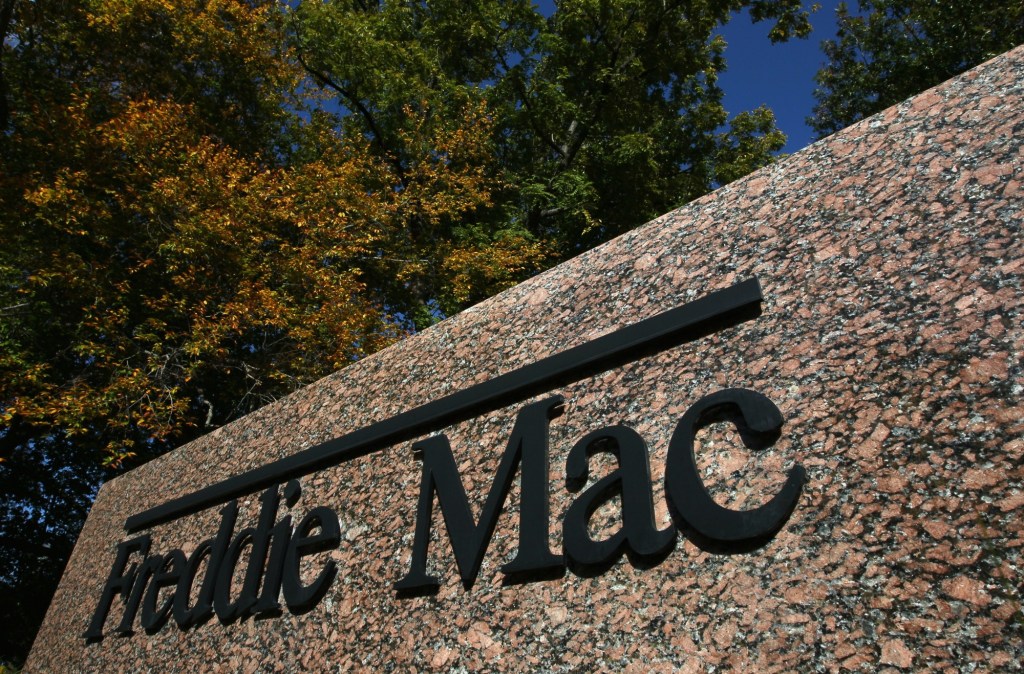
The Federal Housing Finance Agency (FHFA) has withdrawn a proposed debt-to-income ratio fee change for home loan borrowers using Fannie Mae or Freddie Mac financing. The fee hike would have affected borrowers whose debt ratio was above 40%. The FHFA said it would provide additional transparency on the process for setting the Enterprises’ single-family guarantee fees and request public input on the issue. The agency is also facing controversy over its decision to update the fee structure on loan-level pricing fees.
The Federal Housing Finance Agency (FHFA) has rescinded a controversial loan-level pricing adjustment (LLPA) for conventional borrowers with debt-to-income (DTI) levels at or above 40%. The FHFA had previously delayed implementation of the DTI LLPA following complaints from the mortgage industry. The fee was deemed "unworkable" and would result in logistical and compliance nightmares, as well as confusion and mistrust from borrowers. The FHFA also put out a request for information on other new fees, including those imposed on borrowers with higher credit scores and moderate down payments.
Rocket Companies Inc., the parent company of Rocket Mortgage, reported a net loss of $411 million on net revenue of $666 million in Q1 2023, down from over $1 billion in profits on net revenue of nearly $2.7 billion a year ago. The company generated $17 billion in closed loan origination volume during the first three months of the year, down 68% from a year ago. Despite challenges in the housing inventory levels, Rocket executives see strong home-purchase demand and highlighted new offerings, including the new Rocket Visa Signature Credit Card. The company expects adjusted revenue of $850 million to $1 billion in Q2.
Changes in the mortgage industry will result in some people with higher credit scores paying higher fees while those with lower scores will pay less, starting May 1. The changes are part of the federal government's effort to provide equitable access to homeownership. The fees that lenders pay back to federal programs that back the mortgages are the reason for the changes. It will make it more expensive for borrowers to refinance and to pull equity out of their homes to pay off consumer debt.