Options trader 'Captain Condor' and his group of about 1,000 investors suffered a $50 million loss, primarily due to the risky use of the Martingale betting system on a popular options strategy, highlighting the dangers of retail trading in complex derivatives.
Joe Novak was deceived by a fake online romance that led him to invest $280,000 in a scam, highlighting the dangers of sophisticated crypto fraud schemes known as 'pig-butchering' which have drained billions from victims in the US.
First Brands faces a significant financial crisis as creditors claim that as much as $2.3 billion has disappeared, raising concerns about the company's financial integrity and stability.
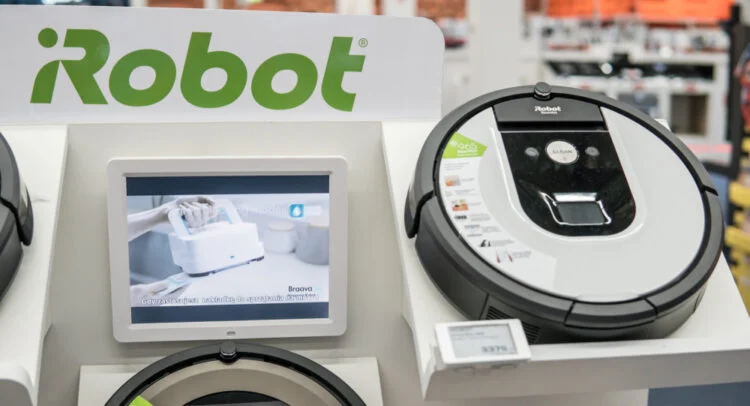
A class action lawsuit was filed against iRobot alleging that the company and its officers misled investors about its financial health and restructuring efforts following the termination of Amazon's acquisition, leading to significant stock decline and potential compensation for affected shareholders.
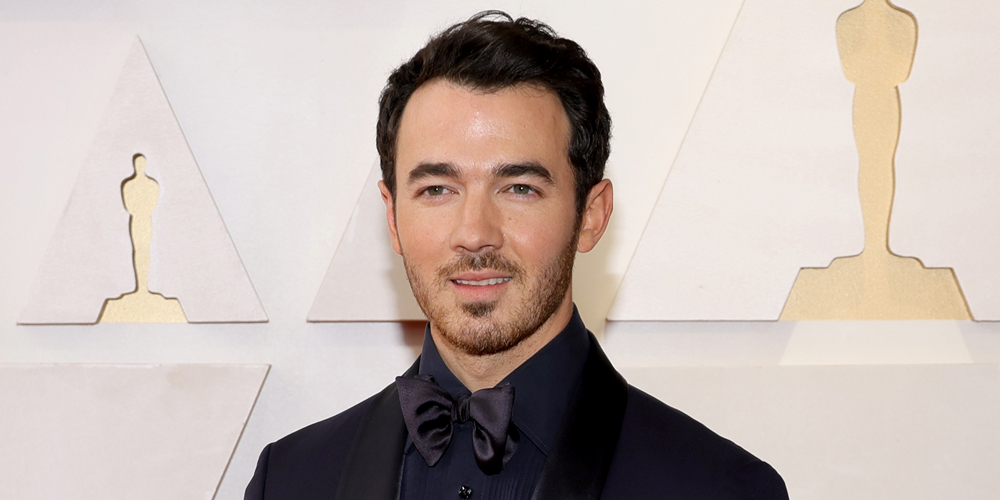
Kevin Jonas revealed he lost almost all of his money about nine years ago due to bad investments, but the Jonas Brothers' reunion in 2019 helped him reevaluate his life and finances, leading to a fresh start with their upcoming tour.
Kevin Jonas revealed on a podcast that he lost most of his money during the Jonas Brothers' hiatus due to bad investments in property and other ventures, including a food app, which led to significant financial setbacks.
An 89-year-old widow on Long Island lost most of her savings after paying nearly $1 million for a retirement home that went bankrupt, highlighting the financial risks faced by residents of failing continuing-care retirement communities (CCRCs) across the U.S., which have collectively lost over $190 million since 2020 due to bankruptcies and inadequate protections.
General Motors (G.M.) is facing a significant financial setback in its China operations, with the company expecting a $5 billion impact due to declining sales and market challenges in the region. This development highlights the difficulties faced by international automakers in maintaining their foothold in the competitive Chinese market.
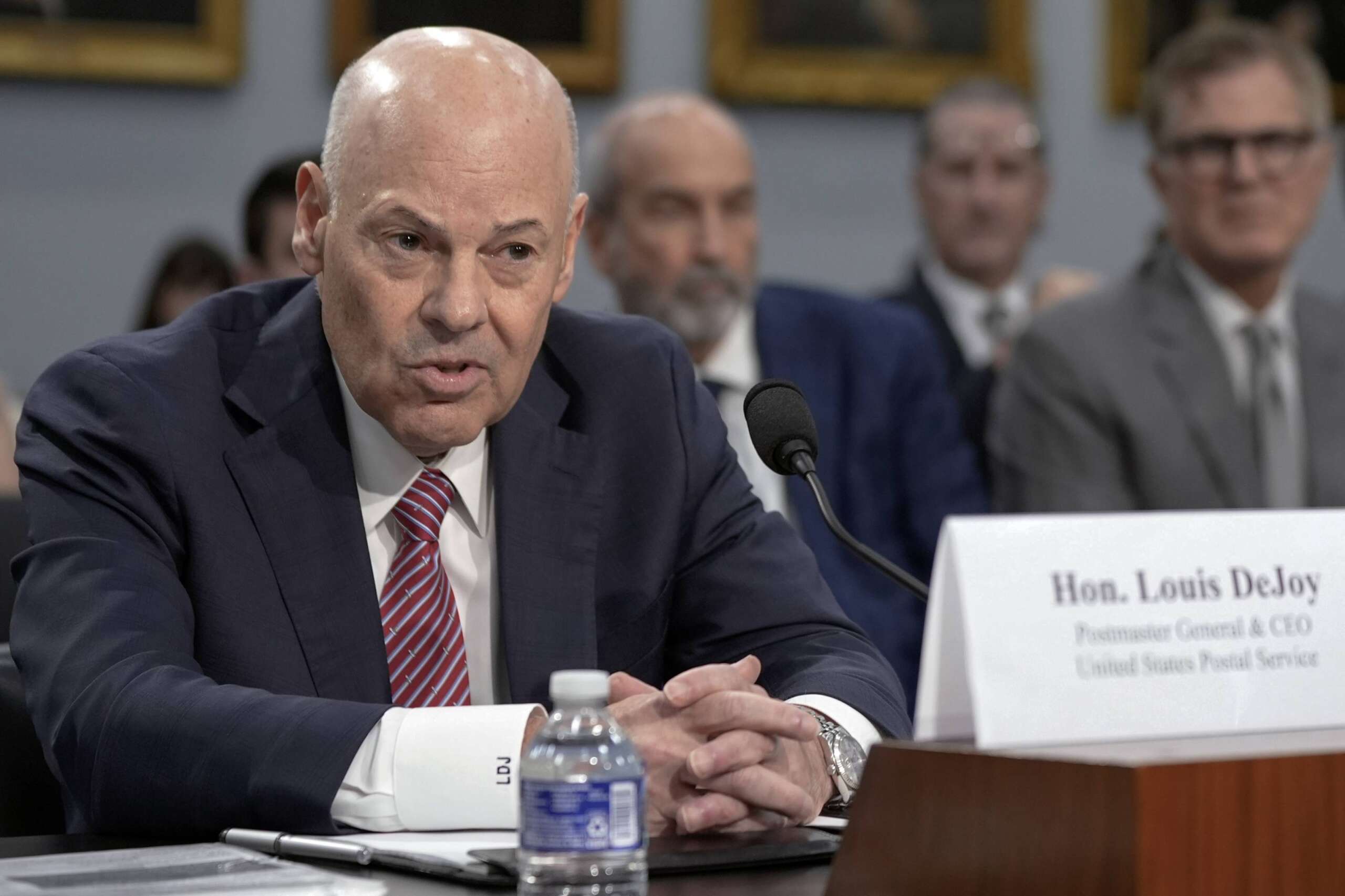
The United States Postal Service (USPS) reported a $9.5 billion net loss for fiscal year 2024, with projections of continued losses in 2025, falling short of its break-even goal under a 10-year reform plan. Despite revenue growth and reduced controllable expenses, fixed costs like pensions and workers' compensation claims contribute significantly to the losses. USPS plans to increase revenue by expanding its package business and implementing cost-saving measures, while facing bipartisan pushback on network modernization. The agency is seeking congressional support to raise its borrowing limit and reassess pension contributions.
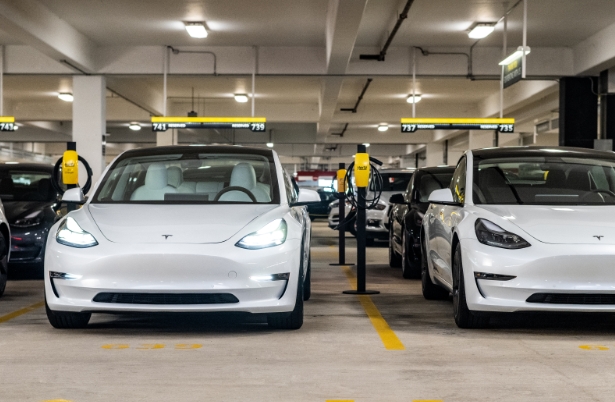
Hertz is facing significant financial challenges due to the depreciation of its electric vehicle (EV) fleet, primarily from Tesla, which it purchased in 2021. The company has been forced to sell tens of thousands of EVs to mitigate losses, with plans to complete the sale by the end of 2025. Hertz reported a larger-than-expected loss in its recent earnings call, highlighting the financial strain from its EV strategy. The company aims to balance its fleet with customer demand for EV rentals by the end of 2024.
Hertz Global Holdings Inc. reported a larger-than-expected quarterly loss due to its unsuccessful investment in Tesla electric vehicles and high depreciation costs. The company posted a $1 billion impairment charge and a 68-cent per share loss, exceeding analyst expectations. Hertz's stock fell 12% following the announcement, marking its fourth consecutive quarterly loss. The company's strategy to electrify its fleet backfired as Tesla EV prices dropped, leading to higher repair costs and lower leasing rates. Hertz plans to sell 30,000 EVs by year-end and aims to complete its fleet restructuring by 2025.
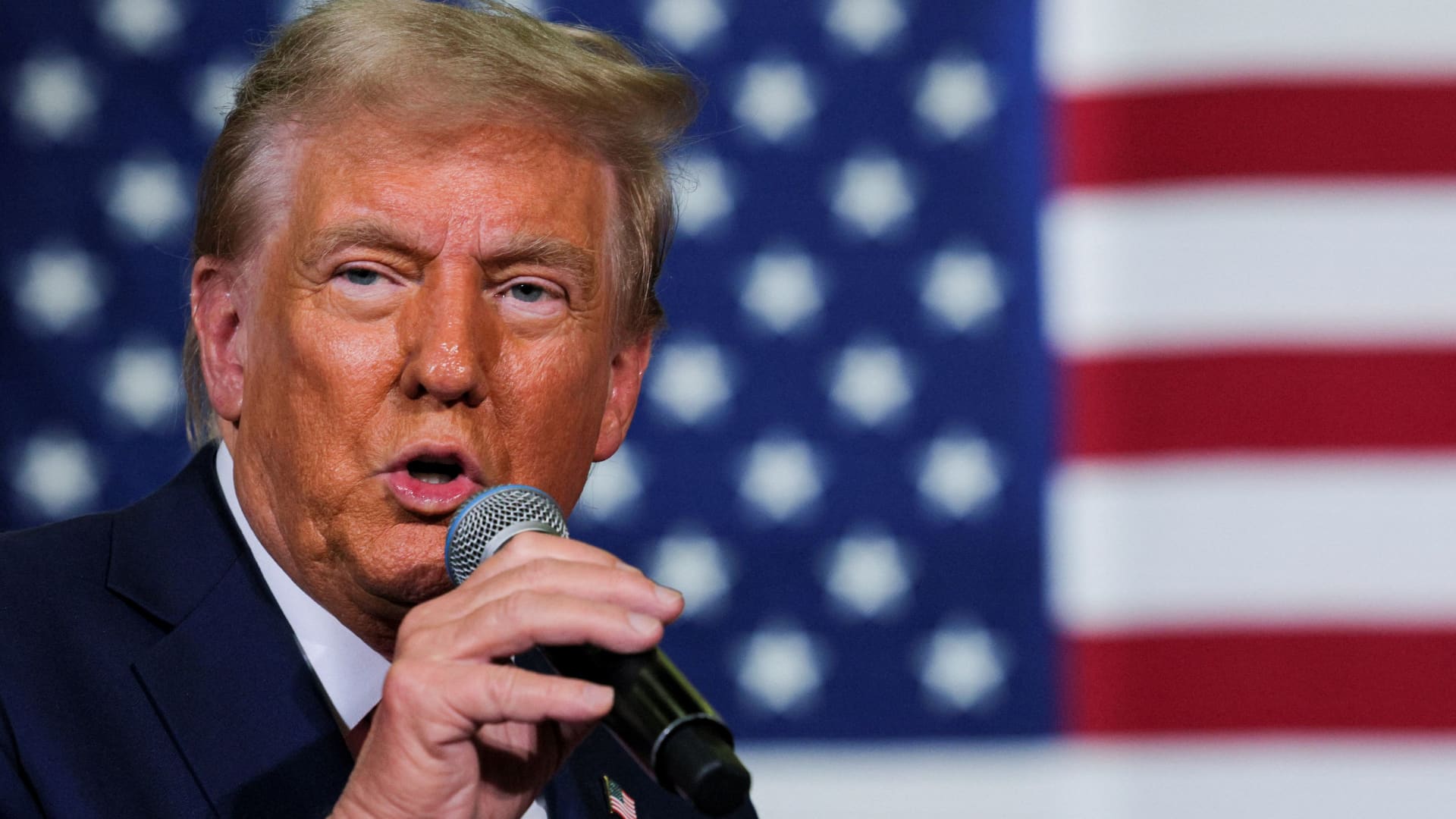
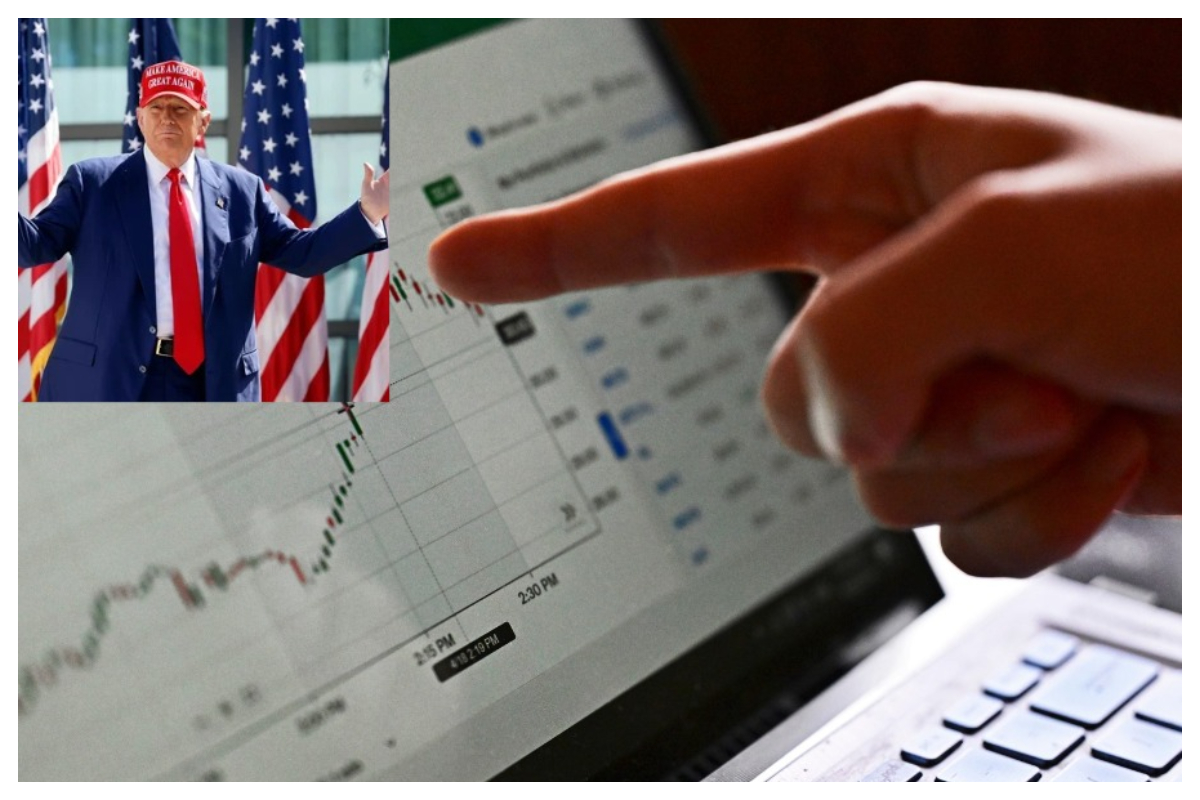
Trump Media reported a $19.2 million loss in the third quarter, with revenue dropping 5.6% to $1.01 million. The unexpected filing on Election Day, when Donald Trump faces Kamala Harris, led to a 6% rise in after-hours trading despite a volatile day. The company, which trades under DJT, has seen a 34% decline over the past week but remains up 93% year-to-date. Trump Media ended the quarter with $673 million in cash and no debt.
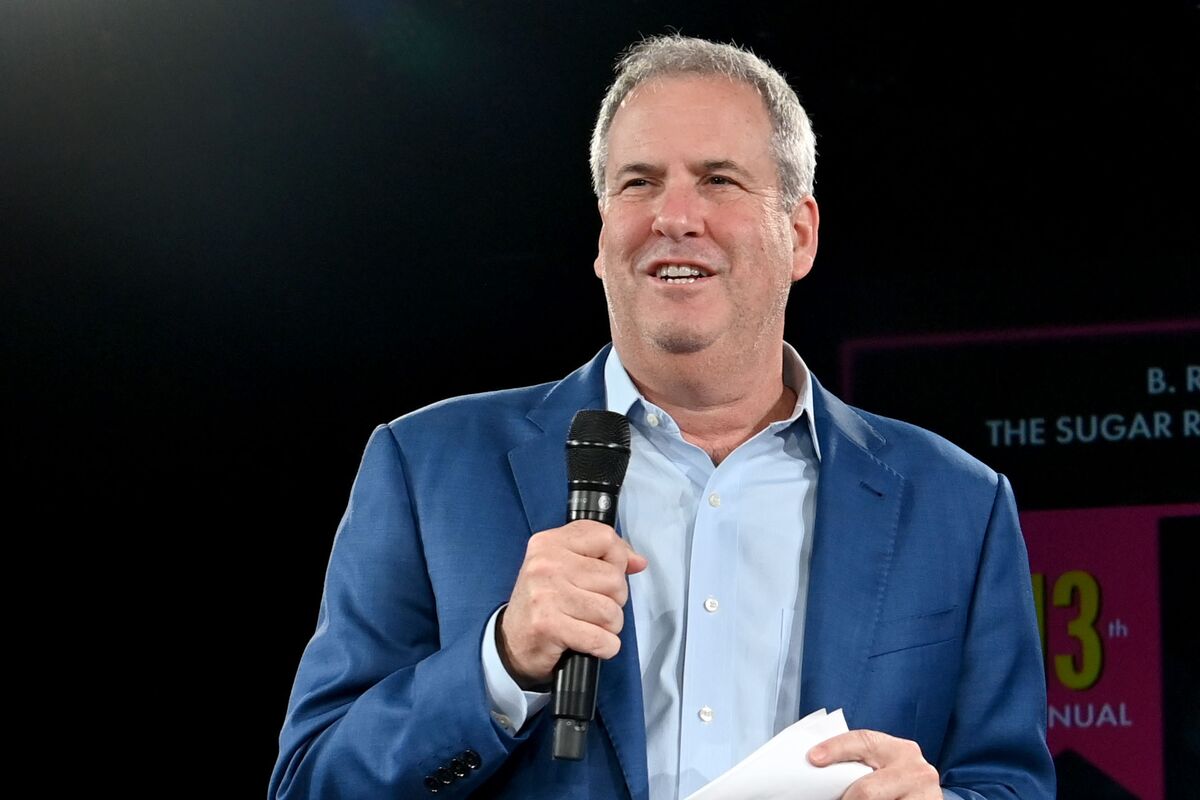
Bryant Riley, chairman of B. Riley Financial, expressed deep regret over the collapse of Franchise Group Inc., a company in which B. Riley held a significant stake following a $2.8 billion buyout. The bankruptcy of Franchise Group resulted in a $120 million impairment for B. Riley, adding to previous writedowns of up to $370 million.
Shares in Donald Trump's social media platform, Truth Social, have plummeted to near their lowest value since going public, with the stock price dropping to $26.75. The decline follows a series of financial setbacks for Trump Media & Technology Group (TMTG), including a net loss of $327.6 million for Q1 2024 and Trump's recent legal troubles. Experts predict continued volatility in the stock's performance.
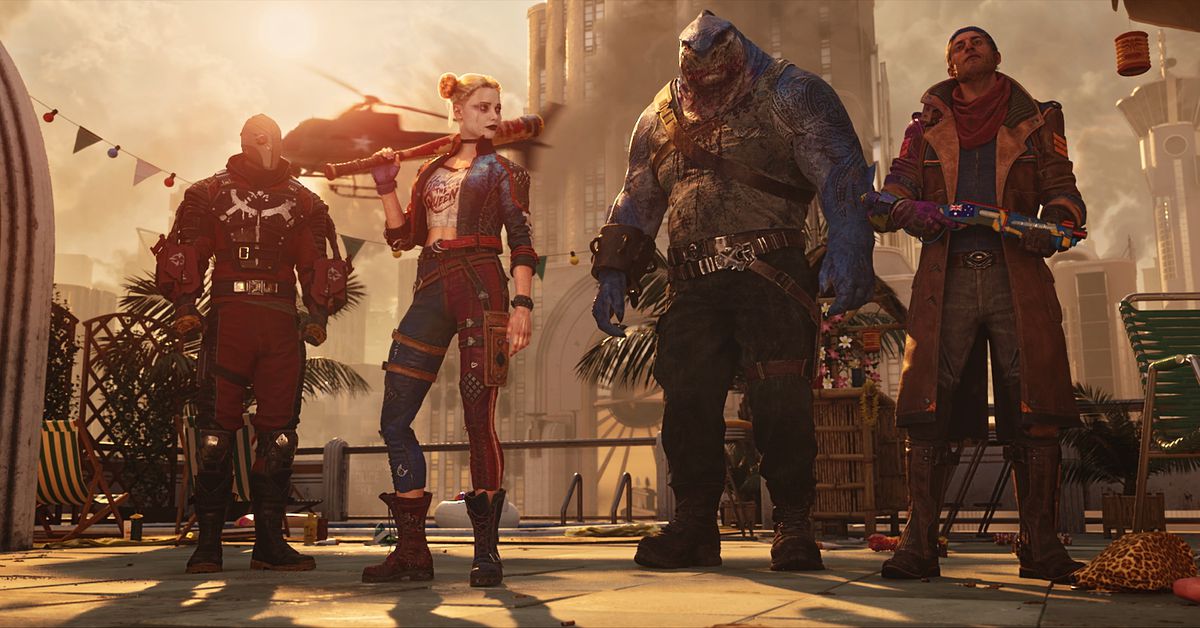
Warner Bros. Discovery suffered a $200 million loss from the troubled launch of Suicide Squad: Kill the Justice League, attributed to Rocksteady Studios' inexperience with multiplayer games and a constantly changing vision. Development issues included repetitive gameplay and the complexity of creating a massive map and multiple characters. The game's disappointing release led to significant financial pressure, with Rocksteady now focusing on a director's cut of Hogwarts Legacy and potentially a new single-player game.