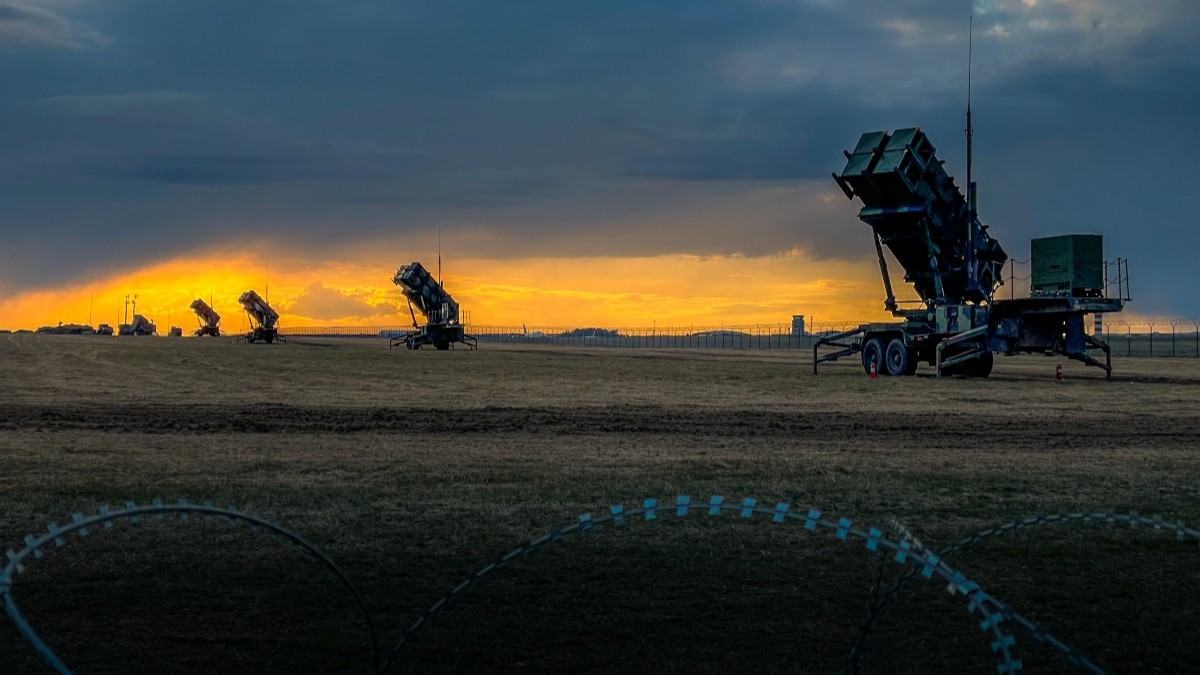
Europe is strengthening its eastern defenses with layered, networked barriers and advanced technology to deter Russian aggression, moving away from static fortifications like the Maginot Line towards dynamic, sensor-based systems that buy time and adapt to modern threats, despite political and resource challenges.

Mexican criminal groups are increasingly adopting modern warfare tactics by acquiring homemade mortars, land mines, rocket-propelled grenades, and bomber drones, escalating violence and posing new challenges for authorities.
Forbes highlights how Ukraine's use of networked drones offers strategic lessons for the US in space warfare, emphasizing the importance of quantity, connectivity, and rapid adaptation to maintain technological and tactical superiority against China and other adversaries.
Recent operations by Ukraine and Israel demonstrate the effectiveness of inexpensive, autonomous drones in modern warfare, highlighting the need for the U.S. Pentagon to shift its focus from expensive legacy systems to a balanced mix of high and low-cost, precise mass capabilities to maintain strategic advantage and deterrence.
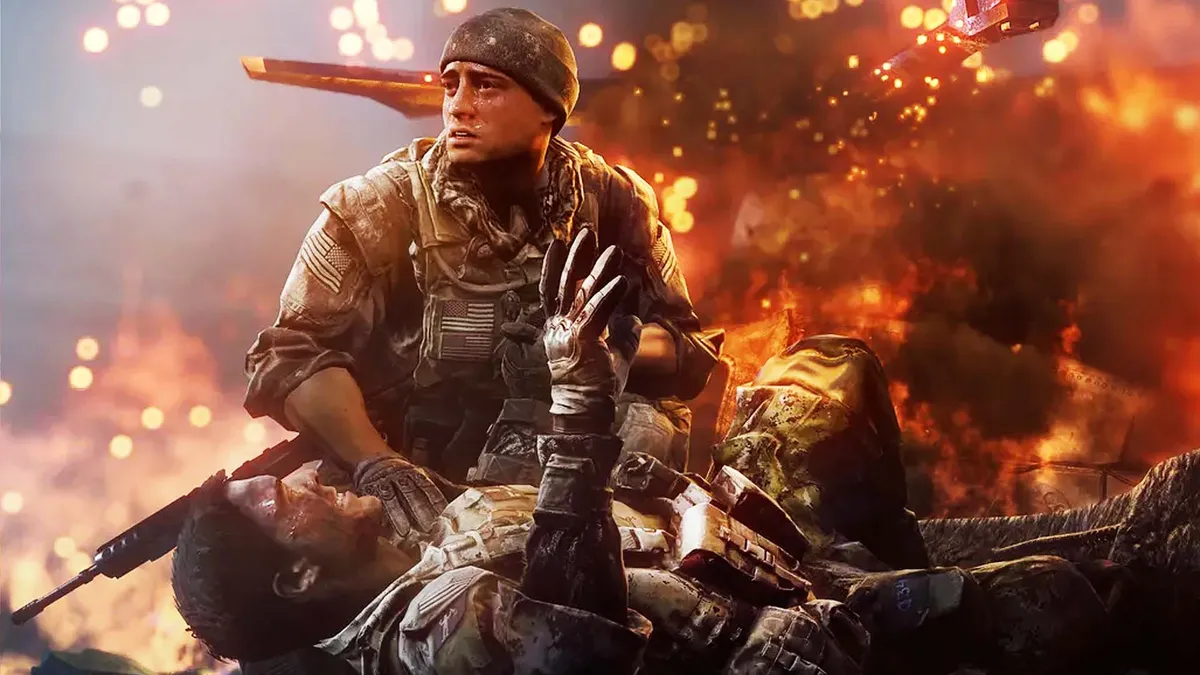
The upcoming Battlefield 6 is a highly anticipated game with a massive budget of over $400 million, aiming for a huge player base and featuring extensive new content, but its development has been costly, challenging, and stressful for the team, raising questions about its success and impact.
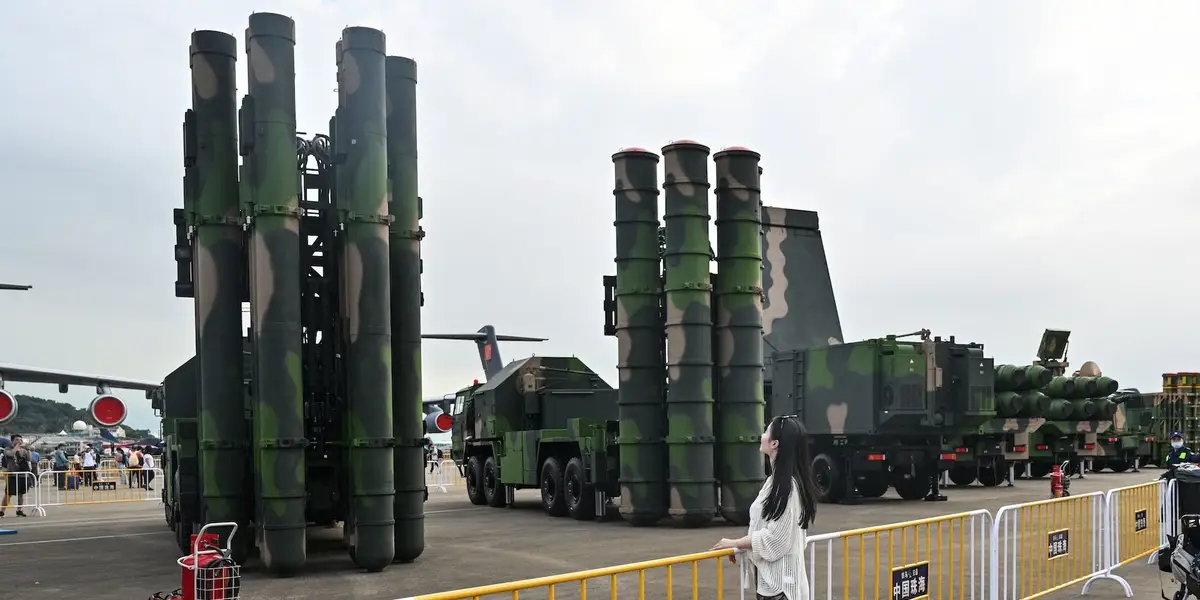
Israel demonstrated that achieving air superiority is possible in modern warfare against Iran, but experts warn that such success is much more challenging against near-peer adversaries like Russia and China due to their sophisticated air defense systems and integrated networks. While Israel's recent victory highlights the potential for air dominance, a conflict with China or Russia would likely involve complex, layered defenses making air superiority a difficult and short-lived achievement. Future warfare may require focused, short-term control of the airspace supported by strong air forces and defenses.
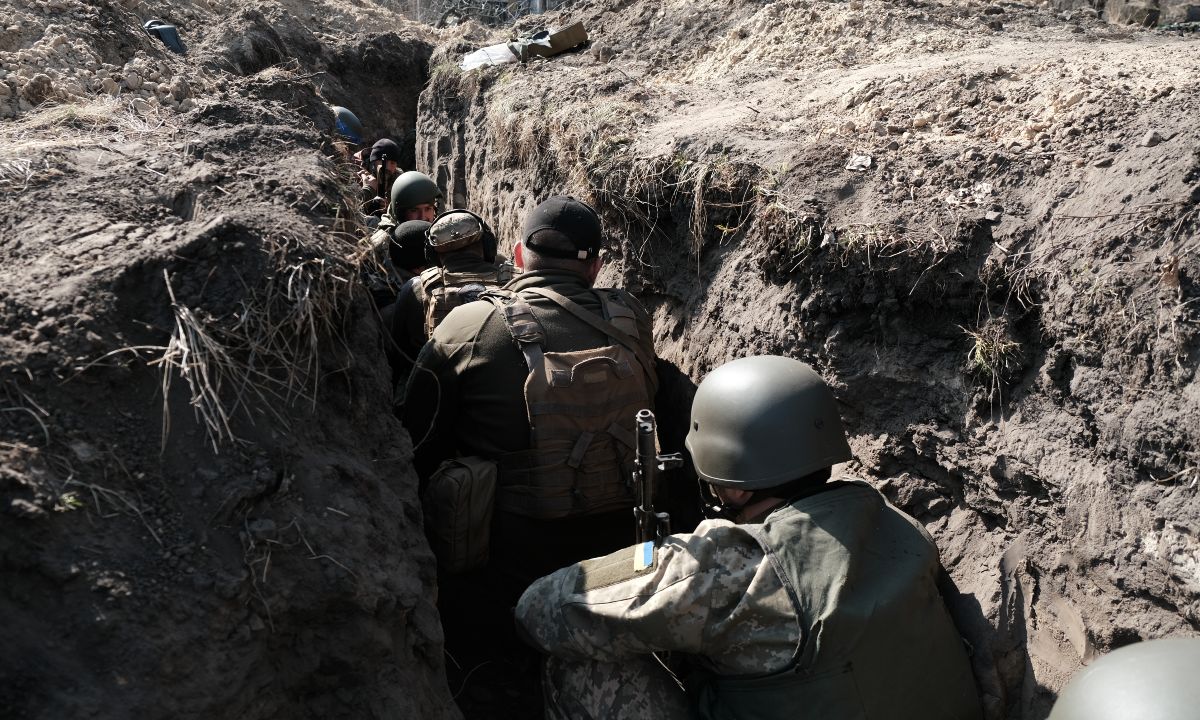
The conflict in Ukraine has evolved into a grinding war of attrition, prompting discussions about the return of a tactical crisis and the end of maneuver warfare. Advances in military technology have led to a situation reminiscent of the tactical crisis during World War I, where increased firepower favors the defender and forces units to disperse, dig in, or both. The empty battlefield and the need to concentrate fighting power from dispersed positions during offensive actions present challenges similar to those faced in the past. The war in Ukraine has entered a phase of attritional and positional warfare, characterized by small-scale assaults on prepared positions, and the ability to solve this tactical crisis will influence the shape of the conflict in 2024.
After firing Infinity Ward's founders, Activision offered staff a 50% pay increase and urged them to "take the money and get over it." The fallout led to a mass exodus of employees to join the founders at Respawn Entertainment, causing a significant impact on the development of Modern Warfare 3. The incident sparked a legal battle between Activision and the founders, which was eventually settled out of court.
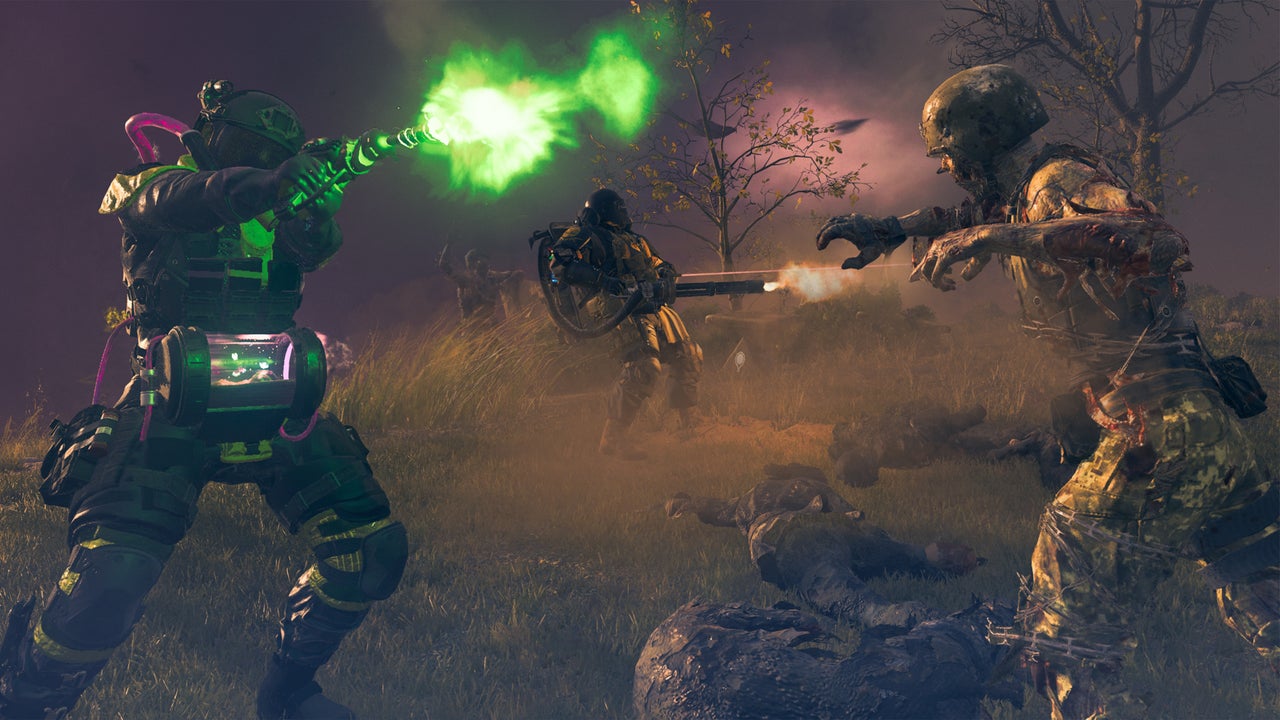
Call of Duty Zombies fans are expressing disappointment and concern after developer Treyarch indicated that there are no plans for new perks or enemy types in the Modern Warfare Zombies mode. This news has led to fears that the mode is already starting to decline, with some fans expressing a lack of faith in its future. The situation mirrors the fate of the DMZ extraction mode from Warzone 2.0, and with Treyarch reportedly working on this year’s Call of Duty Black Ops Gulf War, the longevity of support for Modern Warfare Zombies remains uncertain.
A former Infinity Ward staff member revealed how Activision tried to persuade the team to stay after firing the studio's founders, Vince Zampella and Jason West, by offering a 50% salary increase and unpaid bonuses for shipping Modern Warfare 2. Despite Activision's attempts, around 40 developers quit, leading to a mass exodus from the studio. The aftermath of the firings resulted in lawsuits, the founding of Respawn Entertainment, and subsequent successful game releases from both Infinity Ward and Respawn.
Attacks on healthcare facilities and medical workers are on track to reach a record high in 2023, occurring in countries such as Sudan, Syria, Ukraine, Gaza, and Israel. Despite international laws deeming such attacks unacceptable, there is a lack of consequences for those responsible.
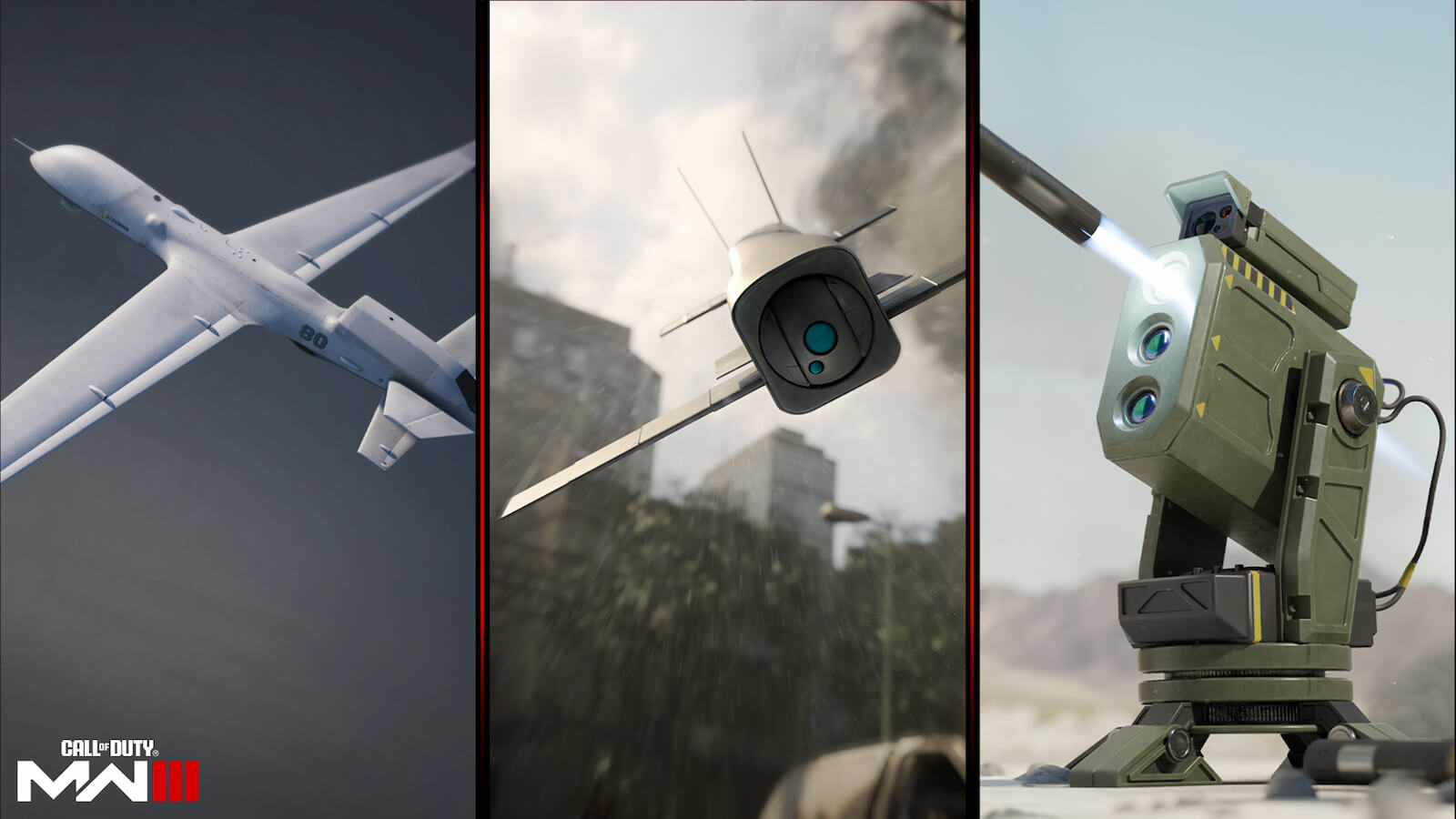
Sledgehammer Games, the developers of MW3, have revealed plans to test out a new Killstreak feature in the game. The feature, known as "looping Killstreaks," allows players to earn a fresh set of Killstreaks without having to die. This change will be implemented in the Experimental Playlists, a mode introduced by the studio to try out new gameplay features based on player feedback. While the feature won't be tested immediately, it showcases Sledgehammer Games' approach to their first Call of Duty title in two years since the launch of Vanguard.
The original Modern Warfare from 2007 is still considered the best and most forward-thinking campaign in the Call of Duty series. Its carefully measured tempo, varied missions, and nuanced exploration of modern conflict set it apart from other entries. Despite its age, the game's design remains strong and its greatest hits, such as the nuclear warhead detonation, are still memorable. While subsequent sequels have fallen short, the original Modern Warfare continues to reign as the king of Call of Duty campaigns.
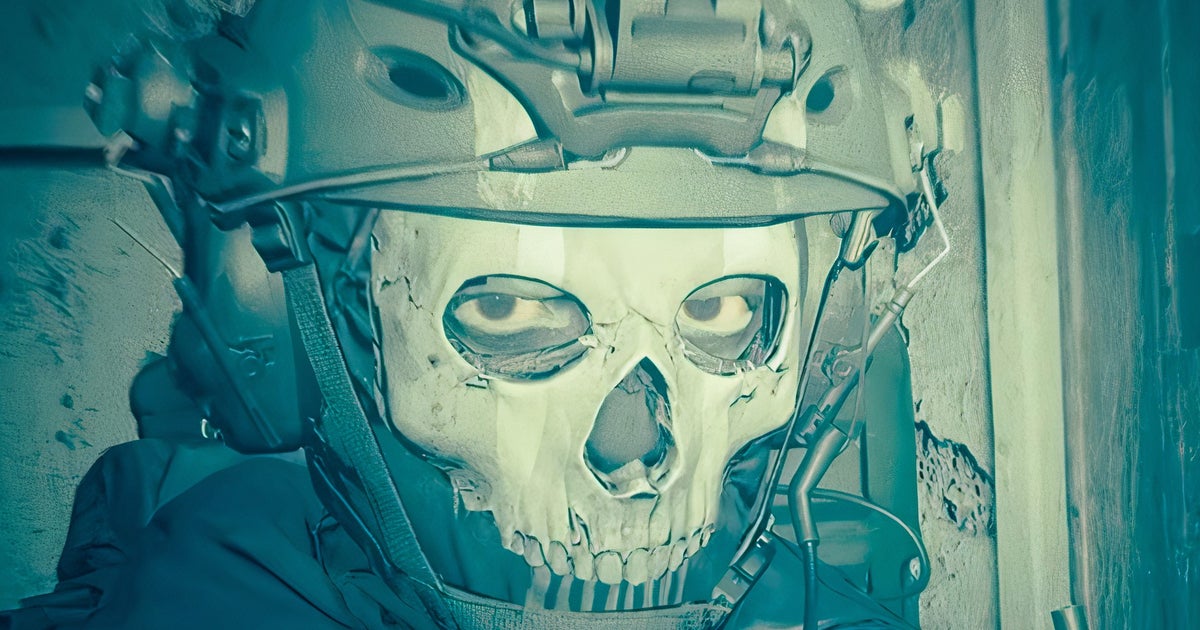
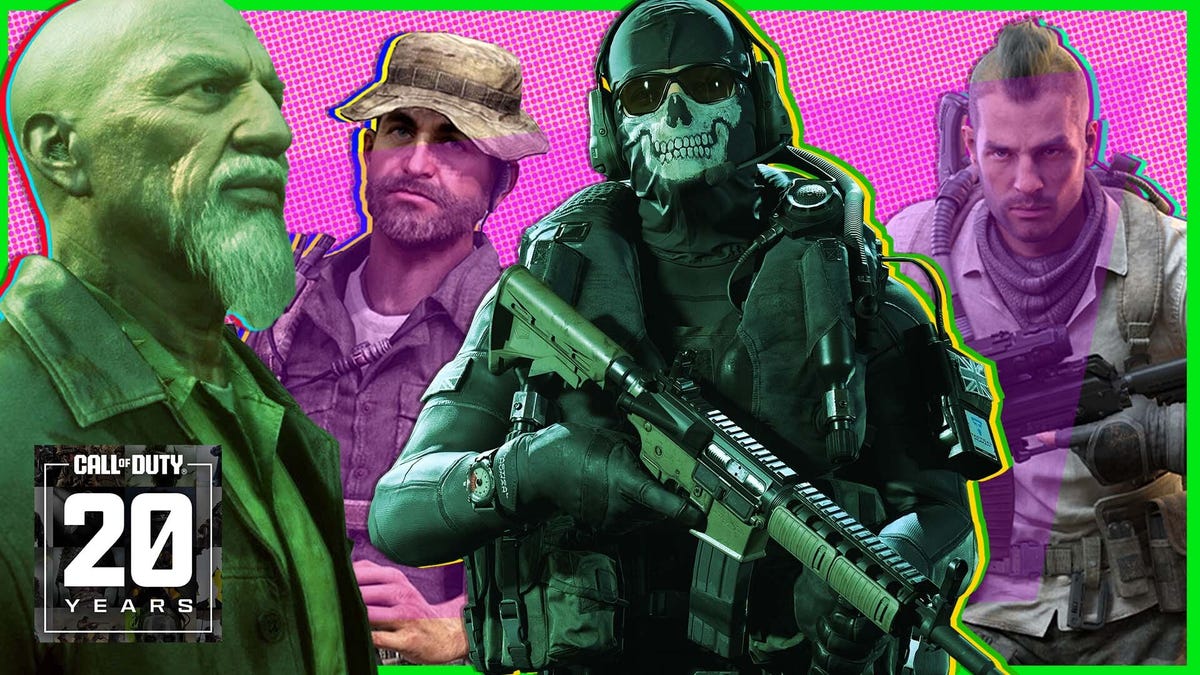
The Call of Duty: Modern Warfare franchise has a complex history with its naming conventions and multiple reboots. The original trilogy introduced iconic characters and multiplayer maps, while the rebooted trilogy brought in new characters and expanded the story through the free-to-play battle royale game mode, Warzone. The upcoming release, Modern Warfare III, breaks the franchise tradition by releasing just a year after its predecessor and brings back classic maps from Modern Warfare 2. With a focus on multiplayer and new features like a Zombies mode, the game is highly anticipated by fans.
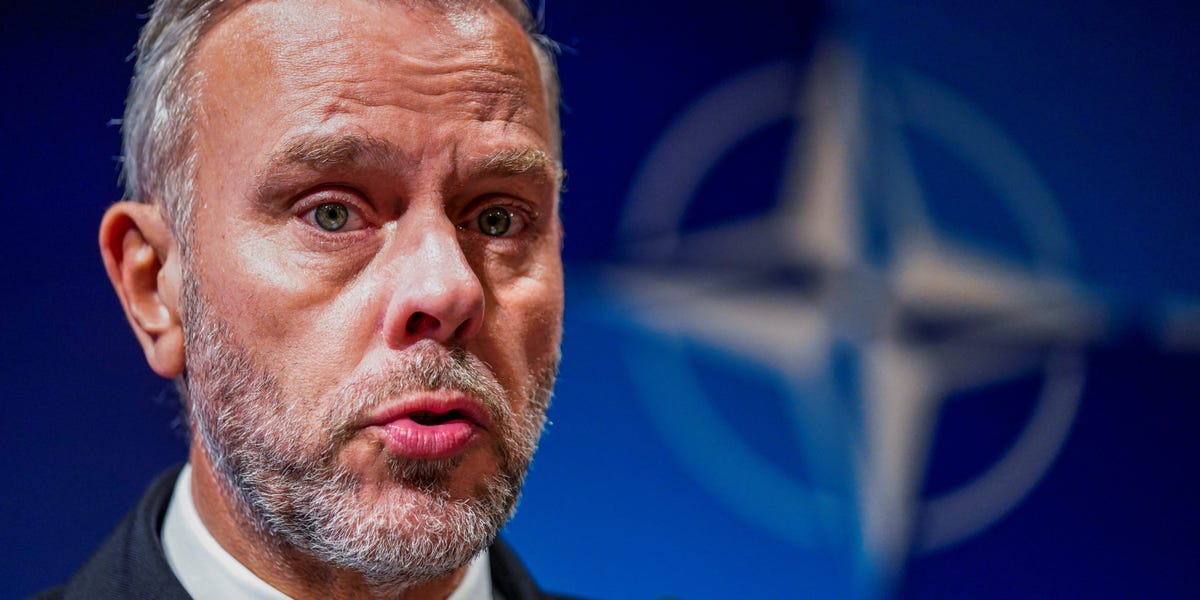
Admiral Rob Bauer, head of the NATO Military Committee, stated that history books will document how Ukraine has transformed modern warfare in its battles against Putin's invasion. He praised the Ukrainian Armed Forces for their daily progress and emphasized NATO's continued support for Ukraine throughout the war and beyond. Bauer's remarks came during a meeting of NATO chiefs of defense in Oslo, where Ukraine's recent victories against Russia's Black Sea fleet were highlighted. He also noted that Russian troops are losing ground and facing economic consequences due to sanctions and diplomatic isolation. Bauer reaffirmed NATO's commitment to stand with Ukraine in its pursuit of freedom and democracy.