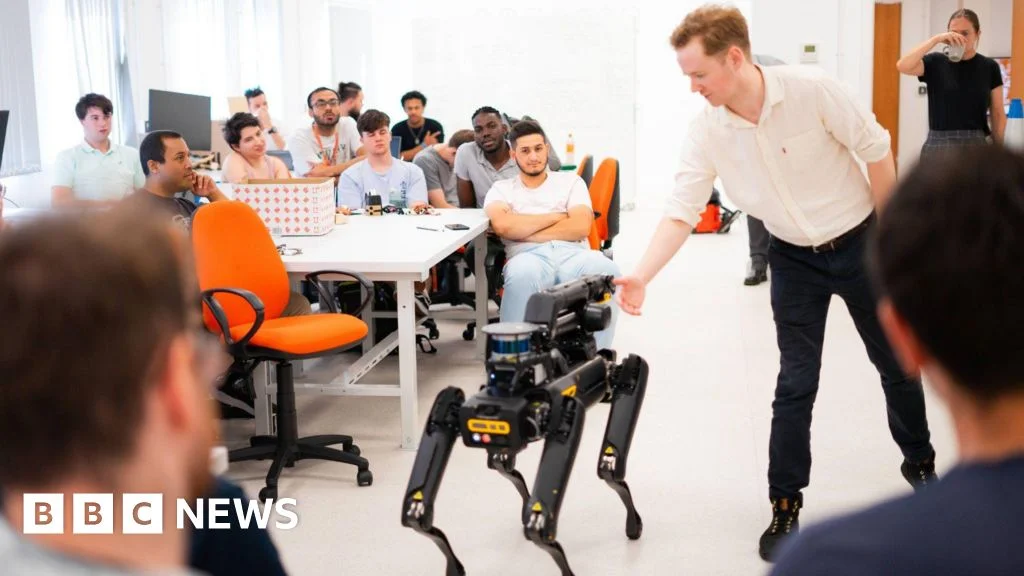
A new undergraduate degree in autonomous systems focusing on drone technologies is being launched at NMITE in Hereford, in partnership with the UK Armed Forces, to train future drone warfare specialists and enhance military capabilities, with the program set to start in September 2026.

Neros, a drone manufacturer, closed a $75 million Series B funding round led by Sequoia Capital, aiming to expand its production capacity and R&D for advanced FPV drones, primarily serving US military programs and international clients, with a focus on reshoring drone manufacturing in the US.
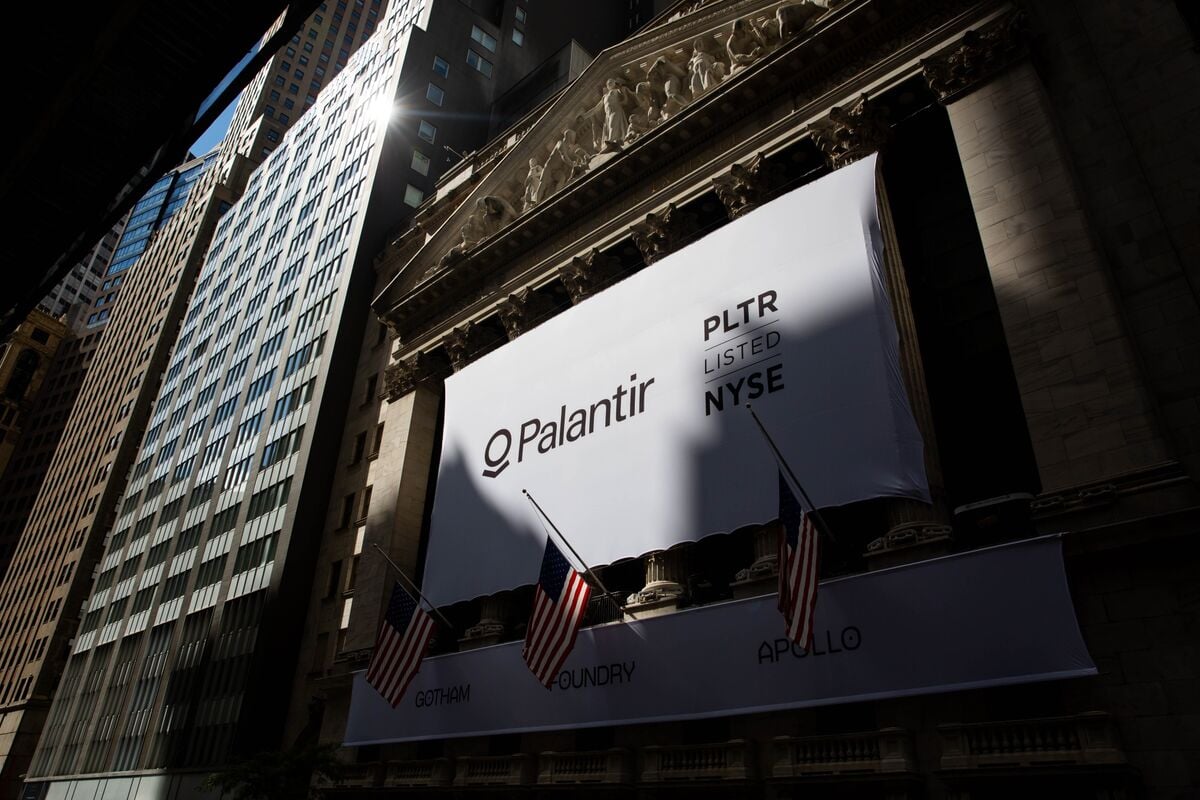
Palantir and Anduril dismissed recent reports of security flaws in their battlefield communication systems, asserting issues have been addressed and the reports are outdated, leading to a temporary 7.5% drop in Palantir's stock.
Microsoft announced it will cease using China-based engineers for US military tech support following concerns about cybersecurity and a review ordered by Defense Secretary Pete Hegseth, after reports of Chinese engineers working on sensitive military cloud systems.
Palantir Technologies has launched 'Warp Speed for Warships' in collaboration with the U.S. Navy to digitally transform maritime supply chains and shipbuilding, potentially boosting its defense sector growth. The company's stock has surged nearly 94% in 2025, driven by strong earnings and expanding defense contracts, though analysts remain cautious about its high valuation. The initiative and recent contracts position Palantir as a key player in military technology innovation.
Forbes highlights how Ukraine's use of networked drones offers strategic lessons for the US in space warfare, emphasizing the importance of quantity, connectivity, and rapid adaptation to maintain technological and tactical superiority against China and other adversaries.
Anduril, a defense tech company specializing in autonomous drones and AI technologies, raised $2.5 billion in a funding round led by Peter Thiel’s Founders Fund, boosting its valuation to $30.5 billion. This makes it one of the most valuable private companies globally and nearing the market value of established defense giants like Northrop Grumman. The company has secured significant military contracts and is expanding its manufacturing and product development, signaling a shift in the defense industry driven by venture capital and technological innovation.
Anduril and Meta are collaborating to develop integrated XR products for the U.S. military, leveraging advanced hardware, AI, and AR/VR technologies to enhance battlefield perception and decision-making, while supporting America's technological edge and reducing costs.
Lockheed Martin has secured a $17 billion contract from the U.S. Missile Defense Agency to develop the Next Generation Interceptor (NGI) for protecting the United States against intercontinental ballistic missile threats. The program aims to modernize the Ground-Based Midcourse Defense system and is expected to produce 20 interceptors by 2028. This win comes as a boost for Lockheed following setbacks in other defense projects, and the company's shares closed up 0.60% on Monday. The contract represents a significant investment in missile defense, with the Biden administration requesting $28.4 billion for missile defenses in its fiscal 2025 budget.
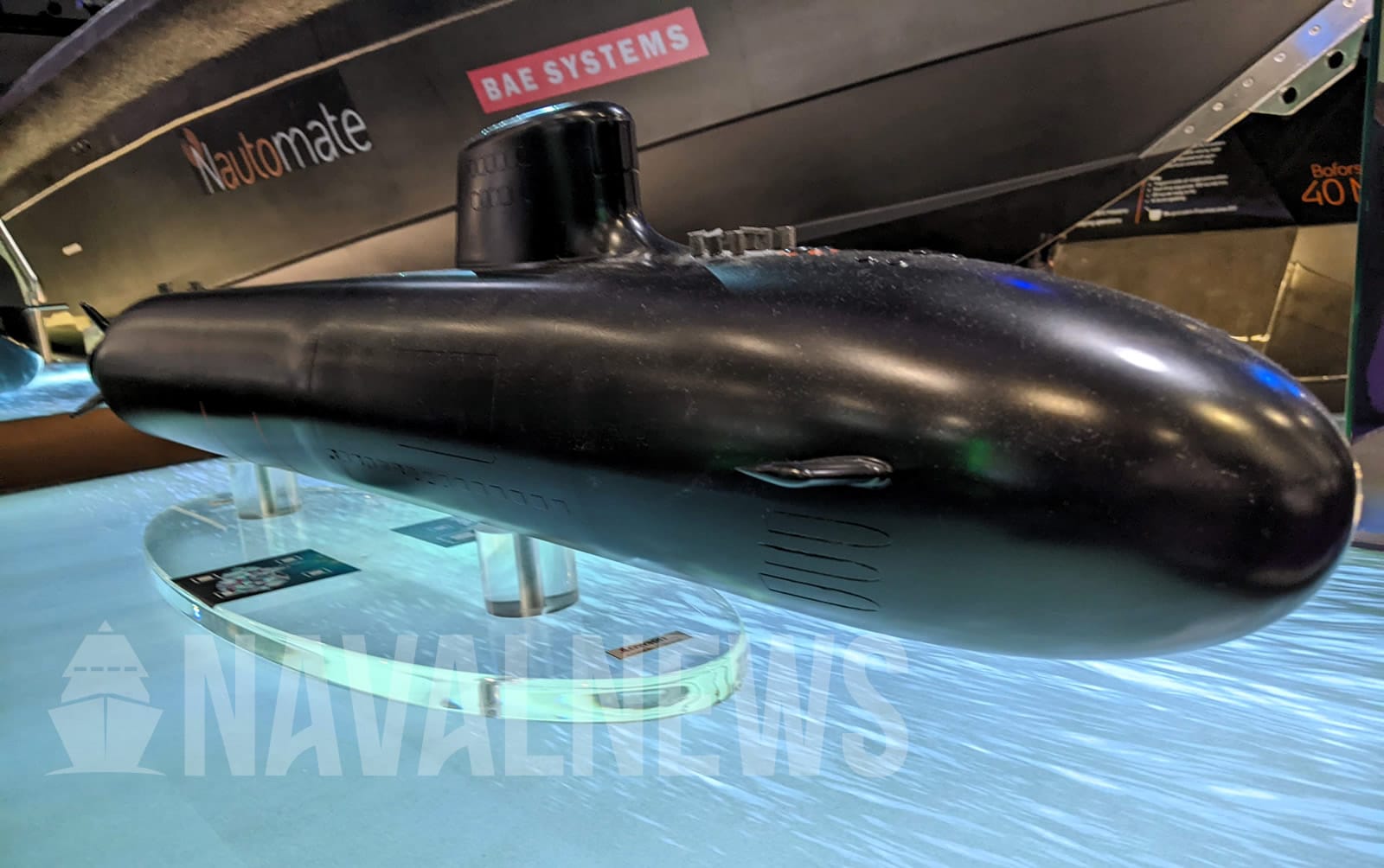
Australia has selected BAE Systems and ASC Pty Ltd to collaborate on building and operating its own nuclear-powered submarines under the AUKUS agreement, with the UK's next-generation design serving as the basis. BAE Systems will work with ASC to establish a long-term joint venture in Australia, drawing on their expertise to develop a sovereign nuclear-powered submarine building capability. The SSN-AUKUS program will result in the largest and most advanced attack submarines for the Royal Navy and Australia, with BAE Systems receiving significant funding and expanding its workforce to support the program in both the UK and Australia.