
Tag

Lunar Fragments

All articles tagged with #lunar fragments

science6 months ago

Earth Might Currently Have Up to Six Mini-Moons, Study Reveals

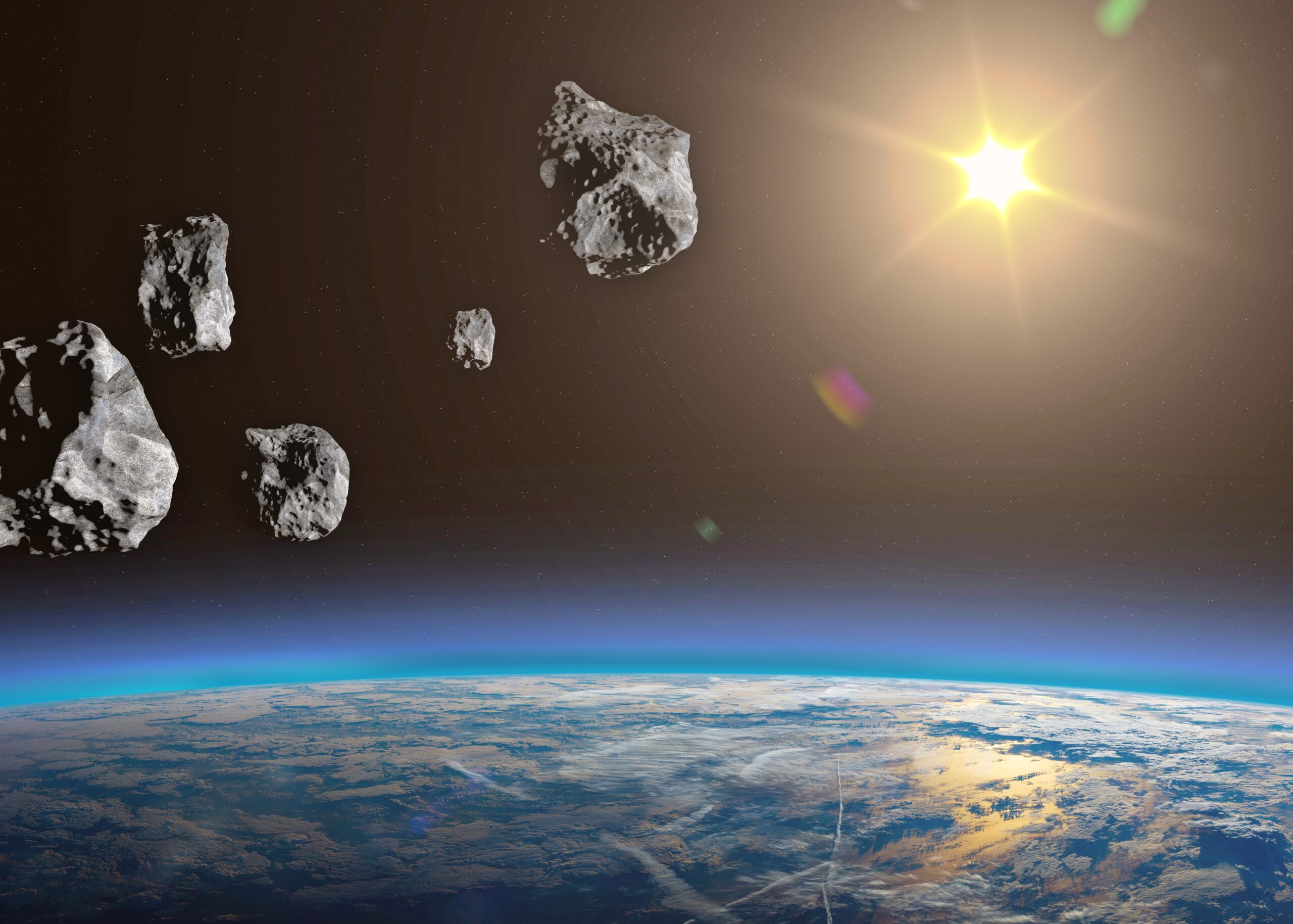
Astronomers estimate that at any given time, Earth could be hosting around 6.5 minimoons—small, temporary satellites mostly originating from lunar debris—though detecting them remains challenging due to their size and speed. These transient objects offer valuable scientific insights into the Moon's history and solar system processes, and could have future applications in space exploration and resource extraction. Ongoing advancements in telescopic technology are expected to improve detection and understanding of these elusive celestial bodies.
space-science2 years ago

Moon Fragment Transforms into Near-Earth Asteroid: Researchers Unveil the Answer

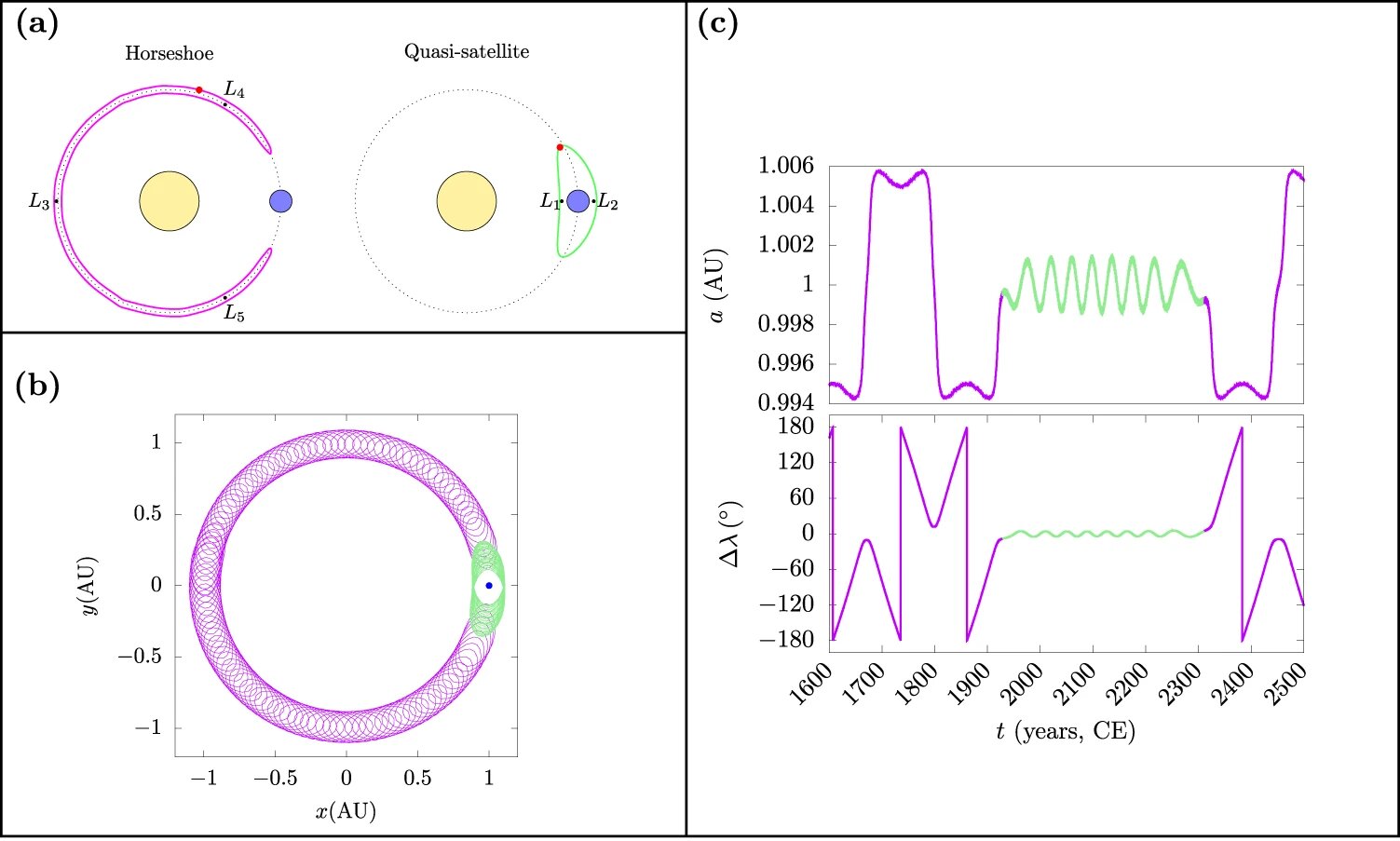
Researchers from the University of Arizona have proposed that the near-Earth asteroid Kamo`oalewa is a fragment of the moon, challenging the previous belief that distant asteroids were the source of near-Earth asteroids. The asteroid's unique characteristics, including its quasi-satellite orbit and longevity, suggest a lunar origin. Numerical simulations indicate that certain lunar fragments can adopt Earth-like orbits, potentially explaining Kamo`oalewa's trajectory. Further study of this asteroid could provide insights into impact mechanics and help understand the hazards posed by near-Earth asteroids.

space2 years ago

Unraveling the Mystery: Moon Fragment Transforms into Near-Earth Asteroid

Researchers have proposed that a recently discovered near-Earth asteroid, Kamo'oalewa, could be a fragment of the moon that was ejected during a meteorite strike. They found that a rare pathway allowed Kamo'oalewa to enter an orbit around the sun while remaining close to the orbits of the Earth and the moon. This discovery suggests that the moon is a more likely source of near-Earth asteroids than previously thought. Further studies of Kamo'oalewa could provide valuable insights into the formation of the moon and impact mechanics.