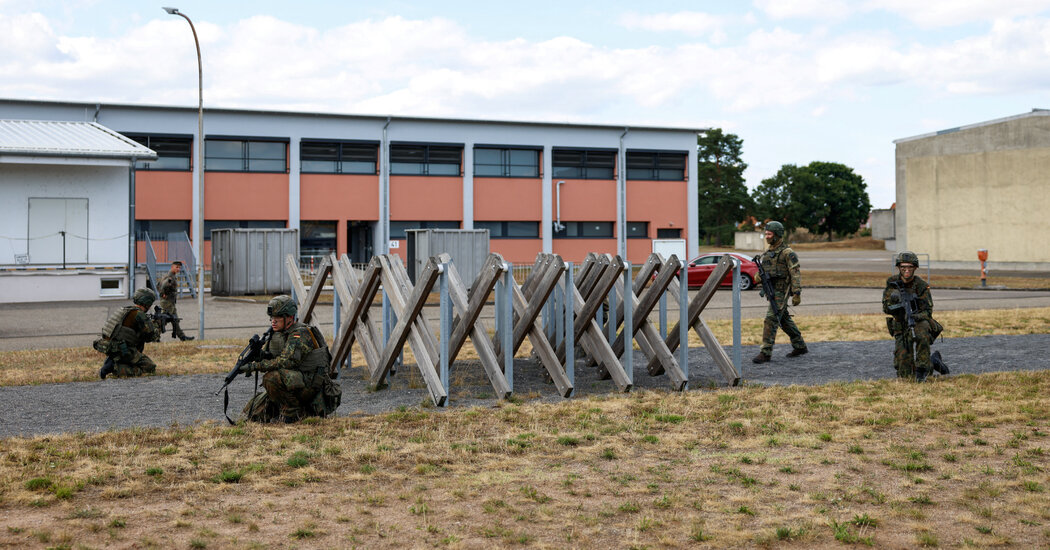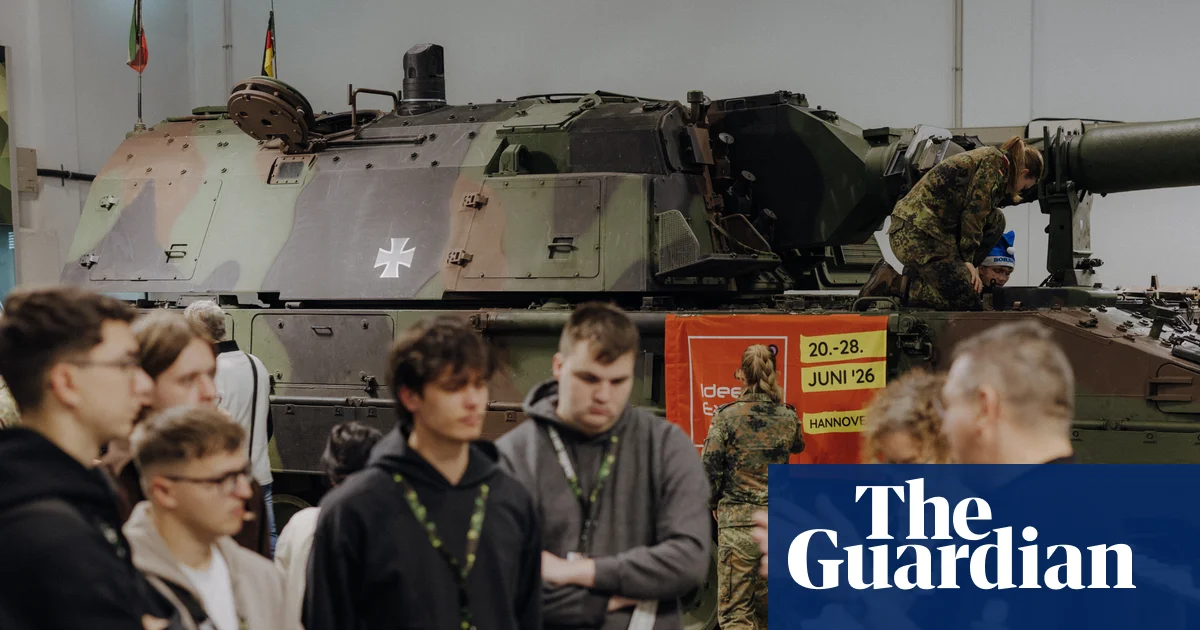
Germany's military is actively recruiting on a large scale to expand its forces, using public outreach and incentives to attract volunteers, amid a shift in public perception and increased defense spending, as the country prepares for a new era of national security.
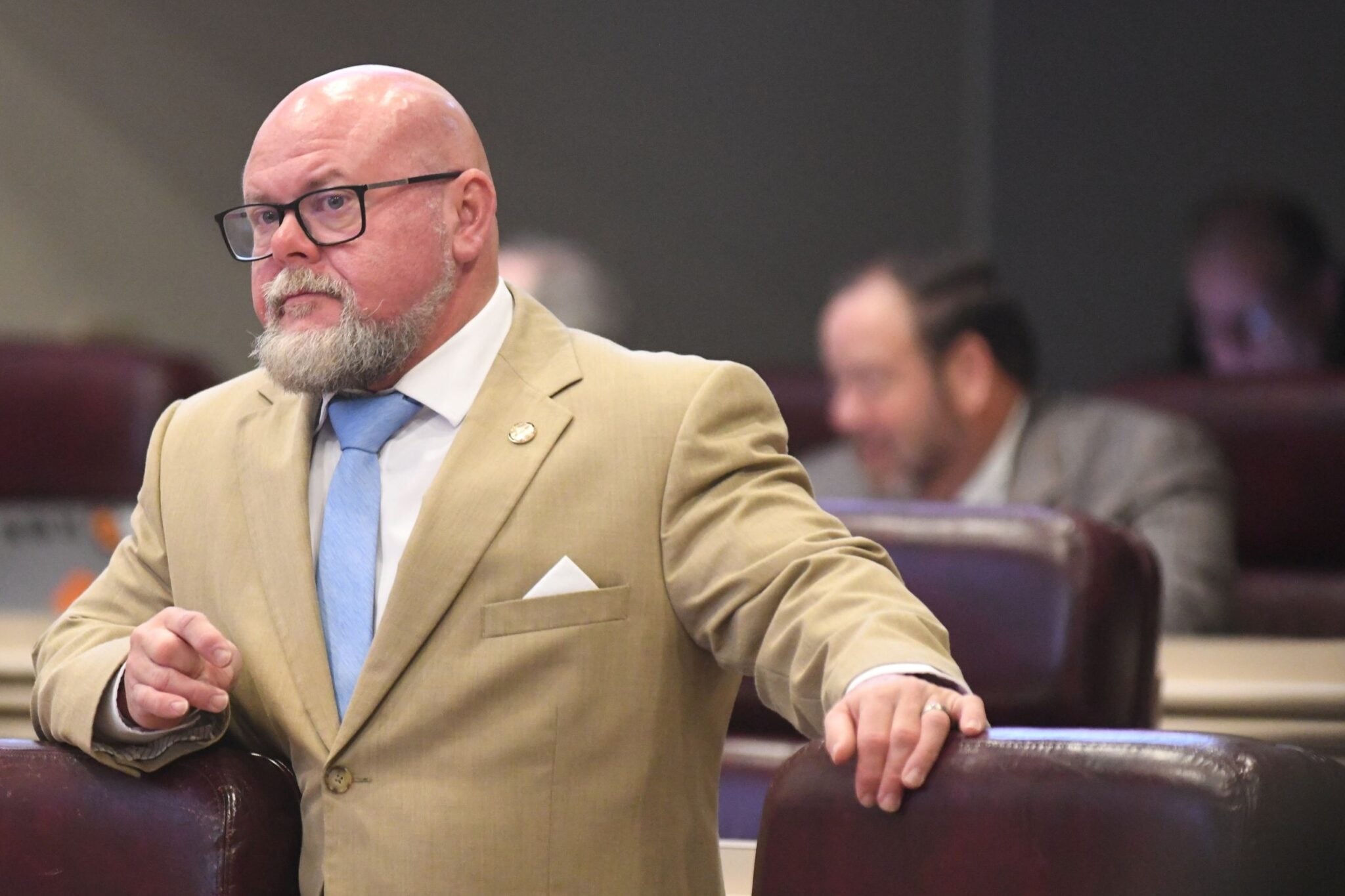
An Alabama lawmaker proposes a bill to establish signing days for military enlistment and trade schools in public high schools, aiming to boost recruitment and workforce development by aligning these events with existing athletic signing days. The bill would require schools to provide accommodations for these signing ceremonies, and some schools already practice similar celebrations. The legislation has previously passed the House and is expected to face little opposition.
The UK government, amid rising tensions with Russia and high youth unemployment, is urging Gen Z graduates to consider careers in the military and defense industry, investing £50 million in specialized tech colleges and promoting a shift away from traditional corporate jobs to bolster national security and address a skills gap.
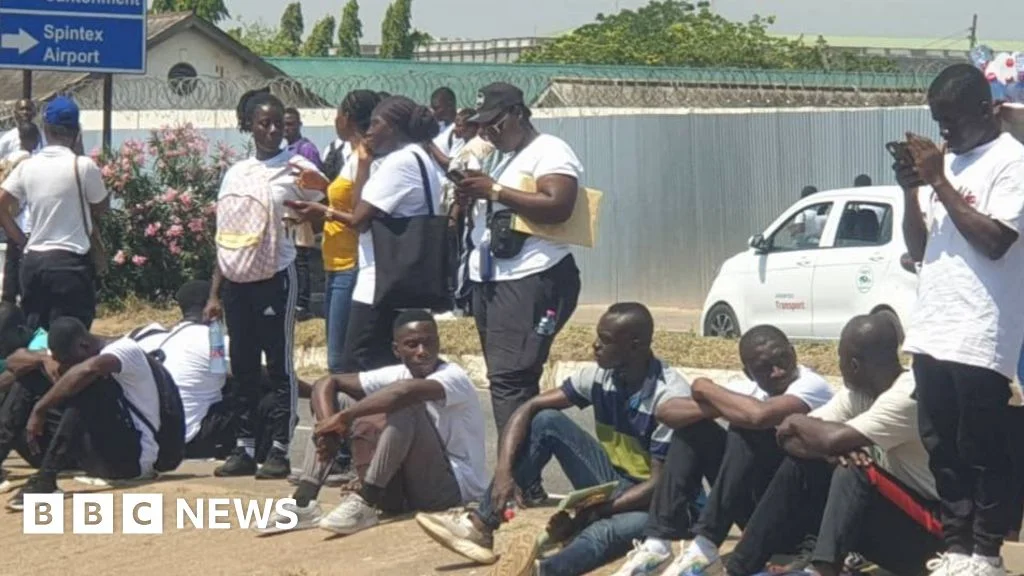
At least six people died and 22 were injured in a crowd crush at a military recruitment event in Ghana's El-Wak stadium, caused by an unexpected surge of applicants breaching security, amid high youth unemployment and large crowds. The event was temporarily suspended for safety measures, and an investigation is underway.
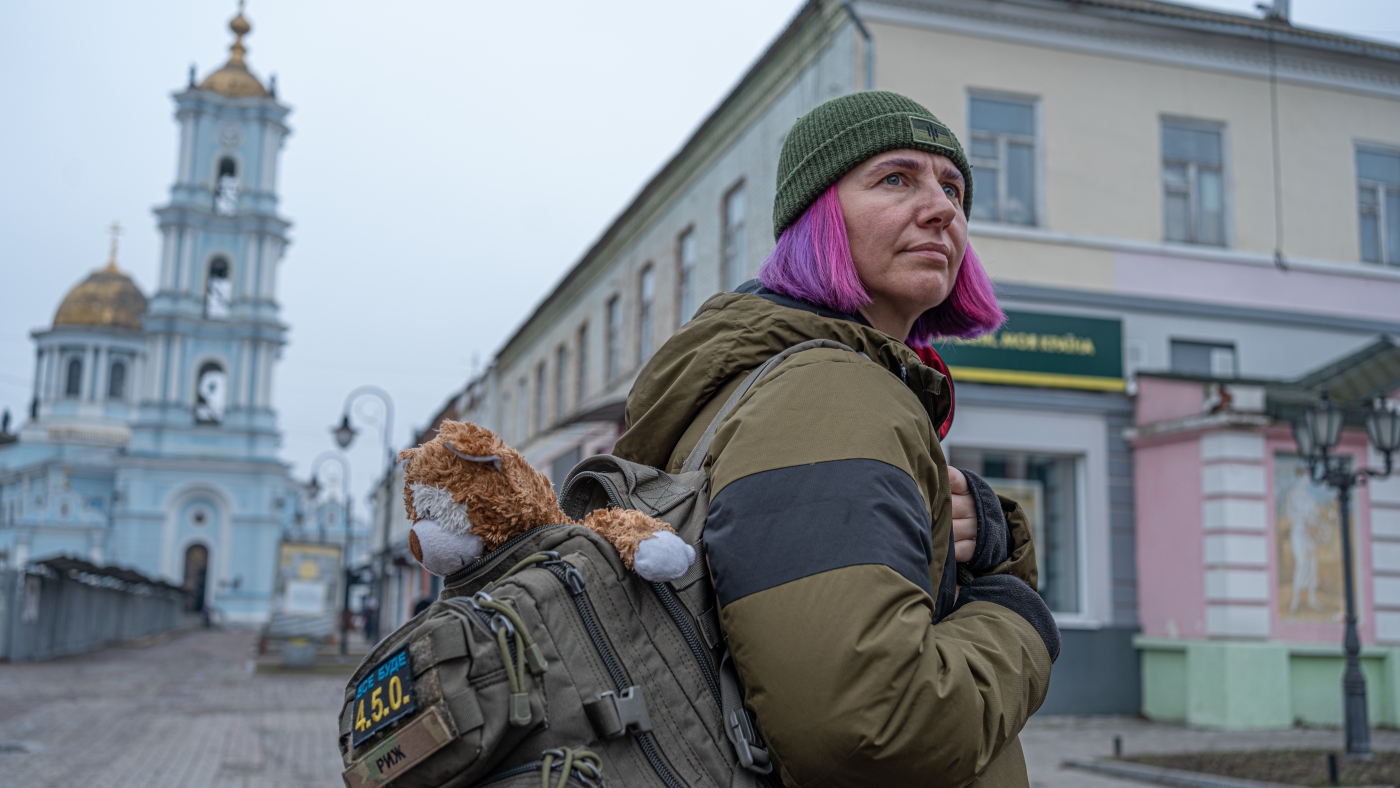
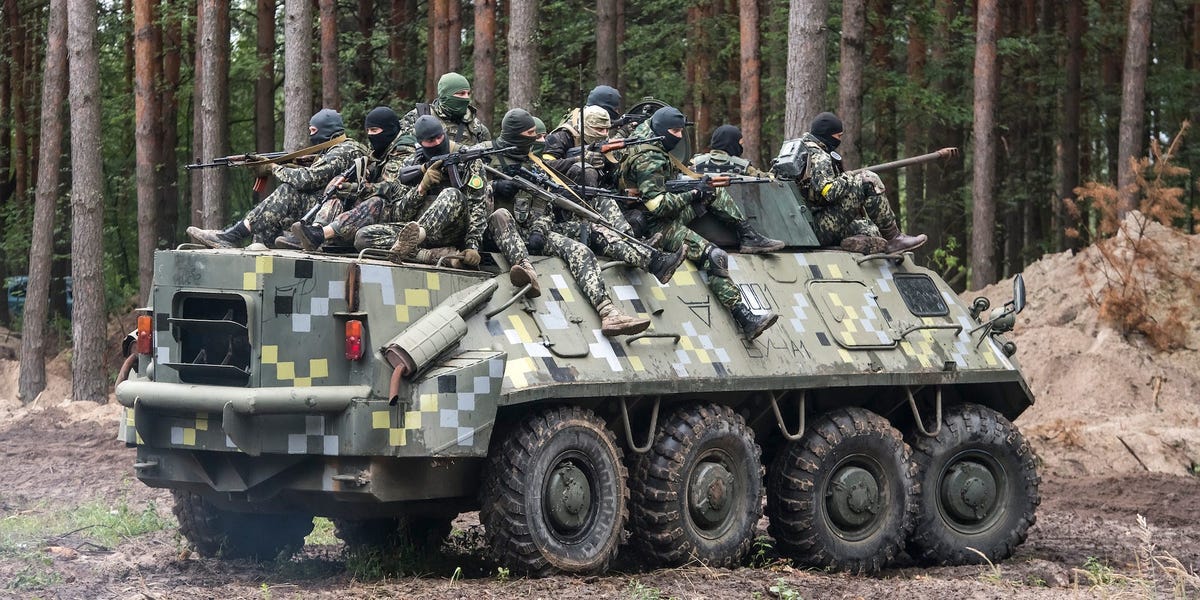
Amid ongoing conflict with Russia, more Ukrainian women are voluntarily joining the military, taking on combat roles and contributing significantly to Ukraine's defense efforts, reflecting a shift in gender roles and military policies since 2018.
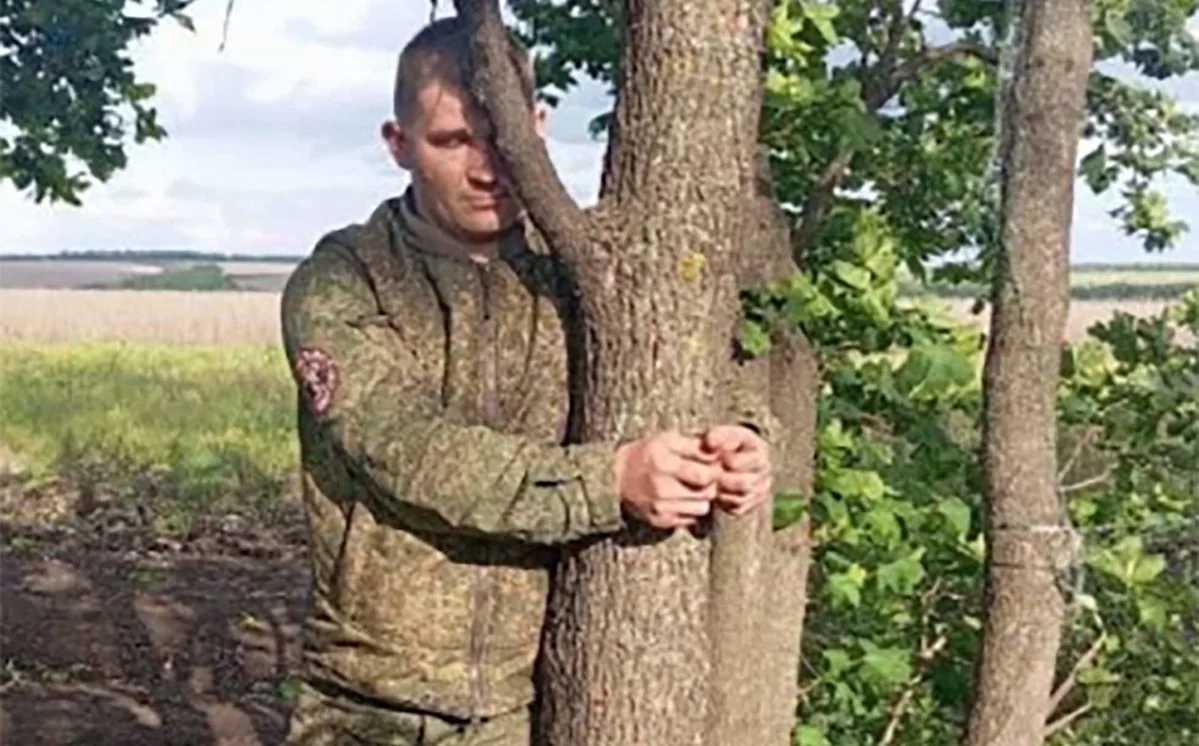
The article reports on Russia allegedly sending disabled and mentally ill soldiers to the front lines in Ukraine, highlighting a pattern of exploiting vulnerable recruits and risking their lives, with evidence of high casualties and ethical concerns about the treatment of these soldiers.
Germany has proposed a major overhaul of its military recruitment system, aiming to increase volunteer enlistment through salary raises and expanded training, while also considering reintroducing conscription if volunteer numbers remain insufficient, sparking debate over the effectiveness and necessity of such measures.
The article argues that in the past six months, global political and social issues have shifted dramatically, with policies and perceptions changing on immigration, military recruitment, NATO, Iran, economic stability, universities, gender politics, and social justice movements, revealing a widespread awakening and rejection of previous narratives.
Ukraine's parliament has approved a new law to increase government power for war mobilization and punish draft-dodgers, despite criticism from battle-worn troops who feel abandoned and exhausted. The legislation, awaiting President Zelenskyy's signature, requires men aged 25 and above to undergo medical examination and renew their data in local conscription offices, while exempting state officials and some enterprises from military service. The bill does not provide an end-date for soldiers already serving, leading to frustration and feelings of being undervalued among the troops.
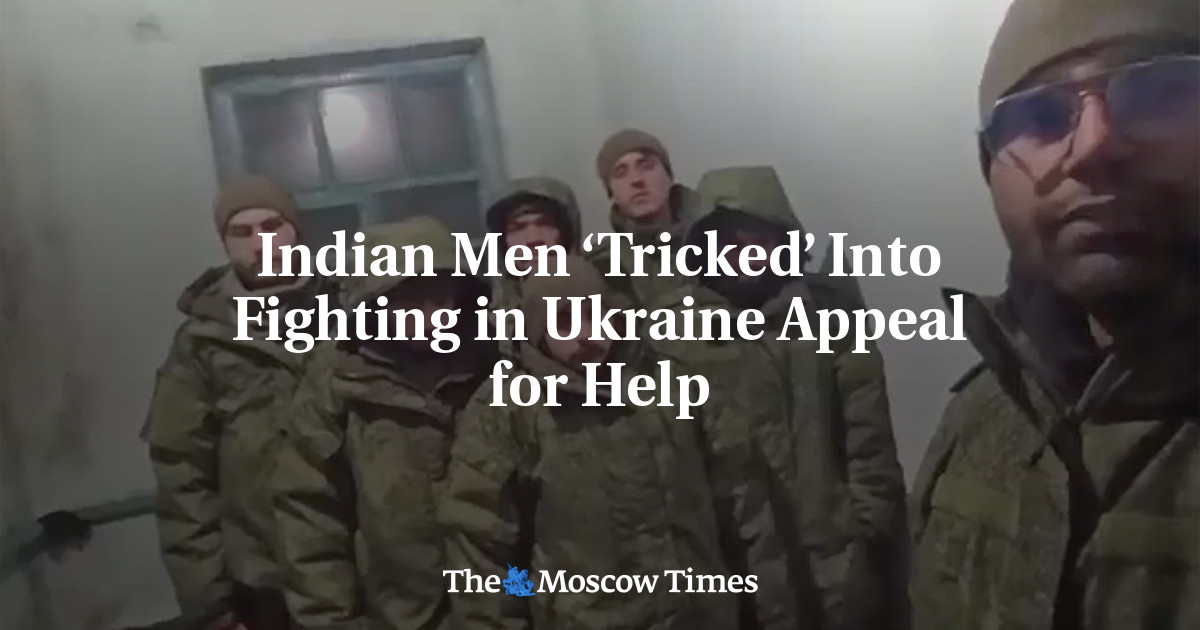
A group of Indian men claim they were deceived into fighting for Russia in the Ukraine conflict after being lured to Russia with promises of work and then coerced into military training. They are now appealing to the Indian government for help in securing their release. Reports indicate that around 20 Indian citizens are currently "stuck" in the Russian military, with some alleging that they were enticed with offers of high salaries and Russian citizenship. Both India and Russia are working to address the situation, as it comes to light that Moscow's military recruitment efforts are extending to citizens of various countries, including India, Cuba, and Nepal.
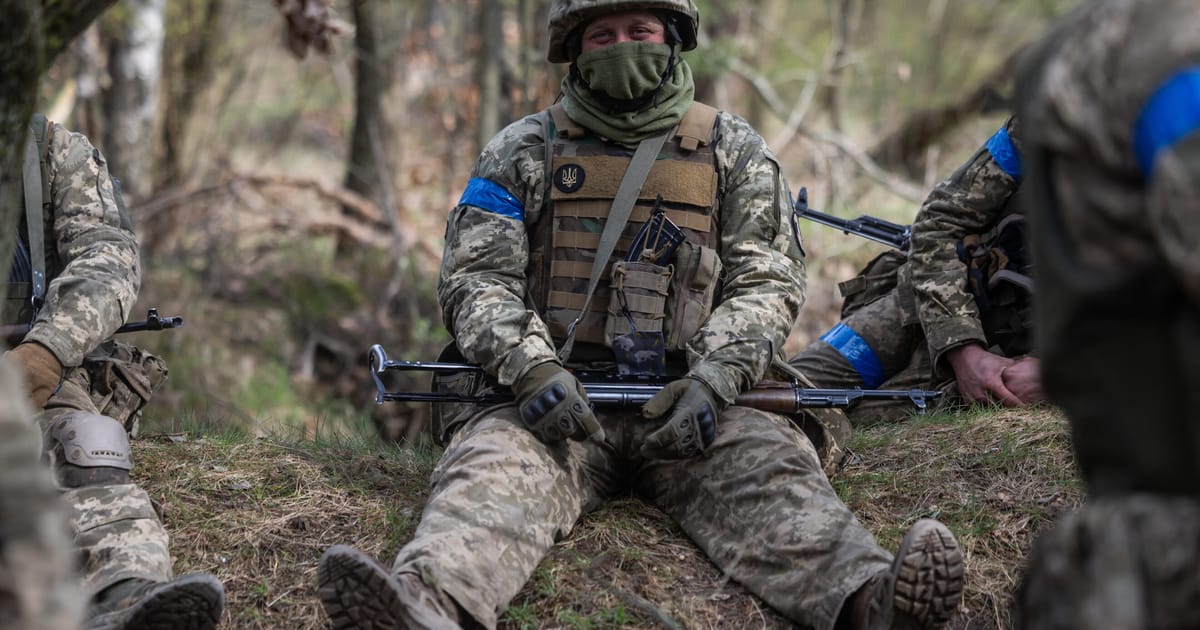
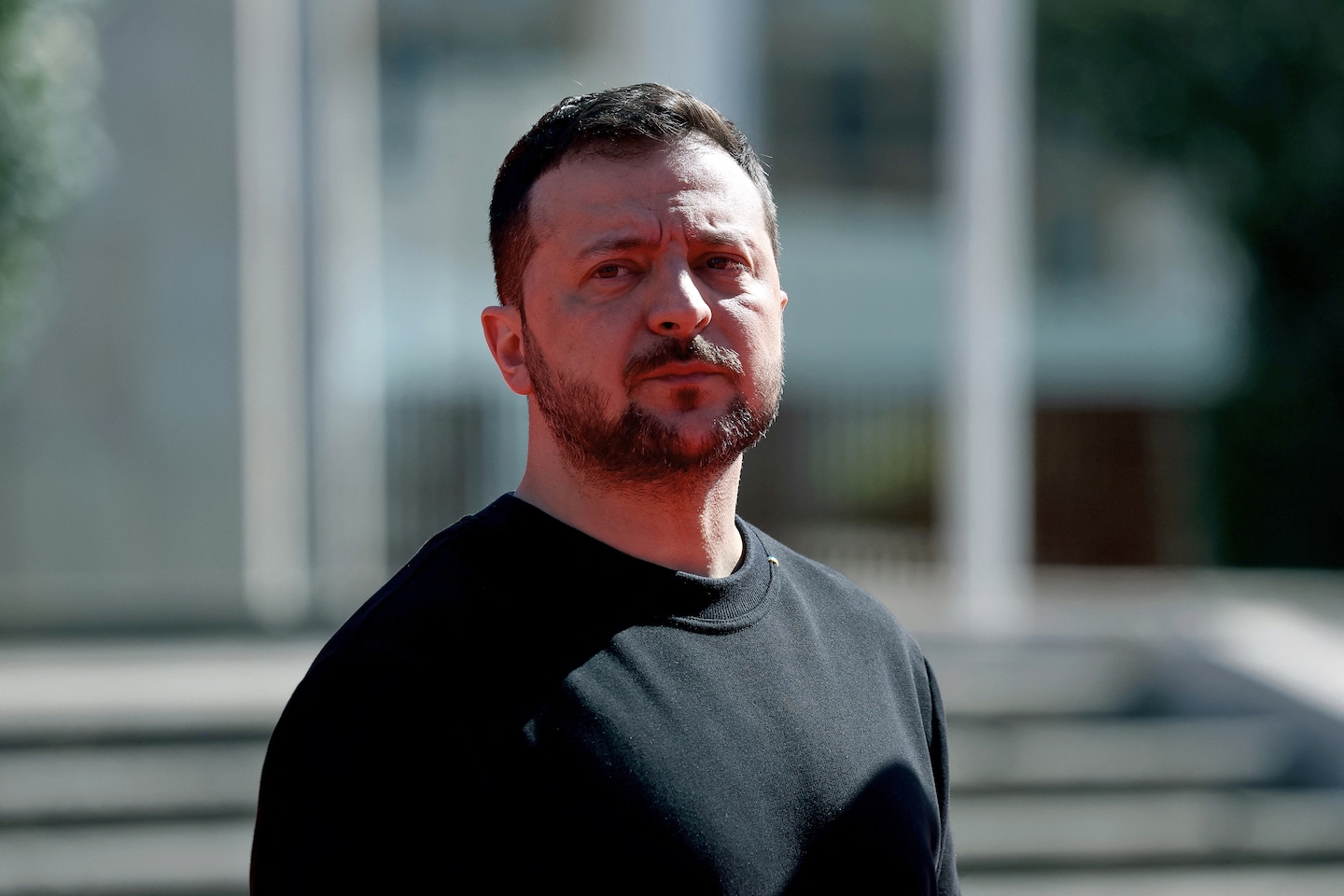
Ukrainian President Zelensky faces a critical challenge in drafting more troops to defend against Russian attacks, as the military struggles to recruit the thousands of soldiers needed. The lack of a clear mobilization strategy has led to divisions in parliament and society, with concerns about a severe shortage of qualified troops. The ongoing debate over the mobilization bill reflects the difficulty in addressing the urgent need for more combat-ready troops, as the country grapples with a strategic crisis and mounting pessimism about its ability to hold off the Russian onslaught without additional support.
Indian nationals, including an apple farmer, an airline caterer, and an out-of-work graduate, have been recruited into the Russian military to fight in the war in Ukraine, with promises of non-combatant roles but training with weapons and deployment to the front line. Recruitment efforts have targeted Indians through social media videos, with some recruits expressing fear and a desire to return home. India's Foreign Ministry confirmed Indian citizens have signed up for "support jobs" with the Russian army, but families of the recruits claim they were tricked and blame Indian authorities for not doing enough to help them return home.
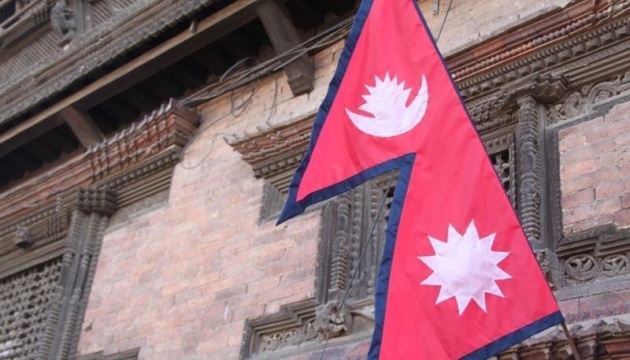
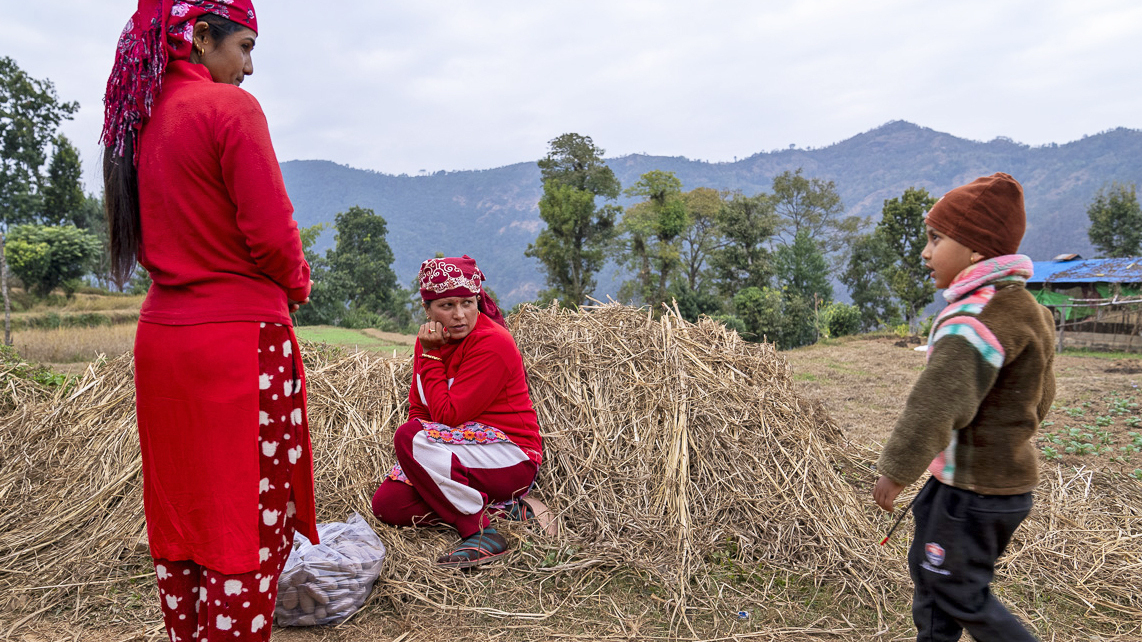
About 15,000 Nepali citizens are reportedly fighting on the side of Russian troops in Ukraine, receiving a monthly salary of at least $2,000. The Russian government had announced a lucrative package for foreign fighters, including expedited Russian passport acquisition. The Nepali government estimates around 200 citizens fighting for Russia, but opposition lawmakers and rights' campaigners claim the number is much higher. Families of these fighters are seeking help to locate their missing loved ones or bring them back home. The Nepali government has banned its citizens from traveling to Russia for work, and a racket involved in sending Nepali men to join the Russian army has been dismantled by Kathmandu police.
Nepal is seeking the return of its citizens from Russia after at least 10 Nepali men died and others went missing while serving in the Russian military in Ukraine. Many Nepali men were recruited with promises of Russian citizenship and high salaries, but some ended up on the front lines of the war. Families are distraught and struggling to bring back the remains of their loved ones, prompting Nepal's government to appeal to Russia for their return and to halt further recruitment.
Ukraine is resorting to desperate measures to recruit more troops for its ongoing war with Russia, including confiscating people's passports and attempting to enlist a mentally disabled man. Military recruiters have been accused of using forceful tactics and exceeding their authority, leading to widespread concerns about lawlessness and illegal practices. Some Ukrainian men have turned to the courts to fight against wrongful draft notices and forced mobilization. Ukraine's Ministry of Defense has responded to the accusations, stating that changes to legislation are being developed. Both Ukraine and Russia have suffered significant casualties in the conflict, with estimates of tens of thousands of deaths and injuries on both sides.