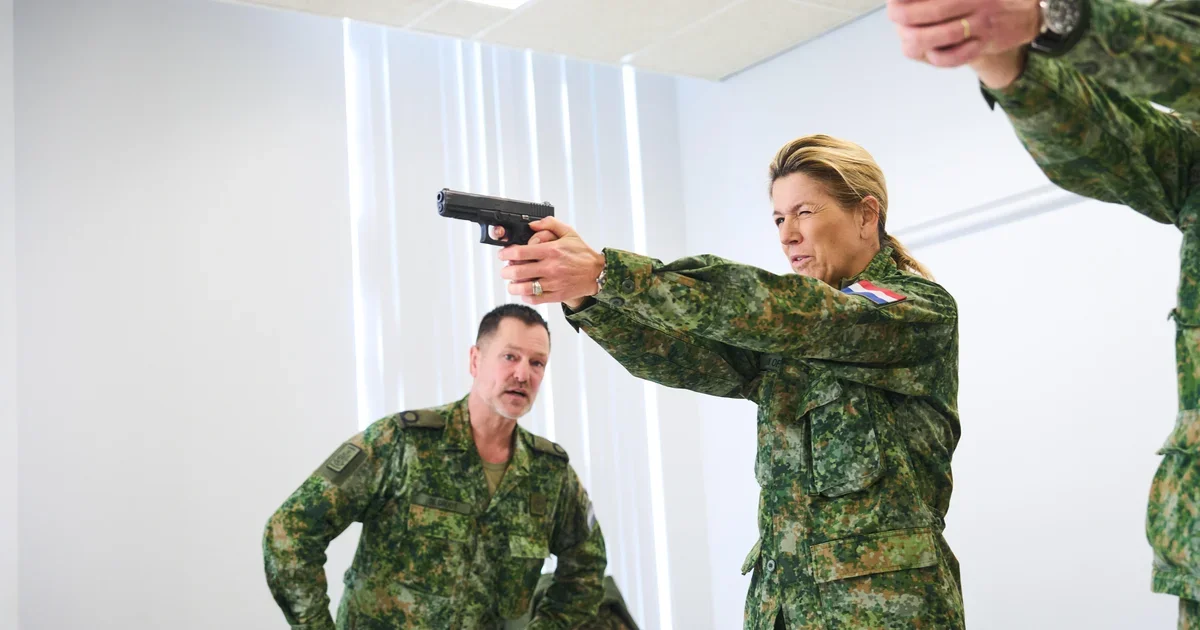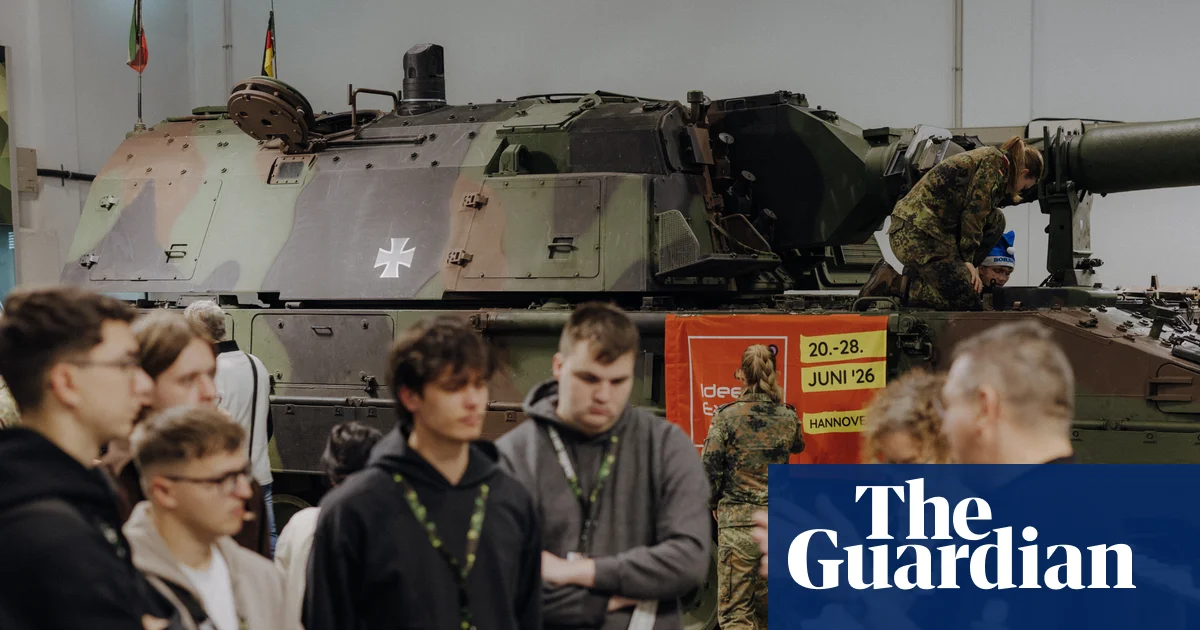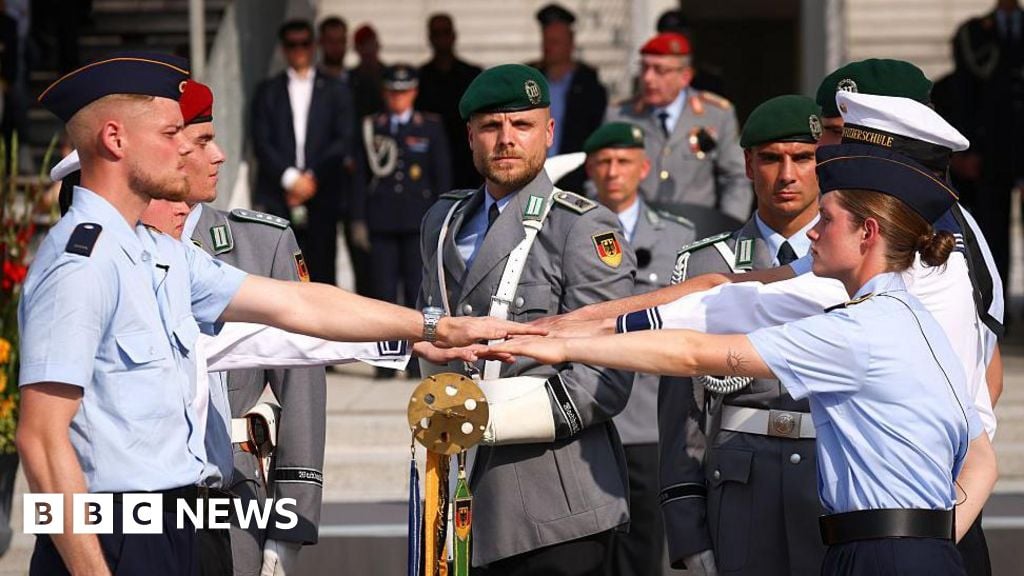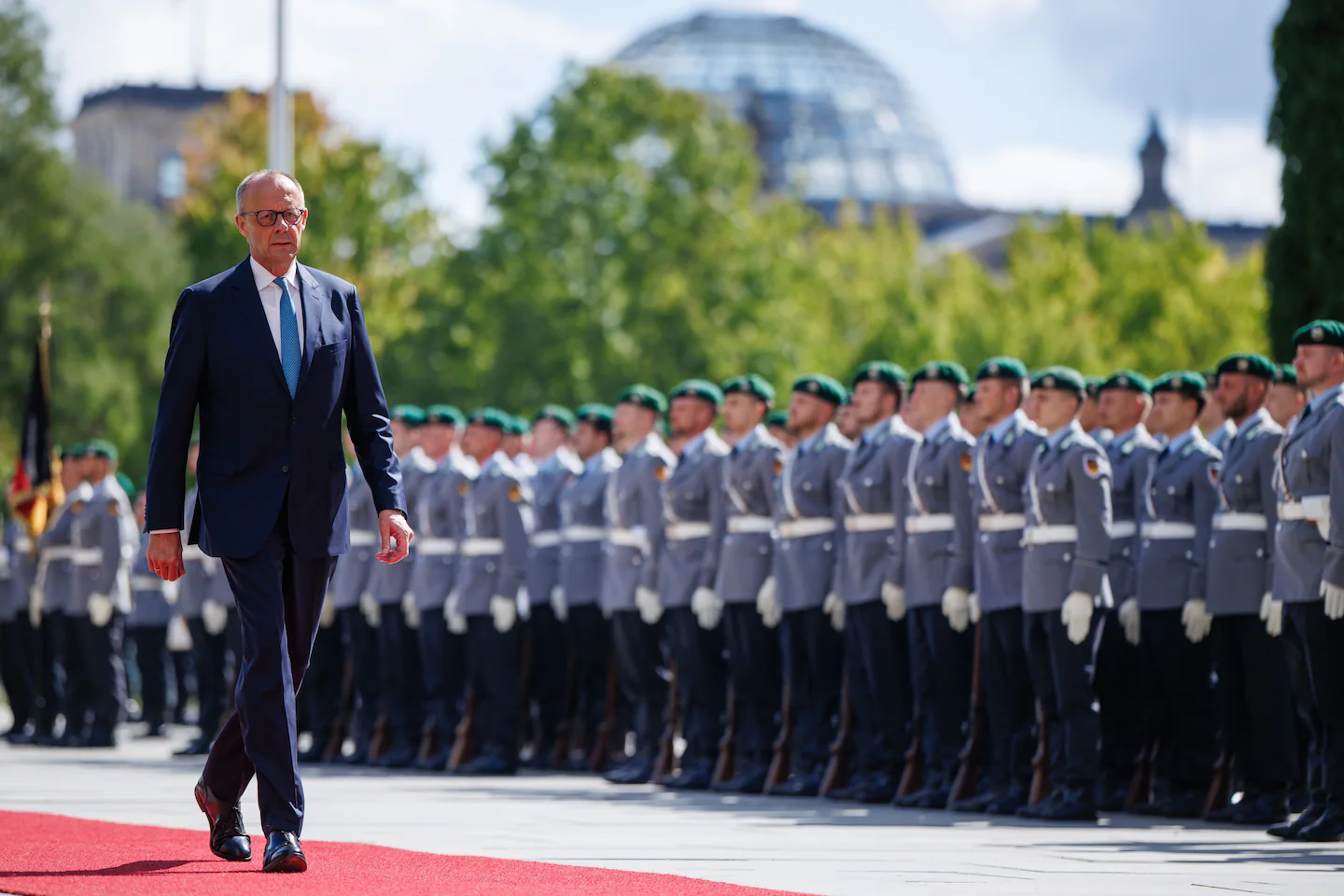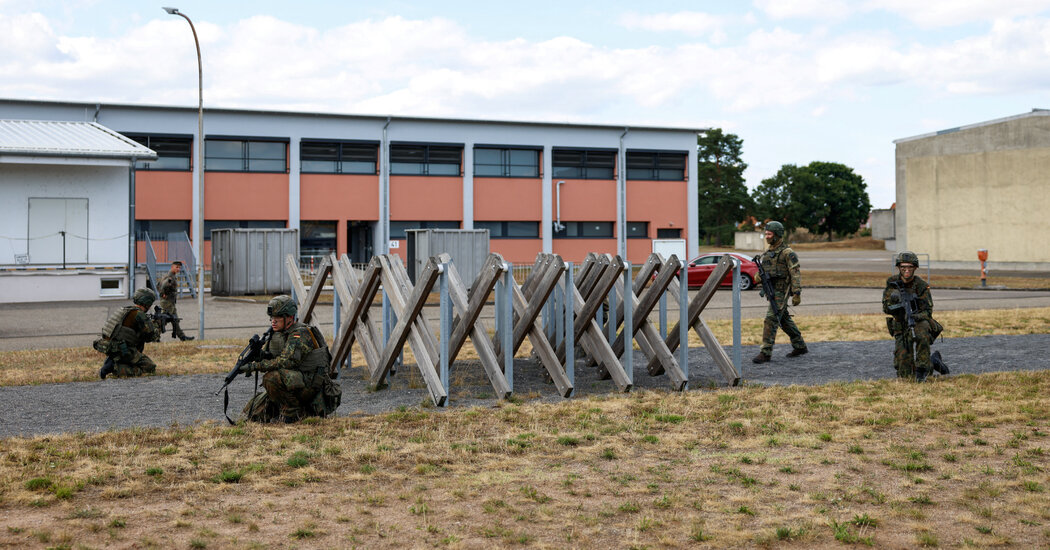
Germany's military is actively recruiting on a large scale to expand its forces, using public outreach and incentives to attract volunteers, amid a shift in public perception and increased defense spending, as the country prepares for a new era of national security.
Germany's cabinet has approved a bill to reintroduce voluntary military service, with the potential to implement conscription if needed, as part of efforts to strengthen national defense amid tensions with Russia and following Ukraine invasion, aiming to increase troop numbers and modernize the military.
Germany is moving towards reinstating compulsory military service to bolster its armed forces amid concerns over Russia's threat and the need for European security guarantees, with a bill pending parliamentary approval that would require 18-year-old men to fill out a fitness questionnaire and potentially reintroduce conscription, sparking domestic debate and opposition.
Germany has proposed a major overhaul of its military recruitment system, aiming to increase volunteer enlistment through salary raises and expanded training, while also considering reintroducing conscription if volunteer numbers remain insufficient, sparking debate over the effectiveness and necessity of such measures.
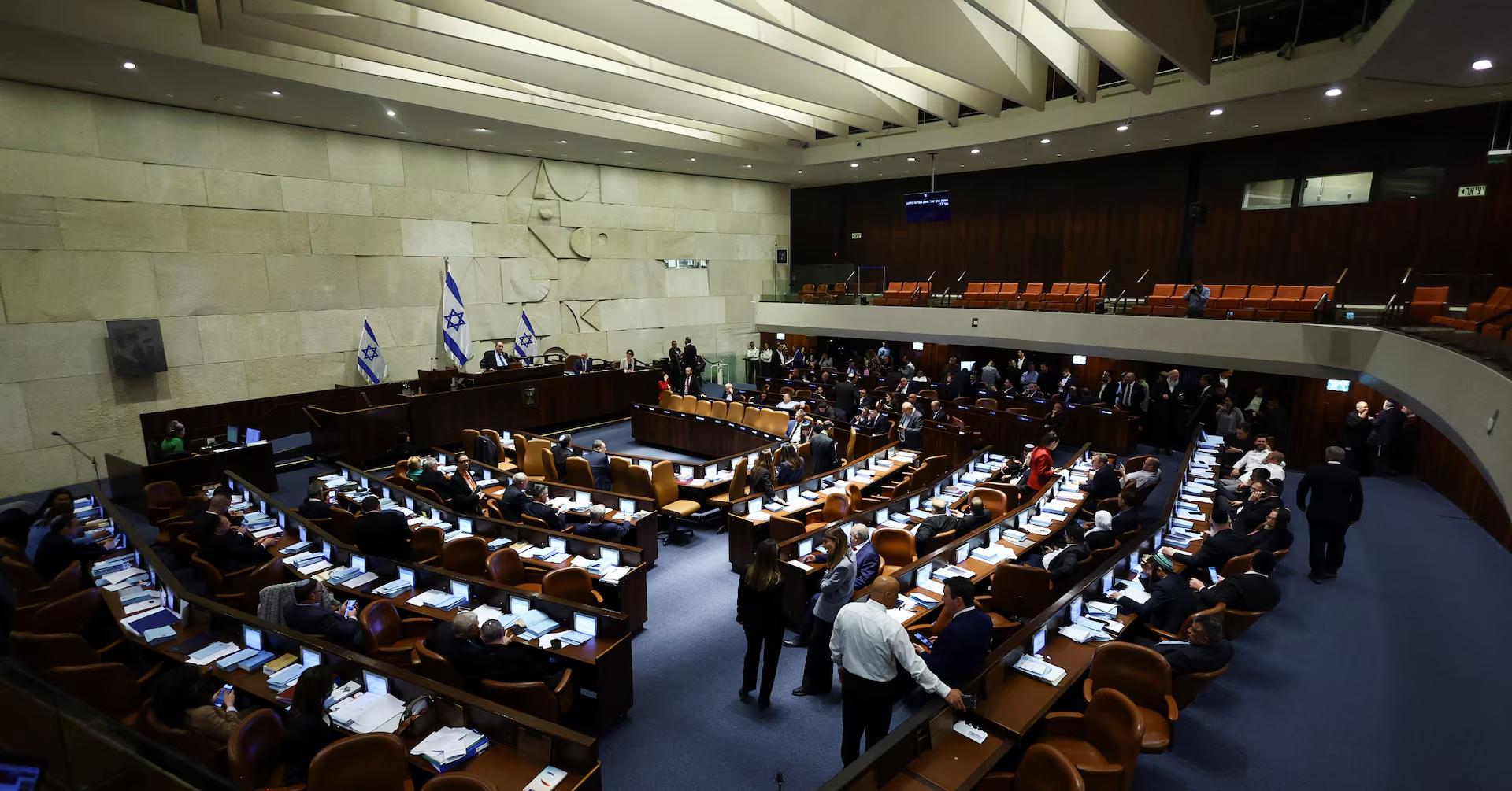
The ultra-Orthodox party United Torah Judaism has left Israel's government coalition over disagreements on a bill to exempt yeshiva students from military service, reducing Netanyahu's majority in the Knesset and escalating tensions over military conscription exemptions for religious students.
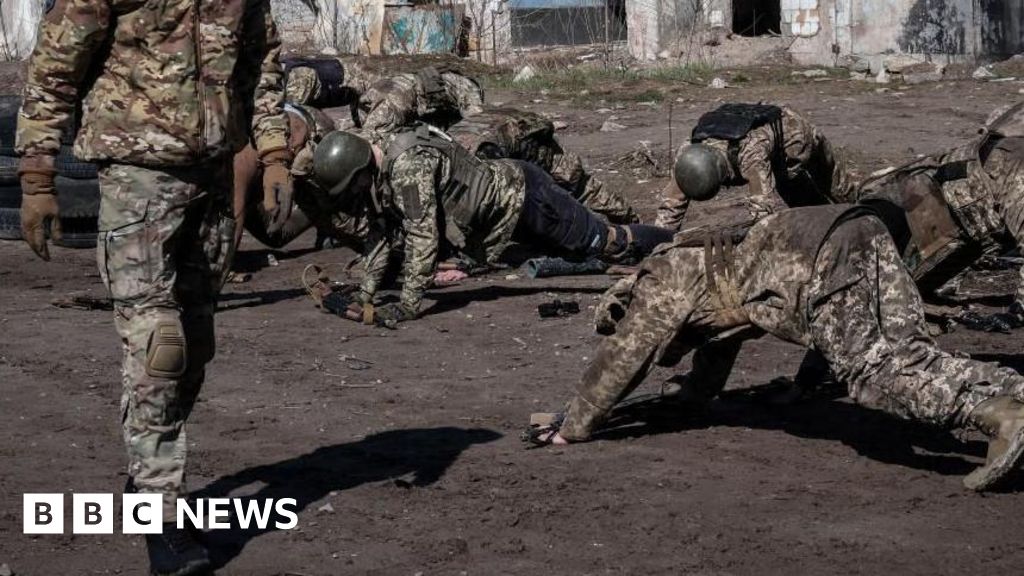
The death of a 45-year-old ethnic Hungarian in Ukraine, allegedly due to mistreatment during forced conscription, has sparked a diplomatic dispute between Hungary and Ukraine, highlighting concerns over human rights violations amid Ukraine's military mobilization efforts.
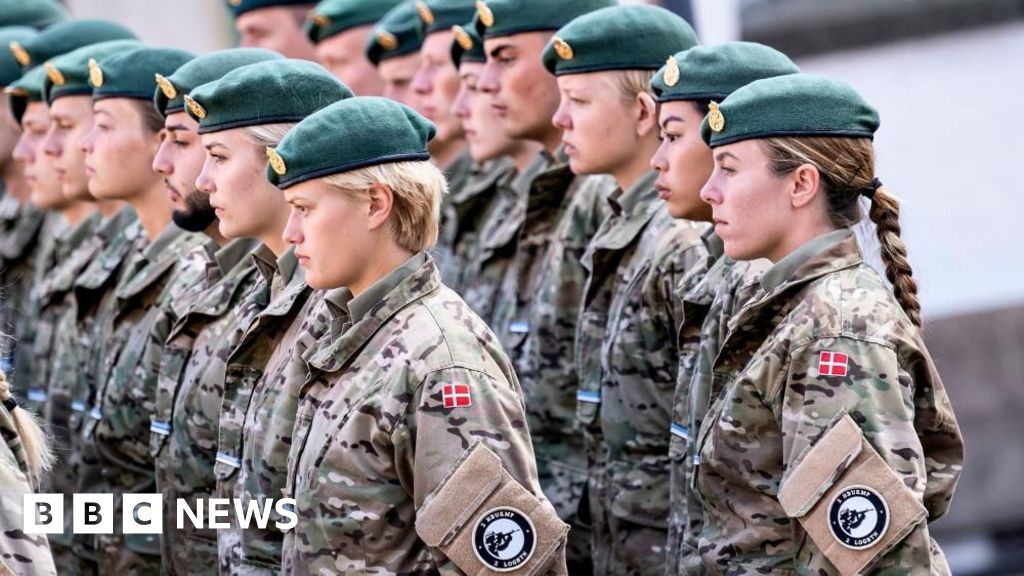
Denmark has changed its laws to require women to participate in a lottery system for 11 months of military service at age 18, aligning with NATO's increased defense efforts and following the example of Sweden and Norway, with the aim to boost military capacity amid heightened security concerns.
The US has urged Ukraine to lower its conscription age from 25 to 18 to address a manpower shortage amid escalating Russian advances. This request comes as the Biden administration rushes to provide $7 billion in security aid to Ukraine before Donald Trump takes office, fearing he might push for a resolution favoring Russia. Despite US pressure, Ukraine remains hesitant to conscript younger individuals due to demographic concerns. Meanwhile, Russia has bolstered its forces with North Korean soldiers, intensifying the conflict in Ukraine's southeastern regions.
Israel's military announced it will start issuing draft notices to ultra-Orthodox men next week, marking a significant policy shift in the country's conscription practices.
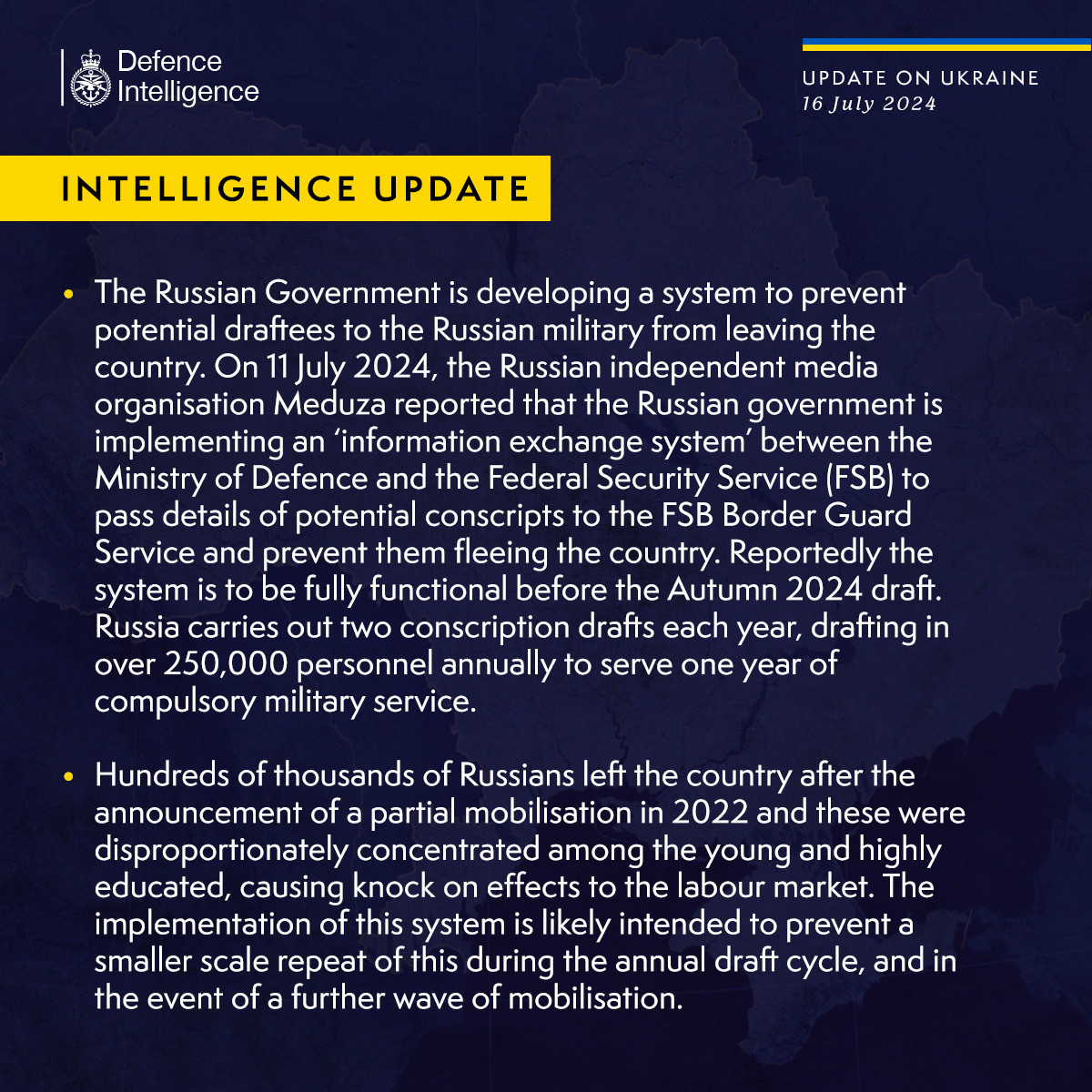
The Russian government is developing an 'information exchange system' between the Ministry of Defence and the Federal Security Service (FSB) to prevent potential military draftees from leaving the country. This system, expected to be operational before the Autumn 2024 draft, aims to avoid a repeat of the mass exodus seen during the 2022 partial mobilization, which significantly impacted the labor market.
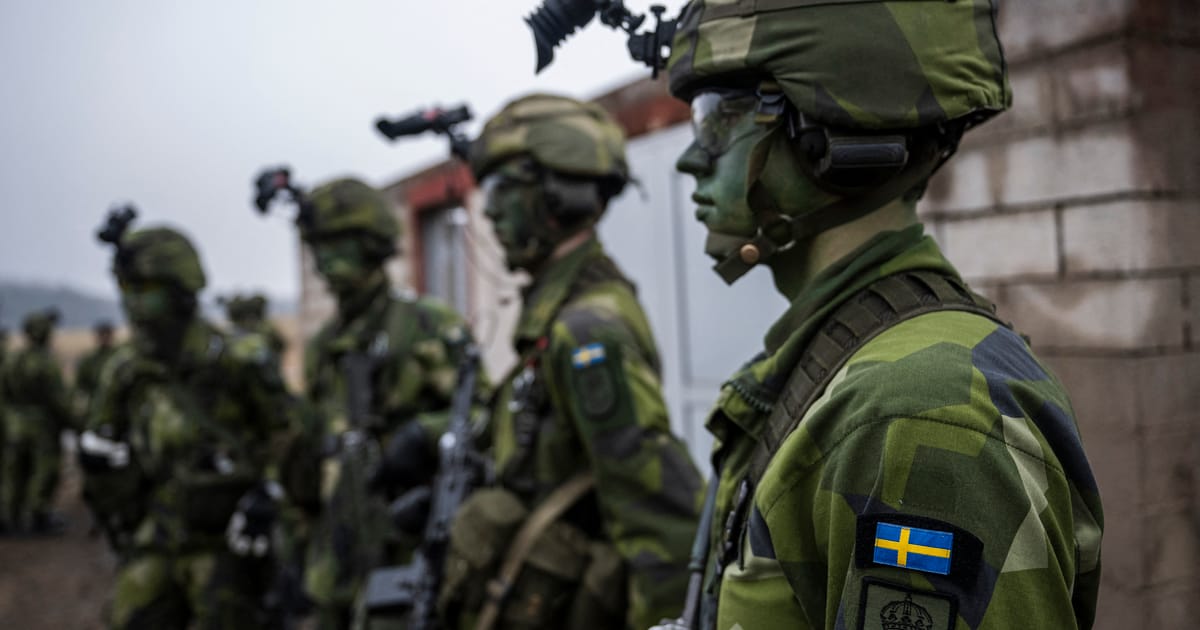
European countries like Germany and the Netherlands are considering adopting Sweden's conscription model to address troop shortages. Sweden screens 110,000 teenagers annually, drafting the best-suited third for military service. This system, reintroduced in 2017, has doubled the number of conscripts and is seen as essential for military growth, especially in light of rising threats from the east.
Latvia is reintroducing compulsory military service, joining other European countries like Lithuania and Sweden, amid growing security concerns following Russia's attack on Ukraine. Experts argue that while conscription can help build military reserves, it faces challenges such as insufficient training, lack of motivation among conscripts, and high economic and political costs. The debate continues on whether conscription is the best approach to bolster national defense.
Israel's High Court of Justice held a significant hearing on the contentious issue of drafting ultra-Orthodox (haredi) men into the IDF, following the expiration of a law that allowed their exemption. The court is considering whether to make a temporary order permanent, which would mandate the drafting of haredi men and halt funding for yeshivot with students of military age. The hearing, marked by heated exchanges and public protests, has substantial social and political implications, especially given the strong opposition from the haredi community and the potential impact on the governing coalition.
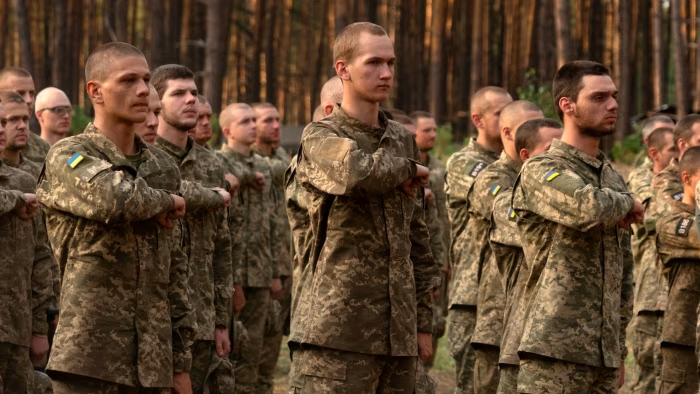
Ukraine's parliament passed a controversial law to replenish depleted forces amid an escalating Russian campaign, aiming to recruit up to 500,000 more troops. The law, which will make it easier to identify draft-eligible men, comes as Ukraine faces ammunition shortages and struggles to fend off Russian attacks on energy infrastructure. The move to remove a provision for rotating out troops who served 36 months of combat has sparked criticism, while Ukraine's leaders plead for more air defense systems as the war drags on.
Ukraine has lowered its draft-eligible age for men from 27 to 25 in an effort to bolster its military forces, which have been depleted by more than two years of war with Russia. The new laws, signed by President Volodymyr Zelenskyy, aim to add around 50,000 troops to the military and also do away with some draft exemptions and create an online registry for recruits. The move comes as Ukraine anticipates a renewed push by Russian forces and faces growing shortages of infantry and ammunition. Meanwhile, Russia has reported a surge in enlistments following a recent terrorist attack in Moscow, attributing it to public outrage.