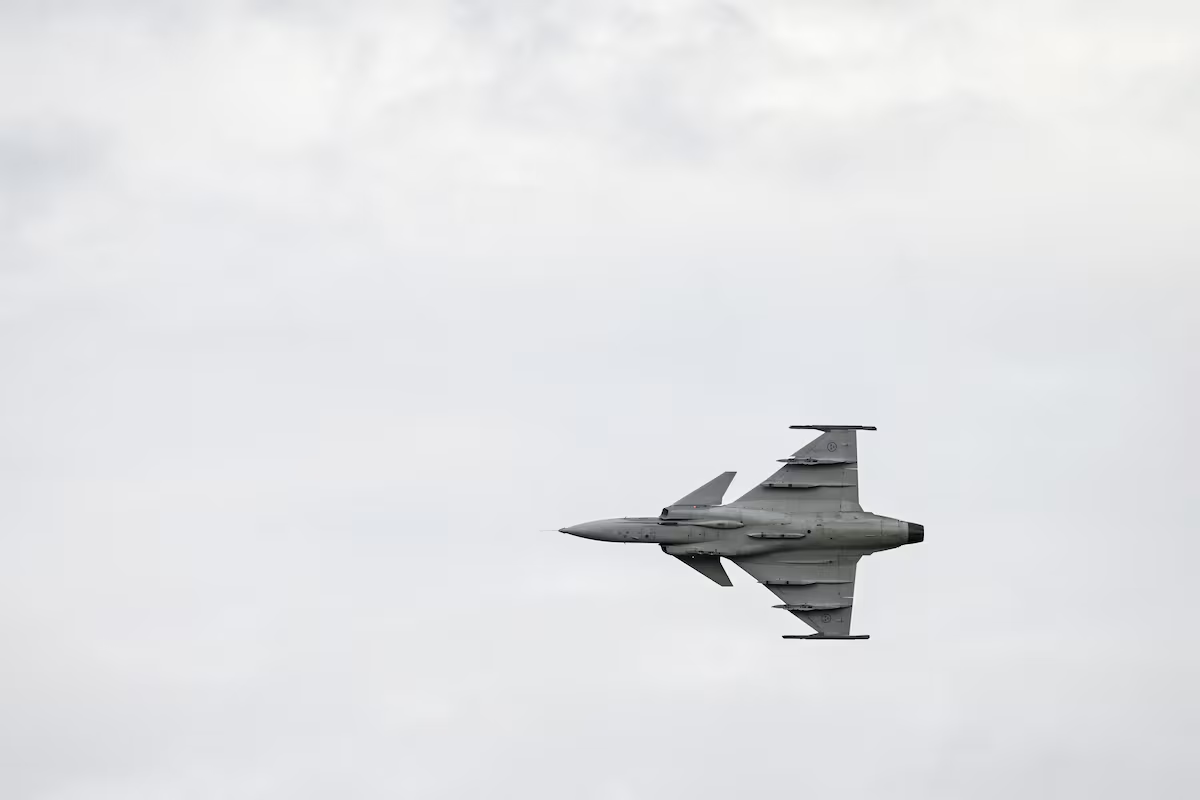
Ukraine is moving closer to acquiring up to 150 Swedish Gripen E fighter jets, with the first deliveries potentially starting within three years, enhancing Ukraine's aerial capabilities amid ongoing conflict.
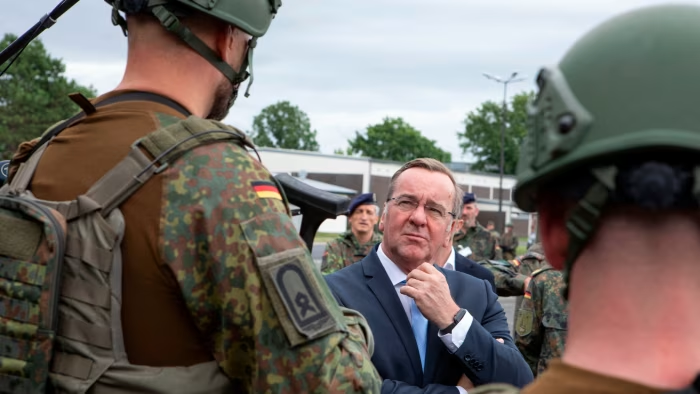
Germany faces significant challenges in rapidly spending its €650bn defense budget increase, including bureaucratic delays, industry capacity issues, and the need to modernize its armed forces amid rising NATO commitments and ongoing tensions with Russia, especially following the Ukraine conflict.
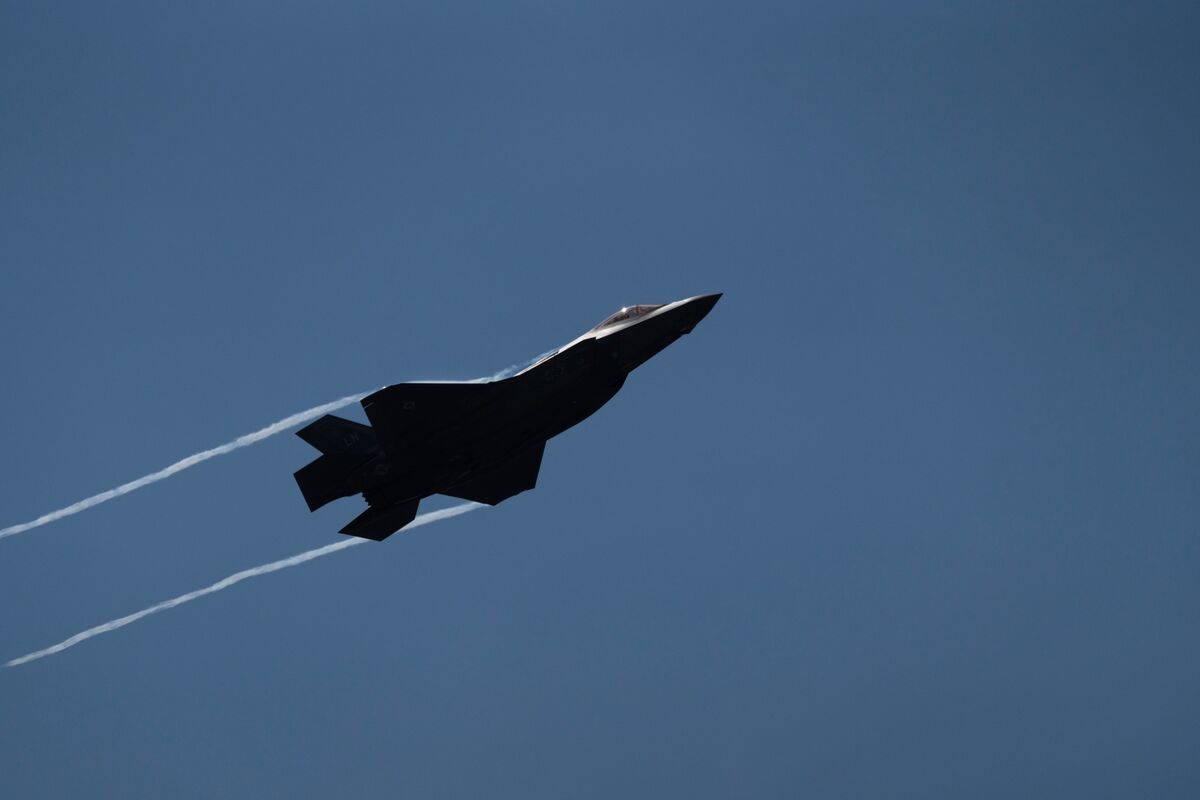
The UK plans to purchase at least a dozen US-made F-35 fighter jets capable of carrying nuclear weapons to enhance its nuclear deterrent and strengthen NATO ties, amid concerns over potential US security support withdrawal and rising global threats.
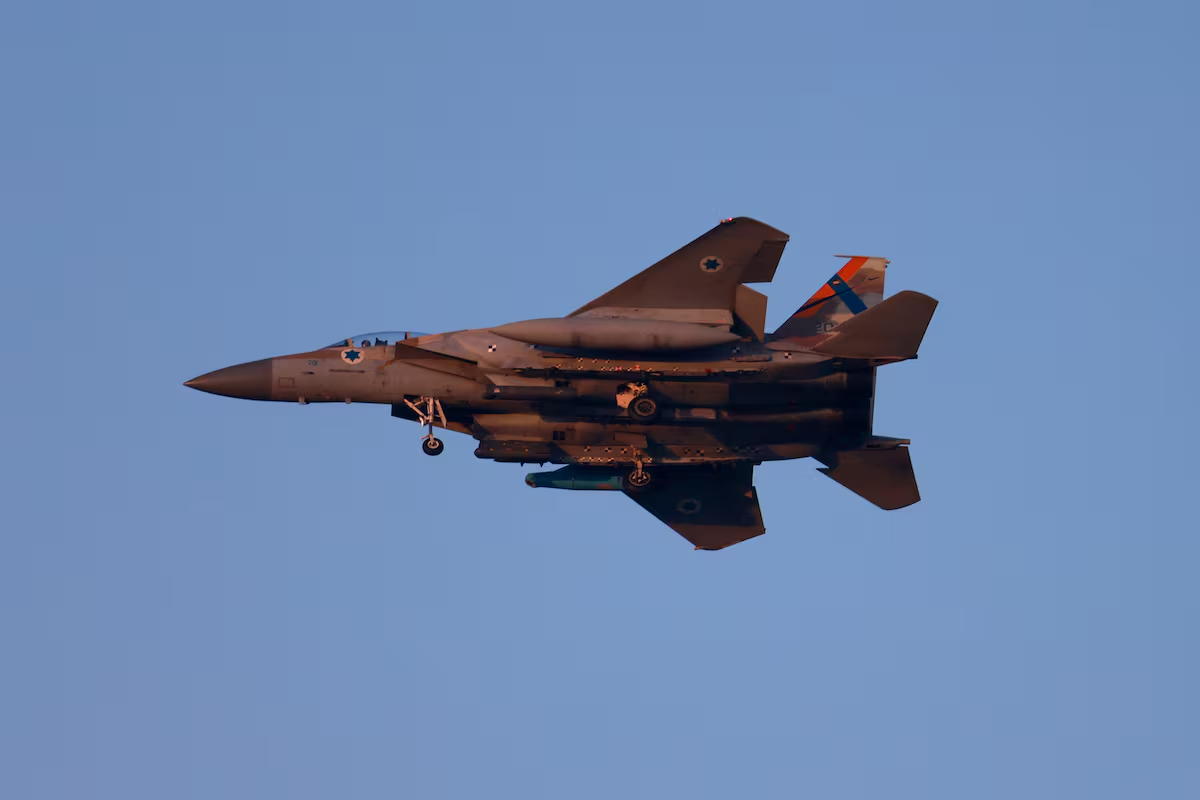
Israel has announced the purchase of 25 F-15IA combat jets from Boeing for $5.2 billion, with an option for 25 more, to enhance its long-distance combat capabilities. The deal, facilitated by American aid funds, will see deliveries starting in 2031. The F-15IA's significant weapons-carrying capacity and advanced systems were key factors in the decision, aimed at boosting Israel's strategic reach, particularly in regions like Iran and Yemen. This announcement coincides with political changes in both the U.S. and Israel.
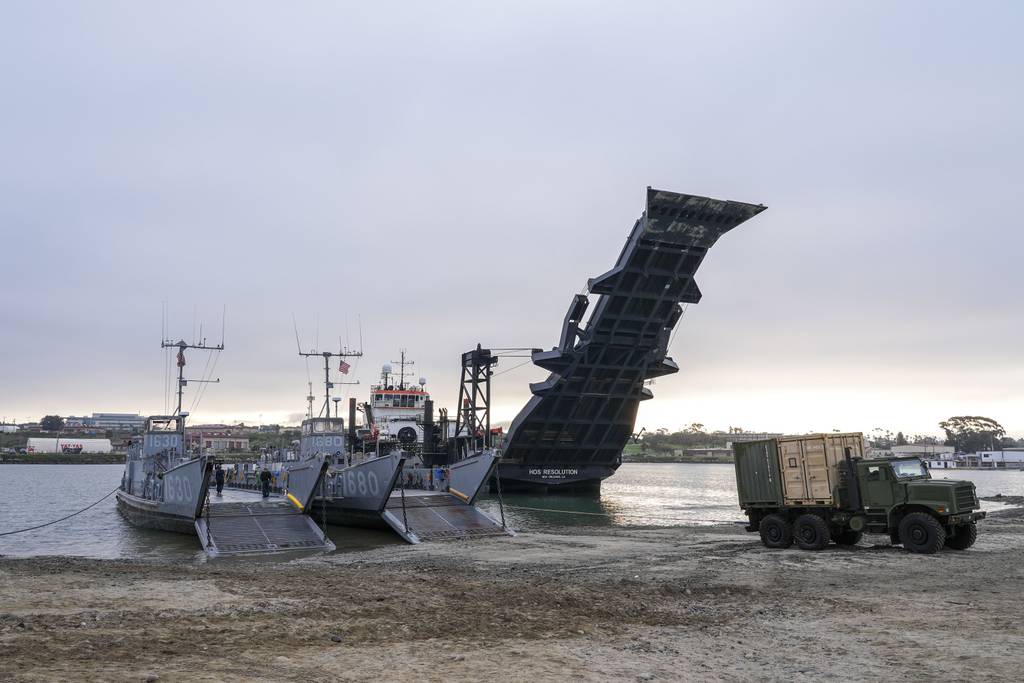
The Congressional Budget Office predicts that the Landing Ship Medium program could cost between $6.2 billion and $7.8 billion for an 18-ship program, significantly higher than the U.S. Navy's estimate of $2.6 billion. Uncertainty surrounding the ship's role and design has led to discrepancies in cost estimates, with questions remaining about the ship's concept of operations and survivability standards. The cost will also depend on the number of ships the Navy ultimately buys and the standards used for design, with potential cost variations of $4 billion to $8 billion for an 18-ship program.
The EU has approved a new sanctions package against Russia, targeting nearly 200 entities and individuals accused of aiding Moscow in procuring weapons and being involved in the kidnapping of Ukrainian children. The sanctions will ban these entities and individuals from traveling to the EU or conducting business there, with a focus on those connected to Russia's military industrial complex and those involved in trafficking and kidnapping Ukrainian children. The package also includes measures to restrict Russia's access to drones and will be formally approved in time for the second anniversary of Russia's invasion of Ukraine on Feb. 24.
Ukrainian President Volodymyr Zelensky is facing a corruption problem, with scandals involving military procurement and inflated prices for goods. The corruption issues threaten domestic and international confidence in Kyiv, impacting financial aid from the U.S. and the EU. Zelensky's efforts to tackle corruption are crucial as it is now inherently linked to the war effort, affecting Ukrainians' ability to defend themselves. Unfounded claims of graft and corruption allegations against Zelensky and his wife are also circulating, potentially impacting his presidency. Additionally, the arrest of billionaire Ihor Kolomoisky poses a challenge as Zelensky seeks to balance different threats and continue anti-corruption reforms.
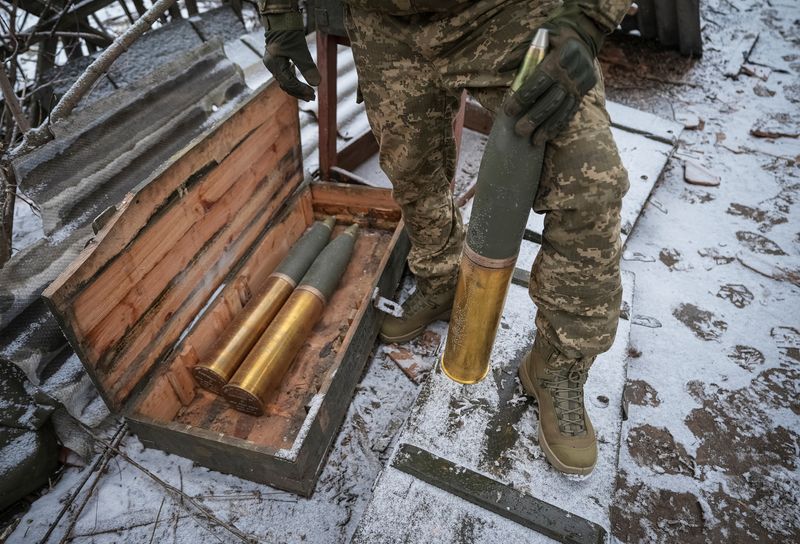
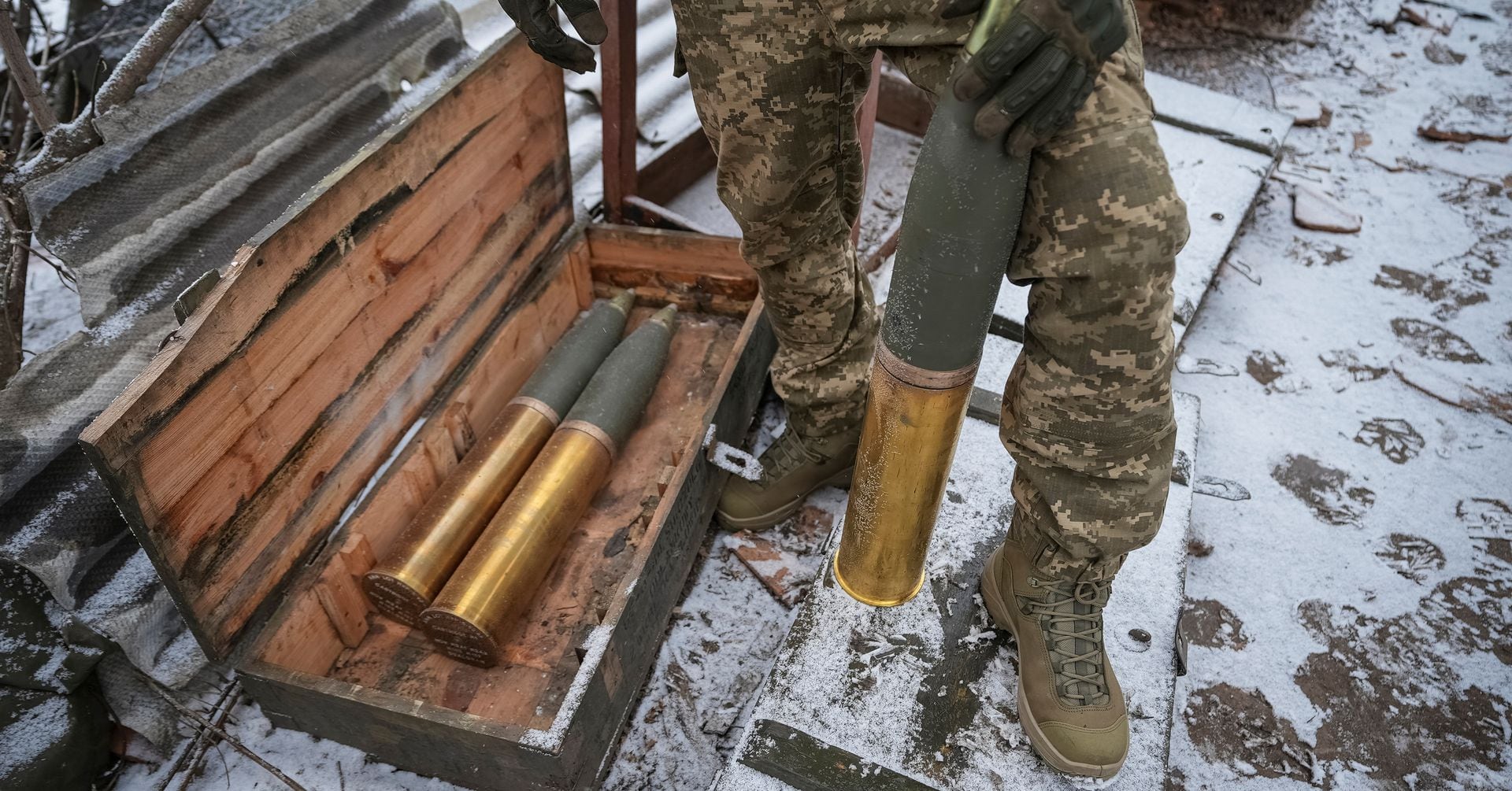
Ukraine's SBU security service has uncovered a corruption scheme in the country's military procurement of arms, totaling around $40 million, involving officials of the Defence Ministry and arms supplier Lviv Arsenal. The embezzlement, which included the purchase of 100,000 mortar shells, saw funds transferred abroad without any arms being provided. Five individuals have been served notices of suspicion, and one suspect has been detained while trying to cross the Ukrainian border. This revelation comes as Ukraine continues to battle endemic corruption while seeking EU membership.
Ukraine's SBU security service has uncovered a corruption scheme in the country's military procurement of arms, amounting to about $40 million, involving the theft of nearly 1.5 billion hryvnias in the purchase of shells. The investigation revealed the involvement of former and current high-ranking officials of the Ministry of Defence and heads of arms supplier Lviv Arsenal. This revelation comes at a critical time as Ukraine battles Russia's invasion and seeks to address endemic corruption while pursuing EU membership.
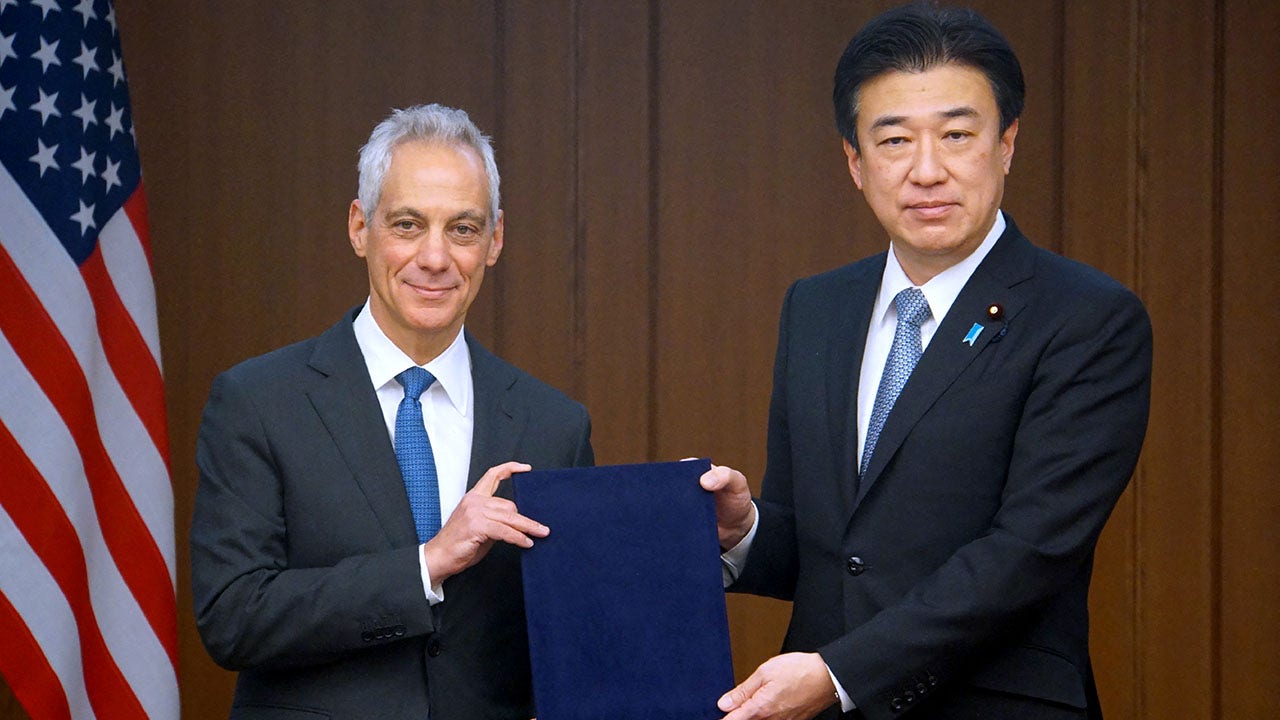
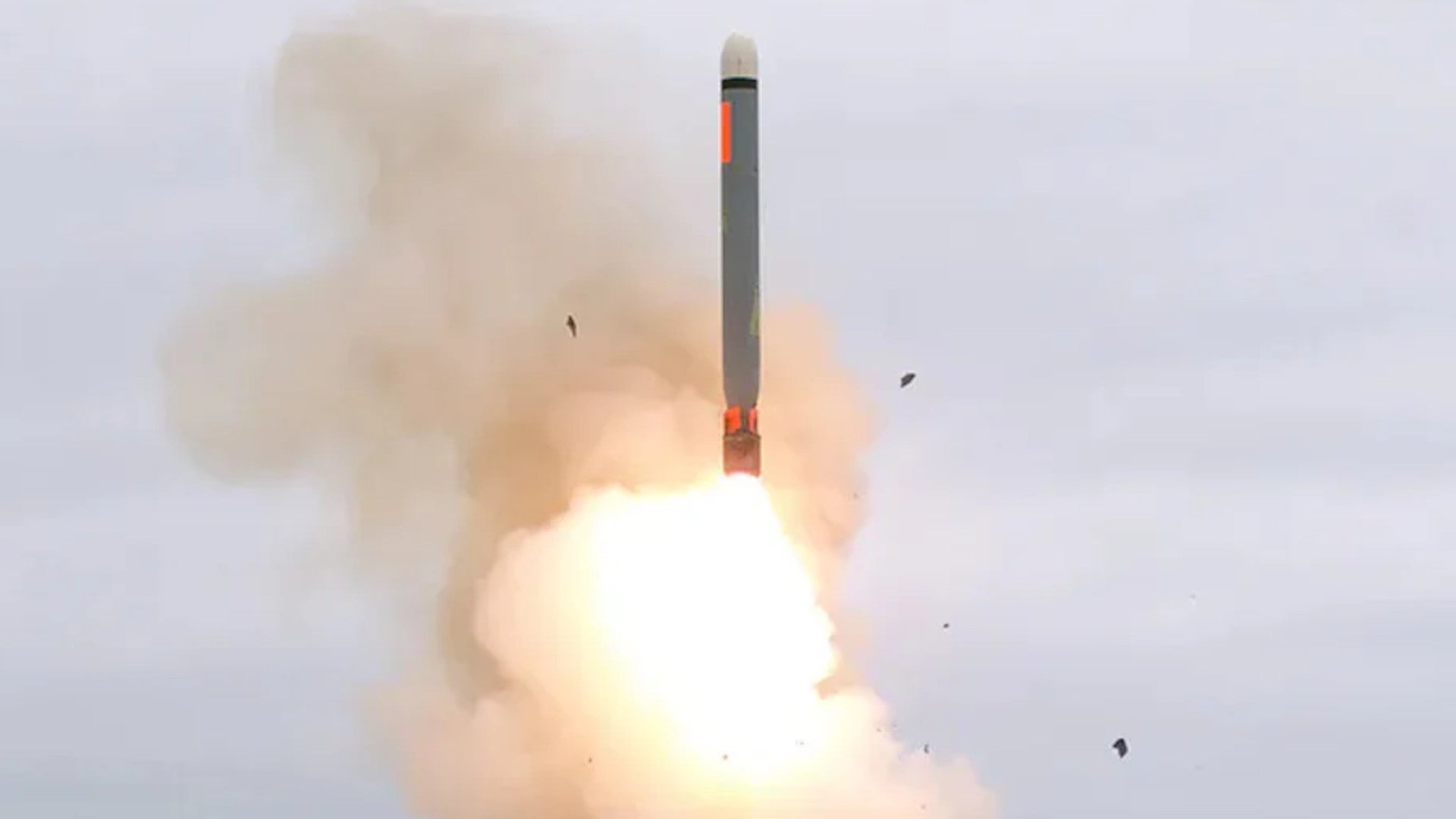
Japan's Defense Ministry signed a contract to purchase 400 US-made long-range Tomahawk missiles in a move to bolster its military capabilities amid escalating regional security threats from China, North Korea, and Russia. The purchase comes as part of Japan's efforts to strengthen its stand-off defense capabilities and counter potential invasions. The deal was signed with the US under a Foreign Military Sales agreement, and Japan aims to acquire the missiles between fiscal years 2025 and 2027. This move follows Japan's approval of a major defense policy overhaul and a significant spending hike, reflecting concerns over China's aggressive maneuvers in the Indo-Pacific region and North Korea's missile launches.
The US State Department has approved a potential $2.35 billion sale of 400 Tomahawk cruise missiles to Japan, allowing the country to enhance its long-range land attack cruise missile capability. The move reflects Japan's changing military policy towards offensive weaponry, driven by increasing tensions in the Pacific region, particularly with China and North Korea. The Tomahawks will provide Japan with an offensive kinetic dimension, adding to its counterstrike capacity against potential threats. Japan is also developing its own long-range land attack cruise missiles to complement the Tomahawks.
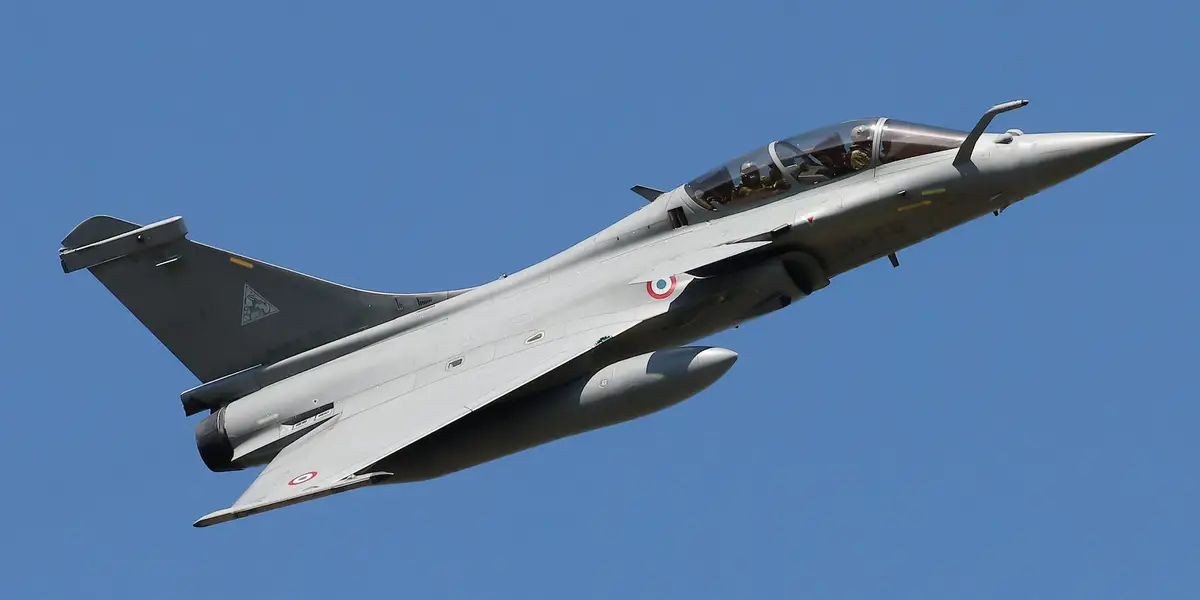
Saudi Arabia is reportedly considering purchasing a large number of French-made Dassault Rafale fighter jets, signaling a potential shift away from its traditional suppliers, the US and UK. The move comes amid strained US-Saudi relations and concerns over the reliability of its long-time partners. Saudi Arabia's interest in the Rafale jets may be driven by political and practical considerations, as its neighbors in the UAE and Qatar have already built up fleets of Western-made jets that include Rafales. French jets offer an attractive option due to their modernity, NATO origin, and less restrictive end-user agreements. However, pragmatic concerns, such as the extensive investment in US and British aircraft, may limit the feasibility of acquiring Rafales for the Royal Saudi Air Force.
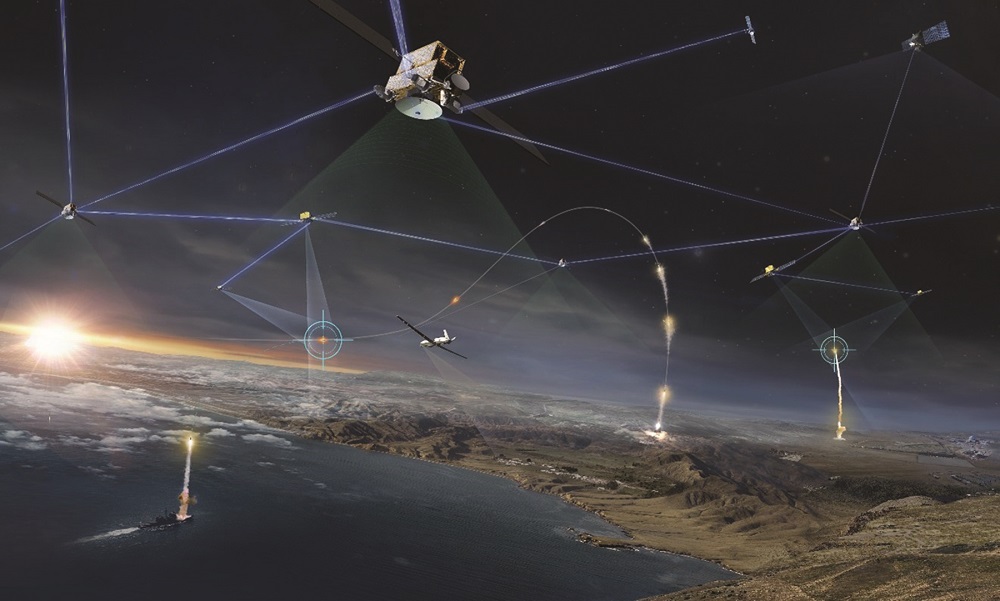
The Space Development Agency (SDA) is disrupting traditional military satellite procurement by building a low-Earth orbit (LEO) constellation using commercially produced small satellites and laser communications terminals from multiple vendors. SDA's Proliferated Warfighter Space Architecture includes interconnected communications satellites and missile-detection sensor satellites. The agency aims to achieve global coverage by deploying satellites in tranches every two years, allowing for incremental technology updates. SDA's approach has garnered strong support from the U.S. Department of Defense and Congress, with its budget increasing to $4.6 billion in 2024. However, challenges remain in integrating multiple vendors and segments into a complex constellation, and SDA will face scrutiny until operational constellations are established.
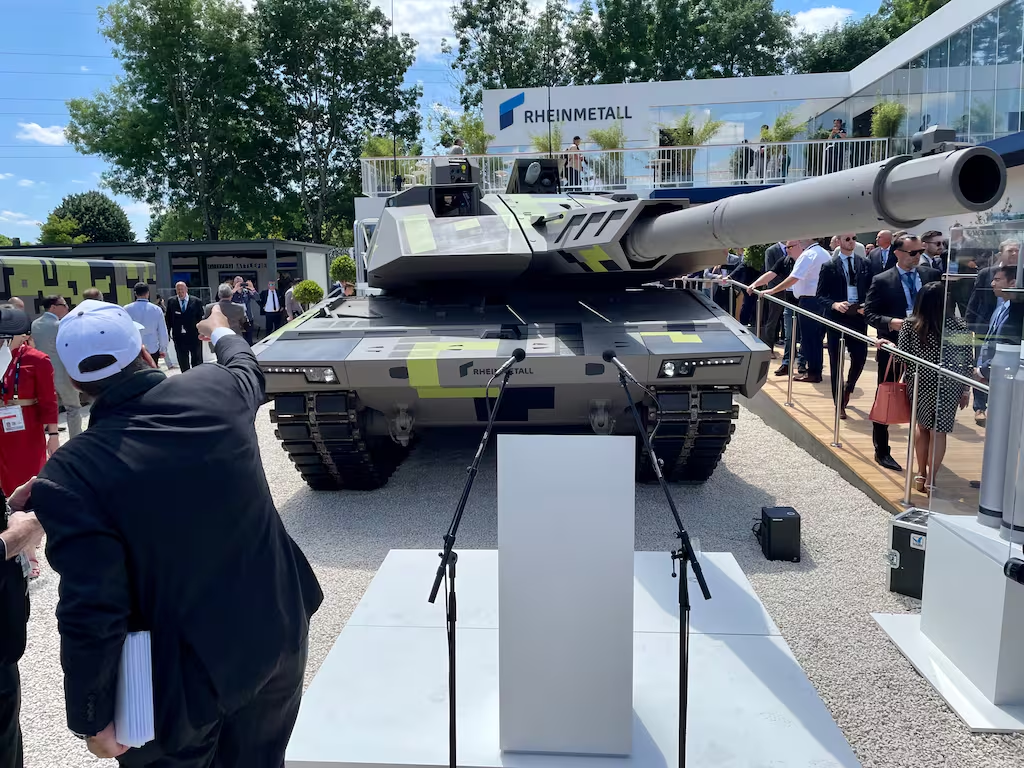
German arms maker Rheinmetall is in talks with Ukraine to invest €200m ($215m) in a new tank plant that could produce up to 400 of the company’s envisioned Panther KF51 main battle tanks annually. However, some experts have raised concerns over the feasibility of the project, including the high production rate, supply-chain risks, and site security. It remains unclear whether the goal is to erect a full-scale production plant or a potentially smaller assembling facility.