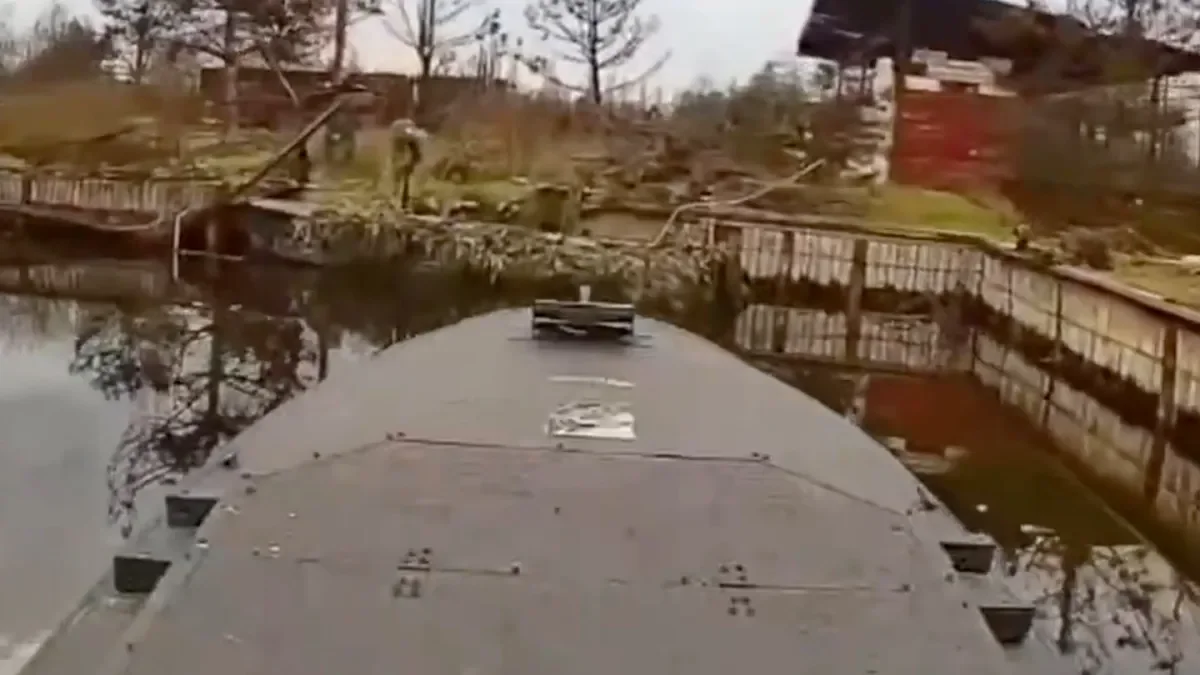
Ukraine is expanding its use of uncrewed surface vessels (USVs), such as the Barracuda, to target Russian assets on the Dnipro River, with recent attacks including a Russian vessel storage site in Crimea. These USVs, designed for short-range riverine operations, are part of Ukraine's broader strategy to counter Russian military presence and have been complemented by other drone boat systems like Sea Baby and Magura. Russia has also developed its own USV capabilities, marking a new frontier in riverine warfare. The use of these autonomous and semi-autonomous vessels highlights evolving tactics in the Ukraine-Russia conflict.
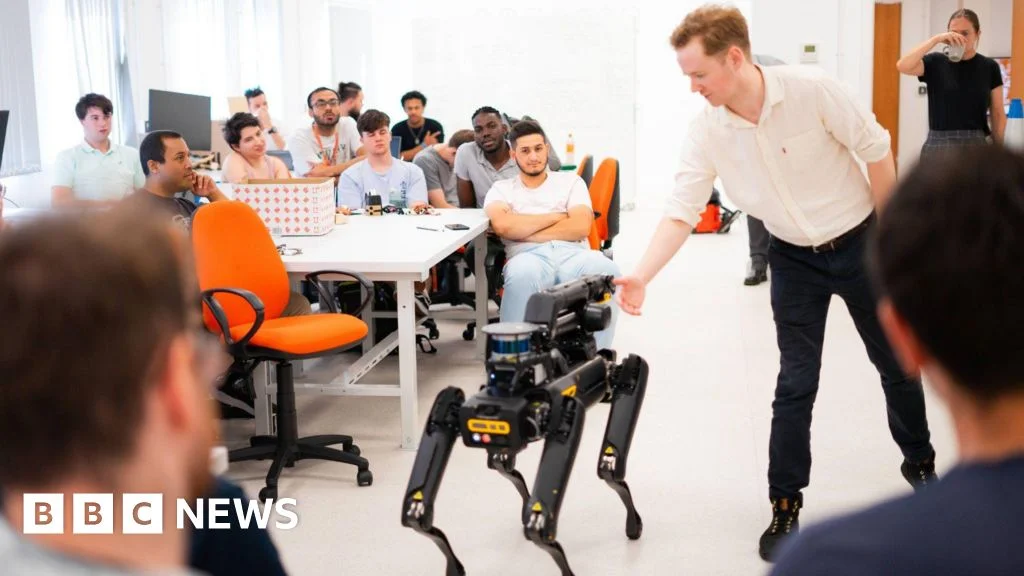
A new undergraduate degree in autonomous systems focusing on drone technologies is being launched at NMITE in Hereford, in partnership with the UK Armed Forces, to train future drone warfare specialists and enhance military capabilities, with the program set to start in September 2026.
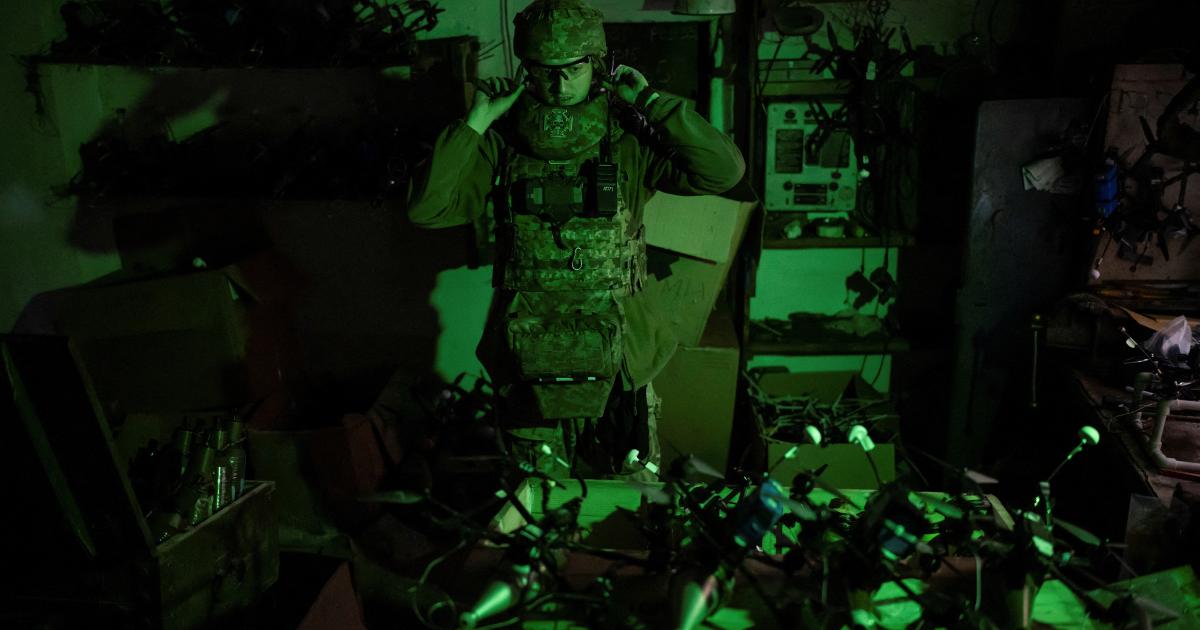
Ukraine is rapidly developing its defense industry, becoming a global hub for innovative drone and missile technology, driven by necessity and limited Western support, with companies like Fire Point leading the charge in producing long-range drones and cruise missiles to counter Russian advances and achieve strategic self-sufficiency.
Germany is rapidly transforming its defense industry by supporting startups developing cutting-edge technologies like AI and robotic systems, aiming to become a leading European defense power and reduce reliance on U.S. military technology, with increased government funding and streamlined procurement processes.
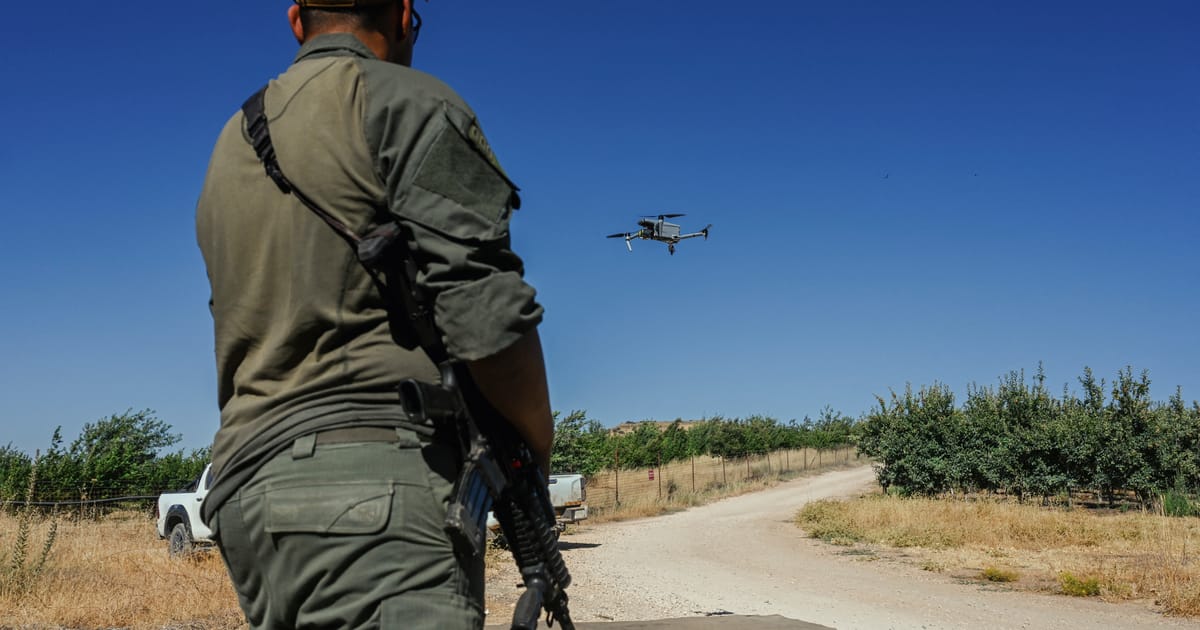
The era of drone supremacy in warfare has ended due to the rapid development of effective counter-drone systems, including high-power lasers and AI-enabled swarms, which have mitigated their battlefield dominance, although drones still play a significant role in modern conflicts like Ukraine.
Ukraine has rapidly developed a cutting-edge, affordable drone industry driven by necessity in its conflict with Russia, offering valuable lessons for the U.S. military in mass production, rapid iteration, and AI integration. The U.S. should strengthen its partnership with Ukraine through coproduction and licensing to enhance its own defense capabilities and stay ahead of adversaries like China, Iran, and North Korea. Supporting Ukraine's technological advancements benefits both nations and provides a strategic advantage in modern warfare.
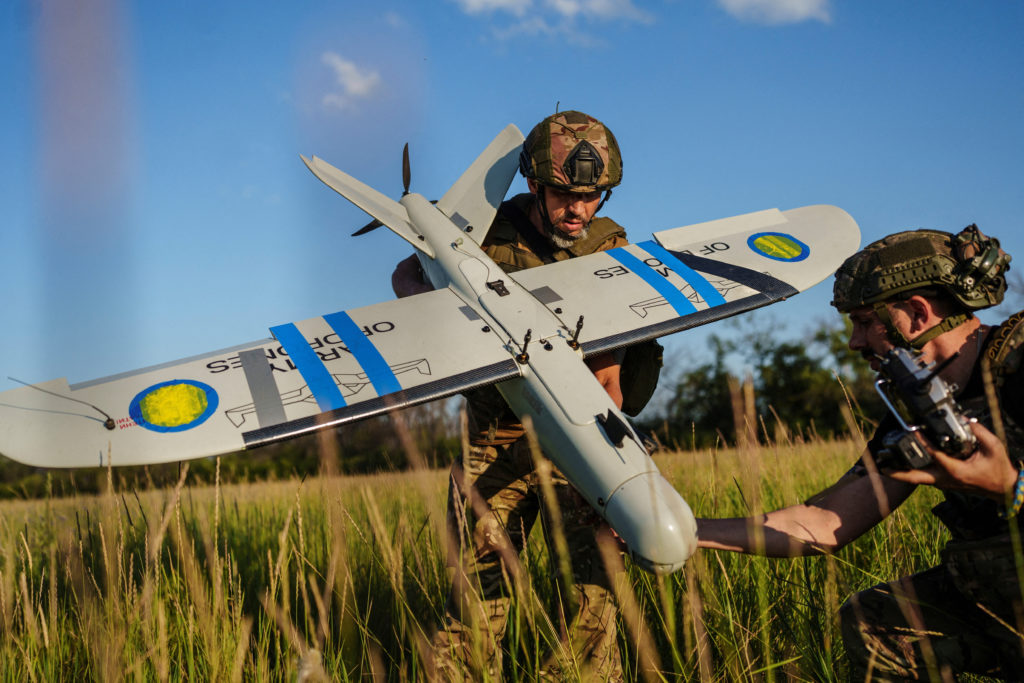
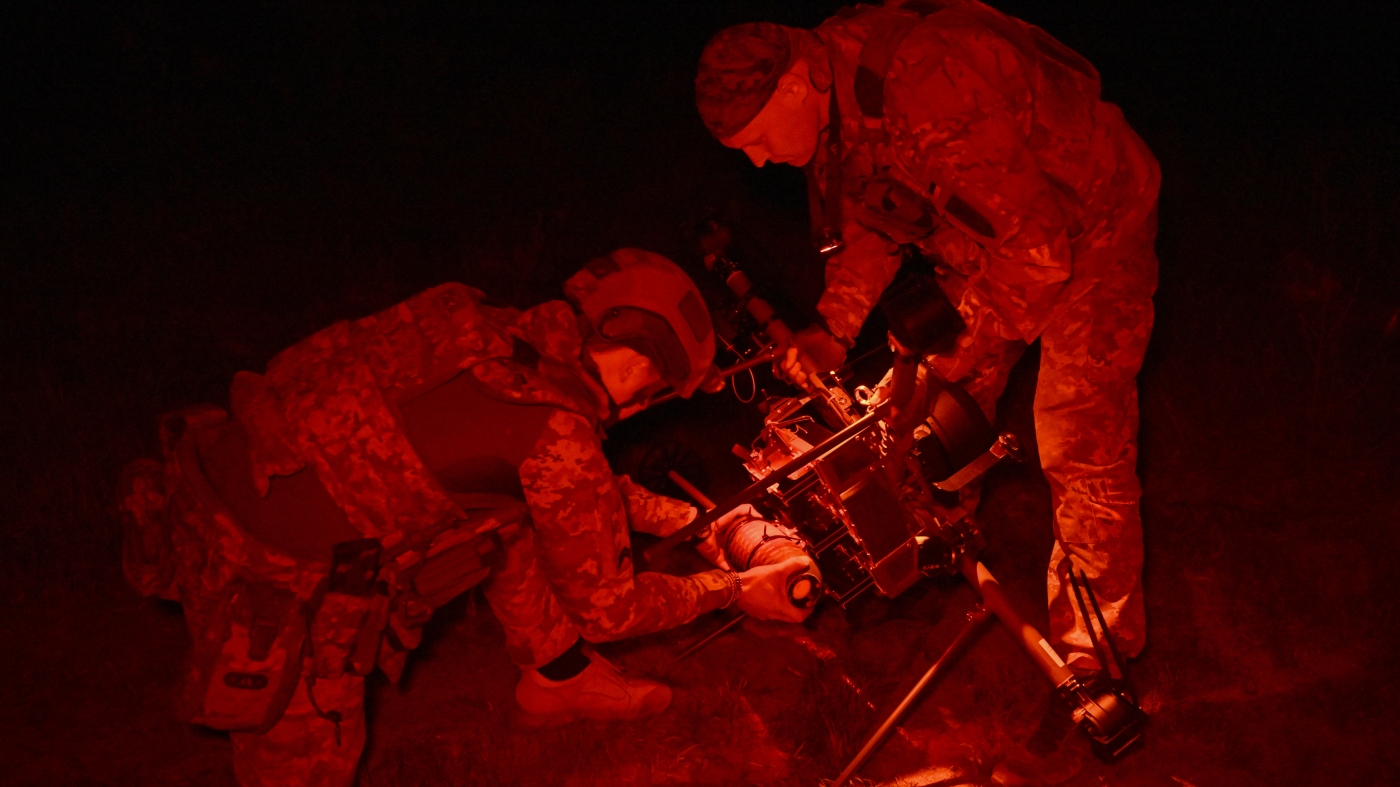
Ukraine has been innovating in drone warfare, conducting unprecedented attacks using small, stealthy drones in both land and sea, significantly impacting the battlefield and challenging Russian defenses. Both Ukraine and Russia are mass-producing drones, with Ukraine making over a million last year, and Russia developing its own versions with Iranian technology, leading to large-scale drone exchanges that are transforming modern warfare.
Ukraine conducted a highly sophisticated drone attack called 'Spider Web' targeting Russian airbases, including nuclear-capable bombers, across Russia using over 100 drones smuggled inside wooden cabins on lorries. The operation, supervised by President Zelensky, resulted in significant damage to Russian aircraft, with Ukraine claiming to have caused $7 billion in damages, marking a notable escalation in the Ukraine-Russia conflict.
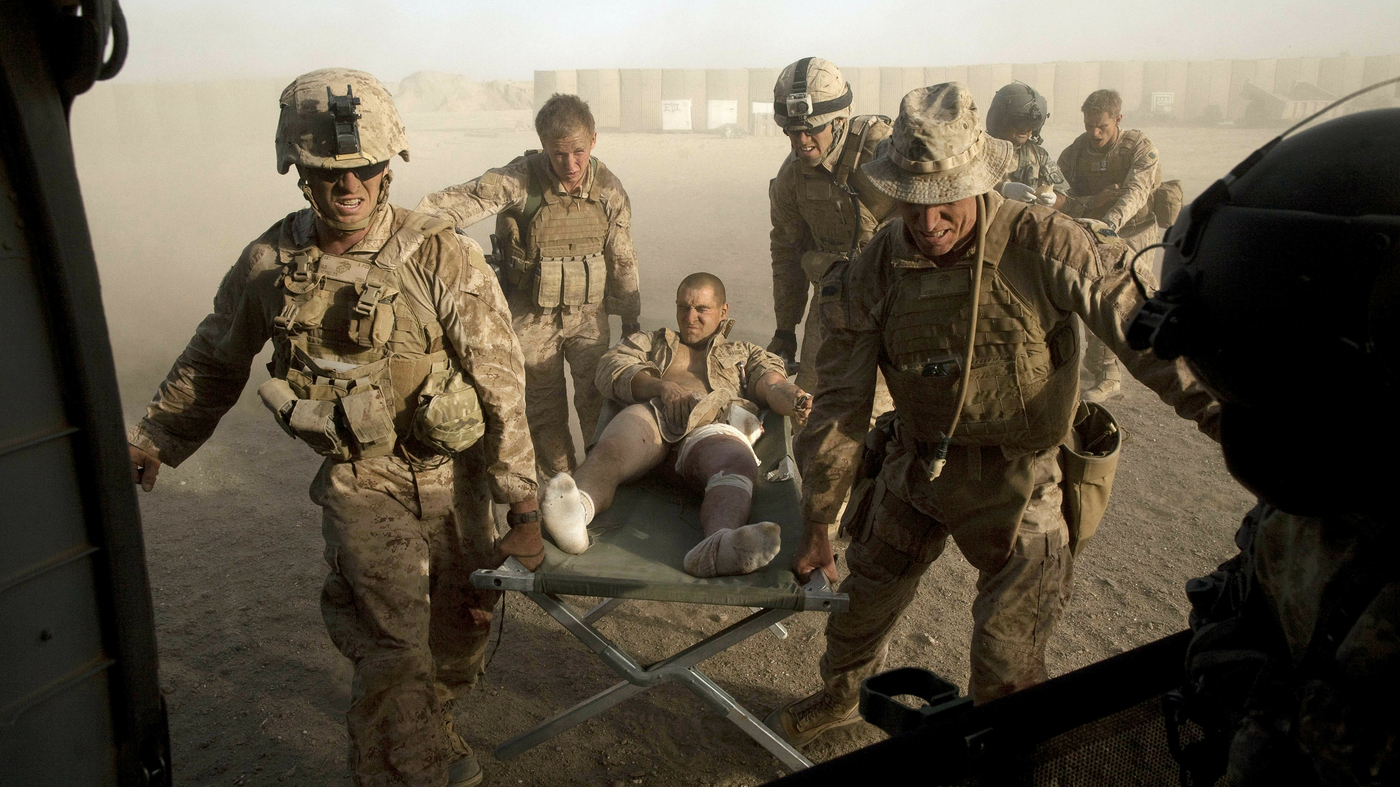
Advances in battlefield medicine during the Iraq and Afghanistan wars, such as rapid medical response and new tourniquets, achieved unprecedented survival rates. However, post-war cost-cutting measures and outsourcing to civilian institutions have jeopardized these gains, reducing military medical readiness. The Pentagon is now reversing course to restore in-house medical care and staff, but future conflicts without air superiority may require every soldier to be trained as a medic.
Ukraine's digital minister, Mykhailo Fedorov, announced plans for the production of thousands of long-range drones capable of deep strikes into Russia in 2024, with up to 10 companies already manufacturing drones that can reach Moscow and St Petersburg. The country has seen a significant increase in drone production and deliveries, with a focus on deregulation and state venture funding to boost the industry. Fedorov aims to increase financing for military tech startups and achieve greater self-sufficiency in drone production, while also addressing logistical challenges and ending state monopolies on drone ammunition production.
The Pentagon's Defense Innovation Unit (DIU) is entering a new phase, DIU 3.0, with a strategic vision outlined by director Doug Beck. The plan addresses staffing shortages and slow procurement pathways, aiming to accelerate the adoption of impactful commercial technologies for military use. DIU 3.0 focuses on critical capability gaps, partnerships with the commercial tech sector and allies, and providing top-level advice to the defense leadership. New hires and a fresh vision aim to retool DIU for rapid strategic impact and ensure that military innovation efforts are aligned with warfighter needs.
During the first 100 days of the Israel-Hamas War, the IDF has showcased innovative advancements in military tactics and weaponry, including the use of new ammunition such as the Iron Sting mortar, "Ido" night vision goggles, and "Holit" shoulder-fired missiles. Additionally, the IDF has introduced new divisions and units, utilized the Arrow 3 missile system, employed "dumb" bombs for the first time, and integrated advanced technology like the SMASH Fire Control System and Saar 6 battleships. Furthermore, the IDF has incorporated female soldiers and search and rescue units, introduced a new reserve brigade, and implemented new battle rations and tank units.
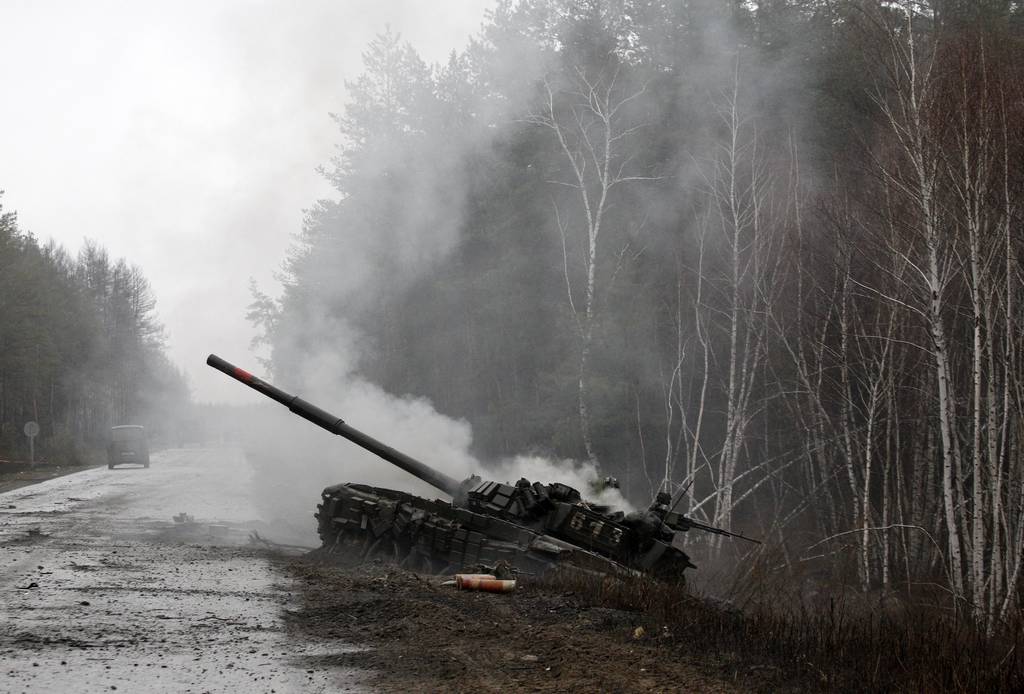
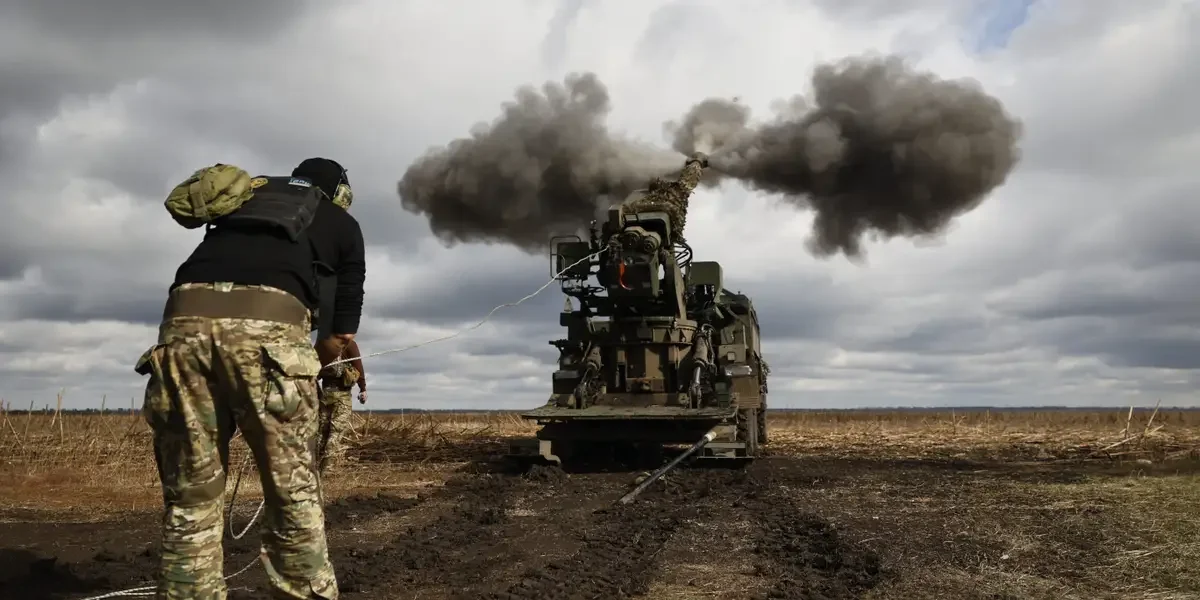
The Ukrainian military is successfully countering attacks from numerically superior Russian forces by combining innovative technology with old-school tactics. Despite being outnumbered, Ukraine has withstood bombardment in both physical and digital domains by utilizing an "asymmetric approach" that confronts volume and brute force with scrappiness and creativity. Hobbyist toys like drones have been transformed into anti-armor and personnel weapons, while cellphones are used for missile detection. The US and its European allies have provided significant support to Ukraine, including weapons, ammunition, combat vehicles, and training. Ukraine's President, Volodymyr Zelenskyy, is seeking additional support, particularly in air defenses, during his visit to Washington. Continued assistance is currently being debated in Congress.
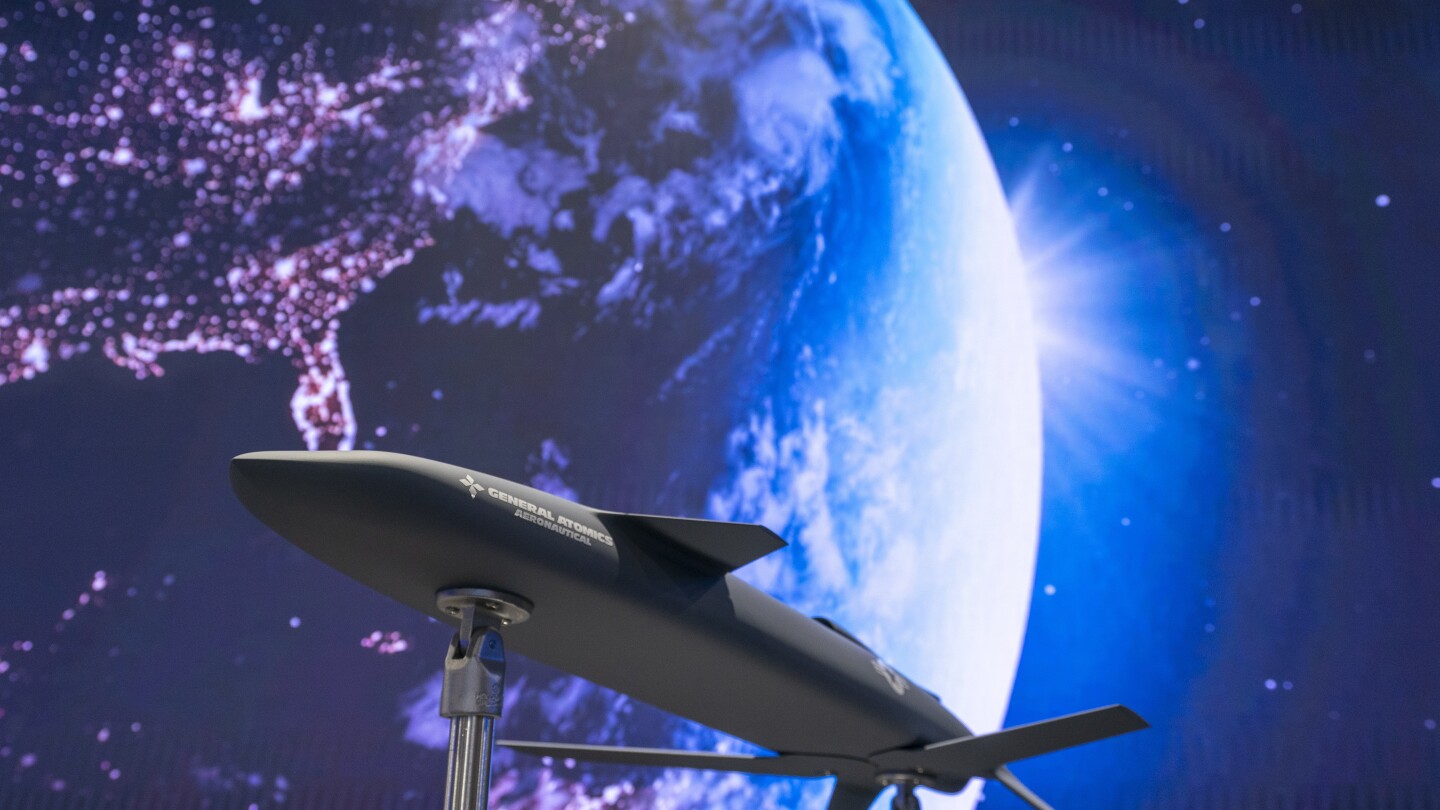
The Pentagon is pushing forward with its ambitious AI initiative, Replicator, aiming to deploy thousands of AI-enabled autonomous vehicles by 2026 to keep up with China. While the funding and details of Replicator remain uncertain, it is expected to accelerate decisions on deploying AI technology, including weaponized systems. Experts predict that fully autonomous lethal weapons will be developed within the next few years, with humans taking on supervisory roles. The use of AI in military operations extends to tracking fitness, predicting maintenance needs, and monitoring rivals in space. However, concerns remain about the responsible use of military AI, as several countries, including China and Russia, have not signed a pledge to use it responsibly.
The Pentagon is pushing forward with its Replicator initiative, aiming to deploy thousands of AI-enabled autonomous vehicles by 2026 to keep up with China's advancements. While the funding and details of Replicator remain uncertain, the initiative highlights the challenges of adopting AI technology in the military, including the deployment of fully autonomous lethal weapons. Experts predict that within the next few years, the US will possess fully autonomous lethal weapons, although officials insist that humans will always be in control. The use of AI in the military ranges from surveillance drones and fitness tracking to space monitoring and predictive maintenance. However, concerns remain about the maturity and trustworthiness of AI technology, as well as the potential for misuse by other countries that have not signed the US-initiated pledge for responsible military AI use.