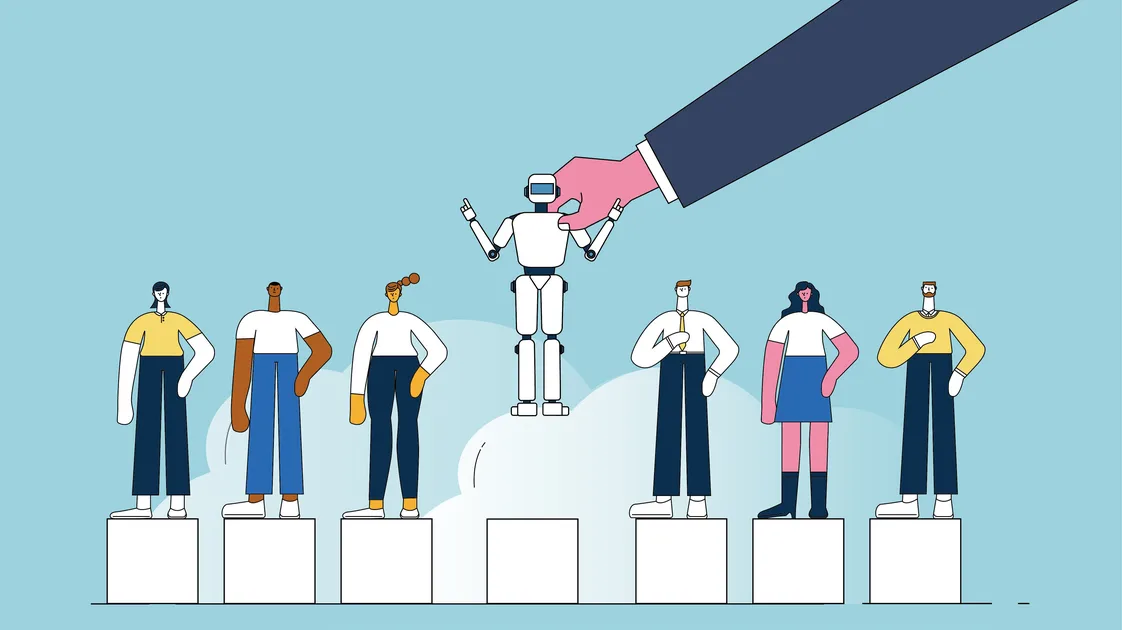
A Microsoft study identifies 10 jobs that AI is unlikely to replace, emphasizing roles that require human judgment, empathy, and physical dexterity, such as phlebotomists, nursing assistants, and surgeons, highlighting the ongoing importance of human workers in certain fields despite technological advances.
A Microsoft study analyzed how AI can support or automate various jobs, identifying roles like healthcare professionals and blue-collar workers as more AI-proof, while knowledge and sales roles are more susceptible to automation. The study emphasizes AI as a tool for augmentation rather than replacement, though corporate trends suggest increasing automation efforts, raising concerns about job displacement and labor market disruption.
Microsoft's recent study ranks jobs based on their overlap with AI capabilities, highlighting professions like interpreters, writers, and customer service roles as most susceptible to AI influence, while physically demanding and manual jobs are less affected. However, experts caution that AI is unlikely to fully replace these roles anytime soon, emphasizing the importance of human skills in high-stakes situations. The study and recent job cuts due to AI adoption underscore the ongoing impact of AI across industries, prompting a need for adaptation and training.
A Microsoft study analyzing 200,000 Bing Copilot conversations in 2024 reveals that jobs involving physical labor, such as roofers and machine operators, are least vulnerable to generative AI, while knowledge and communication-based roles like writers, journalists, and customer service representatives are most impacted. The study emphasizes that AI capability overlap does not necessarily equate to job displacement, as roles may evolve or create new opportunities.
Microsoft's study analyzes how AI can be applied to various jobs, finding that knowledge-based roles like computer, math, and administrative support are more AI-relevant, while blue-collar jobs like dishwasher or cement mason are less susceptible to automation. The study suggests that AI's relevance doesn't necessarily mean job loss, but recent trends indicate some industries may experience disruptions. Overall, careers involving information and communication are more likely to be augmented by AI, whereas manual labor jobs are less affected.