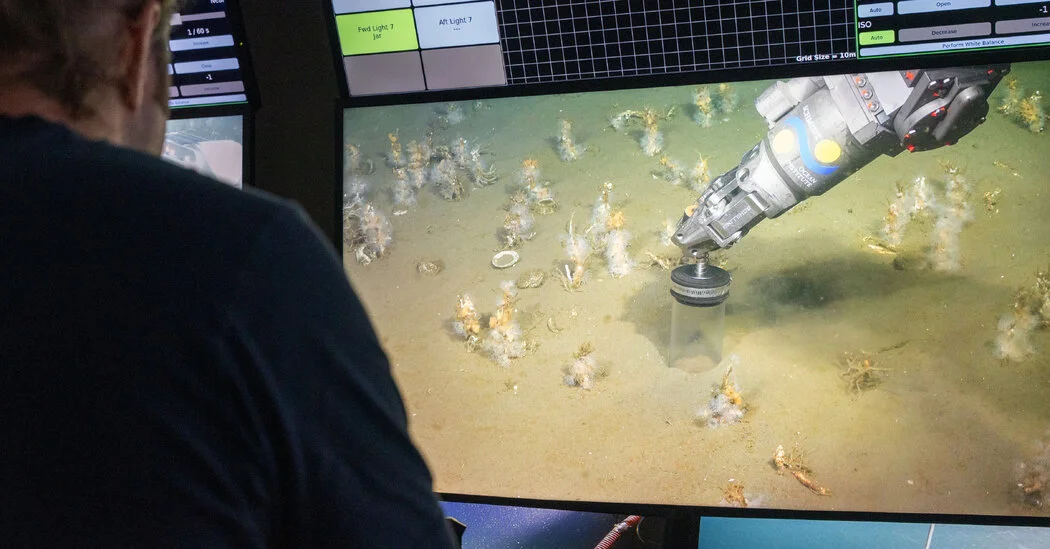
A wave of new studies identifies rare transitional microbes, such as Lokiarchaeum ossiferum, that bridge simple cells and complex eukaryotic cells, offering clues to how cells with nuclei and mitochondria evolved about two billion years ago.
Scientists have identified the last universal common ancestor (LUCA) of all life on Earth, dating it to around 4.2 billion years ago. LUCA was a complex, cellular organism that thrived in hot, oxygen-free environments using hydrogen-based metabolism and had early immune systems, indicating rapid evolution of life shortly after Earth's formation.
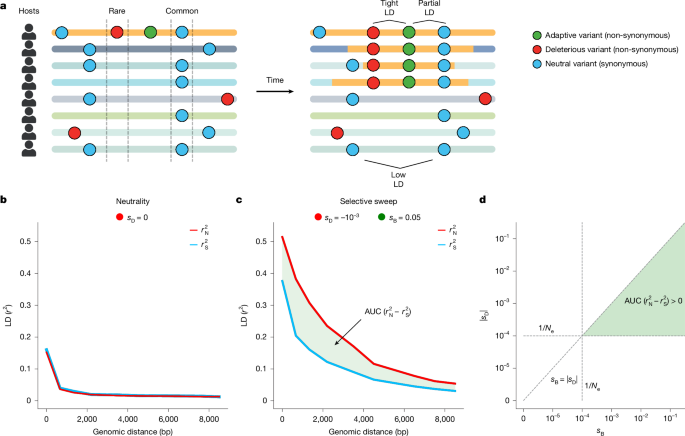
The study reveals that gene-specific selective sweeps are widespread across human gut microbiomes, driven by homologous recombination and horizontal gene transfer, with implications for understanding microbial adaptation to host diets and lifestyles worldwide.
Scientists have discovered ocean bacteria with a specific enzyme motif called M5 that enables them to break down plastic, indicating an evolutionary response to human pollution and offering potential for improved recycling technologies.
The well-preserved 1,000-year-old Zimapán mummy from Mexico revealed an ancient human gut microbiome, including bacteria still common today and a previously unobserved species, providing insights into ancient diets, lifestyle, and microbial evolution.
Chinese astronauts aboard the Tiangong space station discovered a new bacterial species, Niallia tiangongensis, which has adapted uniquely to space conditions, raising concerns about microbial risks and the need for advanced management in future space missions.
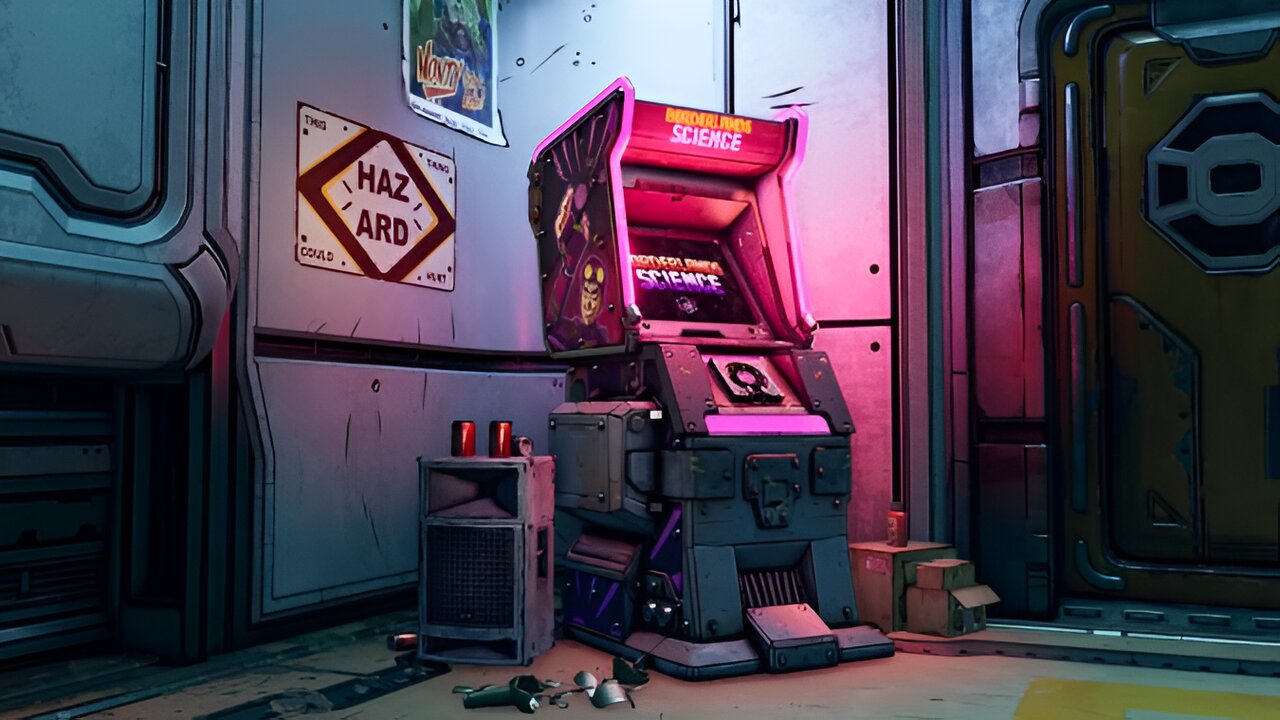
4.5 million gamers worldwide have contributed to advancing biomedical research by playing a minigame within the video game Borderlands 3, helping to reconstruct microbial evolutionary histories and refine estimates of relationships among gut microbes. This collaboration has significantly improved our understanding of the microbiome and enhanced AI programs for future research. The project, led by McGill University researchers in collaboration with gaming company Gearbox Entertainment and MMOS, demonstrates the potential for leveraging video game technology to make substantial scientific advancements.