Tag

Mesozoic Era

All articles tagged with #mesozoic era

science18 days ago

110-Million-Year-Old Spider Fossils Discovered, Featuring Glowing Eyes

Scientists discovered 10 new fossilized spider species from the Mesozoic era in South Korea, including one with preserved glowing eyes that reflect light, indicating they may have been nocturnal hunters. This rare find, published in the Journal of Systematic Palaeontology, provides new insights into ancient spider diversity and their ecological niches, especially with the first identification of a tapetum in fossilized spider eyes.
paleontology2 years ago

Ancient Bird-Like Footprints Challenge Evolutionary Timeline

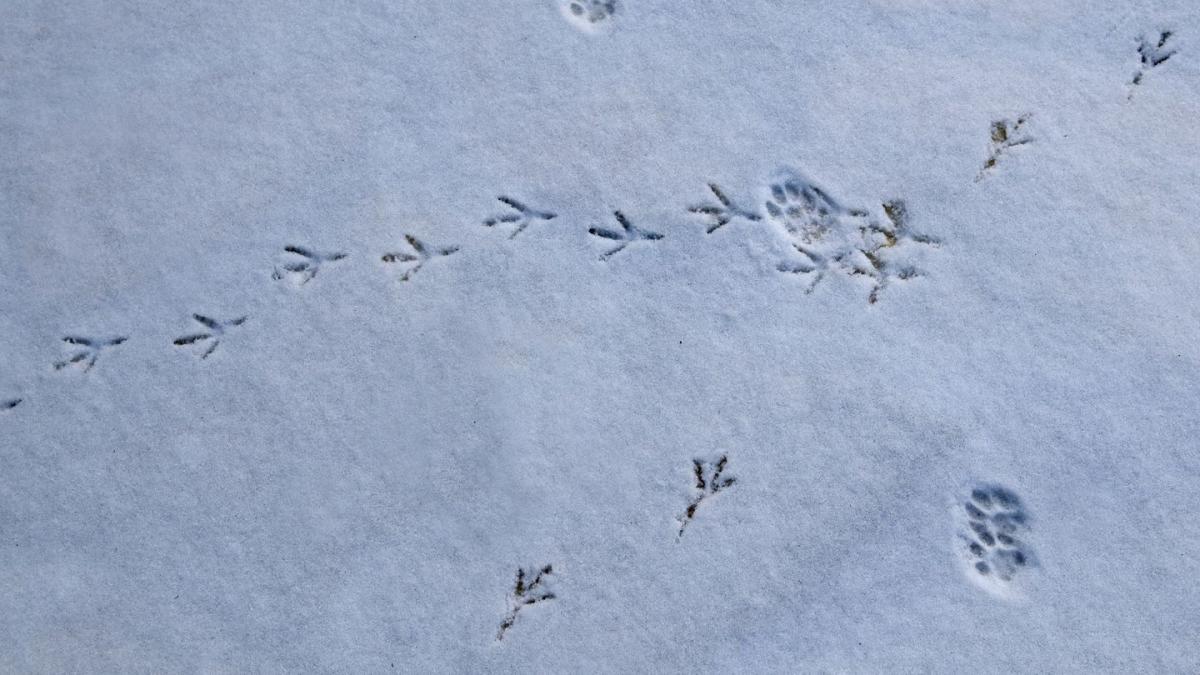
Geologists have discovered fossilized footprints of bird-like tracks that are 210 million years old, predating the arrival of true birds by 60 million years. The footprints, found in Lesotho, resemble bird tracks with slender toes and a wider shape. The findings suggest that bird feet evolved much earlier than previously thought, challenging the understanding of the timing of bird evolution. The footprints could belong to the earliest known ancestor of modern birds or a dinosaur in the near-bird lineage, or they could be a case of convergent evolution. This discovery highlights the ongoing mysteries surrounding the evolution of birds and their reptilian ancestors.

paleontology2 years ago

Ancient mega-predatory pliosaur: Unveiling a Dynasty

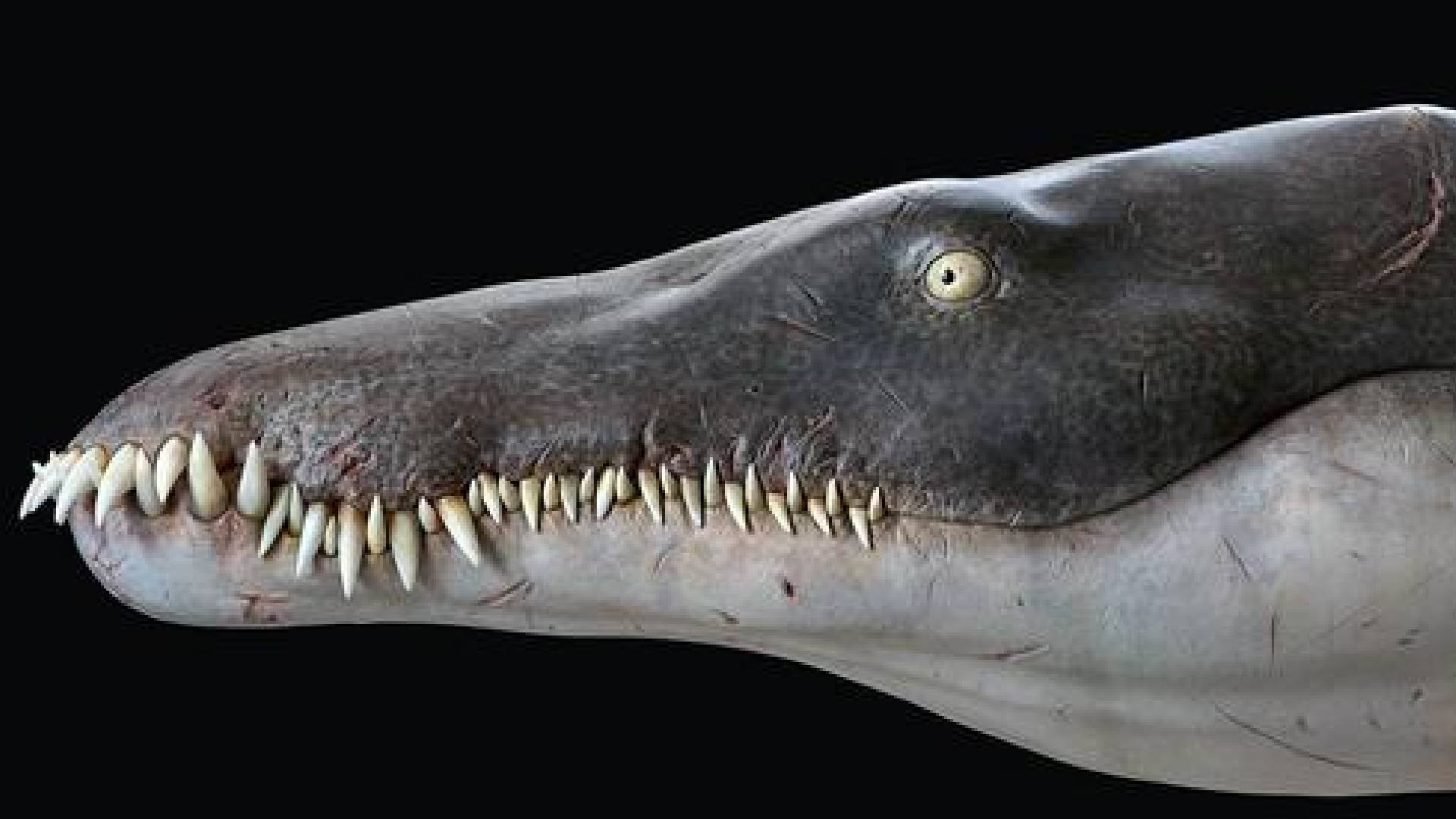
The remains of the oldest-known mega-predatory pliosaur reptile, a 170-million-year-old sea reptile from the age of dinosaurs, have been analyzed after being discovered 40 years ago in France. Pliosaurs were a unique group of aquatic reptiles that coexisted with dinosaurs and are distinguished by their long necks, barrel-shaped bodies, and four flippers on each foot. The fossils were donated to the Natural History Museum in Luxembourg by the Association minéralogique et paléontologique d’Hayange et des environs.

paleontology2 years ago

Ancient Fossil Reveals Mammal's Epic Battle with Dinosaur

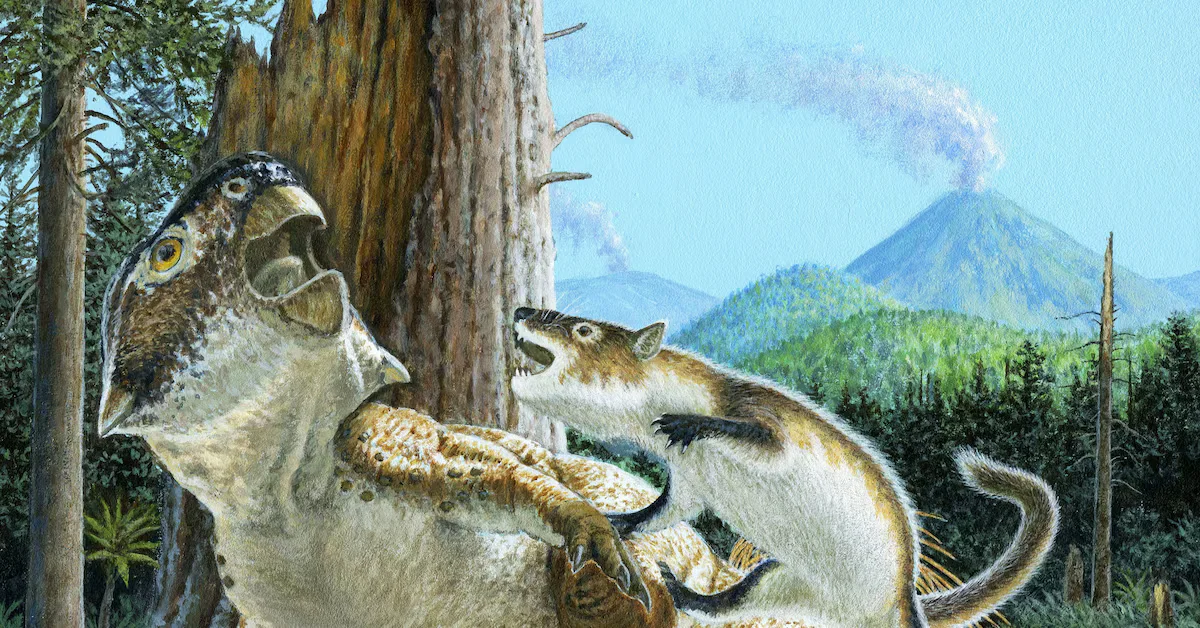
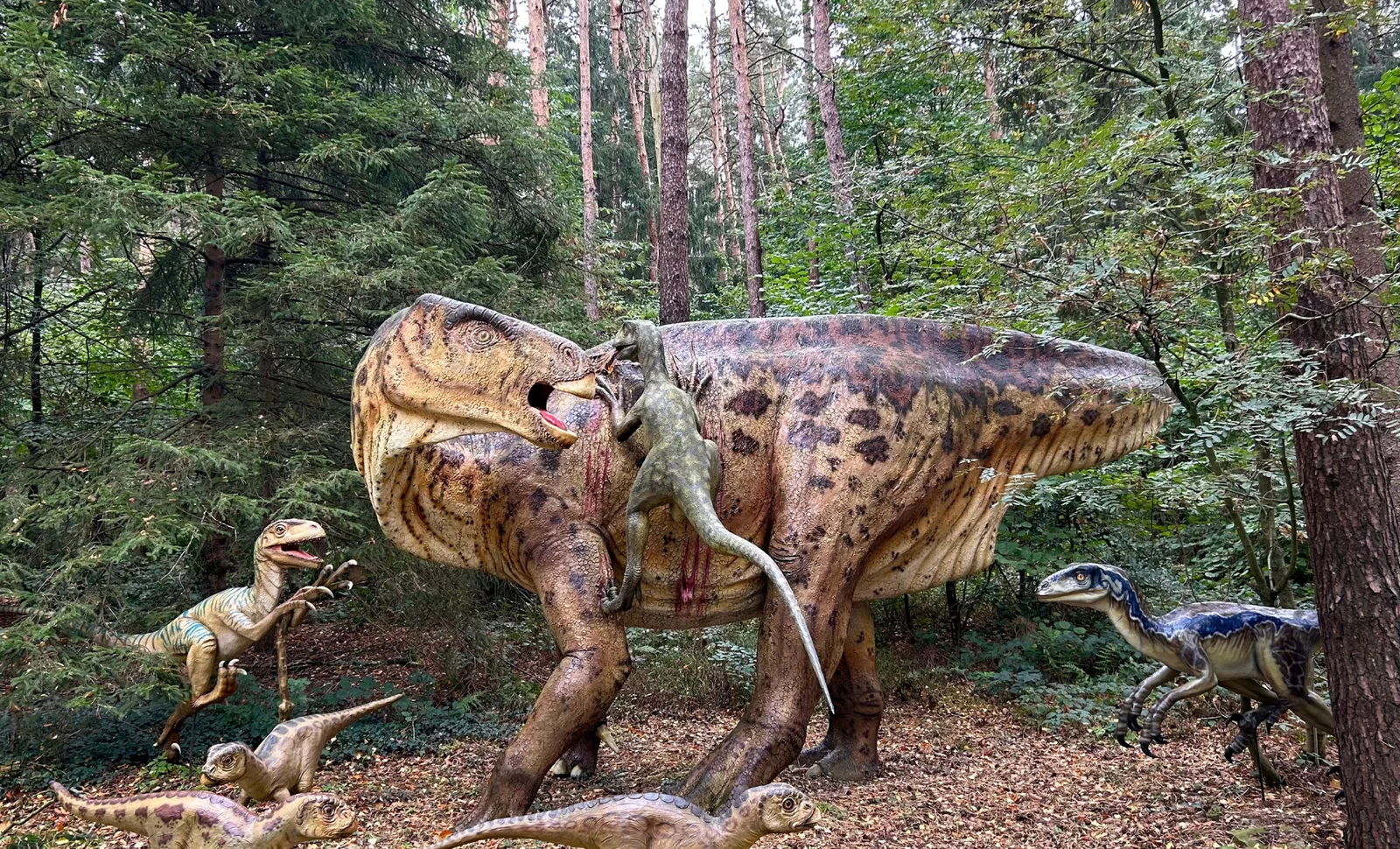
A fossil discovered in northeastern China reveals a small mammal, Repenomamus robustus, attacking and preying on a larger plant-eating dinosaur, Psittacosaurus lujiatunensis, during the Cretaceous Period about 125 million years ago. This finding challenges the traditional belief that dinosaurs always ate smaller mammals. The fossil suggests that Mesozoic food webs were more complex than previously thought, with some mammals giving as good as they got. The fossil was found in the "Chinese Pompeii," an area known for volcanic eruptions that buried various animals. The researchers ruled out scavenging, as the mammal was found on top of the dinosaur and there were no bite marks on the bones.

evolutionary-biology2 years ago

The Evolution of Bird Limbs: From Size to Climate Change.

A new study has found that the rate of limb size evolution in the ancestors of birds slowed down close to the origin of birds, resulting in low morphological disparity. The study analyzed limb measurements of over 150 bird and dinosaur species and found that the ancestors of birds had a decelerated rate of limb size evolution compared to their dinosaur relatives. This suggests that the evolution of bird-like features was a gradual process rather than a sudden burst of innovation.

paleontology2 years ago

Rare Gondwanatherian Mammal's Fossilized Tail Unearthed in Madagascar

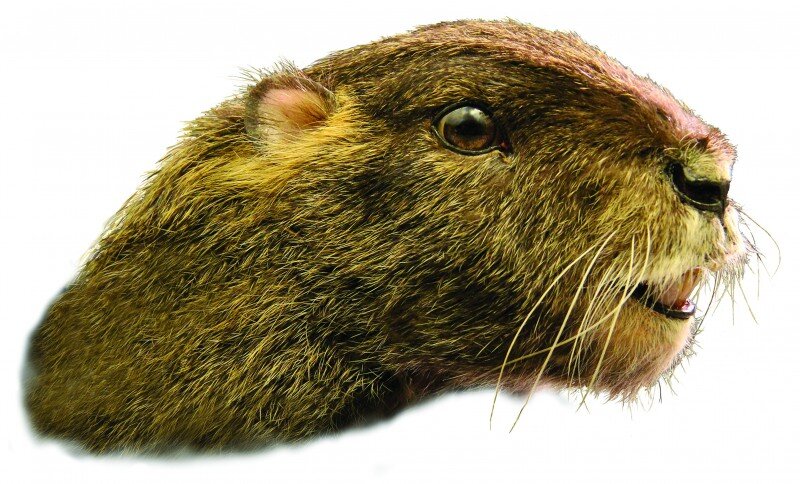
Paleontologists have identified the first postcranial remains of a Gondwanatheria called Vintana, which lived in Madagascar about 66 million years ago during the Mesozoic era. Previously, Vintana was only represented by a fossilized skull, but the new discovery of a tailbone provides key information about the gondwanatherian lineage. Vintana weighed around 19 pounds and is the largest known mammal from the southern hemisphere's Mesozoic era to date. The discovery sheds new light on early mammalian evolution and provides insights into the unique mammals that lived on the ancient supercontinent of Gondwana.