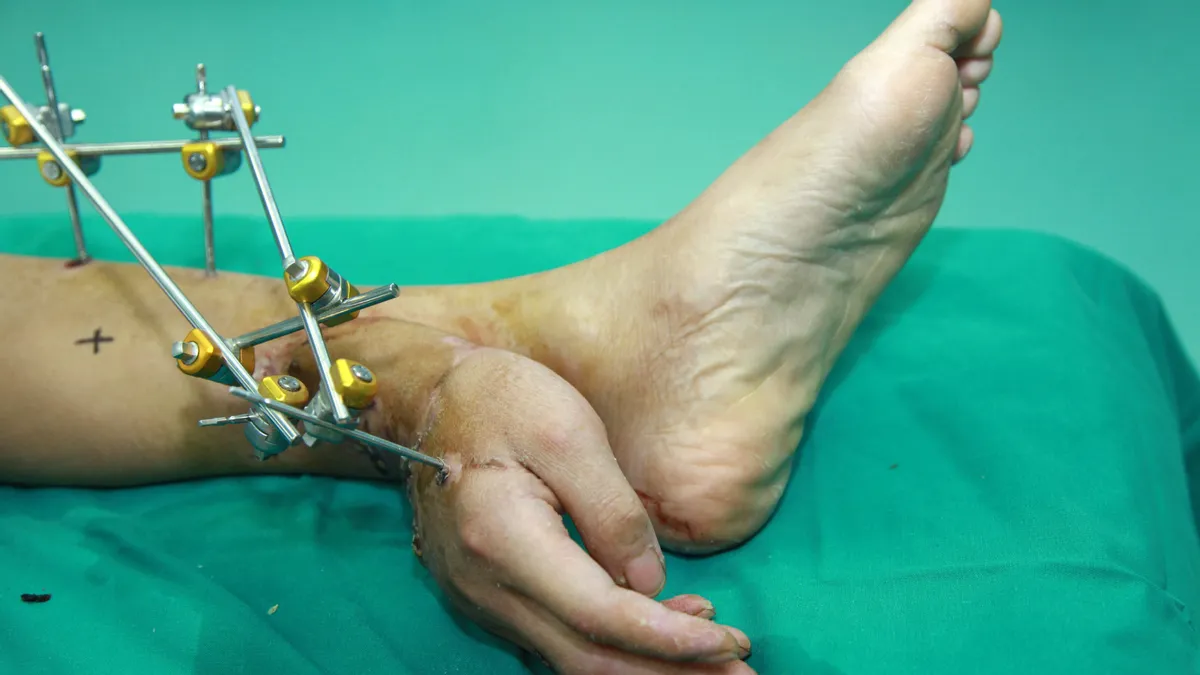
A 2013 Chinese surgery successfully grafted a severed hand onto a patient's leg to preserve it for reattachment, with photographic evidence and expert involvement suggesting the claim is credible, though full verification is pending.
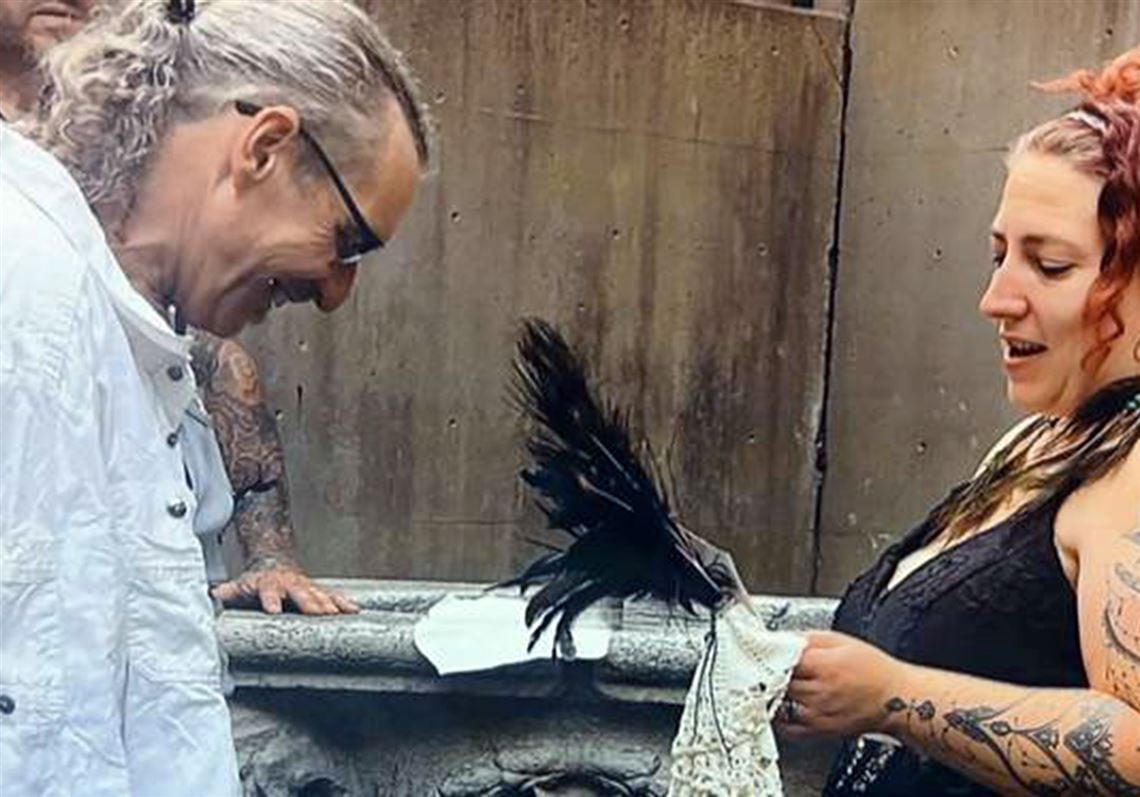
A couple married at Allegheny General Hospital while awaiting a heart transplant for the groom, highlighting their love and resilience amid serious health challenges, with hospital staff helping to make their wedding happen despite medical complications.
Atlanta pilot Jack Miller's life was saved by a bone marrow transplant from U.S. Air Force pilot Tristan Briggs, who had registered as a donor six years earlier with a simple cheek swab. Diagnosed with acute myeloid leukemia in 2020, Miller found no match among his family, but Briggs turned out to be a perfect match. The transplant was successful, and Miller has since recovered and resumed flying. The story highlights the life-saving potential of bone marrow registries and the deep bond formed between donor and recipient.
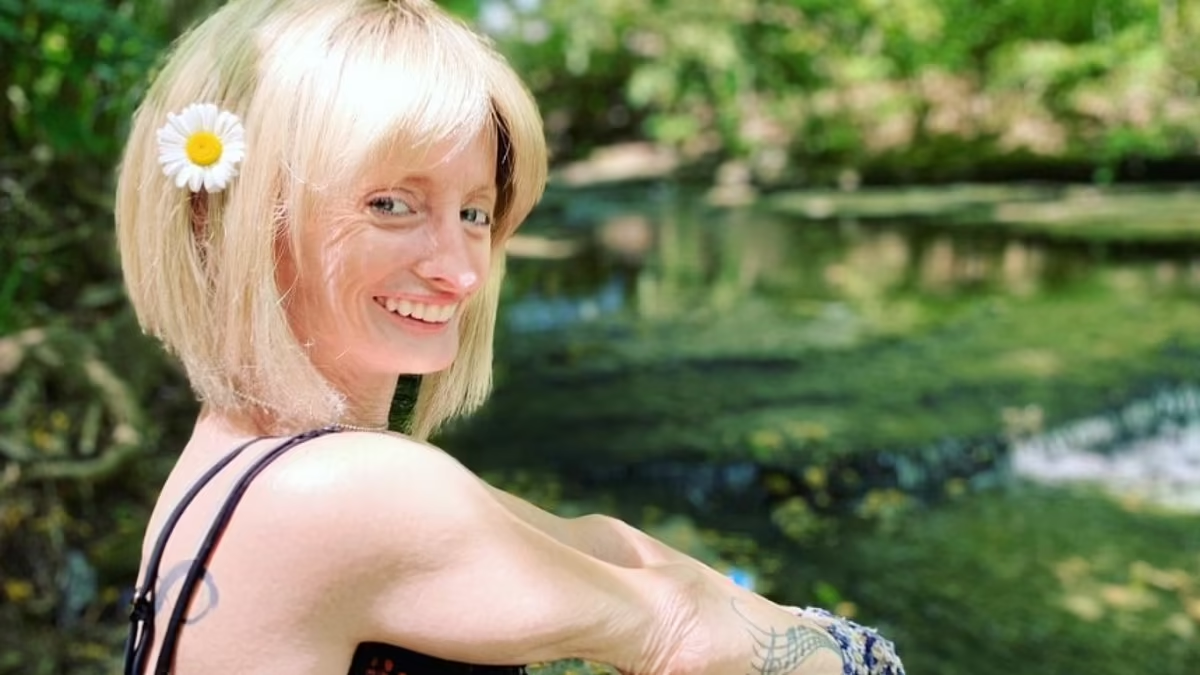
Tiffany Wedekind, a 47-year-old woman from Columbus, Ohio, has defied the odds by living with Hutchinson-Gilford progeria syndrome, a rare genetic disorder that causes rapid aging and typically results in death during the teenage years. Known as 'tenacious Tiffany,' she has outlived the average life expectancy for progeria patients by decades, maintaining a positive outlook and fulfilling her bucket list. Despite health challenges, including heart issues and loss of hair and teeth, she leads an active life, running businesses and advocating for progeria awareness.
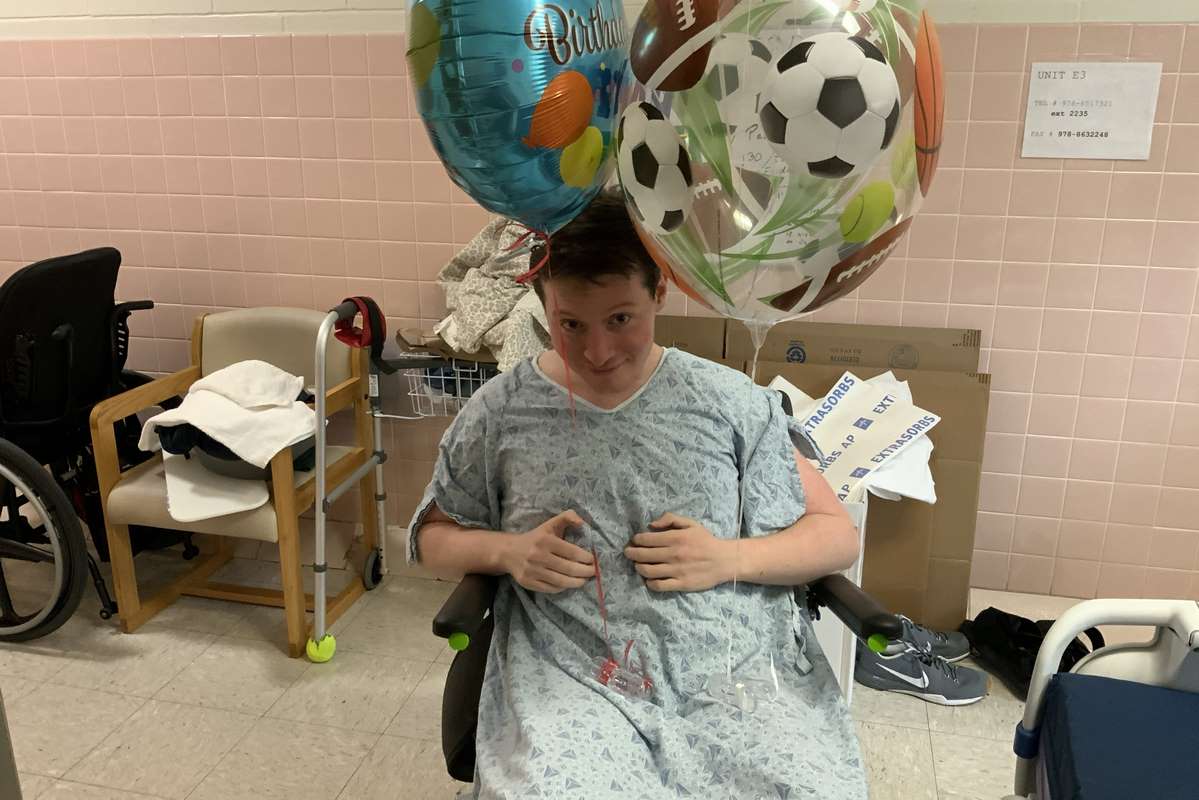
Jacob Haendel, once labeled "brain dead," has become the first person to recover from stage 4 acute toxic progressive leukoencephalopathy, a severe form of locked-in syndrome. Initially paralyzed and unable to communicate, Jacob regained movement after 10 months, eventually learning to walk and talk again through extensive rehabilitation. His recovery is unprecedented, and he has since co-founded a mobile app to assist people with disabilities. Jacob's journey highlights the potential for recovery even in seemingly hopeless medical conditions.
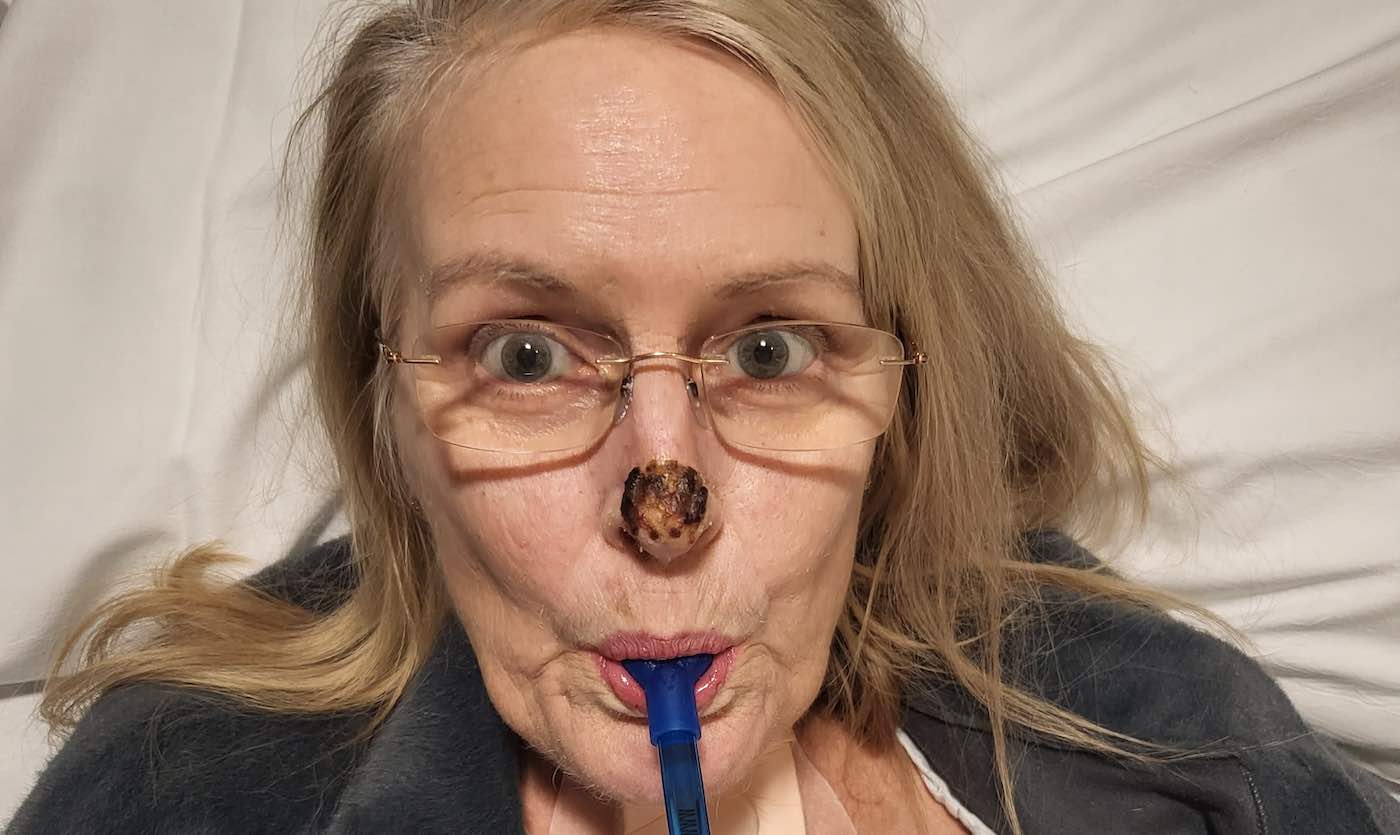
Beatrice Johnson, a 60-year-old woman from Kent, England, nearly died from septic shock caused by a flesh-eating bacteria that ate the tip of her nose. In a last-ditch effort, doctors used sodium bicarbonate (baking soda) in her IV drip as an alternative to dialysis, leading to a miraculous recovery. She was released from the hospital after 43 days and credits baking soda with saving her life.
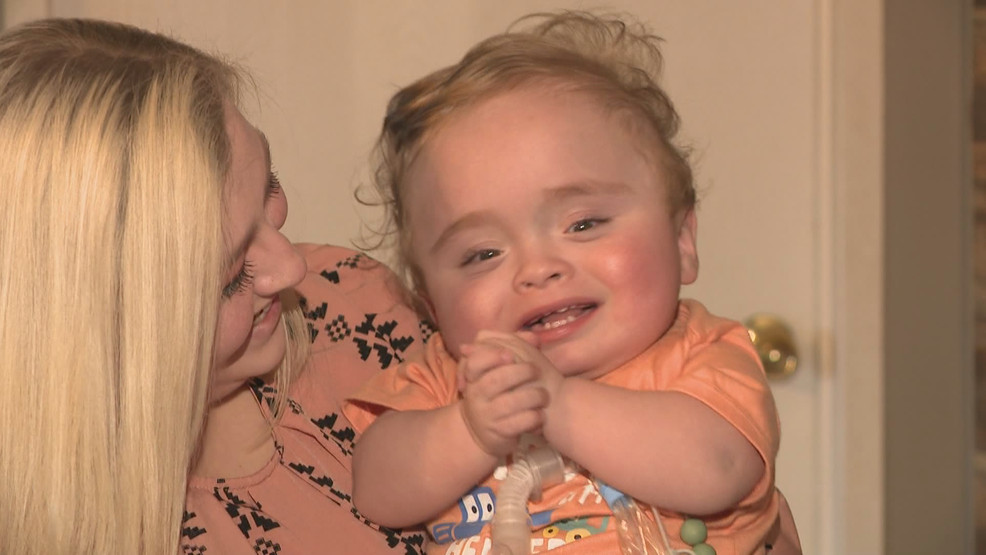
Mikayla Vannoy's son Landon was born 3 1/2 months premature and spent 382 days in the hospital due to Pulmonary Hypertension and Bronchopulmonary Dysplasia. After a tracheostomy and a year in the NICU, Landon was finally able to go home 18 days after his first birthday. Despite the challenges, his parents are grateful to the medical staff and remain hopeful for his future.
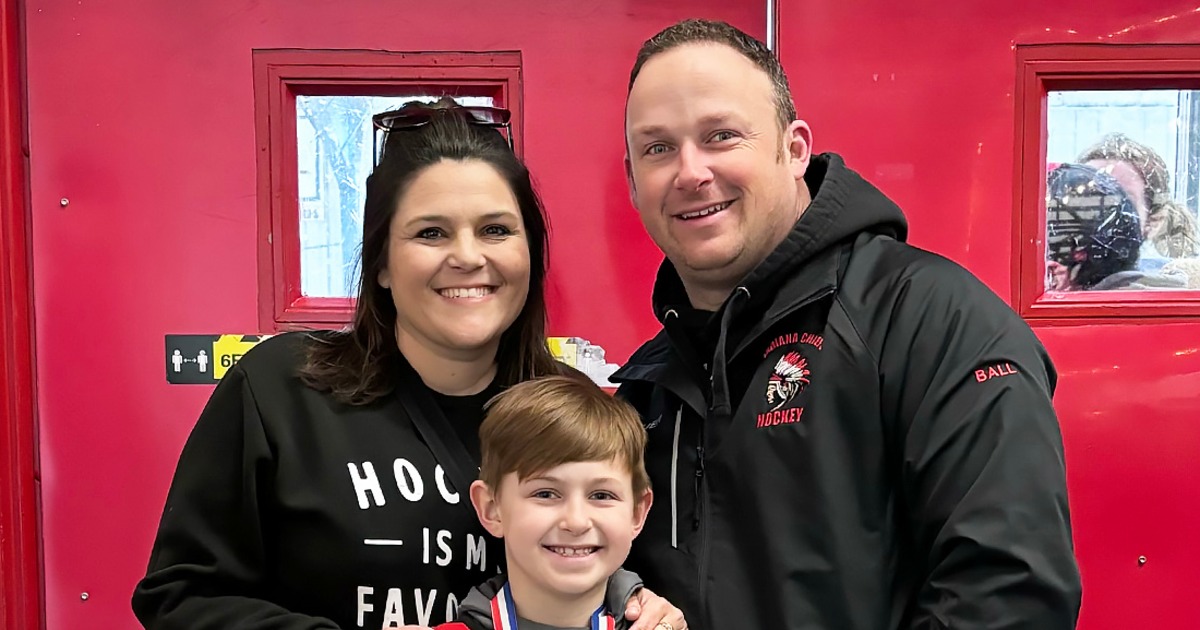
Jamie Ball initially thought she had gallbladder troubles when she felt sharp pain in her side, but it turned out to be stage 4 colon cancer that had spread to her liver. After undergoing grueling chemotherapy and a colon resection, she needed a liver transplant to survive. Luckily, a friend volunteered to donate part of her liver, and the transplant was successful. Liver transplants have shown promise in treating liver cancers, offering hope to patients with low survival rates. Ball is now cancer-free and advocates for organ donation and colon cancer screening.
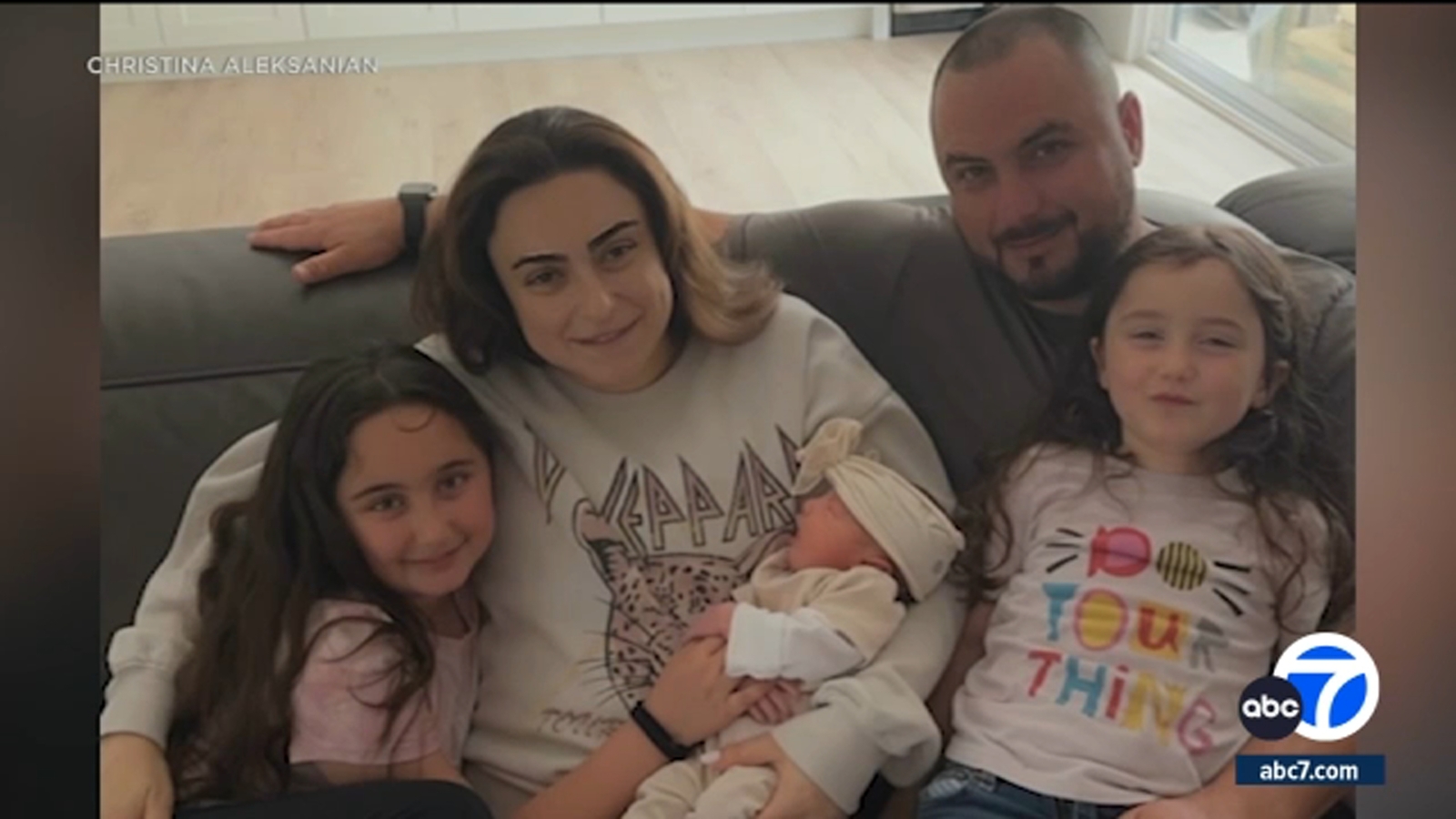
Christina Alexsonian survived a stroke just hours after delivering her daughter, caused by a rare heart defect, and then, six weeks later, she and her family were involved in a harrowing car crash. Thanks to quick medical intervention and the support of her family, she has made a remarkable recovery and is grateful for the "guardian angels" who helped her through these dual disasters.
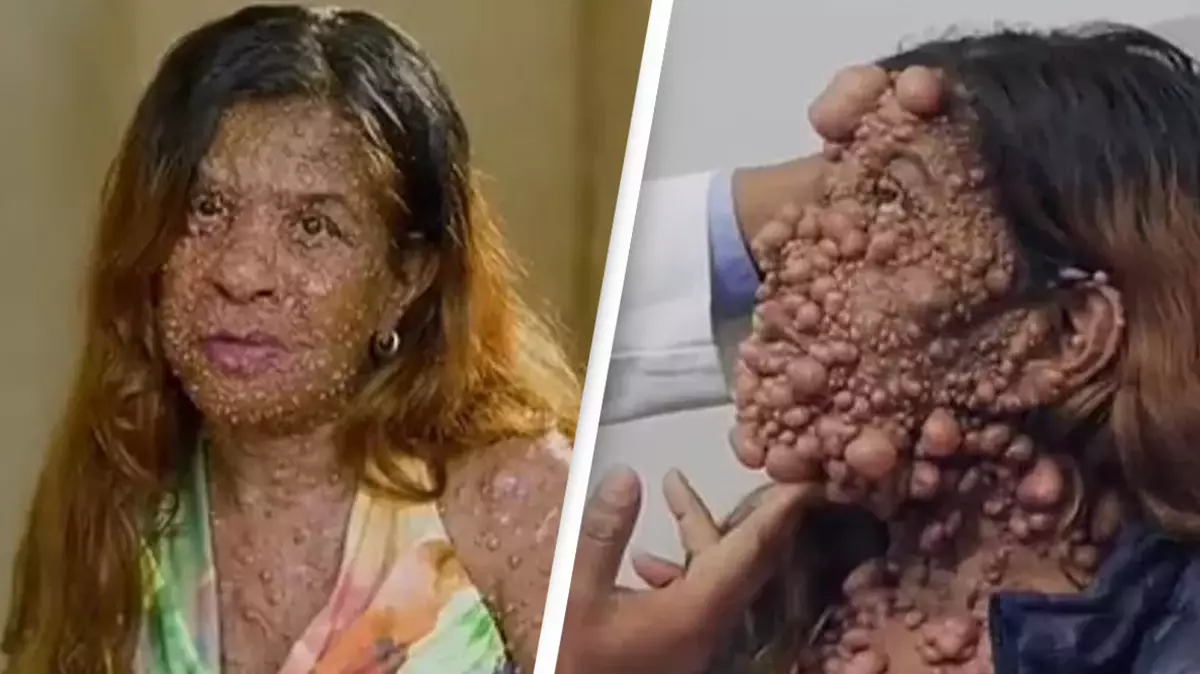
Charmaine Sahadeo, a woman with a rare multi-system disorder called NF-1 neurofibromatosis, underwent over 60 hours of surgery while conscious to remove thousands of tumors covering her body. Dr. Ryan Osborne, a head and neck surgical oncologist, performed 24 operations over a ten-week period, allowing Charmaine to finally see her own face again and breathe better. The surgeries, featured on TLC's Take My Tumor, have given Charmaine a new lease on life, and she now feels beautiful and fantastic.
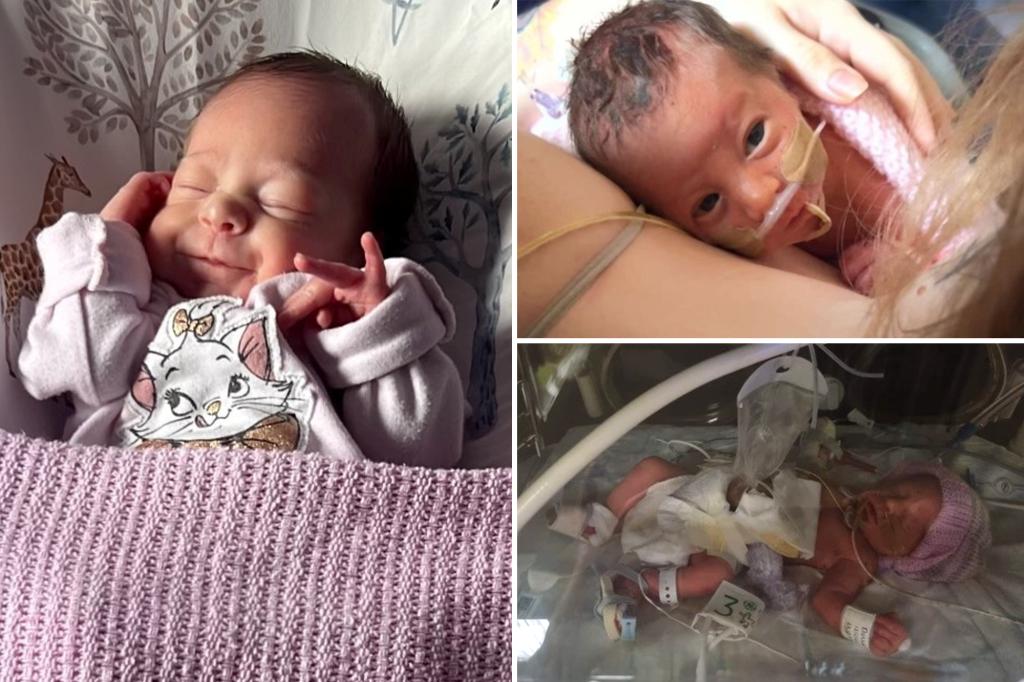
A mother in England was shocked to learn that her daughter would be born with her bowels and internal organs outside her stomach due to an extreme form of gastroschisis. Despite initial concerns and challenges, the baby girl, Dorothy Montgomery, was born via emergency C-section and her organs were successfully placed back into her stomach using a silicone bag. The mother, Sadie, opted out of invasive procedures and the baby is now doing well, defying the odds and bringing hope to her family.
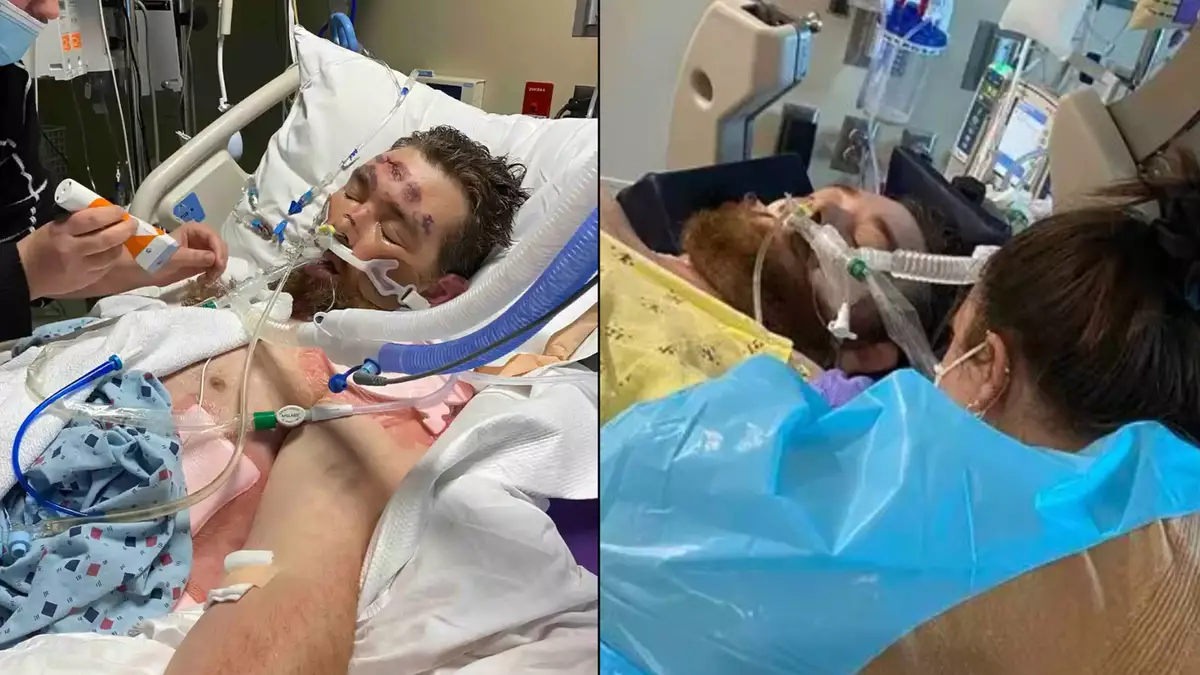
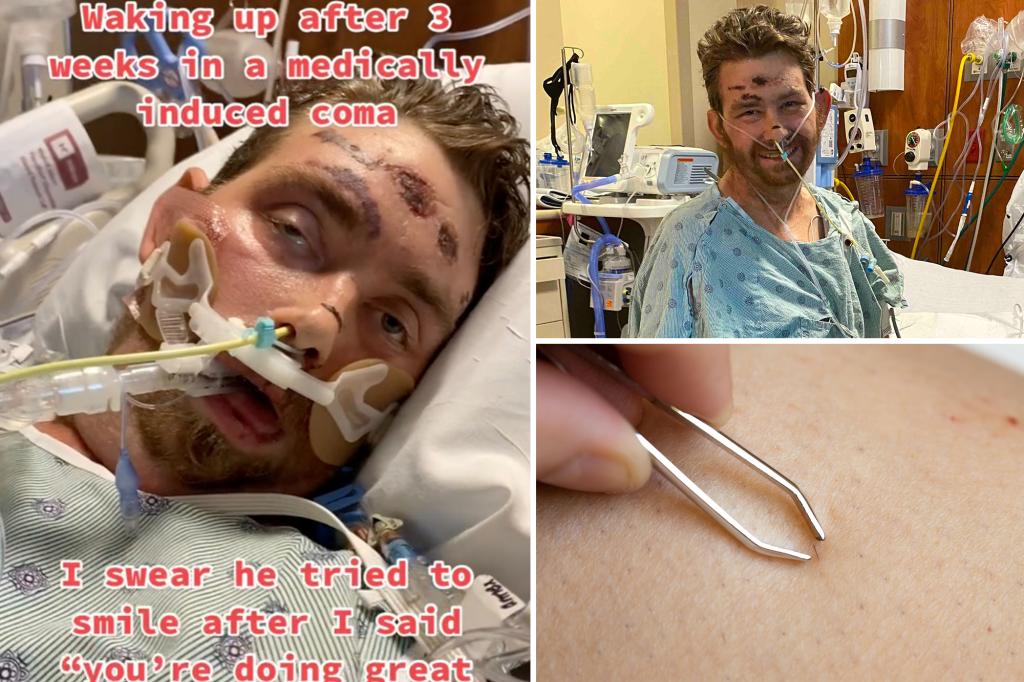
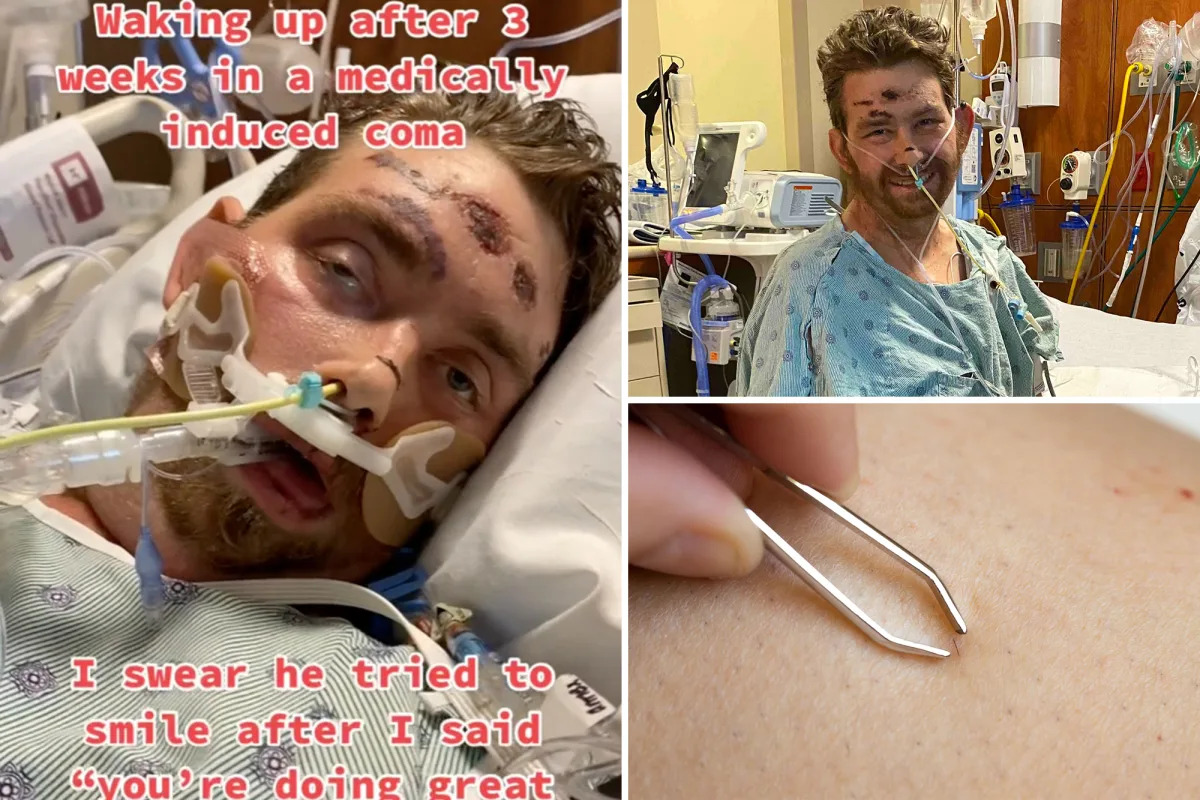
Steven Spinale was left in a coma and given a 4% chance of survival after attempting to remove an ingrown hair, which led to a severe infection and sepsis. He underwent open heart surgery and suffered from multiple organ failure, influenza A, double pneumonia, and a small stroke. Despite the grim prognosis, he miraculously woke up after a month with no brain damage and is now steadily recovering, defying the odds and proving to be a medical miracle.
A Texas man ended up in a medically induced coma and faced a near-death experience after attempting to remove an ingrown hair from his groin area. He developed sepsis, influenza A, double pneumonia, and acute respiratory distress syndrome while in the hospital, with a survival chance as low as 4%. Despite the odds, he miraculously survived, undergoing open heart surgery and a lengthy recovery process, and is now regaining the ability to walk.
A Texas man ended up in a medically induced coma and faced a 4% chance of survival after attempting to remove an ingrown hair from his groin area, leading to severe complications including sepsis, influenza A, double pneumonia, and acute respiratory distress syndrome. Despite the grim prognosis and multiple medical procedures, he miraculously survived and is now regaining his strength, thanks to the unwavering support of his family.
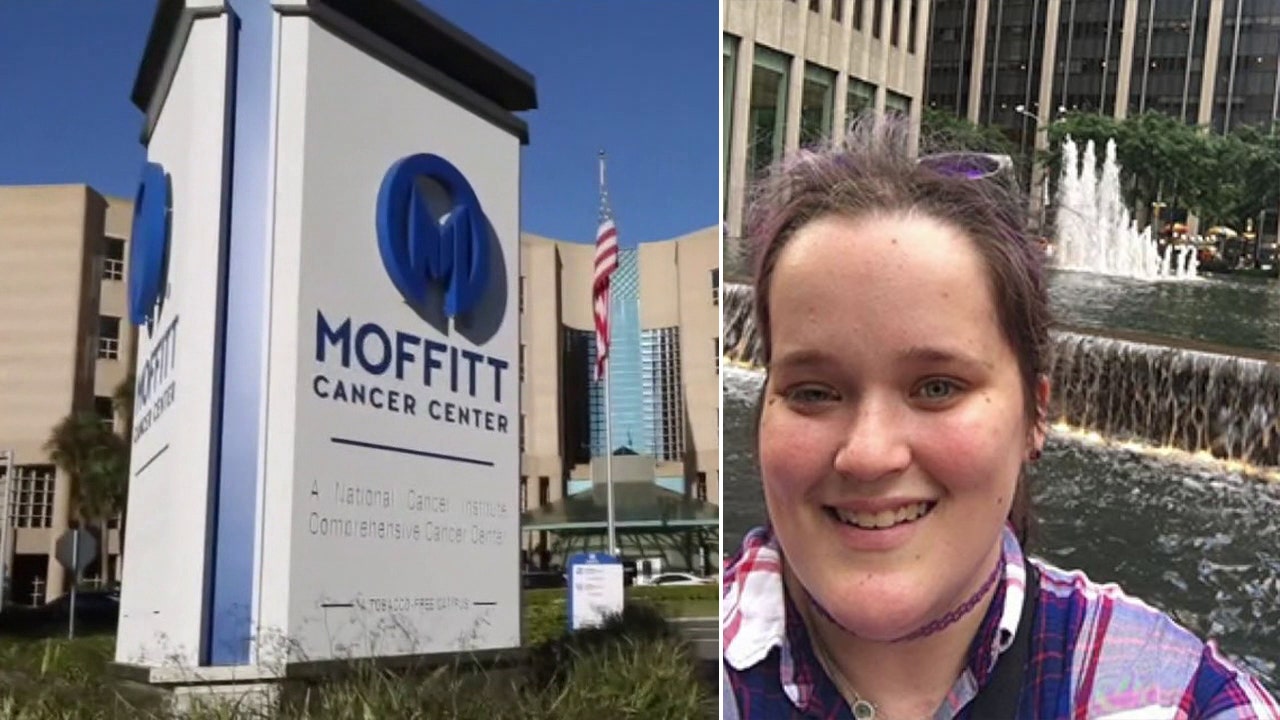
A Pasco County woman's selfie in New York City led to the diagnosis of a brain tumor, which she has been battling with treatment at Moffitt Cancer Center. Despite facing cognitive issues and memory loss, Megan Troutwine remains positive and credits her faith for helping her through dark days. She has also been diagnosed with a glioma and carries a gene mutation that puts her at risk for other cancers. Now working at Moffitt as a Health Unit Coordinator and volunteer, Troutwine is spreading hope and contributing to the fight against brain tumors, while also regaining some movement and participating in the Tampa Breakthrough for Brain Tumors 5K.