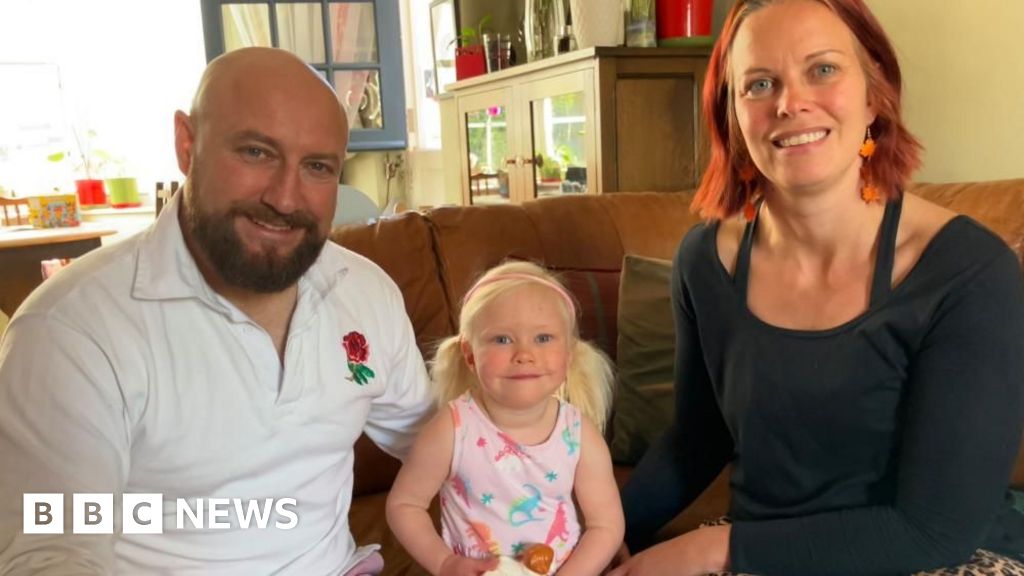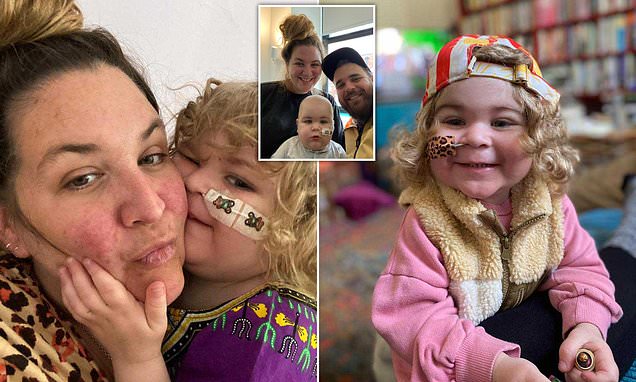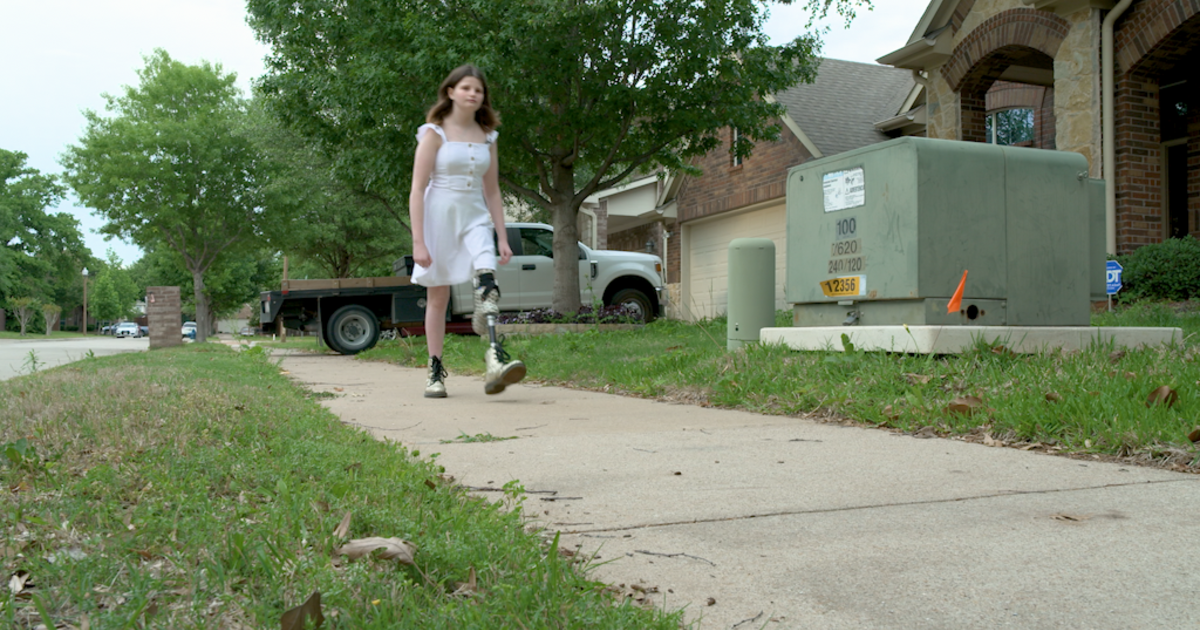
A three-year-old girl near York with a rare genetic condition called Hyper-IgE syndrome requires a bone marrow transplant in Newcastle, leading her family to consider relocating and undergo extensive treatment and isolation to improve her immune system.
A study by Fred Hutchinson Cancer Center highlights how socioeconomic factors hinder access to bone marrow transplants for acute myeloid leukemia (AML) patients, leading to higher mortality rates in disadvantaged communities. The research, presented at the American Society of Hematology's annual meeting, found that patients from areas with lower education levels and higher poverty rates were less likely to receive transplants. However, survival rates post-transplant were similar across socioeconomic backgrounds, suggesting access barriers rather than treatment efficacy are the main issue.
Atlanta pilot Jack Miller's life was saved by a bone marrow transplant from U.S. Air Force pilot Tristan Briggs, who had registered as a donor six years earlier with a simple cheek swab. Diagnosed with acute myeloid leukemia in 2020, Miller found no match among his family, but Briggs turned out to be a perfect match. The transplant was successful, and Miller has since recovered and resumed flying. The story highlights the life-saving potential of bone marrow registries and the deep bond formed between donor and recipient.
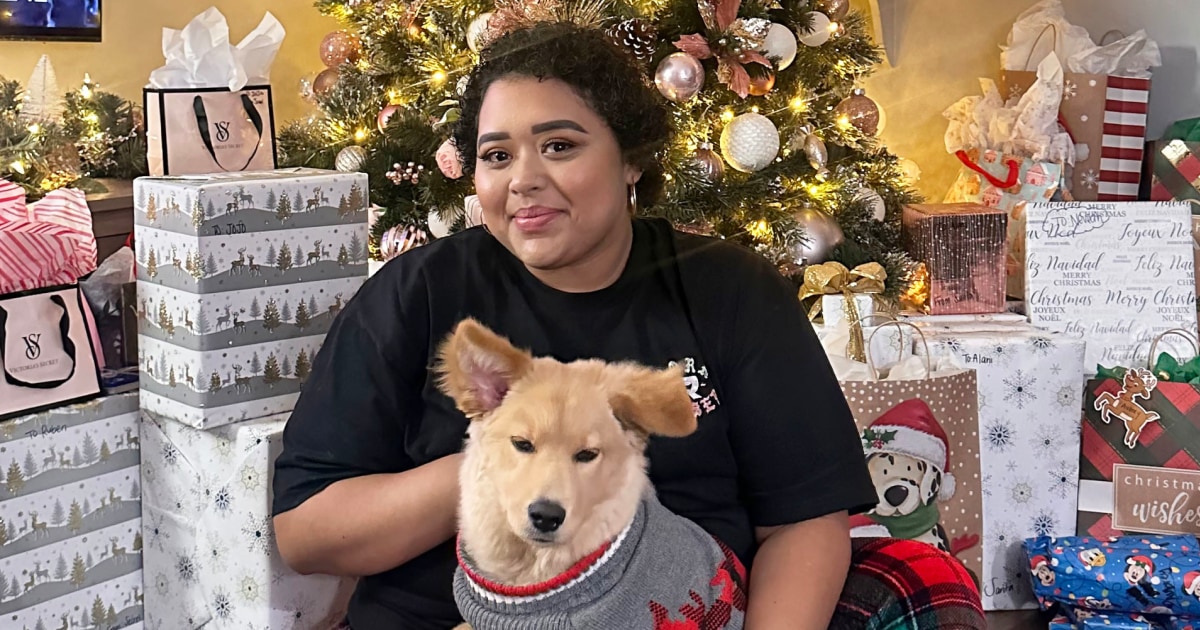
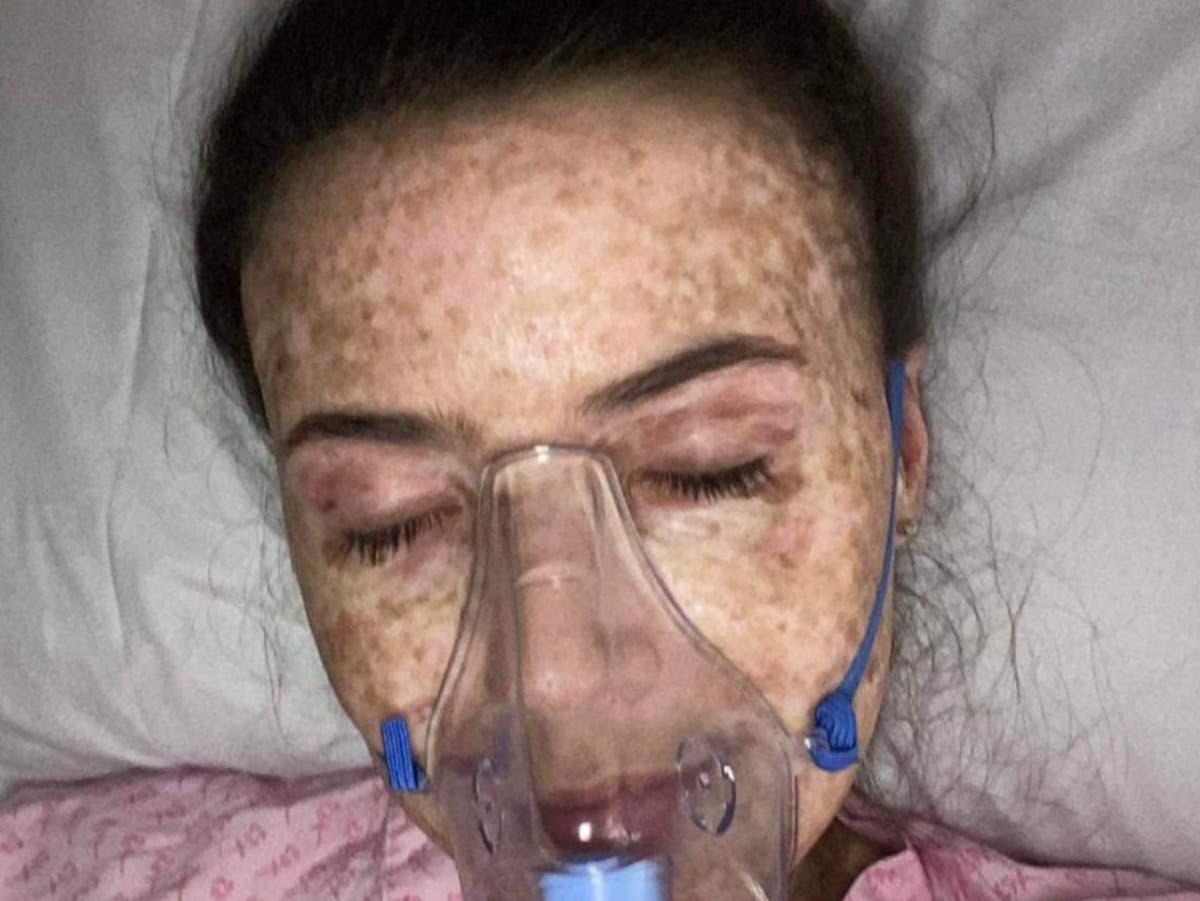
Johanna Mendoza, 22, was diagnosed with acute lymphocytic leukemia (ALL) after developing red splotches on her skin while on vacation in Mexico. She required a blood stem cell transplant and underwent months of treatment, including chemotherapy. Finding a suitable donor was challenging, but she eventually received a partial bone marrow match and underwent a successful transplant. Medical research is exploring the use of partial matches and post-transplant medication to prevent complications. Mendoza is now cancer-free and sharing her story to inspire others facing similar challenges.
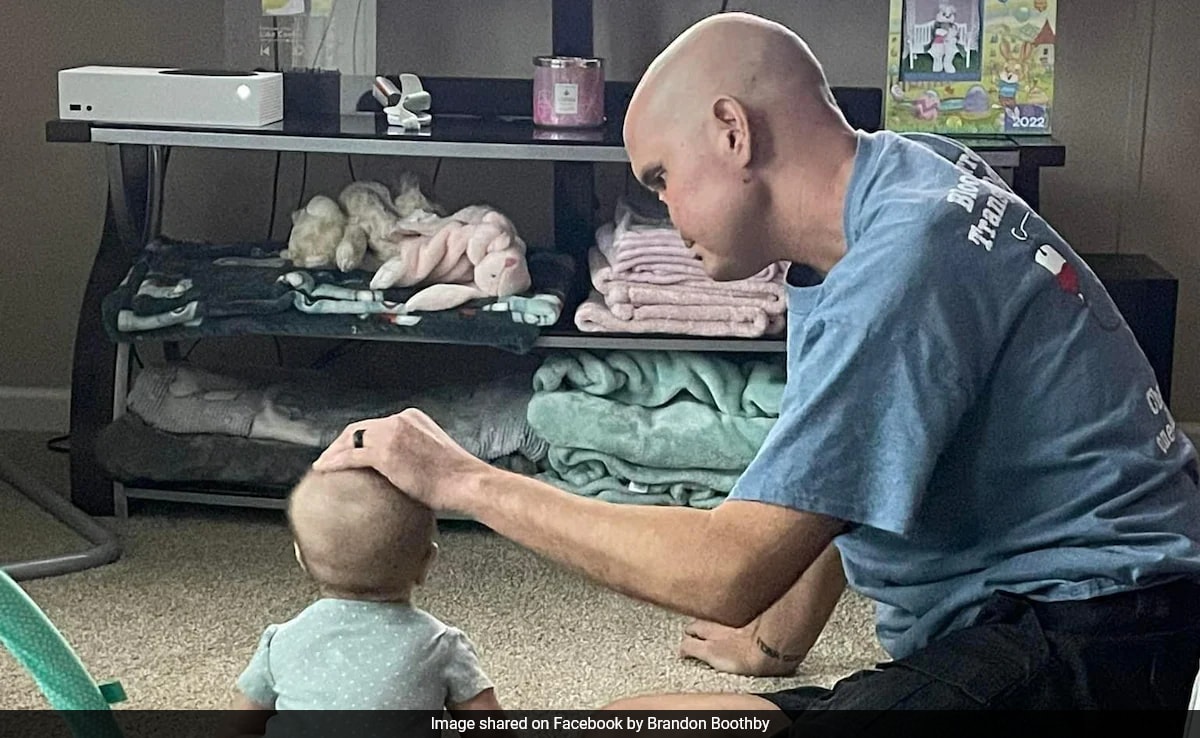
A 31-year-old man in the US had to have his nose removed after developing a rare fungal infection that was eating away at his face, a result of a two-in-a-million medical condition leaving him with little immunity. Following a bone marrow transplant, he developed graft versus host syndrome, causing further health complications. Despite enduring multiple surgeries and facing the risk of losing part of his intestine, he has made significant progress in his recovery and has returned to full-time duty as a firefighter.
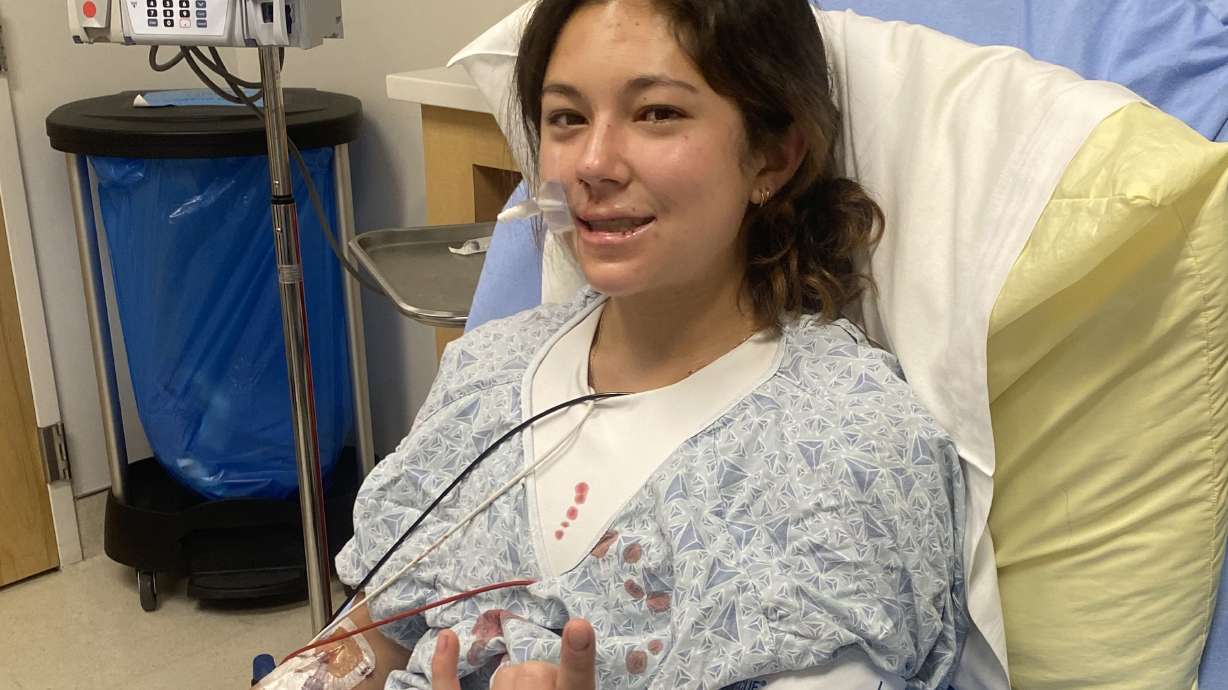
Kaiya Endo, an 18-year-old diagnosed with aplastic anemia, a rare blood condition, is in urgent need of a stem cell transplant. However, finding a suitable donor is challenging due to her unique ethnicity (50% Japanese, 50% Caucasian) and the limited options for treatment. The risk of relapse is high, making a bone marrow transplant the only viable solution. Endo is now on Be the Match's stem cell donor registry, which emphasizes the need for diverse donors as matching is done genetically. If a match is found, Endo will undergo chemotherapy, radiation, and immunosuppressive therapy before receiving the stem cells. The struggle highlights the importance of ethnic diversity in the donor pool to increase the odds of finding a match for patients in need.
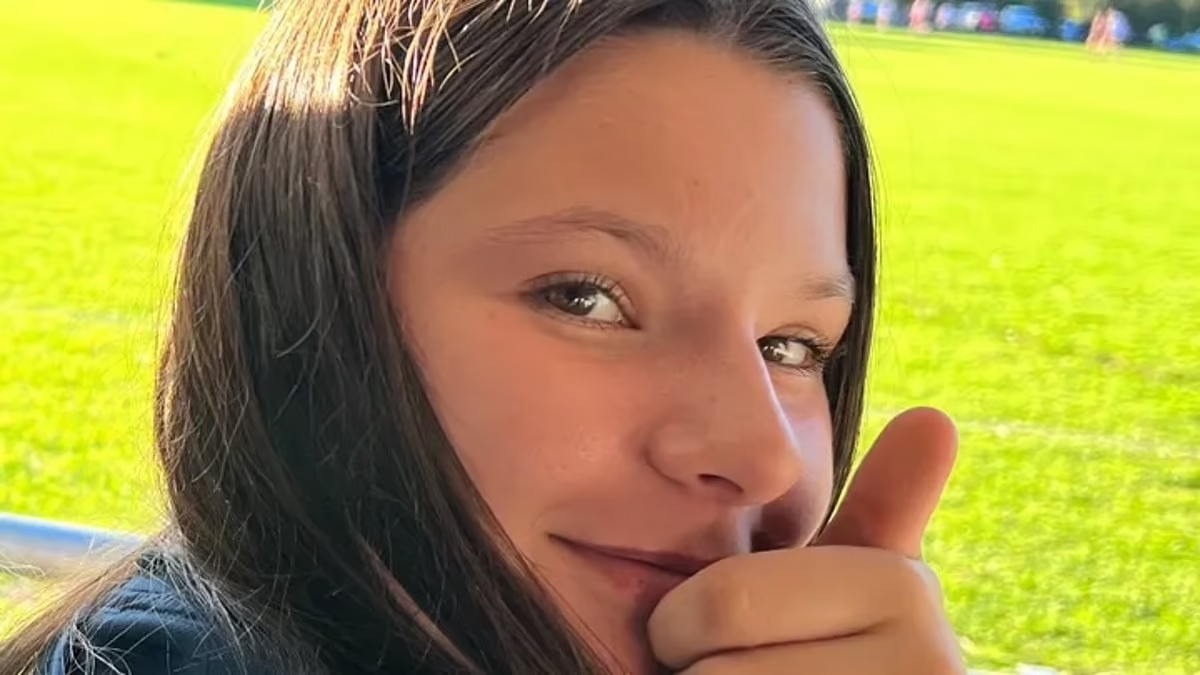
Alyssa Hann, a 16-year-old girl from Adelaide, initially sought relief from a chiropractor for a backache but later experienced excruciating pain. After being admitted to the hospital, tests revealed she had hemophagocytic lymphohistiocytosis (HLH) and acute myeloid leukemia. Alyssa, an active teenager who played Aussie rules football, will now undergo two cycles of chemotherapy and require a bone marrow transplant. Her family has started a GoFundMe page to help with treatment expenses. The cause of her back pain remains unknown, but doctors suspect it may be related to the cancer affecting her spine.
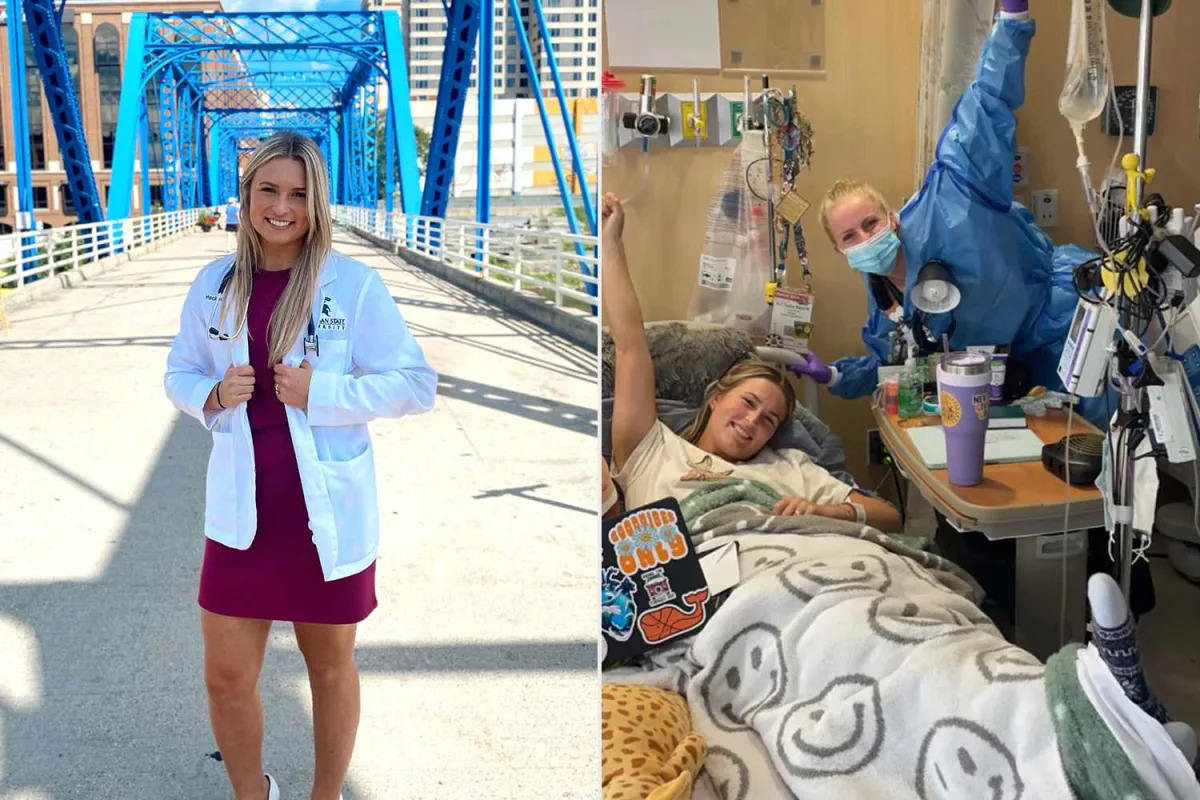
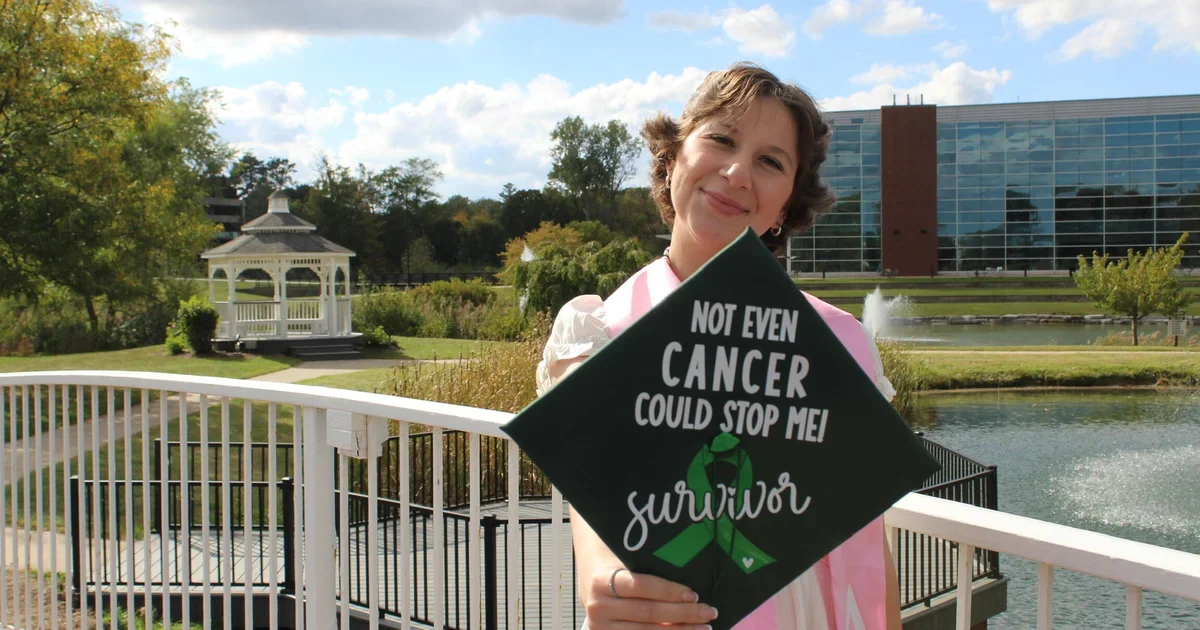
Mackenzie Paul, a 23-year-old medical school student at Michigan State University, was diagnosed with acute myeloid leukemia (AML) just seven weeks after fainting at the start of her second year. Despite initially brushing off the incident, she sought medical attention and was diagnosed with AML. Paul has taken a leave of absence from school and is undergoing chemotherapy while waiting for a bone marrow transplant. She remains hopeful and emphasizes the importance of faith, family, and community in times of adversity.
Jordan Lambropoulos, a 25-year-old woman from Adelaide, has become the first person in Australia to receive a stem cell transplant specifically for Crohn's disease, an incurable inflammatory bowel disease. After exhausting all available conventional therapies, Lambropoulos underwent the procedure as a last resort. Despite experiencing complications and pneumonia, she considers the transplant a success. Lambropoulos is now going through chemo-induced menopause but remains hopeful that the groundbreaking treatment will benefit others in the future. She encourages young people to speak out about their symptoms and raise awareness about Crohn's disease.
The parents of a three-year-old boy who died after contracting herpes are campaigning for increased testing for the virus in hospitals. Raffy Holliday was undergoing treatment for leukemia at Great Ormond Street Hospital when he died in March after suffering inflammation of the brain caused by the human herpesvirus 6B (HHV-6B). His mother is petitioning for the NHS to add HHV-6B to the list of standard weekly viral tests carried out on patients post-transplant. HHV-6B is the most commonly reactivated form of the herpes virus post-transplant, and it can be fatal for those with weakened immune systems.
14-year-old cancer survivor Hallie Barnard, who created her own foundation called Hallie's Heroes to help others find bone marrow transplants, received the surprise of a lifetime when she was gifted front-row tickets to Taylor Swift's concert in Houston. Barnard, who relied on Swift's music to bring her joy during her own health battles, beat cancer and no longer has "bad blood." Thanks to her foundation, hundreds of others have also found bone marrow matches.
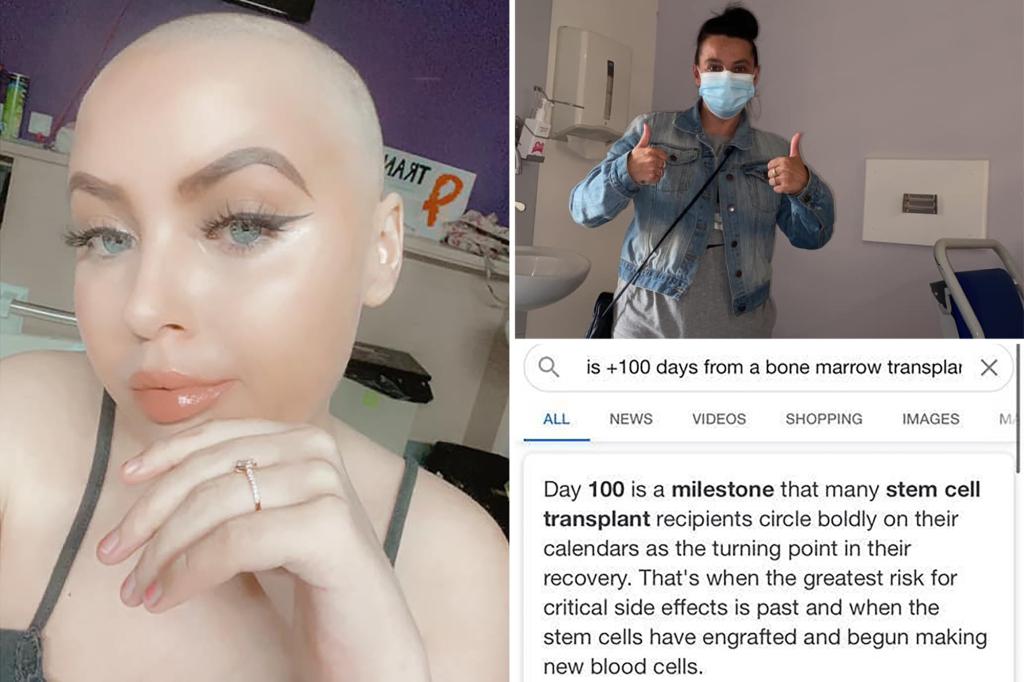
A woman diagnosed herself with leukaemia using Google after being told by her GP that she had tonsillitis. Chloe-Leigh Todd, 22, experienced symptoms such as vomiting, night sweats, and weight loss, which led her to search for answers online. After securing a face-to-face appointment and a blood test, she was diagnosed with leukaemia and underwent six rounds of chemotherapy. She later received a bone marrow transplant and is now cancer-free, although she suffers from Graft vs Host disease. Chloe is grateful to be alive and tells her story to raise awareness about the importance of self-advocacy and early detection.
A woman diagnosed herself with leukaemia using Google after being told by her GP that she had tonsillitis. Chloe-Leigh Todd, 22, had symptoms including vomiting, night sweats, and weight loss, which she recognised as textbook leukaemia symptoms. After securing a face-to-face appointment and a blood test, she was diagnosed with leukaemia and underwent six rounds of chemotherapy. She received a bone marrow transplant in October 2020 and is now cancer-free, although she suffers from Graft vs Host disease.
A young British mother diagnosed herself with leukemia after a doctor misdiagnosed her with tonsillitis. Chloe-Leigh Todd turned to Google and found that she had every symptom of leukemia. She underwent six rounds of chemotherapy and a bone marrow transplant, which saved her life. Todd is now cancer-free but suffers from graft vs host disease. She is grateful to be alive and ready to face any challenges for the sake of her son. Symptoms of leukemia include pale skin, tiredness, weight loss, frequent infections, and easily bruised skin.