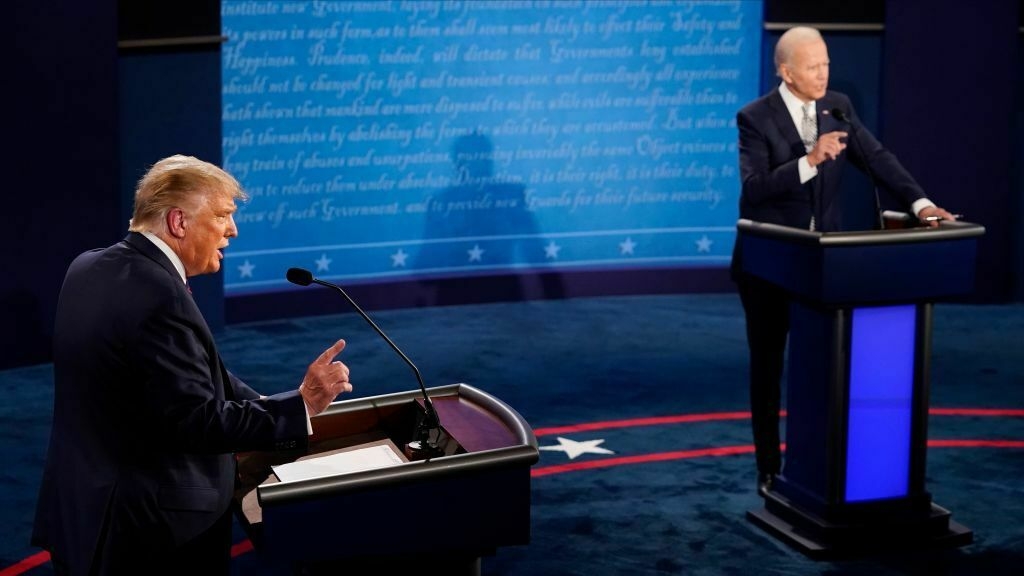
Former special counsel Jack Smith's deposition reveals key insights into his investigation of Trump, including his stance that the Jan. 6 attack was Trump’s responsibility, his legal justification for subpoenaing congressional phone records, evidence of Trump obstructing the recovery of classified documents, his claim that he would have investigated any president, and his refusal to disclose details about Patel's interview due to a court injunction.
The Justice Department's internal watchdog found no political motivation in the Trump-era subpoenas of communication records from congressional staffers and reporters during leak investigations. The report revealed that 43 staffers, nearly evenly split between Democrats and Republicans, were targeted, raising concerns about the potential chilling effect on congressional oversight and media freedom. The subpoenas, issued without notifying the individuals, were part of efforts to trace leaks related to the 2016 Trump campaign and Russia. The Justice Department has since revised its policies under the Biden administration to limit such actions.
The US Supreme Court has agreed to review a case that tests the limits of congressional subpoenas for executive branch documents. The case involves a 2013 agreement between then-citizen Trump and the General Services Administration to lease the Old Post Office Building in Washington, D.C. The Biden administration is on the same side as the former Trump administration in arguing that congressional requests for information from executive agencies have traditionally been negotiated between the two branches and that congressional subpoenas for information are institutional and cannot be asserted by individual members of the House or Senate.