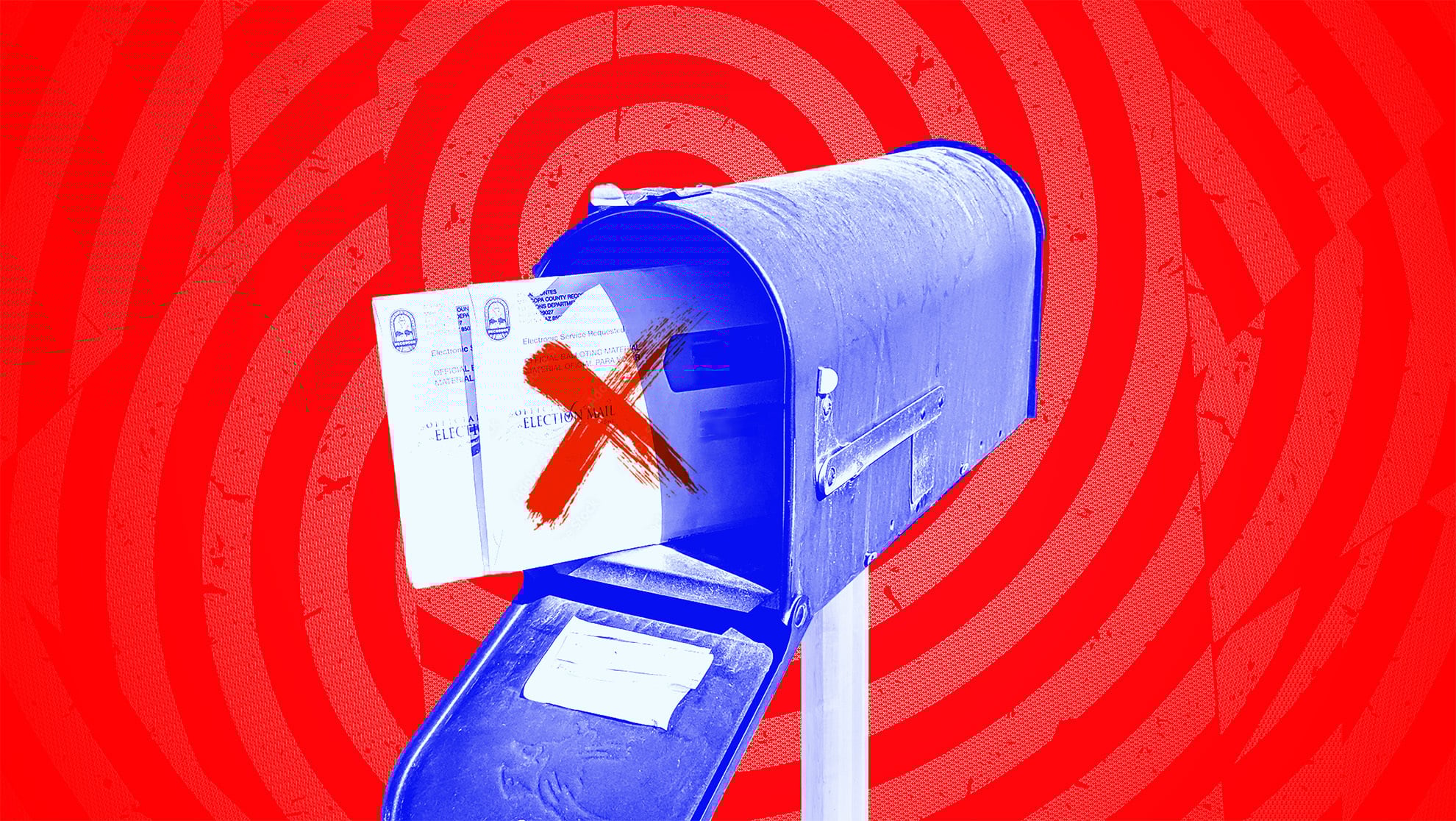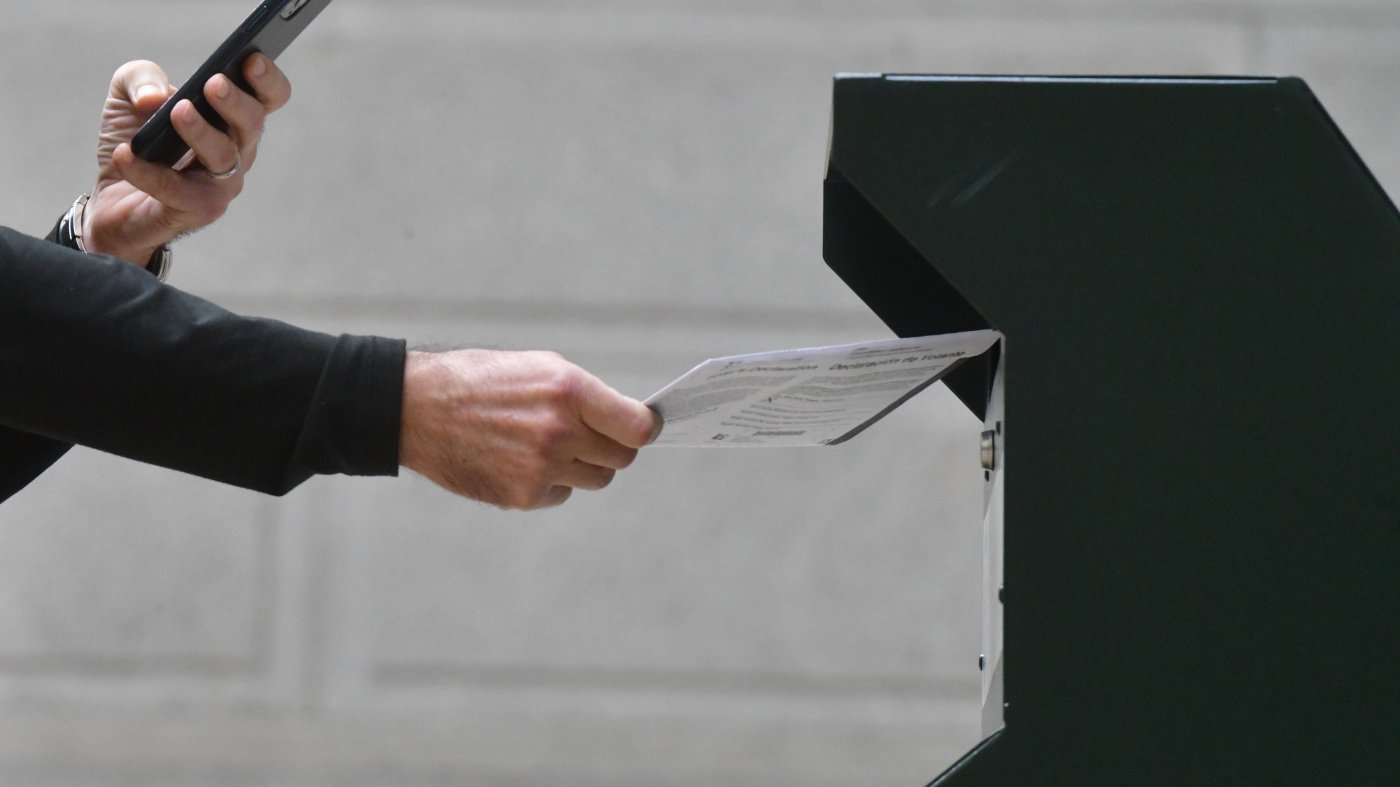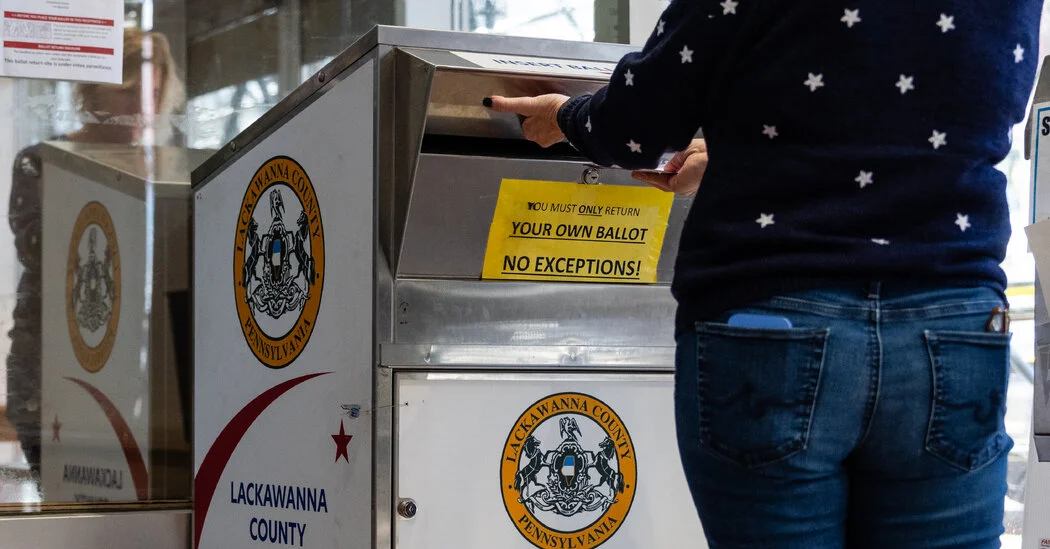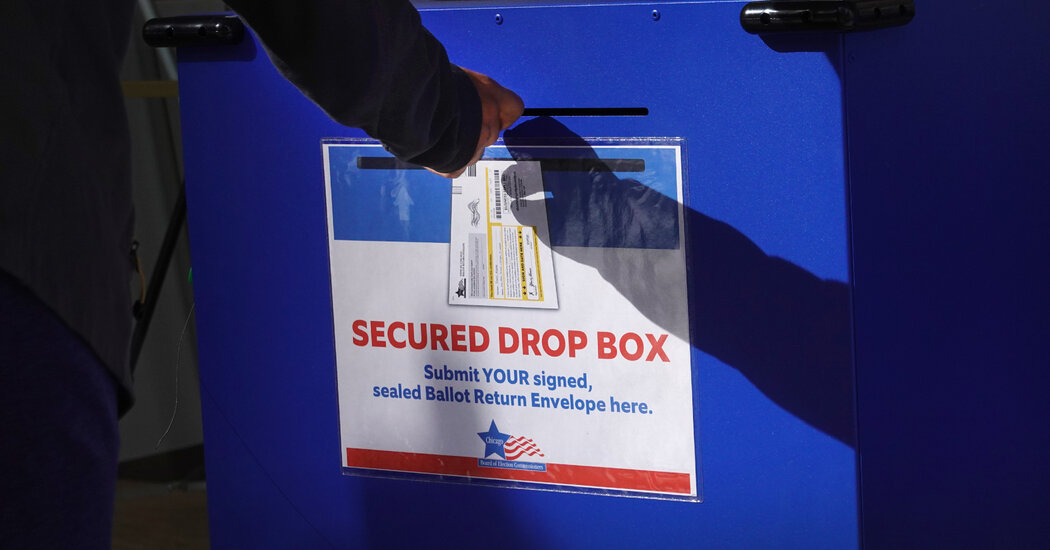
The USPS finalized new rules on postmarking, which could delay mail-in ballots, especially in rural areas, potentially impacting election results. The changes stem from cost-cutting measures that eliminate evening pickups in rural regions, risking ballots arriving too late for counting, with some states already reducing grace periods for late ballots. This reform affects a majority of U.S. zip codes and raises concerns about voting access and election integrity.
The U.S. Supreme Court is set to decide whether federal law prohibits states from counting mail-in ballots received after Election Day, focusing on Mississippi's procedures and potentially impacting other states' voting laws ahead of the 2026 midterms. The case involves the interpretation of 'Election Day' and whether federal statutes override state rules allowing late ballots, with significant implications for election processes nationwide.
The Supreme Court will decide whether states can count mail-in ballots received after Election Day, a case that could impact voting laws in over a dozen states and has implications for election legitimacy and voting procedures.
The Supreme Court will consider whether federal law prohibits states from counting mail-in ballots received after Election Day, a case involving Mississippi's law that allows such ballots to be counted if received within five days post-election, with implications for nationwide voting procedures.
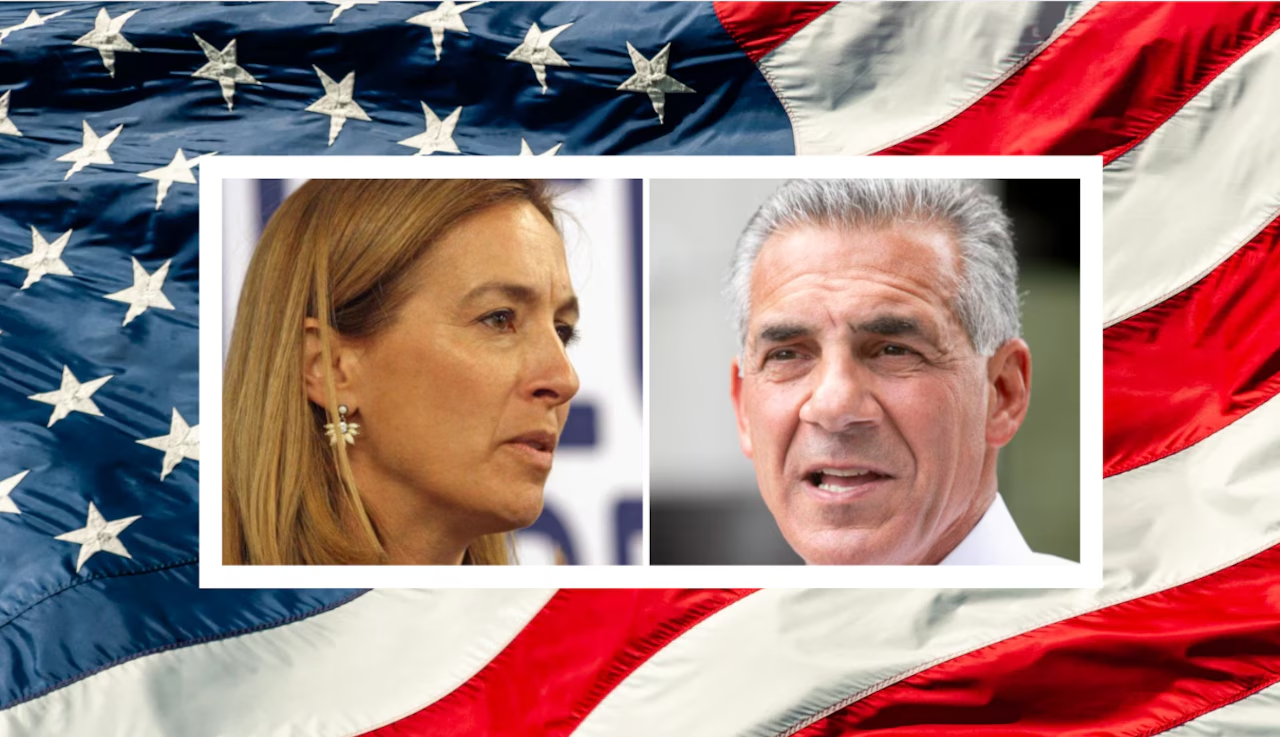
New Jersey's gubernatorial race between Mikie Sherrill and Jack Ciattarelli is expected to have faster results due to new voting laws allowing mail-in ballots to be counted up to five days before Election Day, marking the first election under this reform, which aims to speed up vote counting and provide clearer results.
The Supreme Court appears poised to revive a Republican challenge to Illinois' law allowing the counting of late-arriving mail ballots, focusing on whether a GOP congressman has the legal standing to challenge the law, amid broader debates on mail-in voting and election integrity.
The U.S. Senate is set to vote again on dueling bills to reopen the government, both of which are expected to fail, marking the sixth failed attempt. Meanwhile, the Supreme Court will hear a case on Illinois' mail-in ballot counting rules, which could influence voting rights and election laws. Additionally, the ongoing dispute over extending expiring healthcare subsidies under the Affordable Care Act is a key issue in the shutdown debate, with Democrats pushing for renewal to prevent millions from losing coverage and facing higher premiums.
The Supreme Court will consider reviving a lawsuit challenging Illinois' mail-in ballot counting policy, which could impact future election law challenges and clarify who has standing to sue over election issues, amid ongoing political debates over mail-in voting.
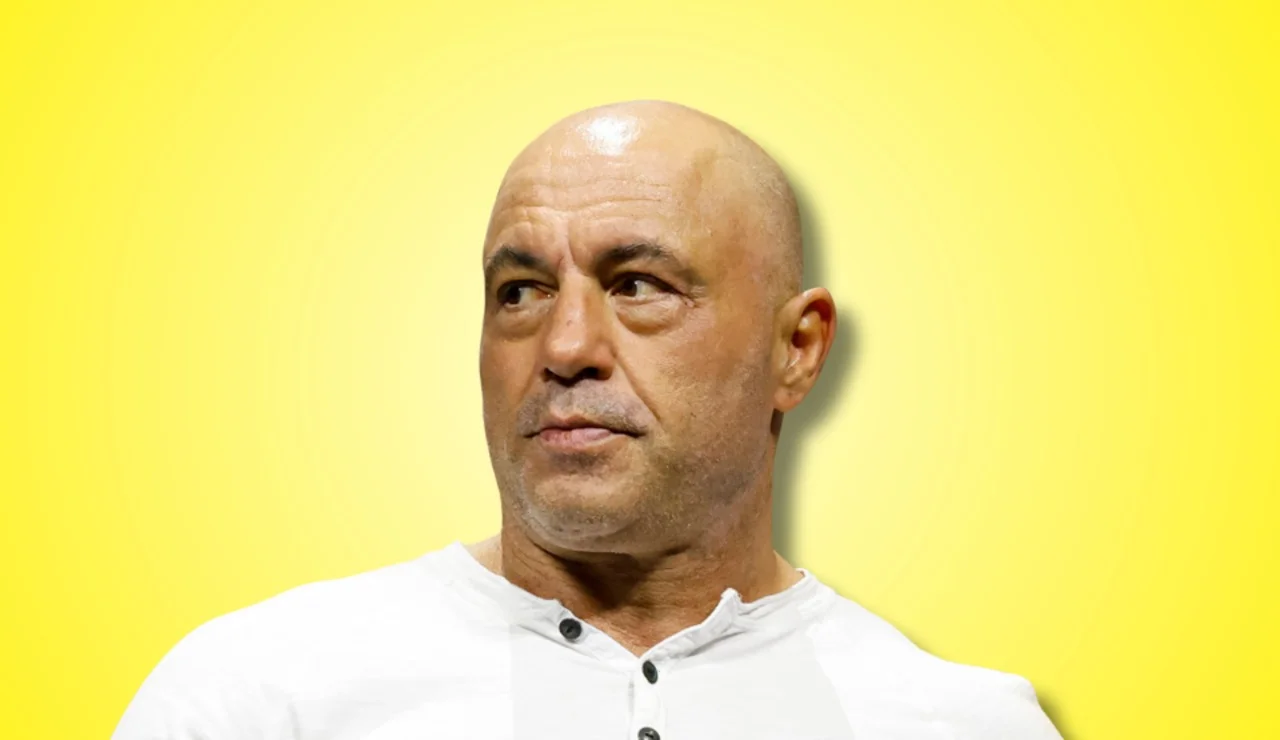
Joe Rogan challenged Donald Trump's claims about the 2020 election being stolen, emphasizing the lack of evidence for widespread voter fraud and criticizing Trump's continued assertions without proof.
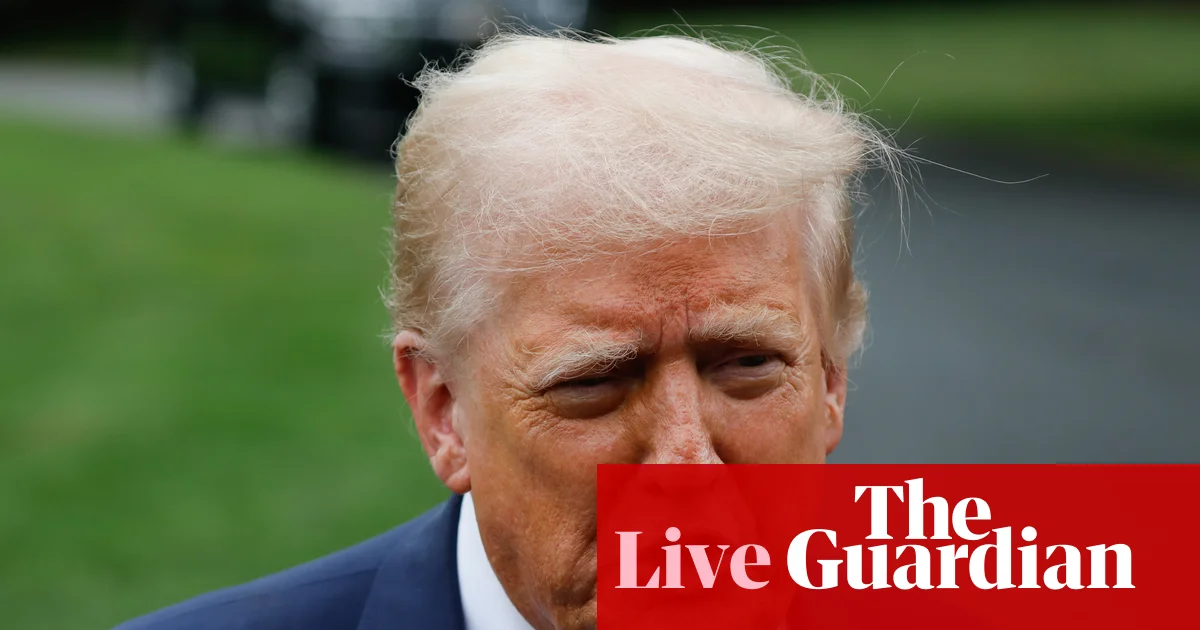
President Trump announced plans to use an executive order to eliminate mail-in ballots and certain voting machines, claiming they are unreliable and corrupt, but legal experts say he lacks the authority to do so without Congress, and such efforts could face significant legal and logistical challenges, potentially aiming to undermine confidence in upcoming elections.
President Trump announced plans to lead a movement to eliminate mail-in ballots through an executive order, amid ongoing efforts to reshape voting laws and address homelessness in Washington, D.C., with federal forces also involved in city security and homeless encampment clearances.
Donald Trump announced plans to sign an executive order targeting mail-in ballots and voting machines ahead of the 2026 midterm elections, aiming to lead a movement against what he describes as unreliable voting methods.
An appeals court in Texas upheld a law requiring ID numbers to be matched with mail-in ballots, citing security concerns and the need to verify voter identity, amidst ongoing political battles over election laws and redistricting.
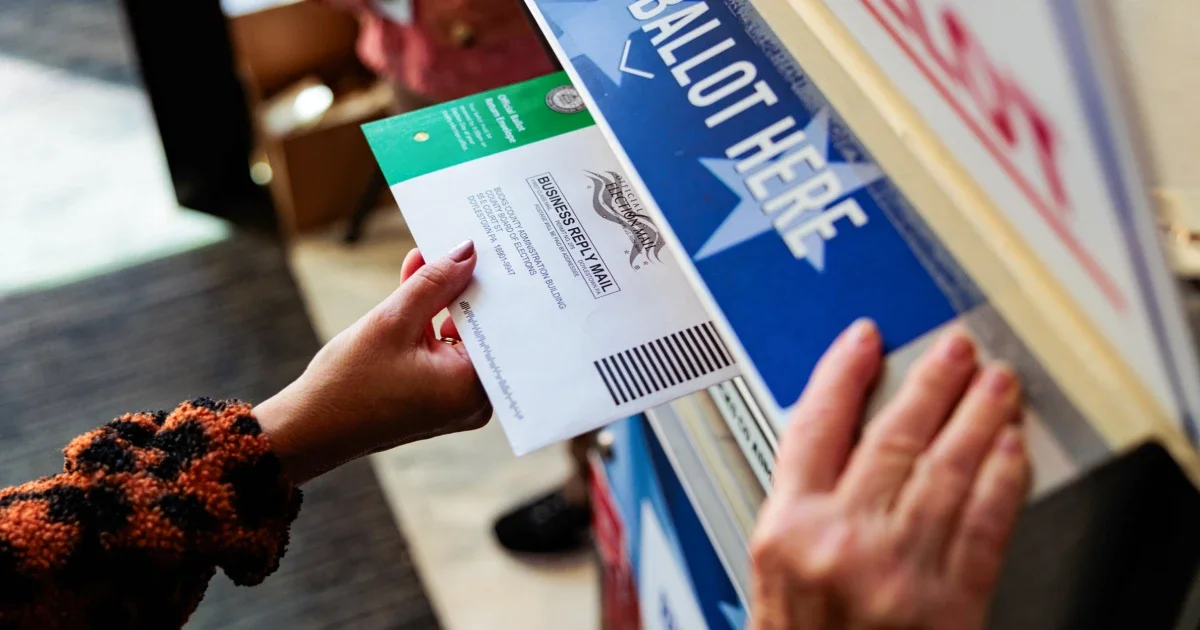
The Supreme Court will hear a case challenging Illinois' law that allows mail-in ballots to be counted up to 14 days after Election Day, brought by a Republican congressman and others who argue it violates federal statutes requiring ballots to be received and counted on Election Day.
The Supreme Court will consider a challenge to Illinois law that allows mail-in ballots received up to two weeks after Election Day to be counted, in a case brought by Rep. Mike Bost. The case questions whether such ballots should be included in official results, amid broader debates over mail-in voting practices and election security. The Court's decision is expected by June 2026, but it is uncertain whether they will rule on the merits or just on procedural standing issues.