The article discusses a growing revulsion among Evangelical Christians and their families in the US towards Israel's actions in Gaza, highlighting a shift in public opinion influenced by social media and media coverage. It also critiques the influence of pro-Israel lobbying groups like AIPAC and Gulf states on US politics, and notes a broader awareness and criticism of foreign influence and support for Israel among American conservatives and the general public.
Pro-Israel lobbying groups, particularly Aipac, are expected to spend heavily to unseat progressive Democratic representatives in the 2024 congressional primaries, with candidates like Jamaal Bowman and Cori Bush facing formidable challenges from well-funded opponents. The influence of pro-Israel money is evident in campaign finance reports, with Aipac earmarking significant contributions to certain challengers. Meanwhile, progressive incumbents Ilhan Omar and Rashida Tlaib have raised substantial funds, indicating strong support for their criticism of the Israeli government's policies.
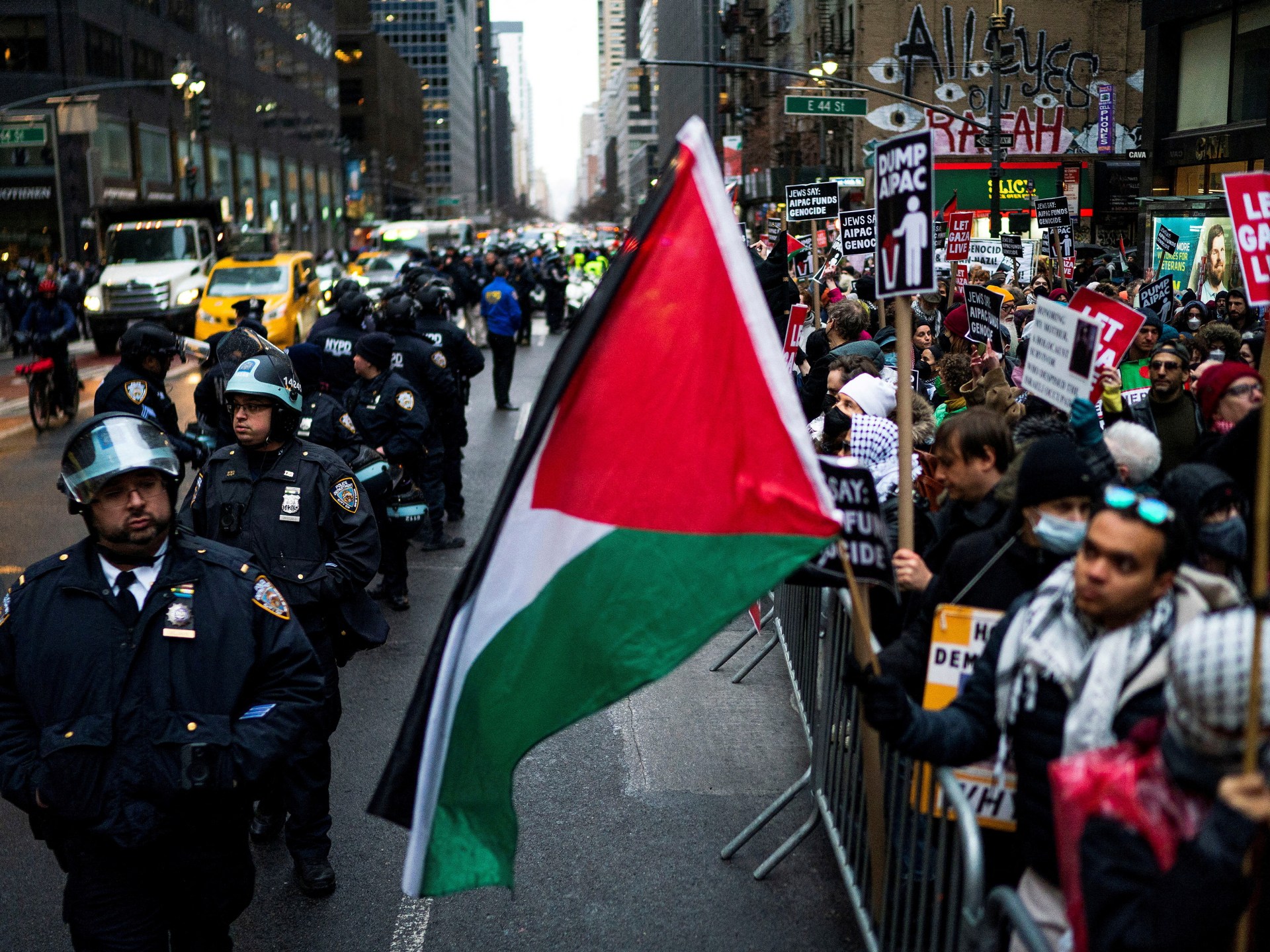
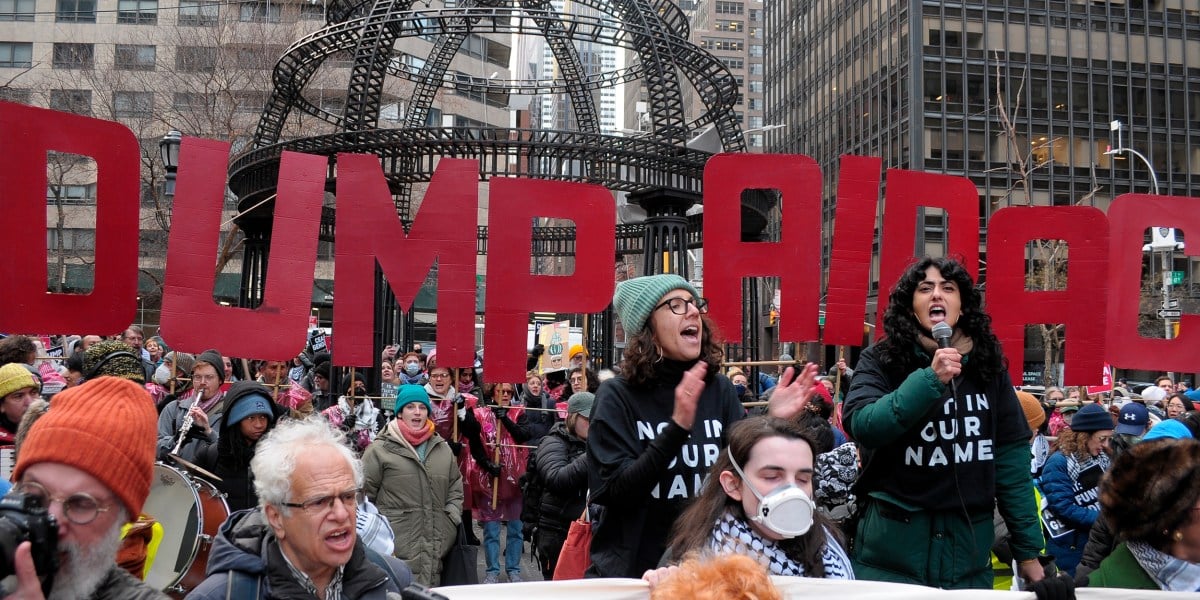
Progressive organizations in the US have formed a coalition called "Reject AIPAC" to counter the influence of the pro-Israel lobby group AIPAC, which is reportedly preparing a $100m offensive to target progressives in Congress. The coalition aims to support targeted candidates, lobby against AIPAC's agenda, and urge Democrats to renounce its support. AIPAC's involvement in US election campaigns has sparked criticism, with progressives denouncing its right-wing influence and advocating for a shift in US policy towards Palestine and Israel.
More than 20 progressive groups have formed a coalition called Reject AIPAC to counter pro-Israel groups' efforts to challenge liberal members critical of Israel's military offensive in Gaza. The coalition aims to protect and promote pro-Palestinian members and candidates, highlighting national polling showing Democratic voter alignment with their stances. AIPAC, which has historically wielded immense clout in Washington, has shifted its strategy to challenge Democratic incumbents in primaries and is expected to spend over $50 million this cycle targeting progressive candidates.
The American Israel Public Affairs Committee (AIPAC) has been heavily involved in Democratic primaries and plans to spend at least $100 million on 2024 races, prompting progressives to form the Reject AIPAC coalition to counter its influence. AIPAC's new super PAC, funded by Republican billionaires, has reshaped key primaries and shifted the balance of power in Congress. The coalition aims to organize against AIPAC across electoral, political, and digital arenas, and plans to defend members of Congress being targeted by AIPAC through a seven-figure electoral spending campaign. AIPAC's growing influence on Democratic Party politics has presented a major problem for progressives, who rely mostly on small-dollar donors and can't compete with AIPAC's war chest.
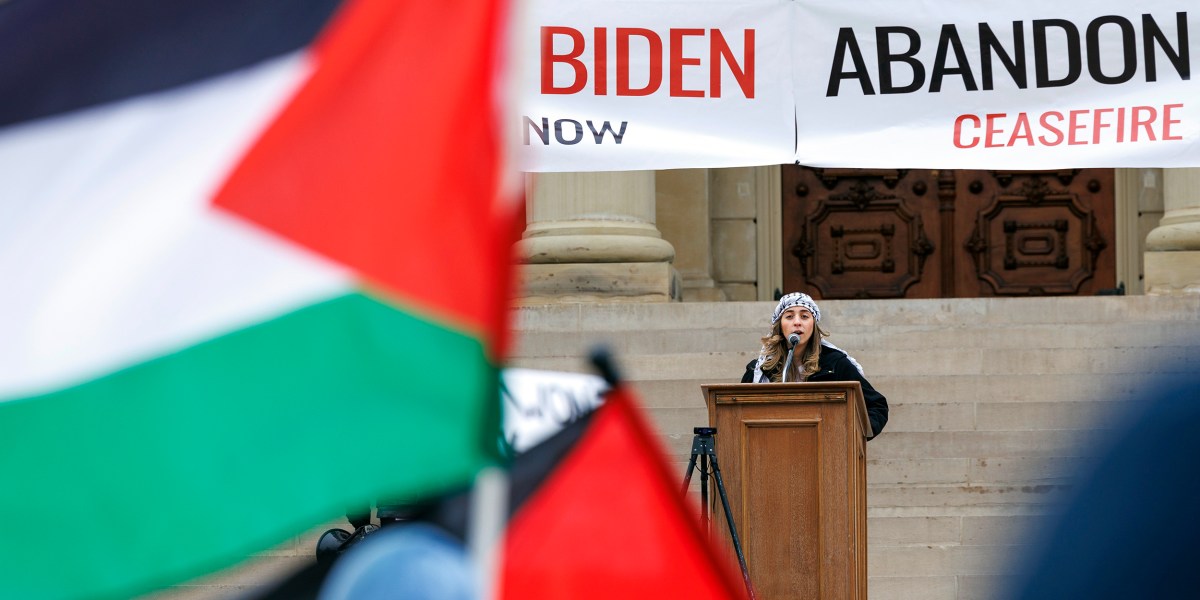
A centrist Democratic pro-Israel group is running an ad campaign in Michigan to persuade voters to support Biden and not choose the "uncommitted" slot on their Democratic Party primary ballots, warning that doing so would help Donald Trump. The group's efforts are part of a wider pro-Israel push to unseat members of Congress who criticize Israel's actions in Gaza. Organizers of the "uncommitted" campaign aim to send a warning to Biden and the Democratic Party about dissatisfaction with his stance on Israel's war on Gaza, particularly among Michigan's Middle Eastern and North African residents. The state's 15 electoral votes are crucial for Biden's reelection, and polls indicate a tight race, with Trump winning in several tests. The "vote uncommitted" push has the backing of various state officials, including Mayor Abdullah Hammoud of Dearborn and state House Majority Leader Rep. Abraham Aiyash.
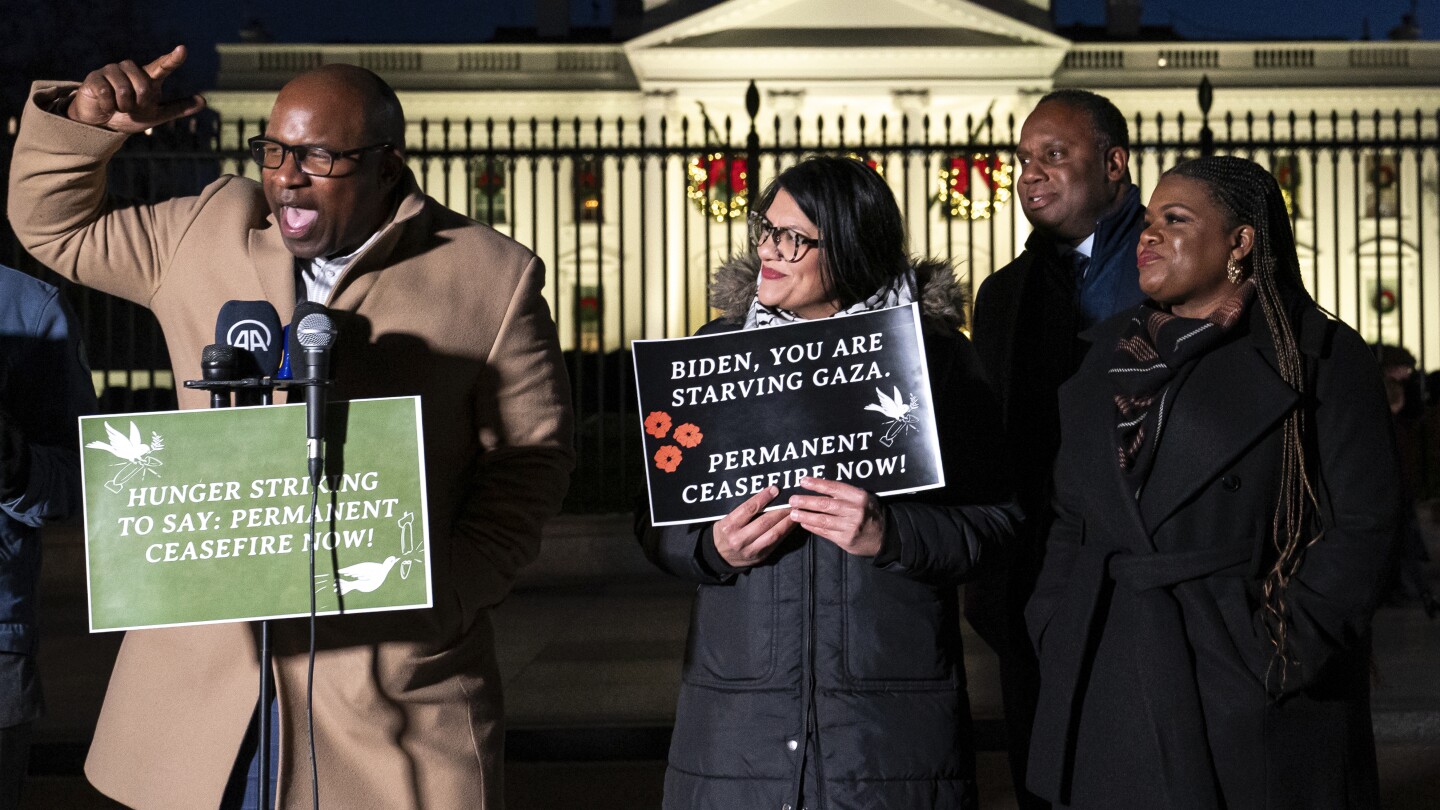
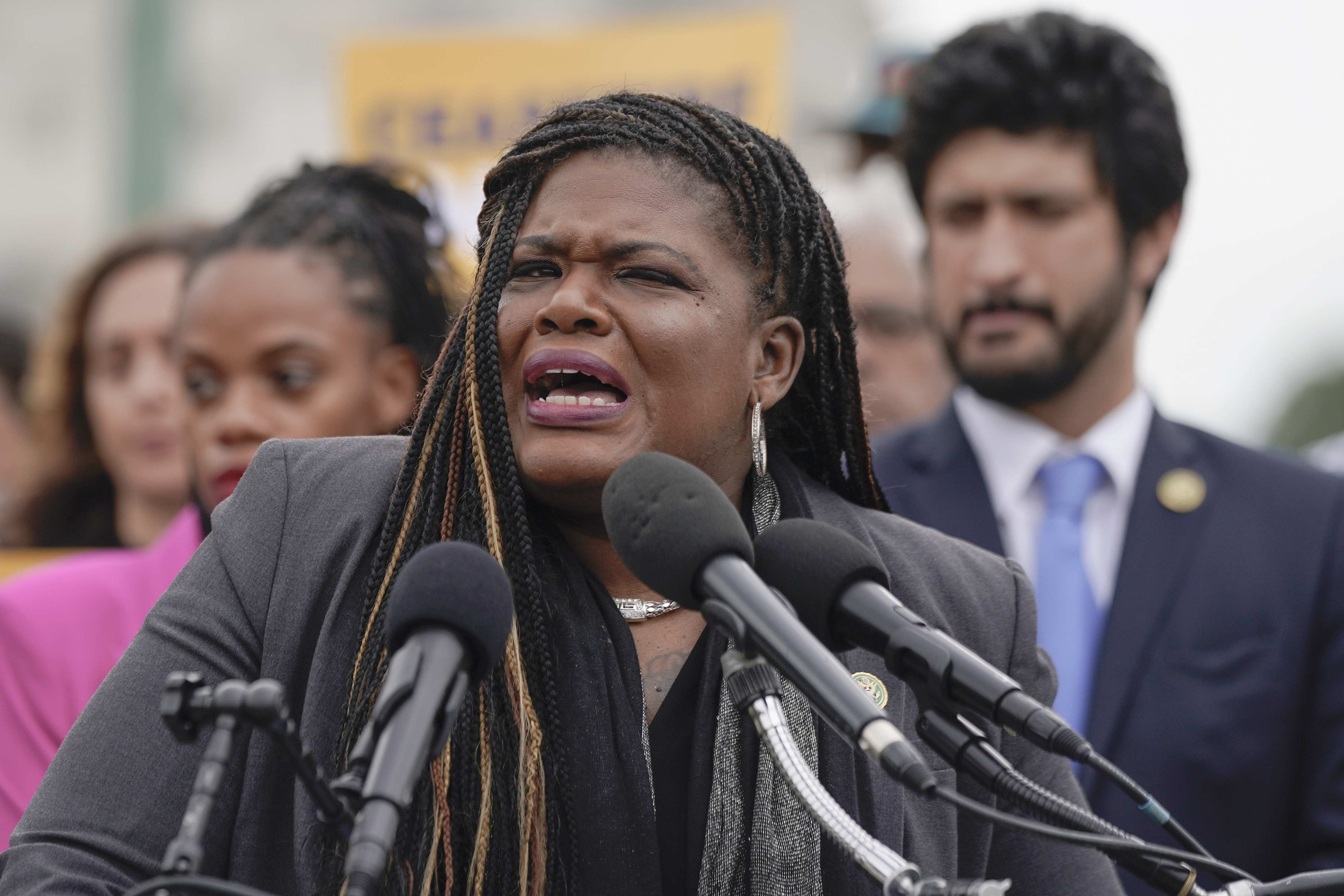
Progressive members of Congress, including the "squad," are facing record fundraising as they are targeted by pro-Israel PACs like AIPAC for their criticism of Israel's actions in Gaza. Arab American and Muslim groups are rallying behind these lawmakers, contributing to their fundraising efforts. AIPAC's significant financial backing of Democratic challengers has raised concerns about its influence on the party and the fairness of elections. The struggle raises questions about the Democratic Party's stance on Israel and the role of outside groups in determining party positions.
The House Democratic "Squad" is facing a tough crossroads as its members, including Reps. Ilhan Omar, Jamaal Bowman, Cori Bush, and Summer Lee, grapple with personal controversies, criminal investigations, and serious primary challenges. The group's aggressive fundraising reflects their awareness of the political peril they face, with concerns about outside money from groups like AIPAC. Despite the challenges, the Squad remains committed to their nonconformist, activist-inspired approach to legislating and vows to continue fighting for their constituents.
House Democratic leaders, including Hakeem Jeffries, have endorsed Rep. Summer Lee, D-Pa., despite attacks from pro-Israel lobbying groups like AIPAC. This marks a departure from the usual alignment with AIPAC, as the organization has sought to recruit challengers for progressive incumbents. AIPAC's efforts to unseat Lee and other progressive lawmakers critical of Israel have drawn criticism, and the endorsements signal a show of support for progressive Democrats facing attacks from conservative factions within the party.
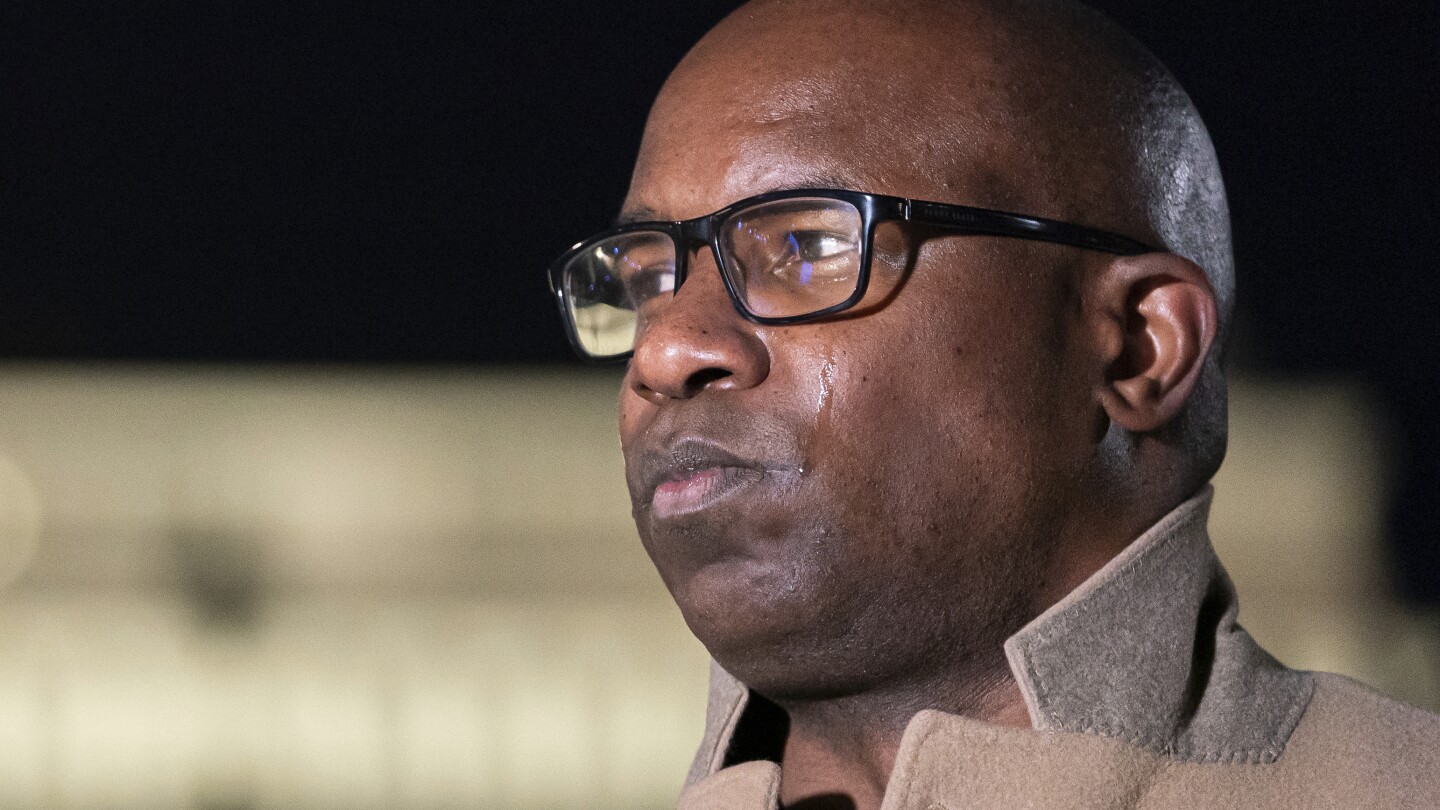
Westchester County Executive George Latimer has officially announced his campaign for the 16th Congressional District, setting up a Democratic primary challenge against incumbent Rep. Jamaal Bowman. Latimer's entry into the race poses a serious threat to Bowman, who has gained national recognition as a progressive voice. While Latimer has been courted by the American Israel Public Affairs Committee (AIPAC), he downplayed the AIPAC connection and stated that the race should not be solely focused on Israel. The primary is expected to be expensive, with AIPAC potentially spending $100 million to oust progressive congress members. The race could serve as a litmus test for moderate policies versus progressive ideology within the Democratic Party.
Hill Harper, a Democratic candidate for the U.S. Senate in Michigan, claimed on social media that he was offered $20 million to drop out of the race and challenge U.S. Rep. Rashida Tlaib in the primary, but he declined the offer. The alleged offer, if true, would signal an attempt to challenge Tlaib, a vocal critic of Israel. However, it could also potentially violate campaign finance laws. Harper is running to replace retiring Sen. Debbie Stabenow, and the presumed frontrunner in the primary is Rep. Elissa Slotkin. AIPAC, the American Israel Public Affairs Committee, denied any involvement in the matter. Tlaib has been targeted by pro-Israel groups for her criticism of Israeli military action in Gaza.
A bipartisan group of House Representatives passed a resolution affirming that the State of Israel is not a racist or apartheid state, despite protests from progressive Democrats who argue otherwise. The controversy began when Rep. Pramila Jayapal agreed with protesters at a progressive convention who called Israel a "racist state." While some Democrats condemned Jayapal's remarks, others, including Reps. Jamaal Bowman, Cori Bush, Alexandria Ocasio-Cortez, and Ilhan Omar, voted against the resolution. Meanwhile, Pervez Agwan, a progressive challenger to an AIPAC-endorsed incumbent Democrat in Houston, is taking a different approach by criticizing his opponent for accepting money from AIPAC and speaking out against Israel's treatment of Palestinians.