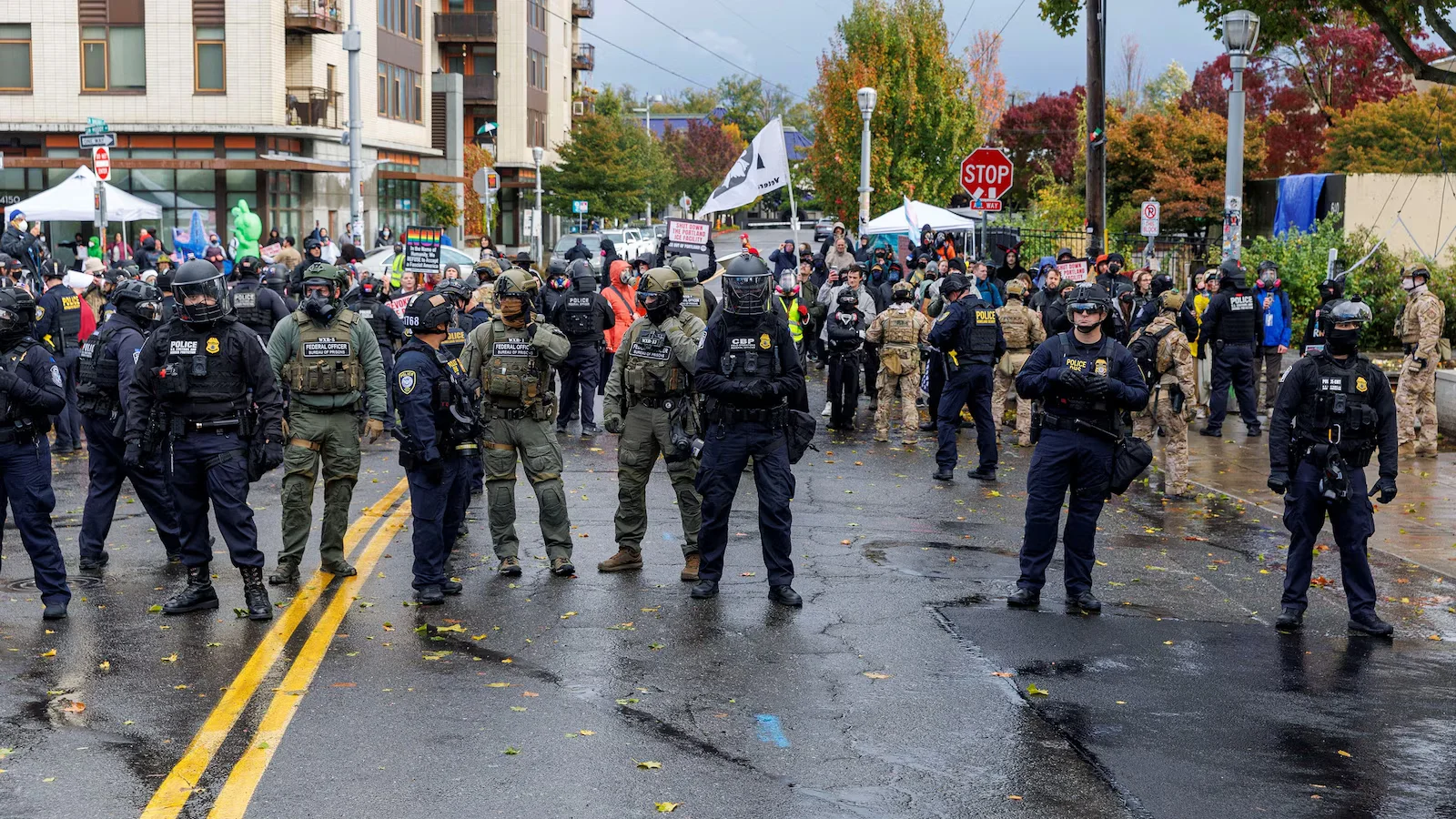
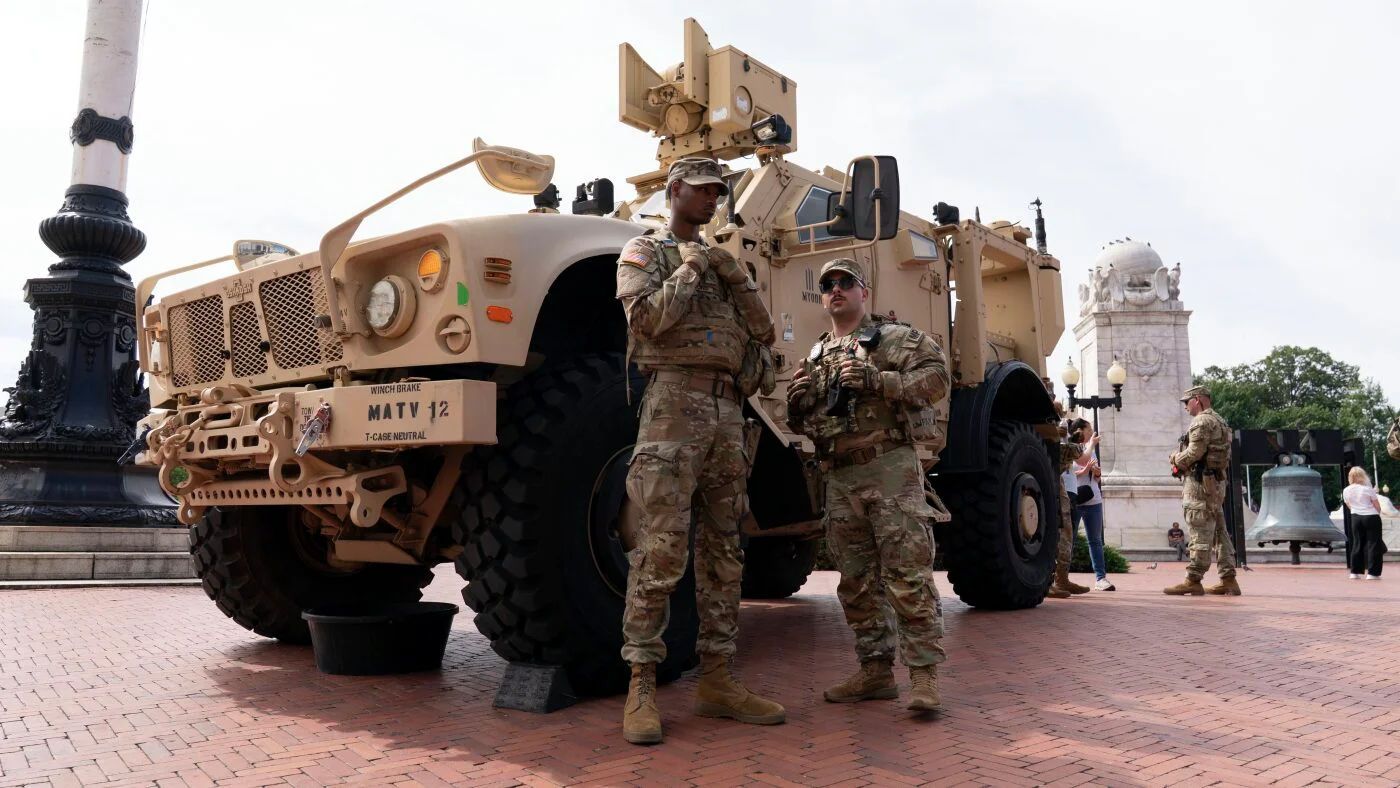
A federal judge permanently blocked President Trump from deploying the National Guard to Portland, ruling that he exceeded his authority in federalizing troops without local approval, and indicating the issue may be settled in higher courts.
President Trump has been discussing deploying the National Guard to various cities despite legal uncertainties, potentially using controversial methods like federalization or the Insurrection Act, which could lead to legal battles and Supreme Court involvement, especially if troops are sent without state consent.
USCIS has been granted expanded law enforcement powers, including arrest and investigation authority, to better enforce immigration laws and support national security efforts, with new special agents being recruited and trained for these roles.
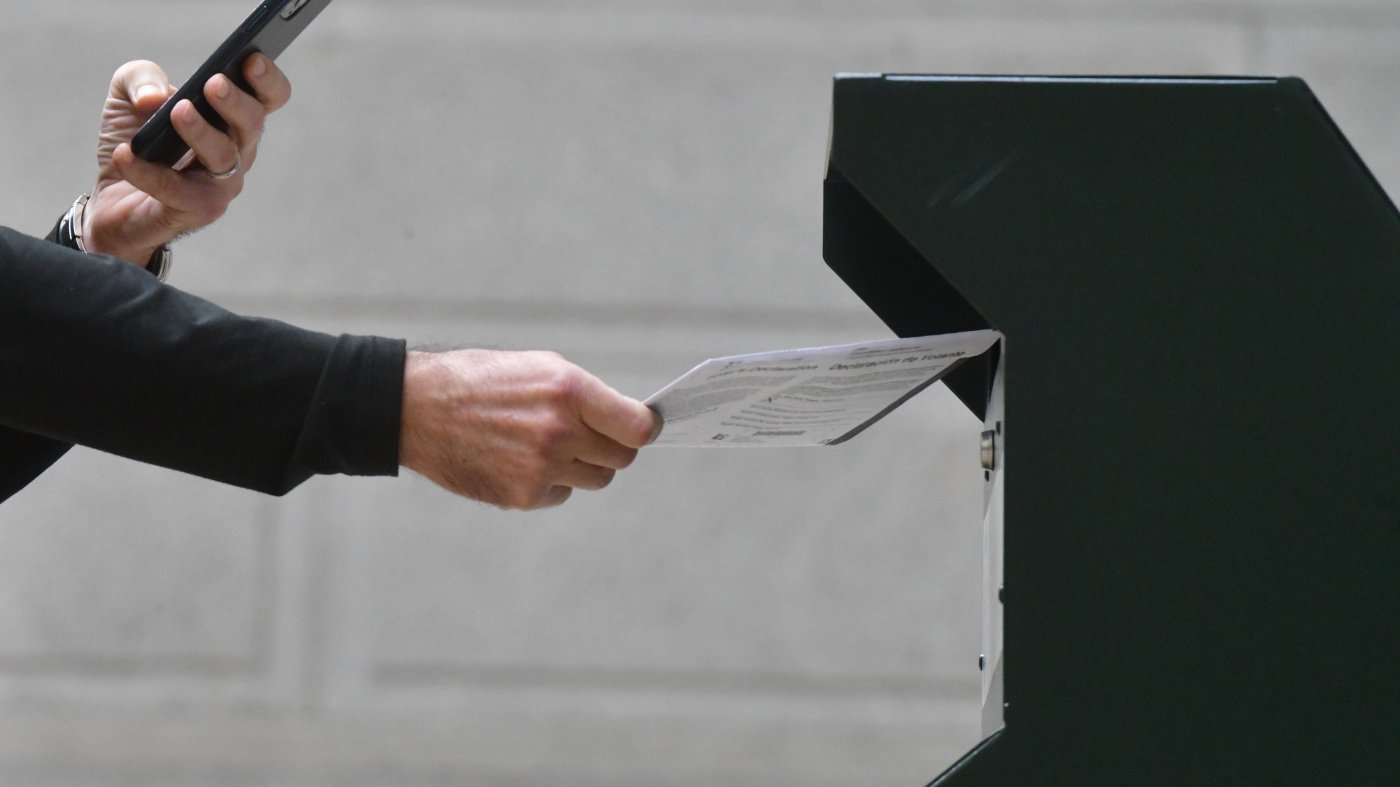
President Trump announced plans to use an executive order to eliminate mail-in ballots and certain voting machines, claiming they are unreliable and corrupt, but legal experts say he lacks the authority to do so without Congress, and such efforts could face significant legal and logistical challenges, potentially aiming to undermine confidence in upcoming elections.
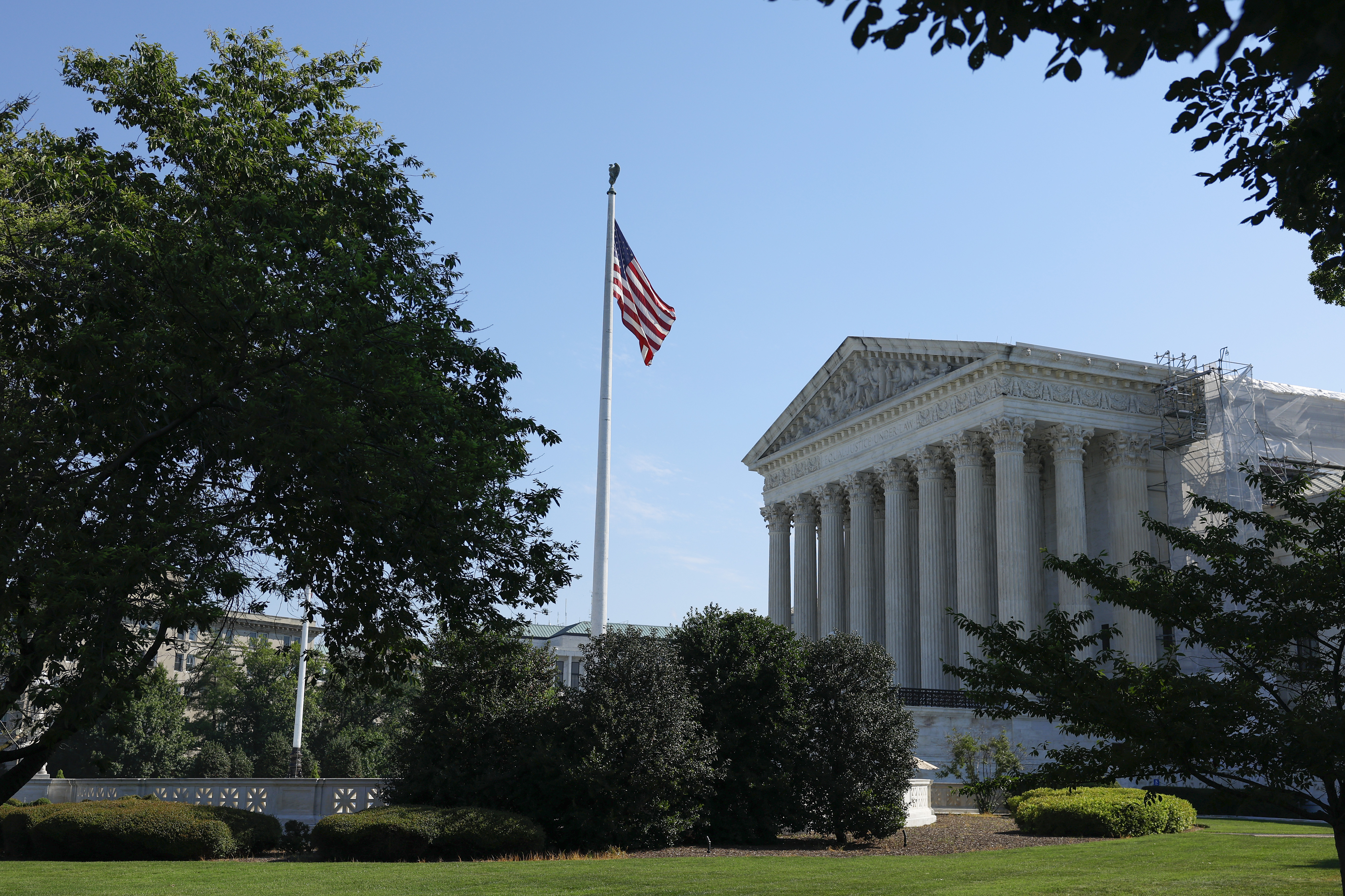
The U.S. Supreme Court declined to lift the hold on Florida's strict immigration law, which has faced legal challenges for conflicting with federal immigration laws and raising concerns about federal authority over immigration enforcement.
The U.S. Supreme Court declined to lift a block on Florida's controversial law criminalizing illegal immigration entry, affirming that it likely conflicts with federal immigration authority, with ongoing legal challenges and significant political implications.
The Supreme Court upheld the constitutionality of the ACA's preventive services mandate and the U.S. Preventive Services Task Force, emphasizing the Secretary of HHS's authority to appoint and remove members, which could influence future health policy decisions. The ruling also signals potential shifts in legal challenges focusing on the evidence behind federal health recommendations, amid ongoing debates over executive power and health policy implementation.
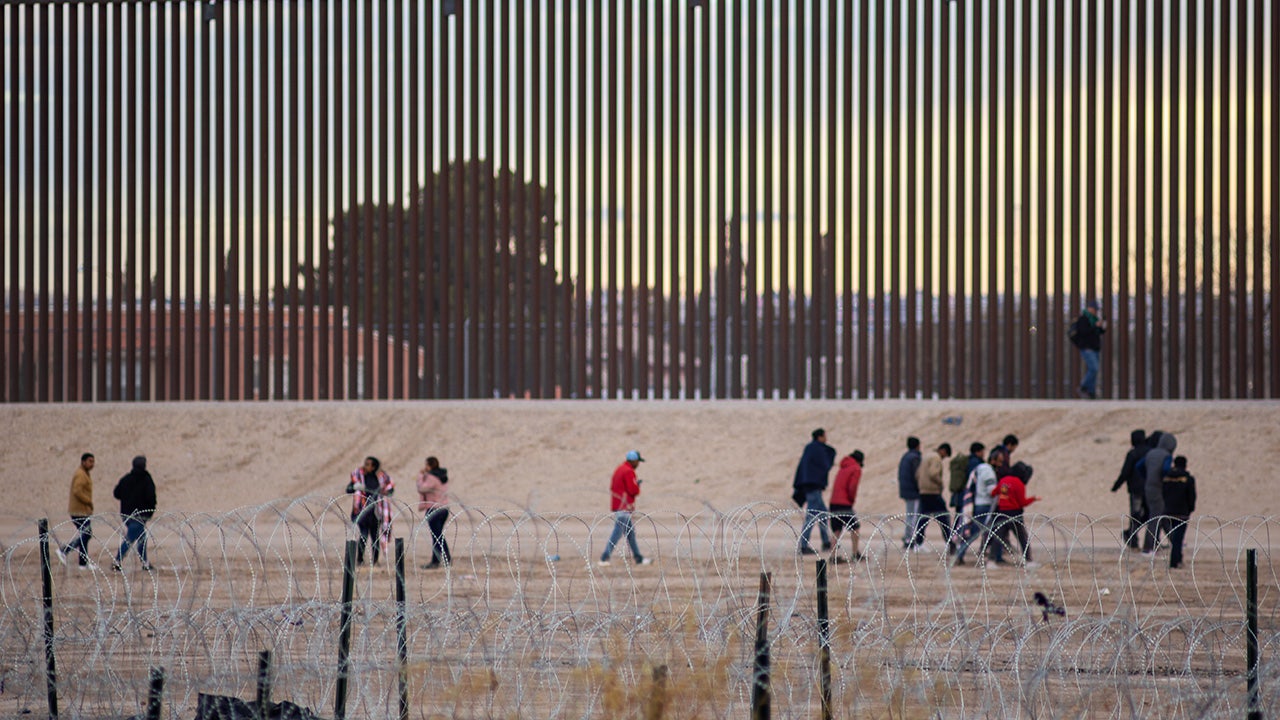
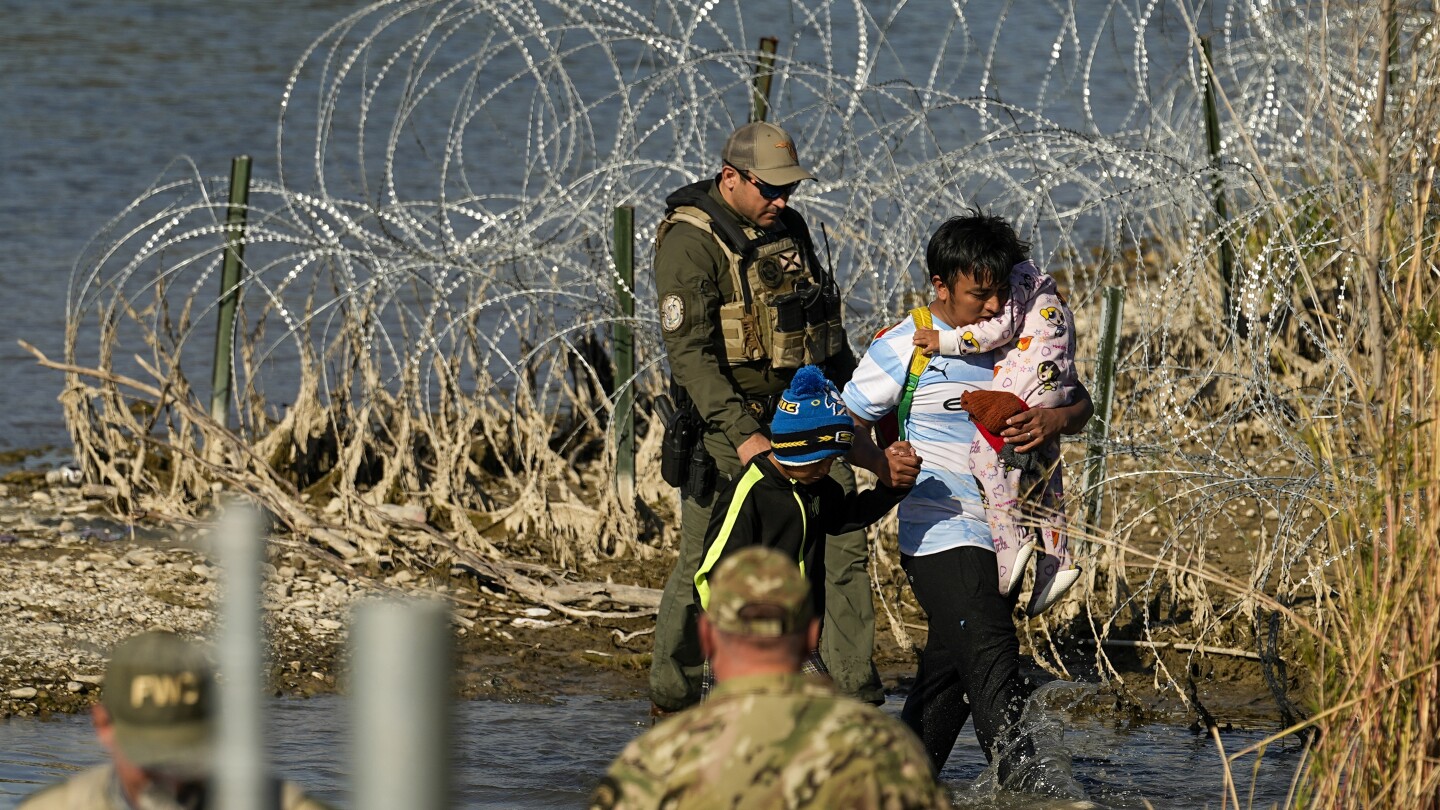
The Fifth Circuit Court of Appeals has upheld its block on a controversial Texas immigration law, Senate Bill 4, which would allow law enforcement to arrest suspected illegal immigrants and enable state judges to deport them. The court ruled 2-1, stating that such jurisdiction belongs to the federal government. Texas has argued that the law mirrors U.S. immigration enforcement, while the Justice Department contends it violates federal authority and would create chaos at the border.
The Supreme Court has extended the block on a Texas law that would grant police the authority to arrest migrants suspected of illegally entering the U.S., as the legal battle over immigration authority continues. The law, known as Senate Bill 4, has been temporarily halted by Justice Samuel Alito, with the court likely to take further action in the future. The Biden administration has sued to strike down the law, arguing that it violates federal immigration authority and could lead to civil rights violations and racial profiling. This legal dispute is part of a broader conflict between Texas officials and the Biden administration over border patrol and immigration enforcement.