Tag

Magellanic Clouds

All articles tagged with #magellanic clouds

science-and-technology1 year ago

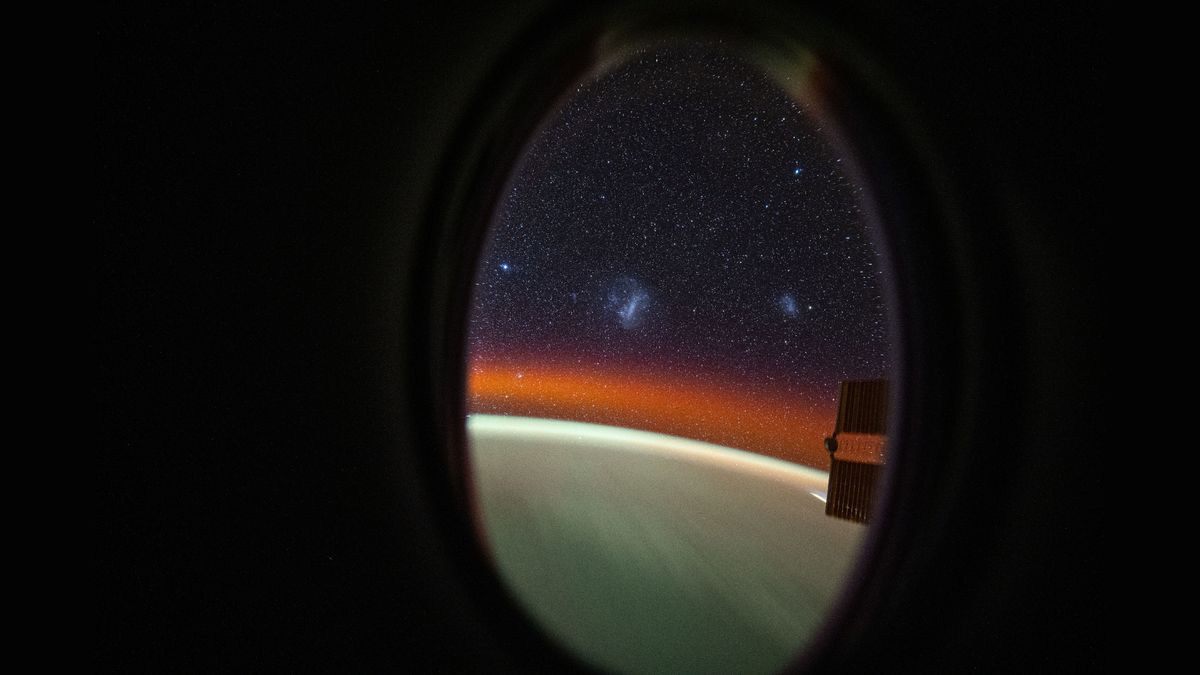
Astronaut Captures Stunning Image of Nearby Galaxies from SpaceX Capsule

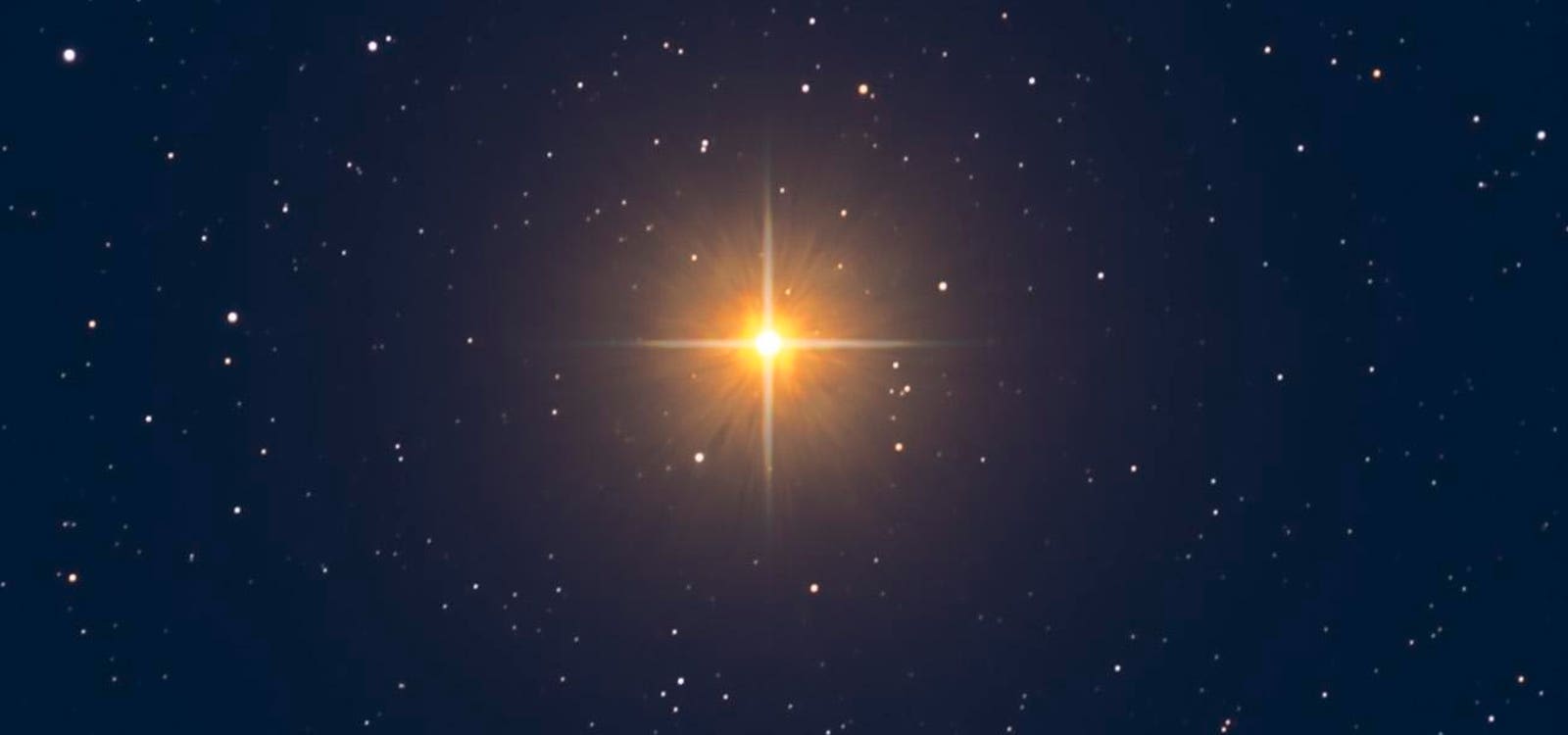
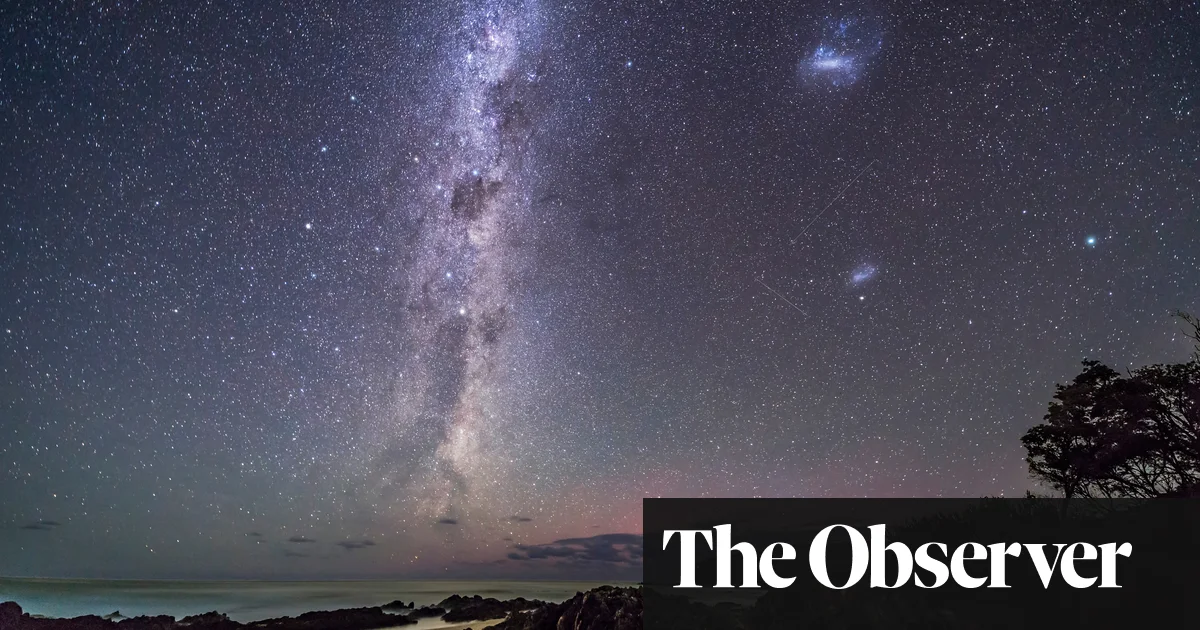
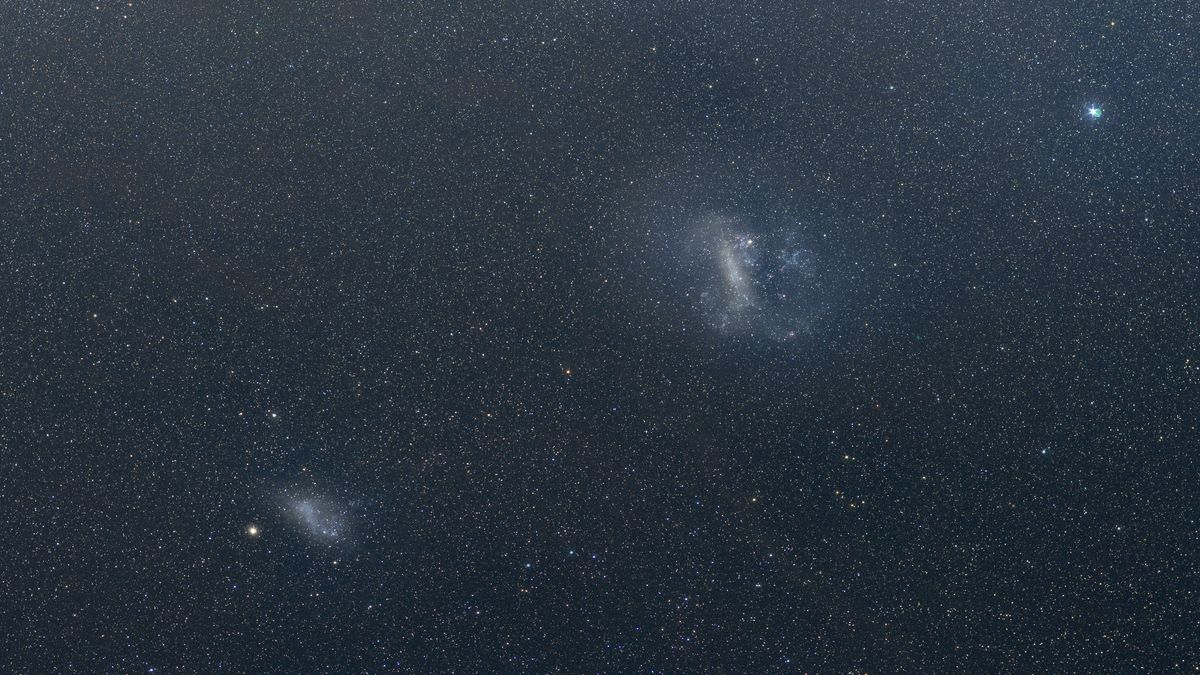
NASA astronaut Don Pettit captured a stunning long-exposure image of the Large and Small Magellanic Clouds from a SpaceX Dragon crew spacecraft. These two dwarf satellite galaxies of the Milky Way are visible only from the Southern Hemisphere or space. The photo, shared by NASA, highlights the unique perspective astronauts have from the International Space Station. Pettit, at 69, is NASA's oldest active astronaut and took the image during his fourth spaceflight. The Magellanic Clouds are known for their irregular shapes and contain billions of stars, including the notable WOH G64 star.
astronomy1 year ago

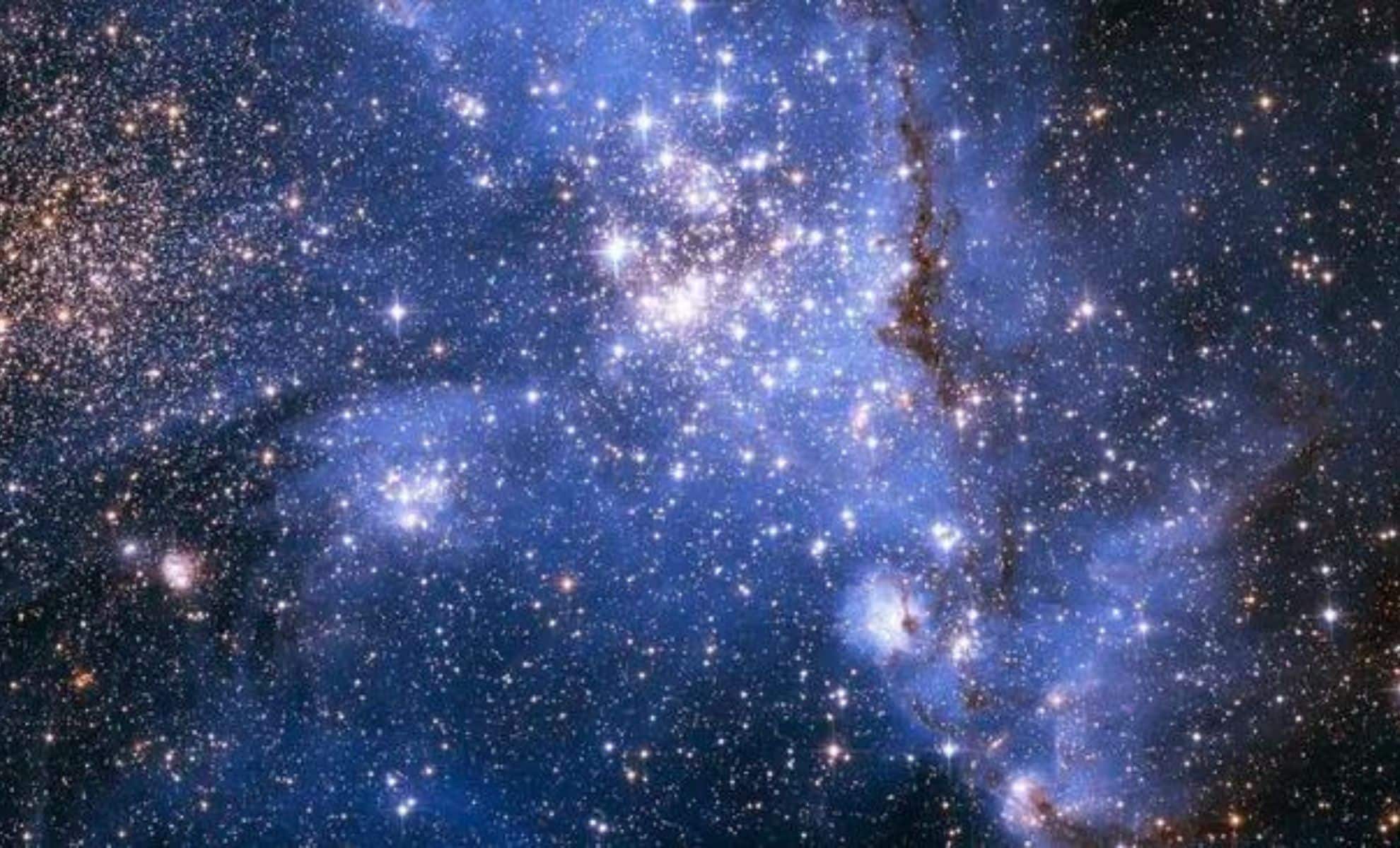
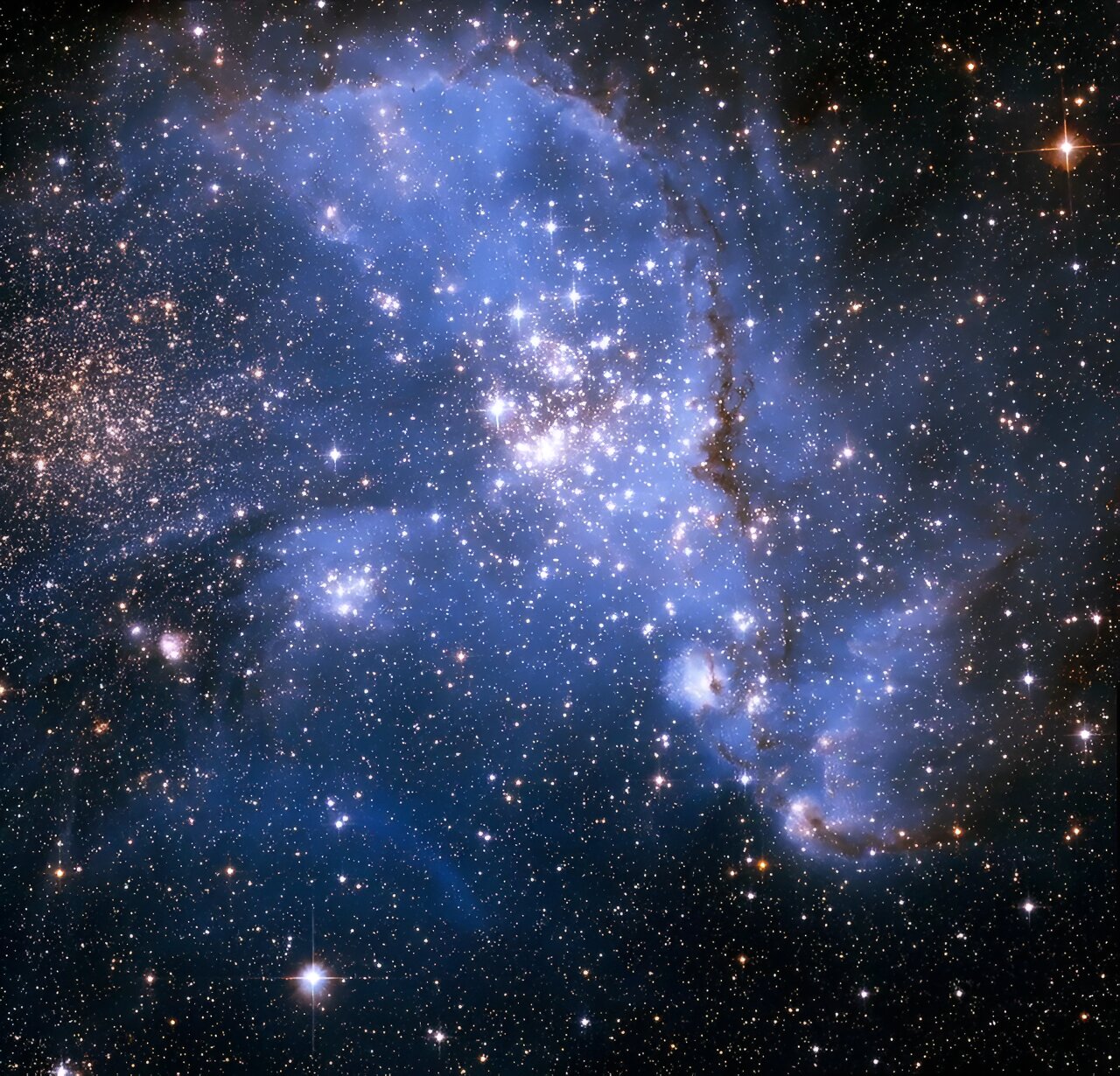
First Discovery of Massive Magnetic Stars Beyond the Milky Way

Astronomers have discovered magnetic stars beyond the Milky Way for the first time, located in the Magellanic Clouds. This breakthrough, achieved using advanced telescopic technologies, provides new insights into stellar magnetism and its impact on star formation and evolution in different galactic environments. The discovery enhances our understanding of cosmic magnetism and suggests that such stars might be more common in the universe than previously thought.

astronomy1 year ago

"Magnetic Massive Stars Spotted Beyond Our Galaxy for the First Time"

For the first time, magnetic fields have been detected in three massive, hot stars in the Large and Small Magellanic Clouds, providing a unique opportunity to study star formation and evolution in galaxies with young stellar populations. This discovery, achieved using the FORS2 spectropolarimeter on the Very Large Telescope, offers crucial insights into the role of magnetic fields in the early universe and the formation of neutron stars and black holes.

astronomy2 years ago

Betelgeuse's Rare 'Ring of Fire' Eclipse and Meteor Shower Spectacle

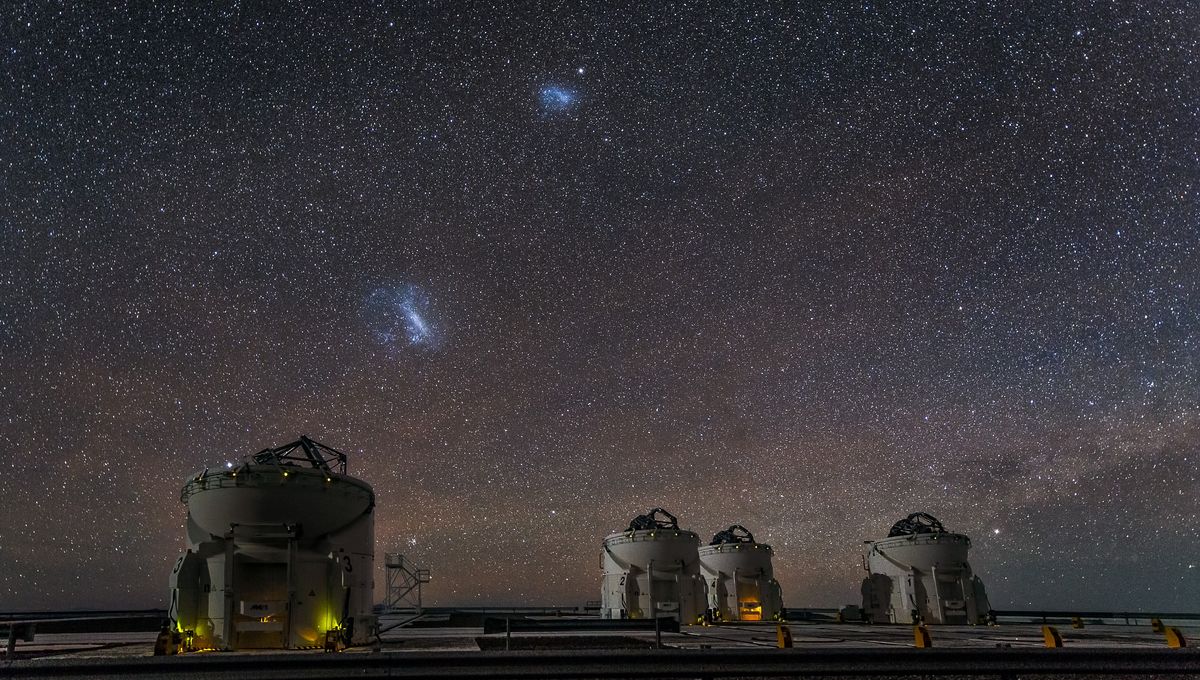
This week in the night sky, there will be a rare eclipse of the star Betelgeuse, where it will be occulted by an asteroid, creating a "ring of fire" annular eclipse. The Geminid meteor shower will also peak, with up to 150 multicolored meteors visible from the northern hemisphere. Additionally, Mercury will appear to go into retrograde motion, and the Magellanic Clouds will be visible from the southern hemisphere.

science-and-astronomy2 years ago

Unveiling the Hidden Stars in the Mysterious Gas River of the Milky Way

Astronomers have discovered stars within the Magellanic Stream, a river of hydrogen gas flowing from the Large and Small Magellanic Clouds to the Milky Way. Using the Magellan Baade Telescope and data from the Gaia space telescope, researchers identified 200 stars in the far reaches of the Milky Way that matched the chemical composition of the Magellanic Clouds. The discovery will provide insights into the evolution of the Magellanic Stream and its interaction with the Milky Way, as well as help estimate the mass distribution of the entire galaxy.

astronomy2 years ago

First-ever sighting of distant stars in the Magellanic Stream

Astronomers have discovered 13 stars within the Magellanic Stream, a vast ribbon of gas trailing behind the Magellanic Cloud galaxies, which are neighboring galaxies of the Milky Way. The discovery provides valuable insights into the distance, motion, and chemical makeup of the stream, extending its range from 150,000 to over 400,000 light-years away. This finding will enable researchers to map and model the Magellanic Stream in unprecedented detail, shedding light on the formation and interactions of the stream and the Magellanic Clouds with our galaxy.

astronomy2 years ago

"Astronomers Call for Removal of 'Violent Colonialist' Magellan from Night Sky"

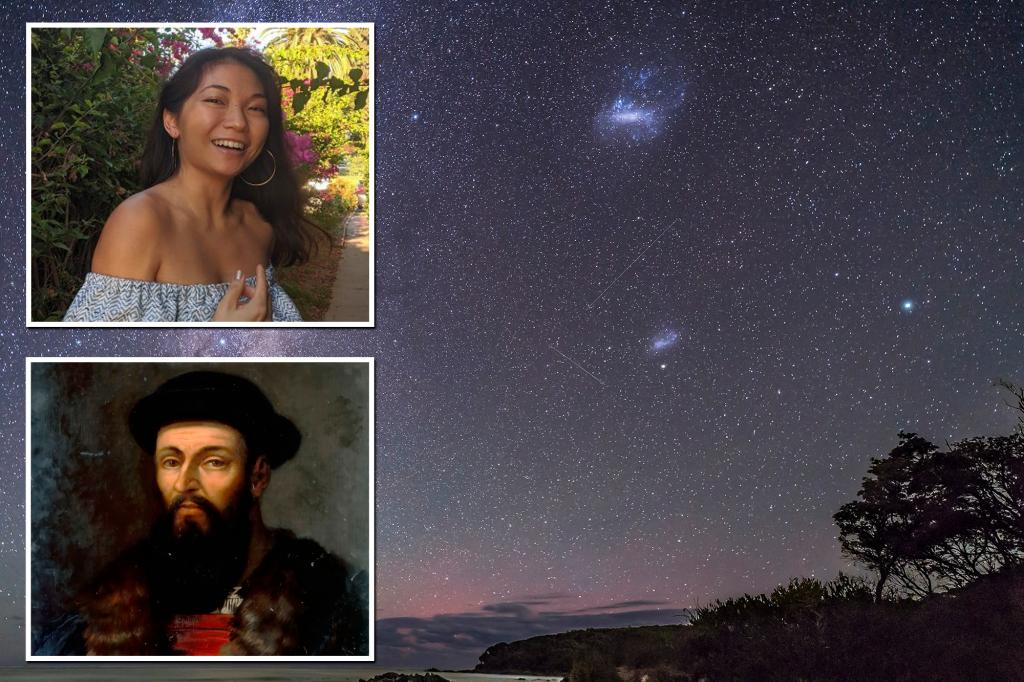
Astronomers are calling for the renaming of the Large and Small Magellanic Clouds, two satellite galaxies of the Milky Way, due to the violent colonialist legacy of Ferdinand Magellan, the 16th-century explorer they are currently named after. Magellan's actions, including murder and enslavement, have led astronomers to argue that his name should no longer be associated with these celestial objects. Indigenous peoples had their own names for the clouds, and it was not until the late 19th century that they were named after Magellan. This call for change reflects a broader movement to rename scientific objects and species with objectionable names.

astronomy2 years ago

Astronomers Call for Renaming Magellanic Clouds to Address Colonialist Legacy

Astronomers are advocating for the renaming of the Large Magellanic Cloud and Small Magellanic Cloud, arguing that the Portuguese explorer Ferdinand Magellan, after whom they are named, had a violent colonialist legacy and no connection to their discovery. The push for a name change is led by Dr. Mia de los Reyes, who argues that indigenous peoples had names for these galaxies that predate Magellan. Many astronomers support the renaming, as Magellan did not discover the galaxies. The proposal will be brought before the International Astronomical Union for a vote.

science-and-astronomy2 years ago

Astronomers Call for Renaming the Magellanic Clouds

Astronomers are calling for the renaming of the Large Magellanic Cloud (LMC) and Small Magellanic Cloud (SMC), two satellite galaxies near the Milky Way, as they are currently named after Ferdinand Magellan, a Portuguese explorer known for his violent actions against indigenous people. The coalition argues that Magellan was not an astronomer and was not the first to identify these clouds. They propose renaming the galaxies to reflect current societal values or to use non-personal names, such as Nubecula Major and Nubecula Minor. The group plans to push for a resolution with the International Astronomical Union.

astronomy2 years ago

Celestial Spectacles: Halley's Comet, Solar Eclipse, and Annular Eclipse Illuminate the Night Sky

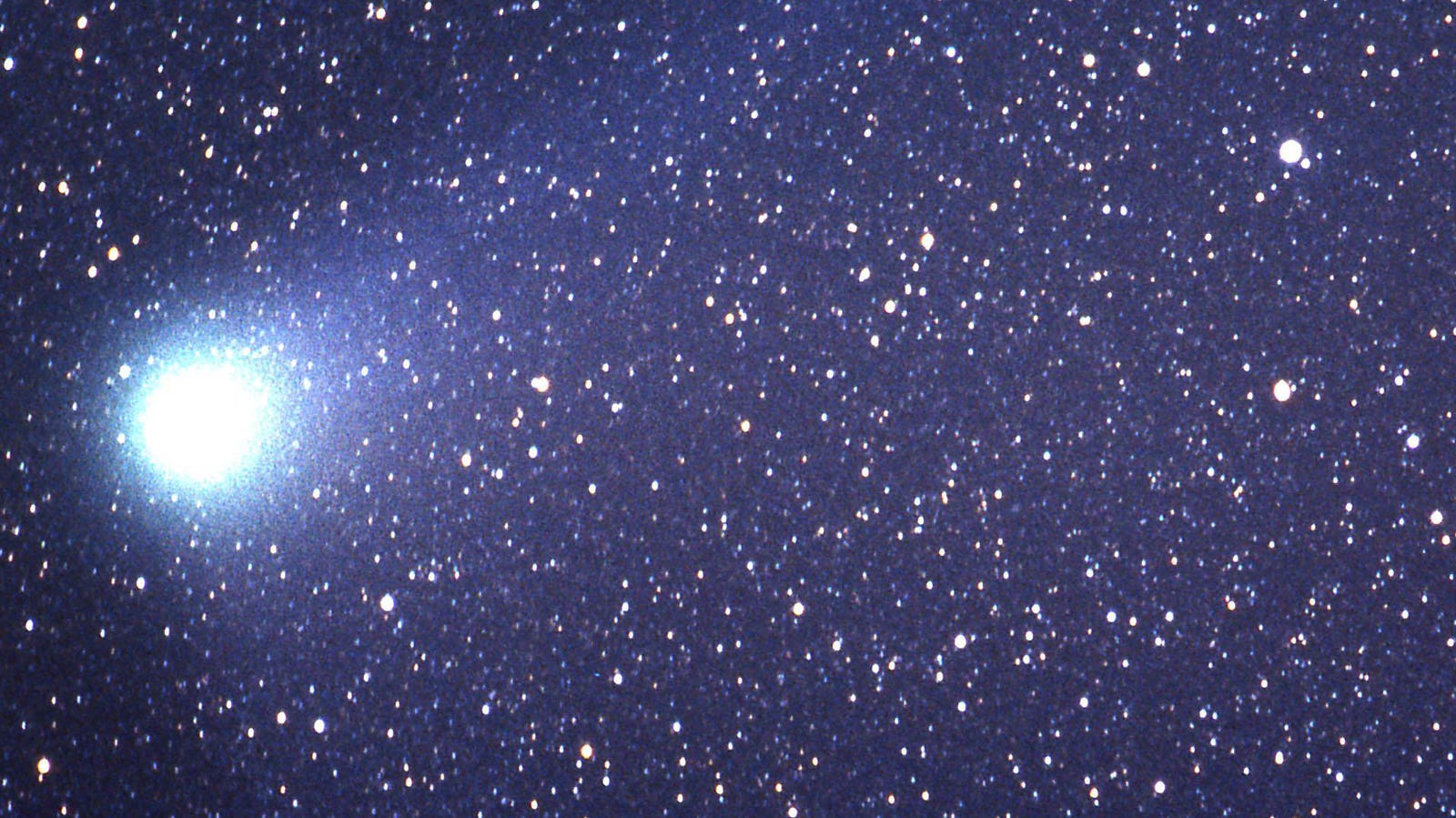
This week's night sky offers several celestial highlights, including a slim crescent moon, the Orionid meteor shower caused by Halley's comet, and the opportunity to see the Magellanic Clouds in the southern hemisphere. Stargazers can spot the crescent moon approaching Antares, the brightest star in Scorpius, and witness "Earthshine" on the moon. The Orionid meteor shower will peak on Saturday, with the potential to see 10-20 shooting stars per hour. Additionally, the dwarf planet Eris reaches opposition, and the Magellanic Clouds provide a stunning sight for those in the southern hemisphere.

astronomy2 years ago

Astronomers Call for Renaming the Magellanic Clouds

Astronomers are calling for the renaming of the Large and Small Magellanic Clouds, two dwarf galaxies named after the Portuguese explorer Ferdinand Magellan. The astronomers argue that Magellan's history of colonization, slavery, and murder makes it inappropriate to honor him in this way. They point out that the scientific community has a precedent for renaming celestial objects when names become insensitive or problematic. Renaming the Magellanic Clouds would acknowledge the contributions of Indigenous communities who observed them long before Magellan. The push for renaming is supported by many astronomers, but there is opposition from a vocal minority of the general public.

astronomy2 years ago

"Rebranding the Magellanic Clouds: Astronomers Seek New Names"

A coalition of astronomers is calling for the renaming of the Magellanic Clouds, the two brightest satellite galaxies of the Milky Way, along with other astronomical objects and facilities that bear the name of Portuguese explorer Ferdinand Magellan. The astronomers argue that Magellan's legacy of colonialism, slavery, and violence against Indigenous peoples should not be honored in the field of astronomy, and that the names of these objects should reflect community values and ideals. They hope that the International Astronomical Union and other astronomical institutions will reconsider the use of Magellan's name.

astronomy2 years ago

Discovery of Ancient, Dim, and Metal-Deficient Star Cluster

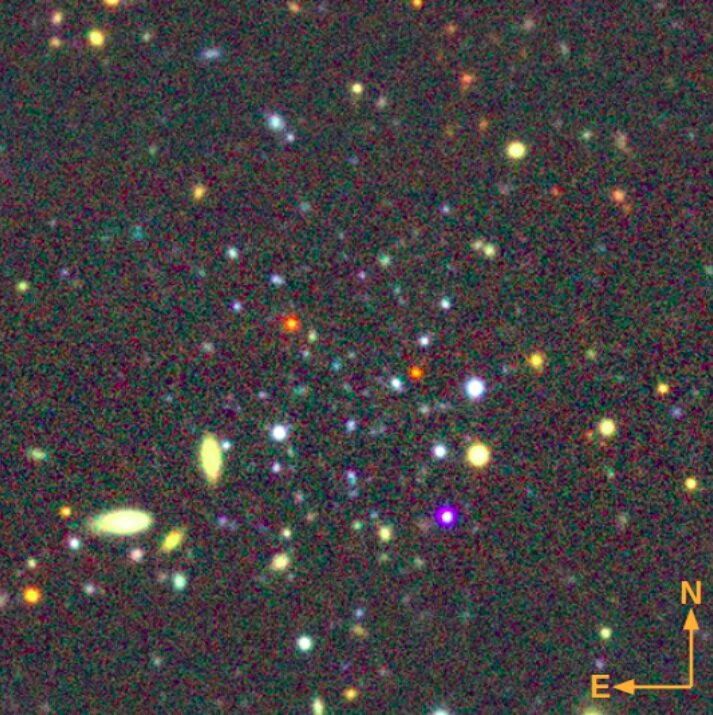
Astronomers have discovered a new star cluster, DELVE 6, which is ultra-faint, metal-poor, and estimated to be about 9 billion years old. It is located in the outskirts of the Magellanic Clouds, beyond the tidal radius of the Large Magellanic Cloud due to the Milky Way and the tidal radius of the Small Magellanic Cloud due to the Large Magellanic Cloud. DELVE 6 may be only the second or third ancient star cluster associated with the Small Magellanic Cloud or one of fewer than two dozen ancient clusters associated with the Large Magellanic Cloud.