Recent research has linked ancient viral DNA sequences, known as human endogenous retroviruses (Hervs), in the human genome to susceptibility to psychiatric disorders such as schizophrenia, bipolar disorder, and major depressive disorder. These Hervs, once considered "junk DNA," are now understood to regulate gene expression and may play significant roles in brain function and mental health. The study profiled Herv expression in nearly 800 brain samples and found associations between specific Hervs and psychiatric conditions, suggesting a more critical role for these viral remnants in the brain than previously thought.
Researchers have discovered a potential link between "endogenous retroviruses" present in the human genome and the development of neurodegenerative diseases. These ancient viral remnants, such as HERV-W and HERV-K, were found to aid in the transport of tau aggregates, protein clumps associated with diseases like Alzheimer's. While these retroviruses don't trigger neurodegeneration, they may exacerbate the disease process. This discovery offers new potential therapeutic avenues, such as suppressing gene expression or neutralizing viral proteins with antibodies.
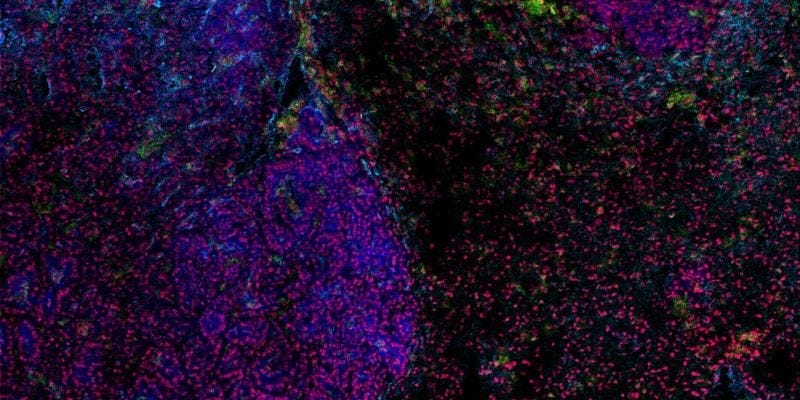
Scientists have found that endogenous retroviruses, remnants of ancient viruses that remain in human DNA, can be awoken in cancer tissue and evoke an immune response from B cells, which can help fight lung cancer. This discovery puts scientists closer to creating more effective treatments for lung cancer, including a cancer treatment vaccine made up of activated ERV genes to boost antibody production at the site of the patient's cancer and improve the outcome of immunotherapy treatment. Lung cancer is the second most common cancer in both men and women in the United States.
A recent study posted to the bioRxiv preprint server suggests that transposable elements (TEs) play a crucial role in the host's response to COVID-19 and the development of illness. The study findings showed the differential expression and activation of distinct mobile genetic elements in response to SARS-CoV-2 infection. Specifically, the team identified and validated the infection-induced upregulation of the LTR69 subfamily of endogenous retroviruses. LTR69-Dup69 was also found to possess enhancer activity and exhibit sensitivity to the transcription factors IRF3 and p65/RelA.