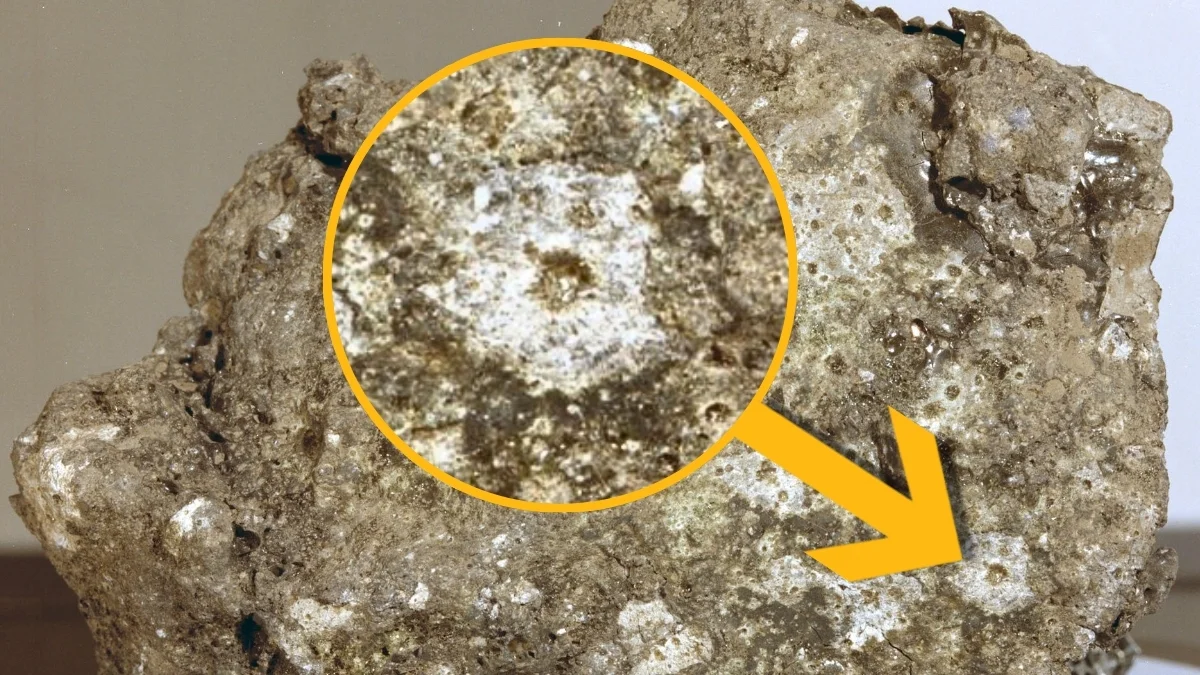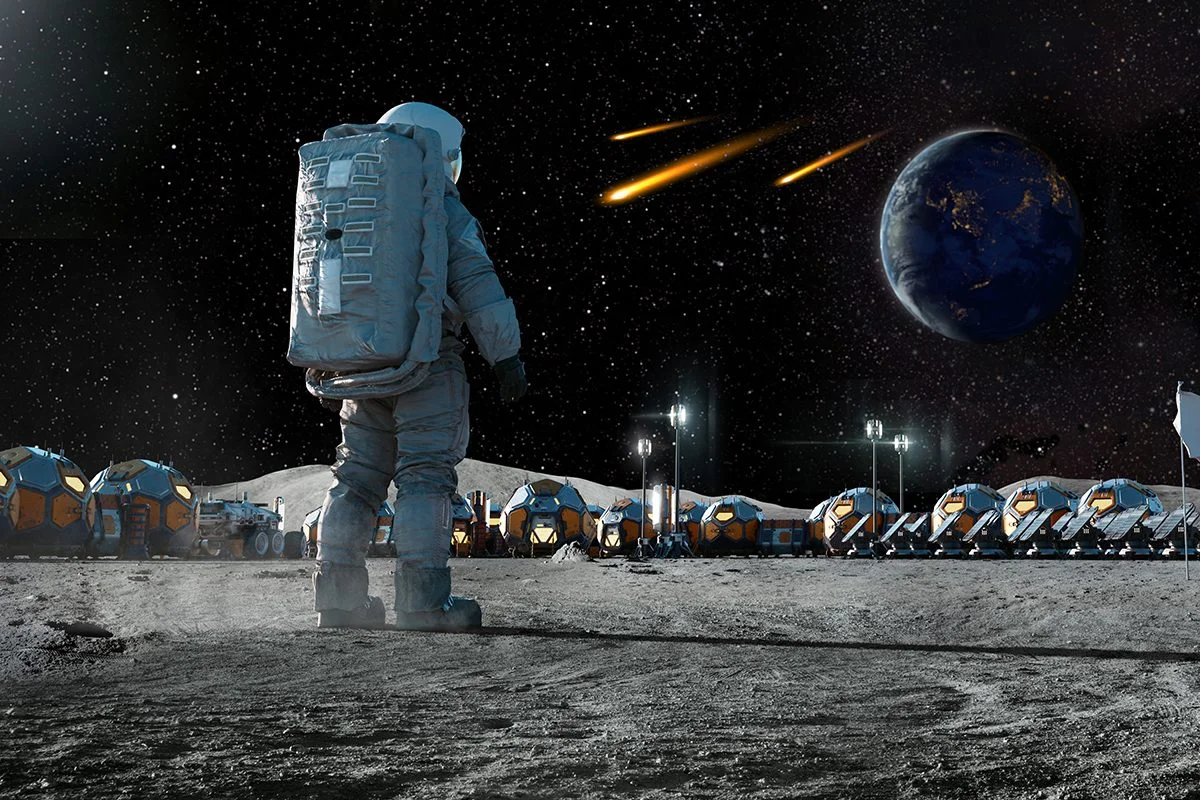
A new NASA-led analysis highlights the significant impact threat posed by micrometeoroids to future lunar bases, with up to 23,000 impacts annually, especially near the lunar equator, emphasizing the need for effective shielding and strategic site selection for Artemis missions.
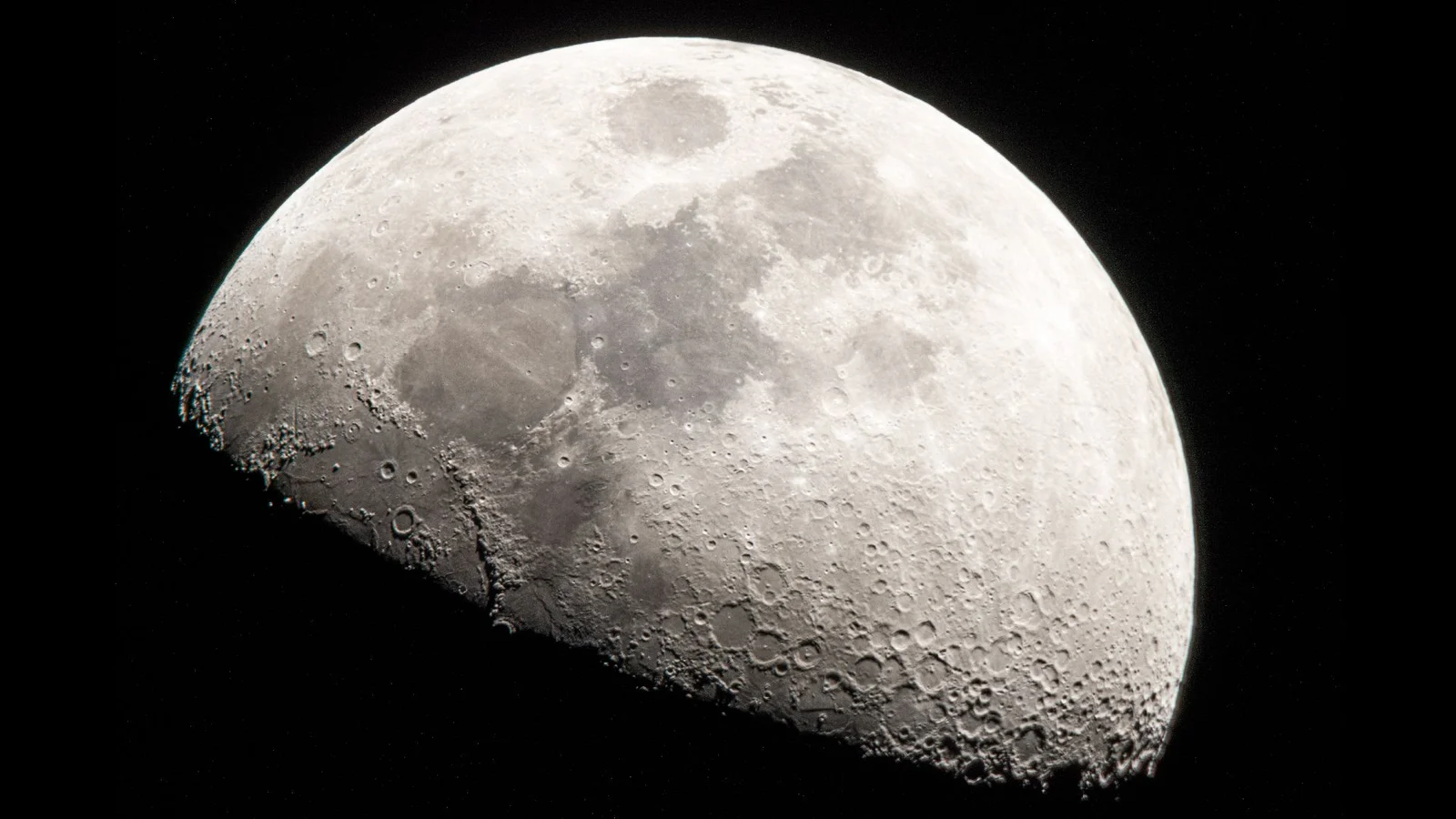
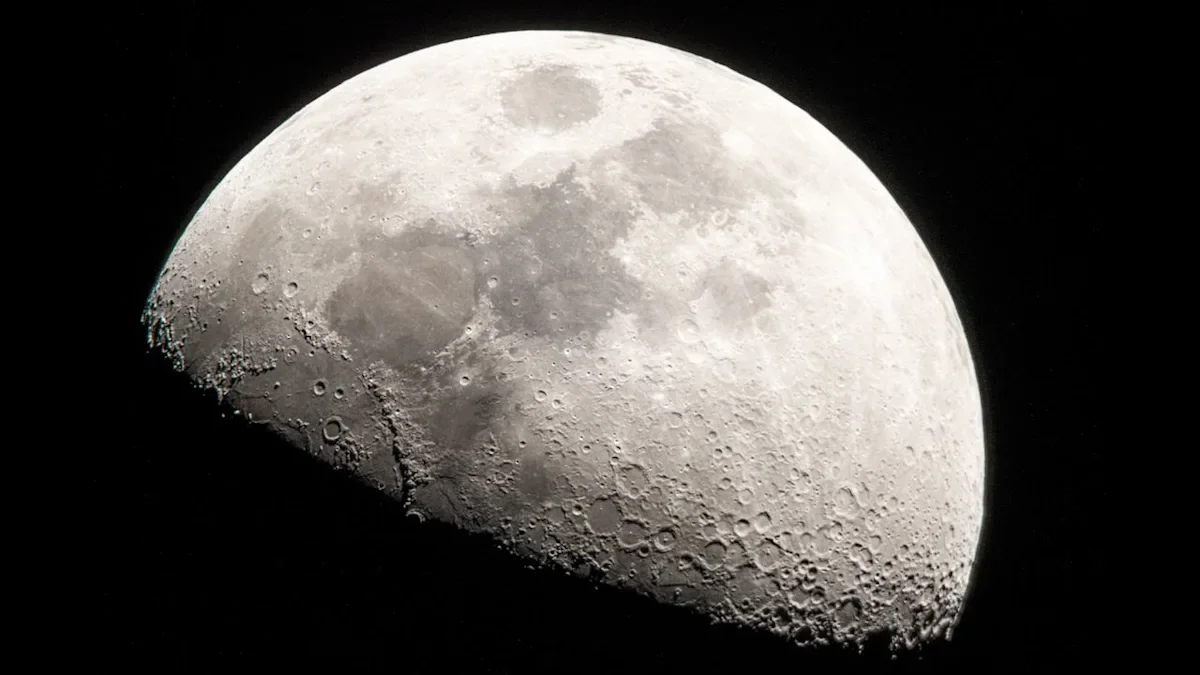
Scientists have explained the lopsided dust cloud following Earth's moon as a result of micrometeoroid impacts influenced by the moon's temperature differences between day and night, with hotter daytime impacts lifting more dust and creating an asymmetrical cloud.
Scientists have explained the asymmetrical dust cloud around Earth's moon as a result of temperature differences between the moon's day and night sides, which affect how meteoroids lift lunar dust, with hotter daytime impacts creating more lofted dust and explaining the cloud's skewed shape.
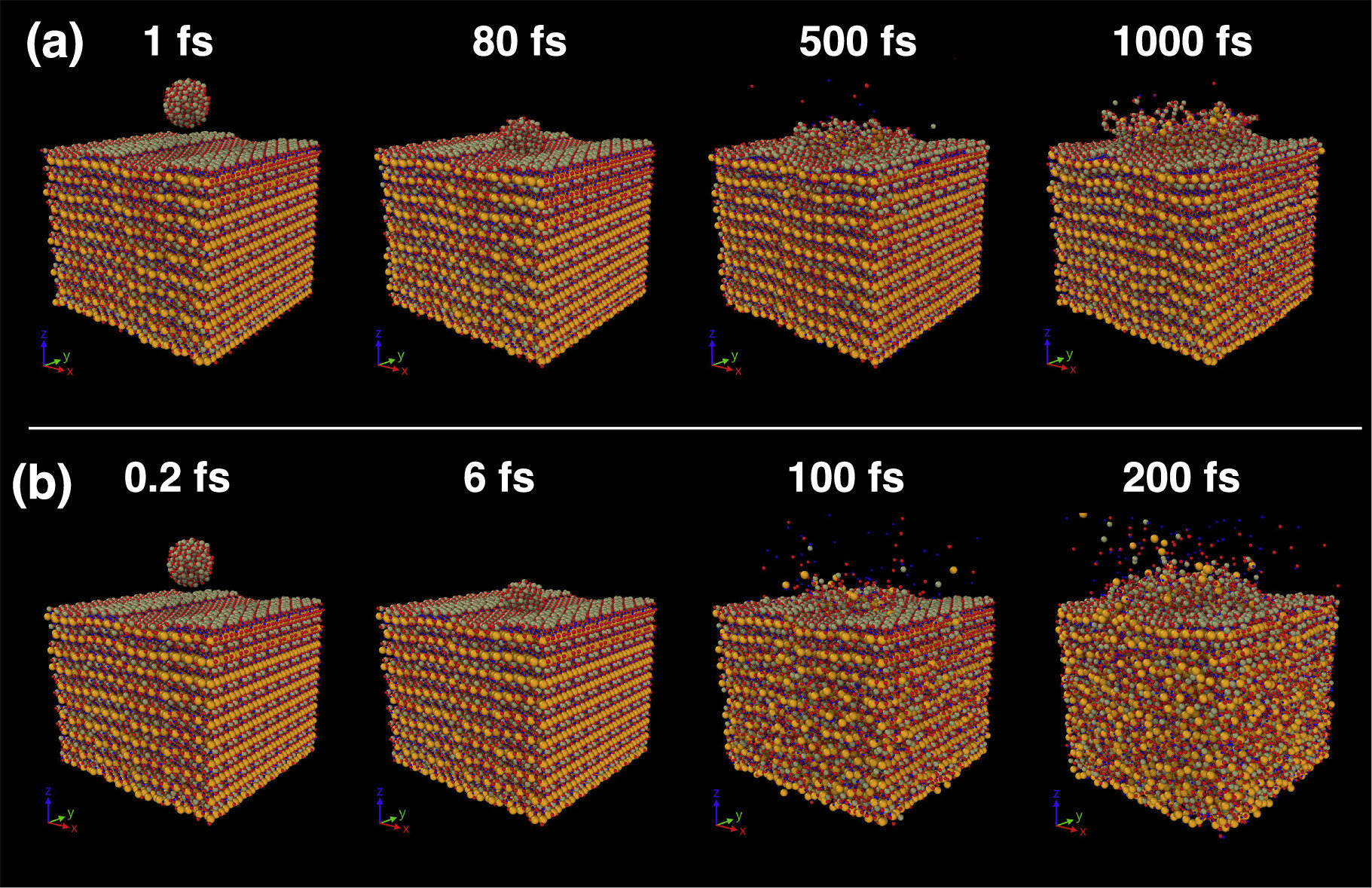
Research on samples from the Ryugu asteroid, collected by JAXA's Hayabusa2 mission, reveals that even microscopic meteoroids can cause significant damage. These tiny particles, accelerated by solar wind, break oxygen-hydrogen bonds in minerals like serpentine, leading to dehydration. Simulations show that impacts at high velocities can break thousands of bonds, although some atoms may recombine to form water, partially offsetting the damage. The study highlights the role of kinetic energy in chemical reactions on asteroids.
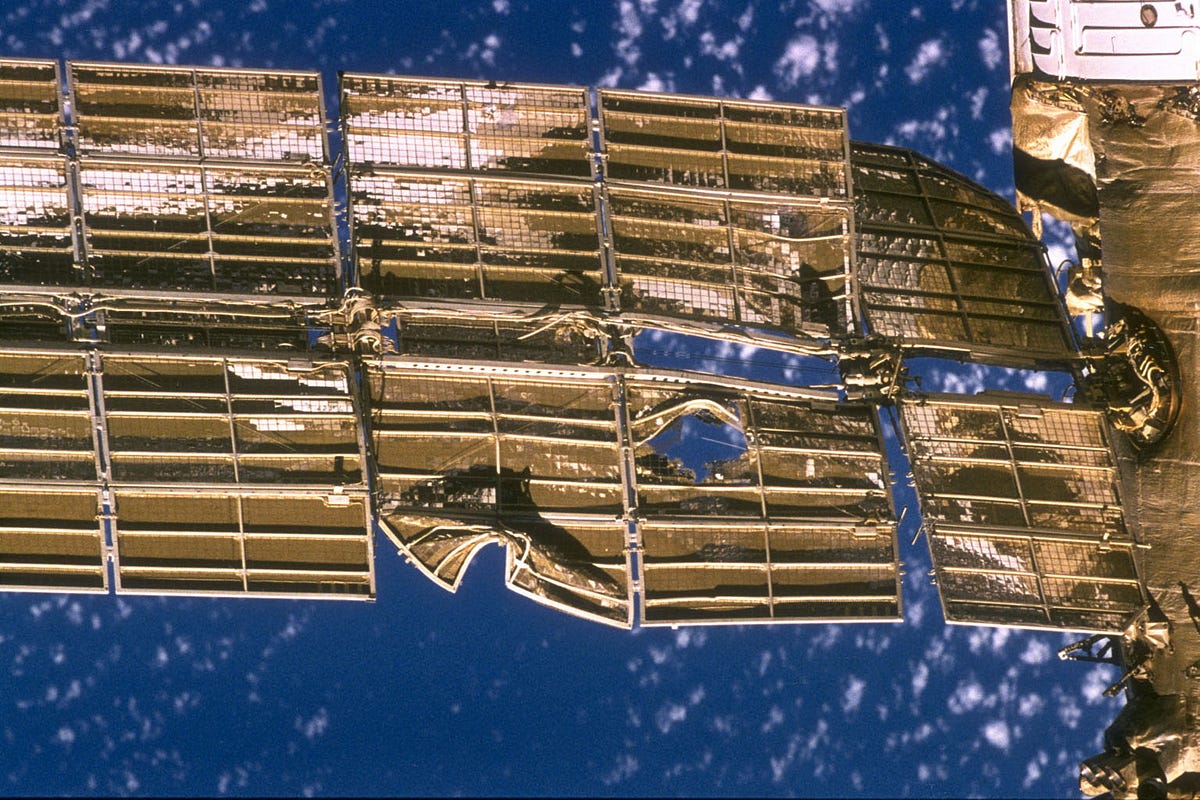
Research on micrometeoroids suggests that a proposed sunshade to protect Earth's climate from rising temperatures may be perforated by space debris, posing a potential threat to the planet. The initiative, which involves positioning a giant sunshade at the Lagrange Point L1 between Earth and the Sun, faces engineering challenges and potential risks from impacts by micrometeoroids and dust. The author, Avi Loeb, emphasizes the importance of considering the threat from impactors in any space infrastructure, highlighting the potential vulnerability of a thin film in space.