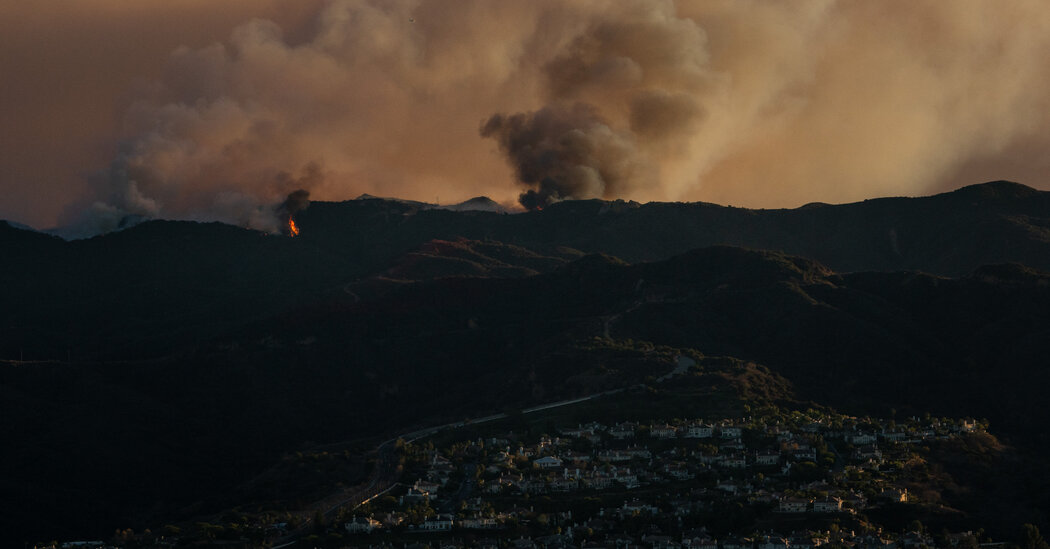
California's new insurance regulations aimed at ensuring coverage in fire-prone areas have been undermined by industry loopholes, allowing insurers to avoid serving high-risk zones while still charging higher rates, according to a New York Times investigation.
The UK government will implement a ban on junk food advertising on TV before 9pm and in paid online ads starting October 2025, targeting products high in fat or sugar to combat childhood obesity. However, the ban only applies to identifiable products, allowing brands to circumvent restrictions by not showing specific unhealthy items in their ads. Health advocates support the move but express concerns about potential loopholes, urging brands to make healthier products. The ban is part of efforts to reduce obesity rates and associated health costs.
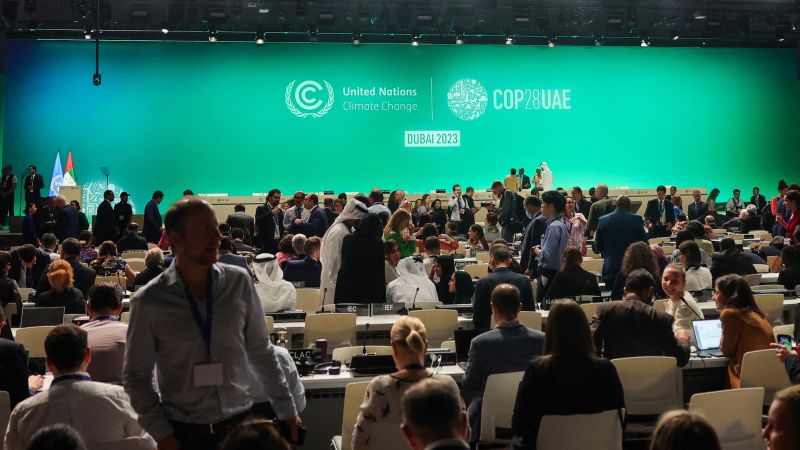
The COP28 climate deal reached at the United Nations Climate Change Conference in Dubai has been criticized for containing major loopholes that could allow the continued use of fossil fuels. One loophole is the inclusion of carbon capture technology, which is expensive and unproven at the scale needed to impact climate change. Environmental groups argue that it merely justifies ongoing drilling. The deal also recognizes transitional fuels, such as natural gas, as playing a role in the energy transition, raising concerns about ongoing investment in oil and gas development. Additionally, the agreement's focus on transitioning away from fossil fuels "in energy systems" rather than across the entire economy suggests that energy-intensive sectors like plastics and petrochemicals production can continue relying on fossil fuels.
The world reached a new climate deal at the COP28 summit in Dubai, making an unprecedented call to transition away from fossil fuels. However, the agreement's vague language and "cavernous" loopholes could allow some countries to take minimal action. While some countries hailed the deal as the end of the fossil fuel era, more ambitious nations and climate advocates believe it falls short of reflecting the urgency of the climate crisis. The agreement does not require a "phase-out" of oil, coal, and gas, but instead "calls on" countries to contribute to global efforts to reduce carbon pollution in ways they see fit. Concerns have been raised about the influence of oil interests on the talks and the inclusion of unproven technologies like carbon capture and storage.
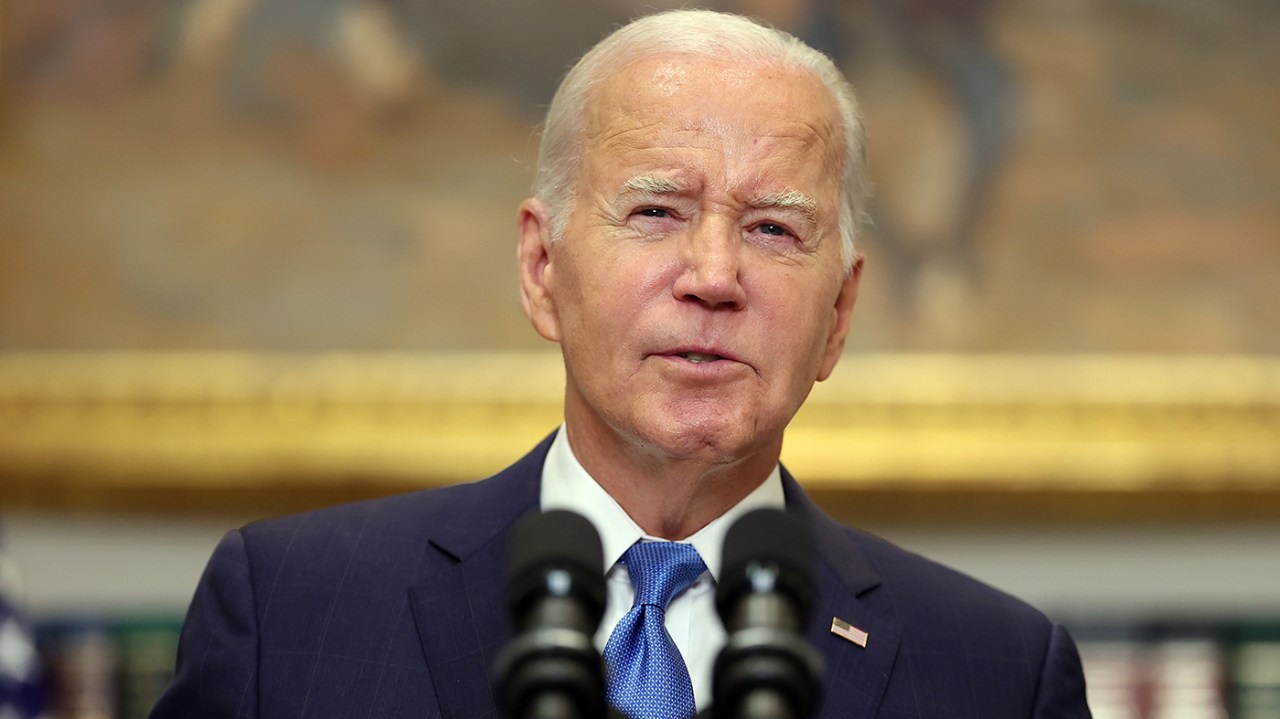
The Biden administration is proposing a new rule to close loopholes that result in added costs for retirement investment advice. The rule aims to address potential conflicts of interest among financial advisers by requiring them to provide retirement advice in the best interest of savers rather than pushing specific investment products. The proposal would also address a loophole around advisers providing guidance on rolling over assets from a 401(k) plan into an Individual Retirement Plan (IRA). The administration's broader effort to eliminate "junk fees" includes actions to eliminate banking fees and hidden charges on cable bills, airline tickets, and hotel bookings.
China has been sending significant amounts of military equipment, including drones and protective gear, to Russia through loopholes in Western sanctions. Chinese manufacturers have delivered enough equipment to outfit an entire army, aiding Russia in its invasion of Ukraine. The gear is considered nonlethal and dual-use, allowing Western authorities to avoid confronting China. Russia has imported over $100 million worth of drones from China this year alone. Chinese parts have also been found in Russian weapons captured by Ukraine. Despite claiming neutrality, China is supporting Russia's positions in the war.