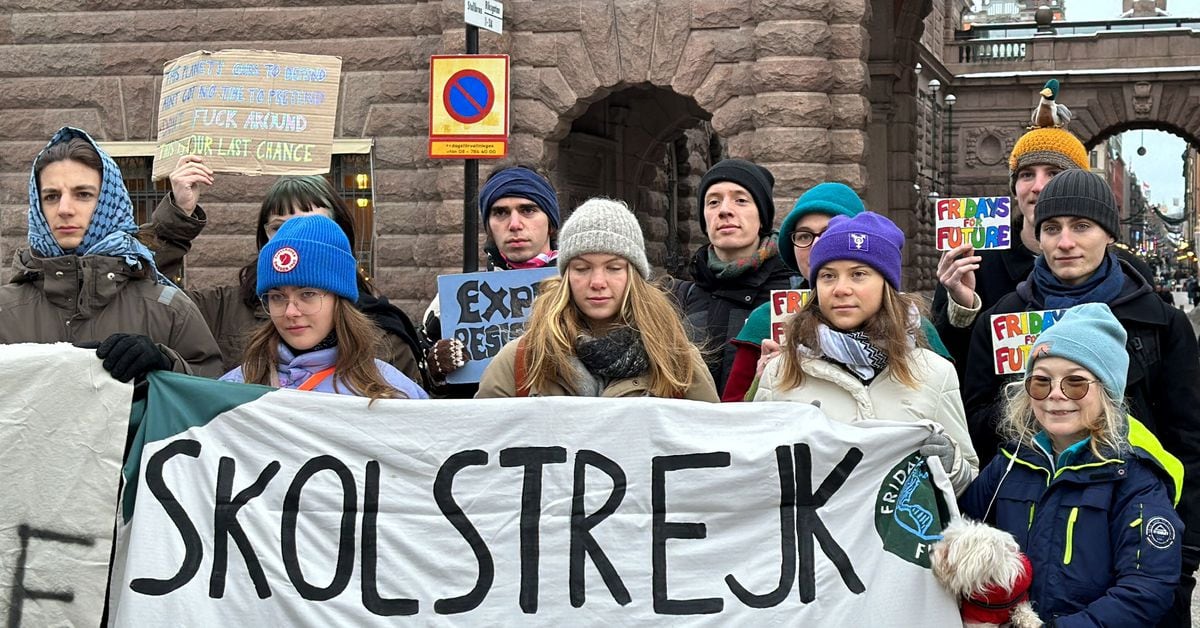
Climate activist Greta Thunberg criticizes the COP28 climate deal reached at the recent summit in Dubai, stating that it is a betrayal to the nations most affected by global warming and will not prevent temperatures from rising beyond critical levels. Thunberg argues that the agreement lacks teeth and fails to keep global warming within the 1.5-degree Celsius limit. She believes that the deal serves as an alibi for world leaders to ignore the climate crisis and calls for treating it as a true crisis, free from the influence of lobby interests.
The COP28 climate deal reached at the United Nations Climate Change Conference in Dubai has been criticized for containing major loopholes that could allow the continued use of fossil fuels. One loophole is the inclusion of carbon capture technology, which is expensive and unproven at the scale needed to impact climate change. Environmental groups argue that it merely justifies ongoing drilling. The deal also recognizes transitional fuels, such as natural gas, as playing a role in the energy transition, raising concerns about ongoing investment in oil and gas development. Additionally, the agreement's focus on transitioning away from fossil fuels "in energy systems" rather than across the entire economy suggests that energy-intensive sectors like plastics and petrochemicals production can continue relying on fossil fuels.
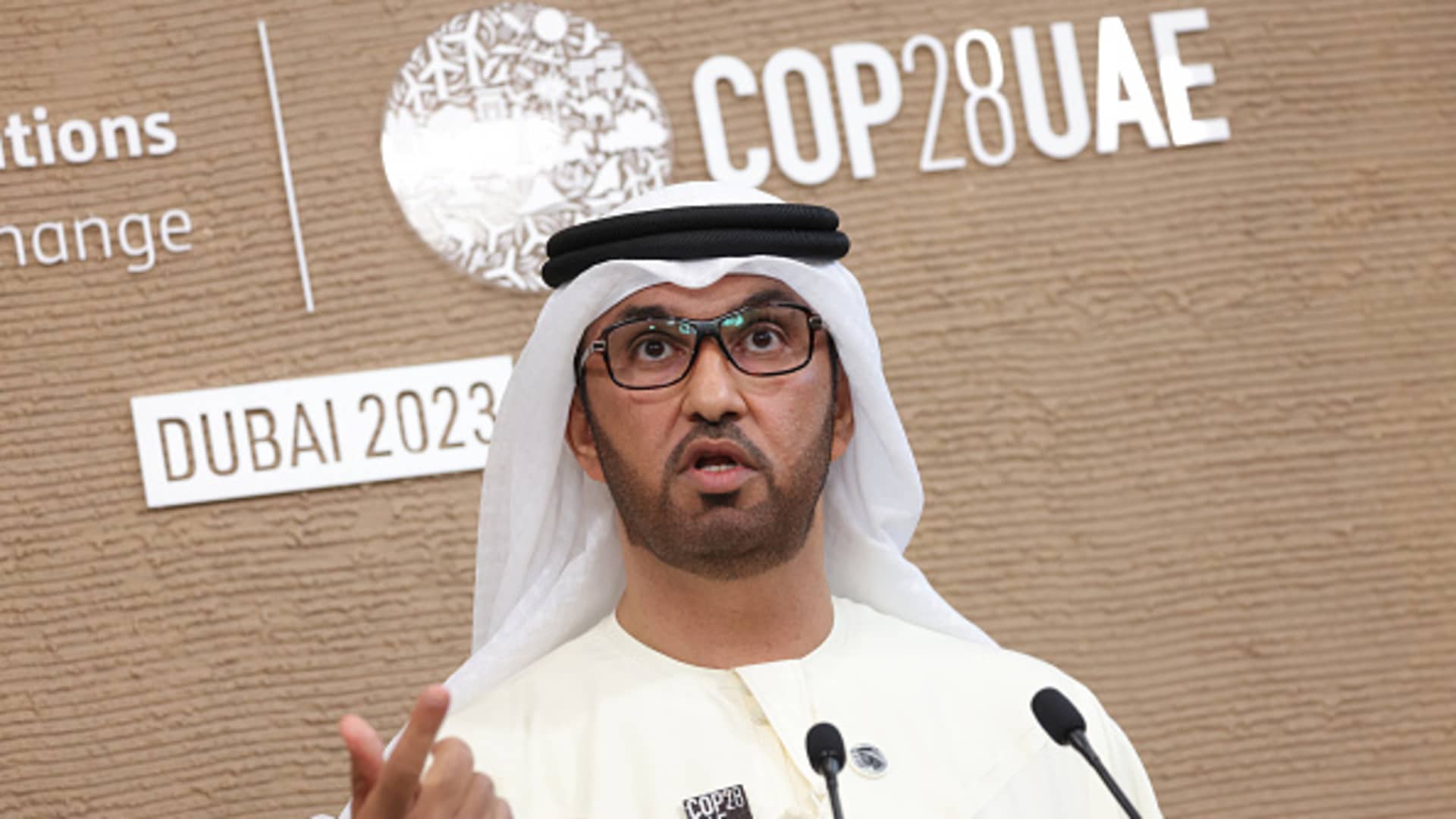
The draft text for the COP28 climate deal, released by the United Arab Emirates' presidency of the summit, has faced criticism for not including a phaseout of fossil fuels. Major players, including the U.S., European Union, and climate-vulnerable countries, expressed frustration over the omission, while oil-producing countries disagreed. Scientists emphasize that fossil fuels are the primary contributor to climate change. The burning of coal, oil, and gas accounts for over three-quarters of global greenhouse gas emissions. Calls for a phaseout aimed to signal the beginning of the end of the fossil fuel era. COP28 President Sultan al Jaber faced backlash for dismissing the science behind the phaseout, but later clarified his team's belief in and respect for the science. The draft document outlined options for emissions reduction, including achieving net-zero by 2050. However, critics argue that the draft lacks urgency and misleads by suggesting that fossil fuels can continue to play a significant role in the future.