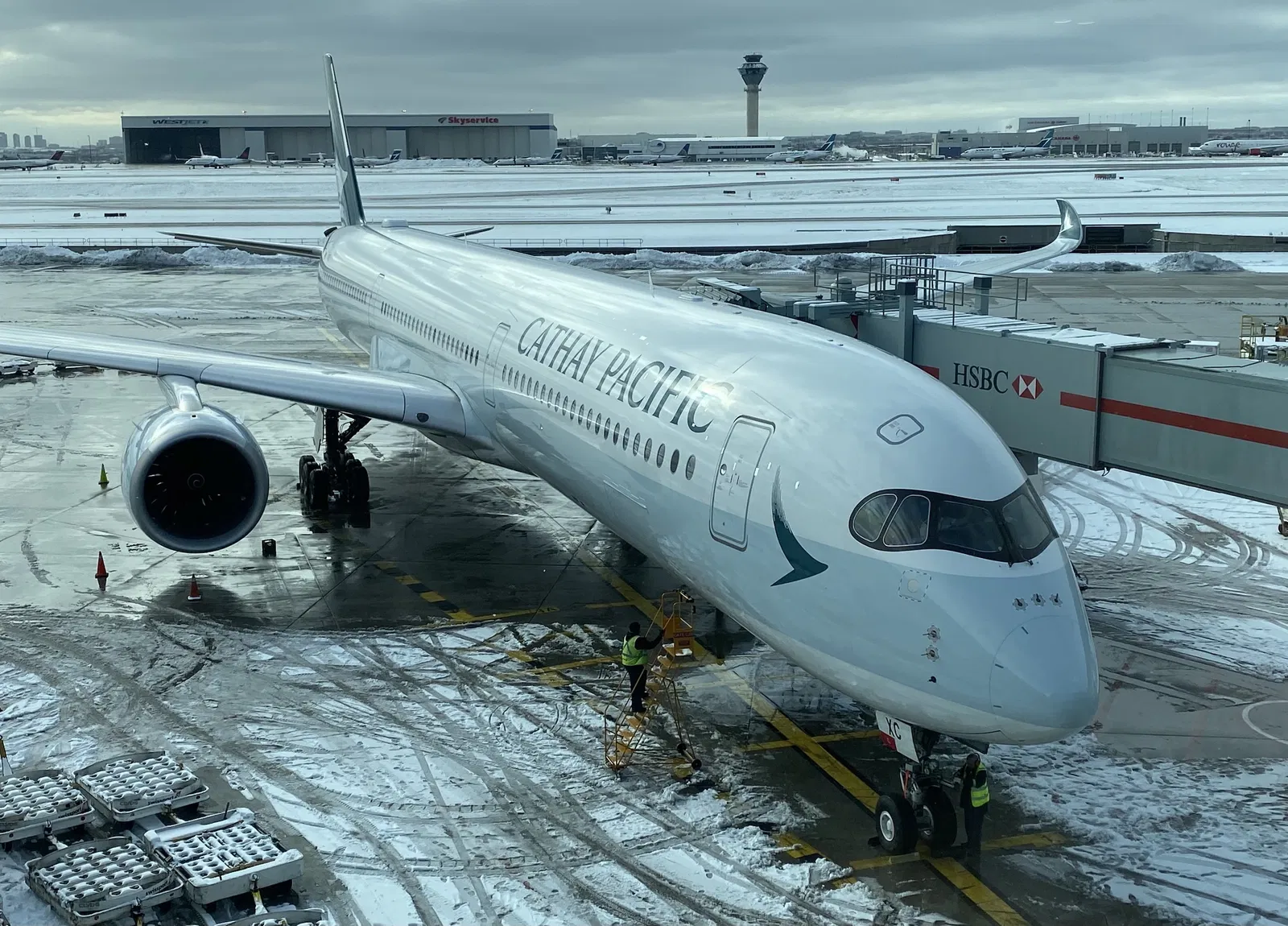
Cathay Pacific is resuming its Hong Kong to Seattle route in March 2026 after a years-long hiatus, likely driven by improved economics and competitive dynamics with Delta and Alaska, aiming to strengthen its presence in North America and counteract competitors' expansion.
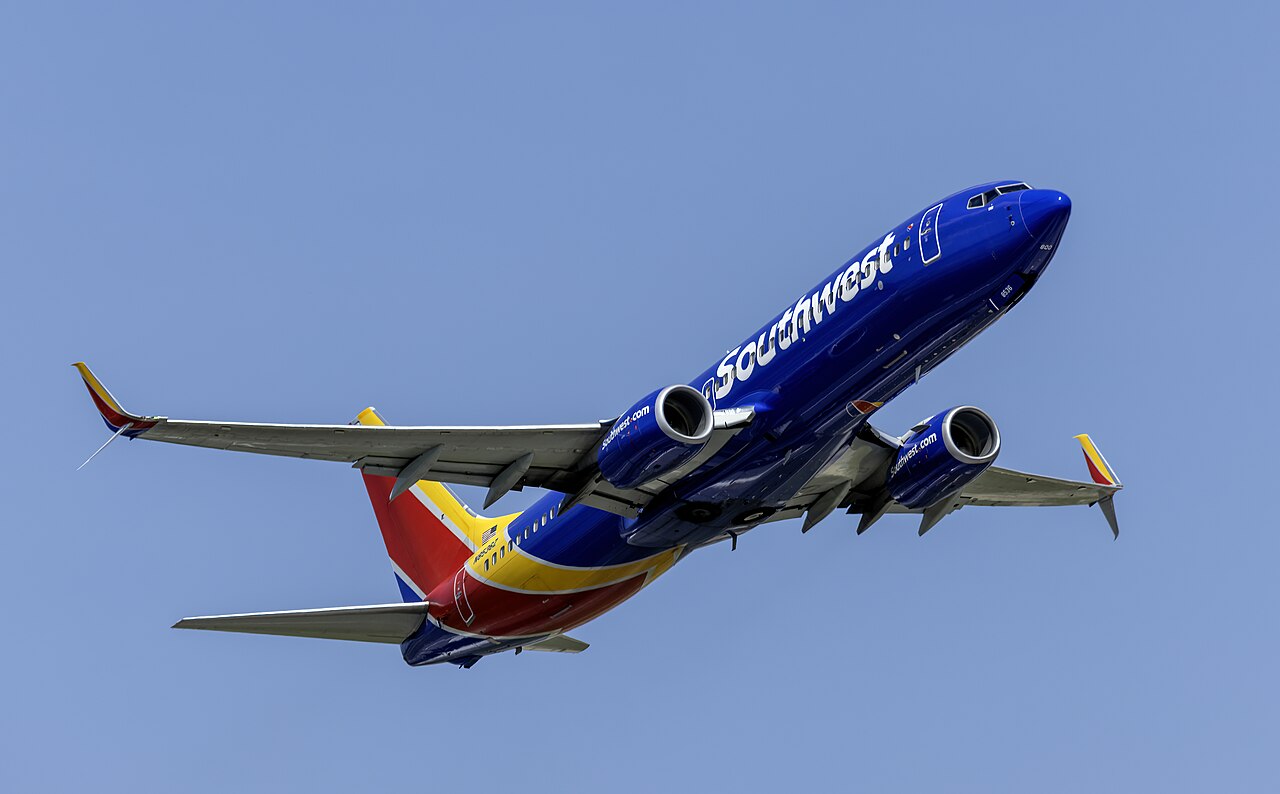
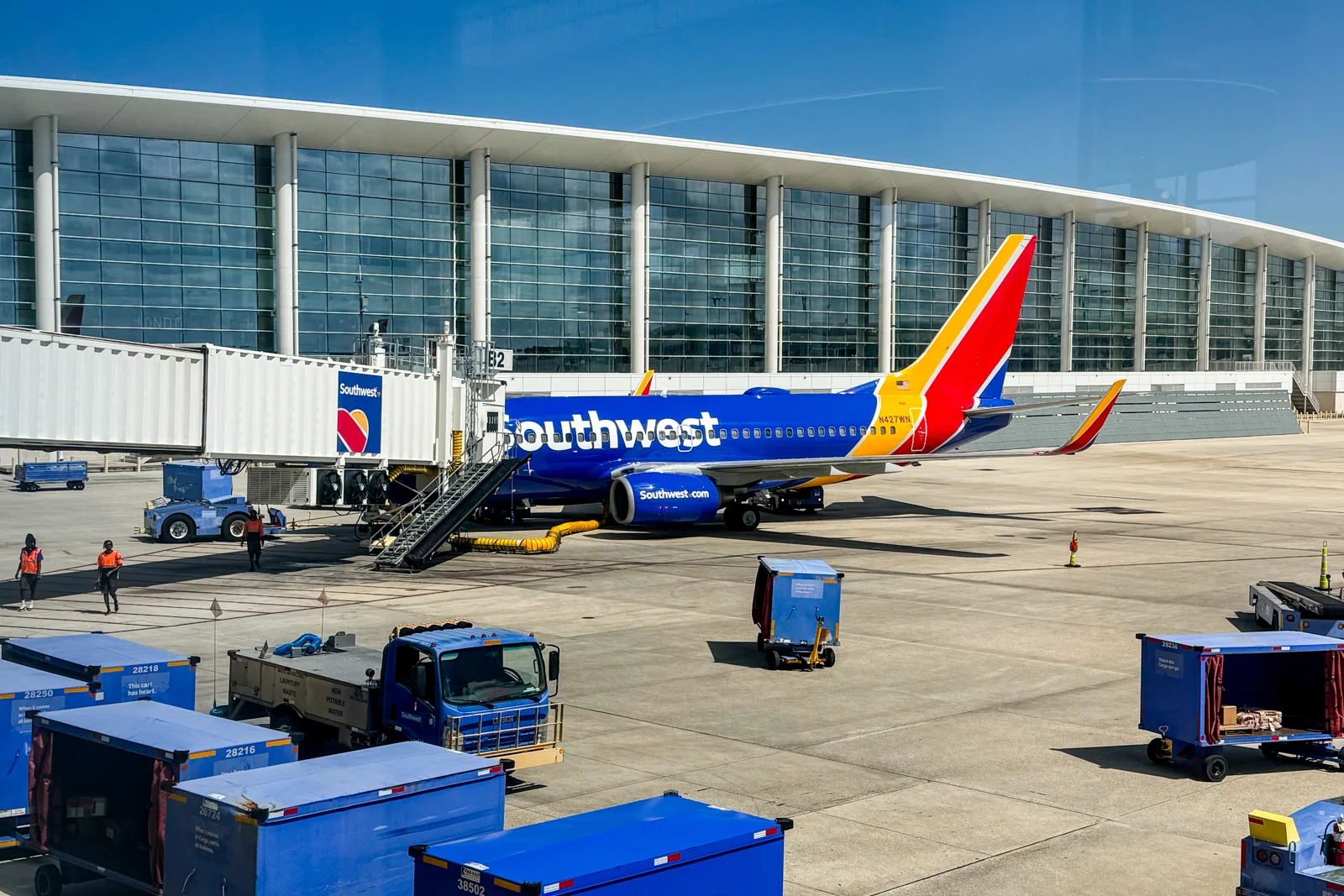
Southwest Airlines is considering expanding its offerings to include airport lounges, premium seating, and long-haul international flights, marking a significant shift from its traditional low-cost, no-frills business model to better compete with major airlines and meet evolving customer demands.
A dedicated traveler, Carl Brothers, spent four years and flew over four million miles primarily on United Airlines to achieve lifetime Global Services status, showcasing extraordinary dedication to mileage running and long-haul flying.
Southwest Airlines is considering expanding its offerings to include first-class seats, airport lounges, and long-haul international flights, as part of its ongoing evolution to meet consumer demand, despite not having official plans yet. The airline is exploring these options to stay competitive and better serve customer needs, with a focus on long-term strategy and adaptation to market pressures.
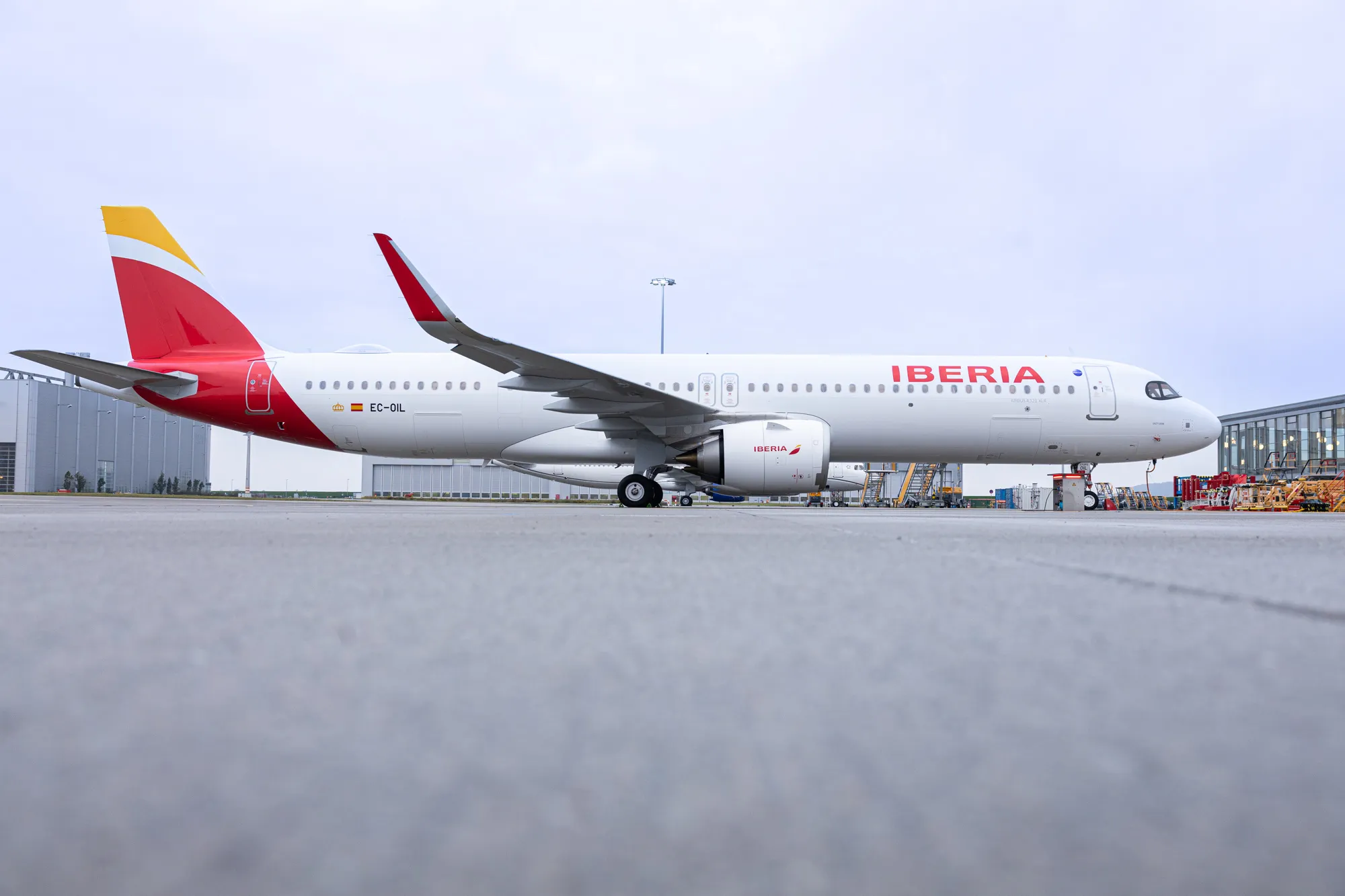
The Airbus A321XLR, a single-aisle aircraft capable of flying up to 5,400 miles, is set to transform the airline industry by offering long-haul flights with fewer passengers and lower costs. Iberia, the first airline to operate the A321XLR, recently completed its inaugural transatlantic flight from Madrid to Boston. The aircraft's design allows airlines to optimize seasonal routes and expand point-to-point connectivity. Despite potential passenger discomfort on long flights in a narrowbody plane, the A321XLR is expected to be widely adopted, with over 500 orders from 25 carriers, including American Airlines and IndiGo.
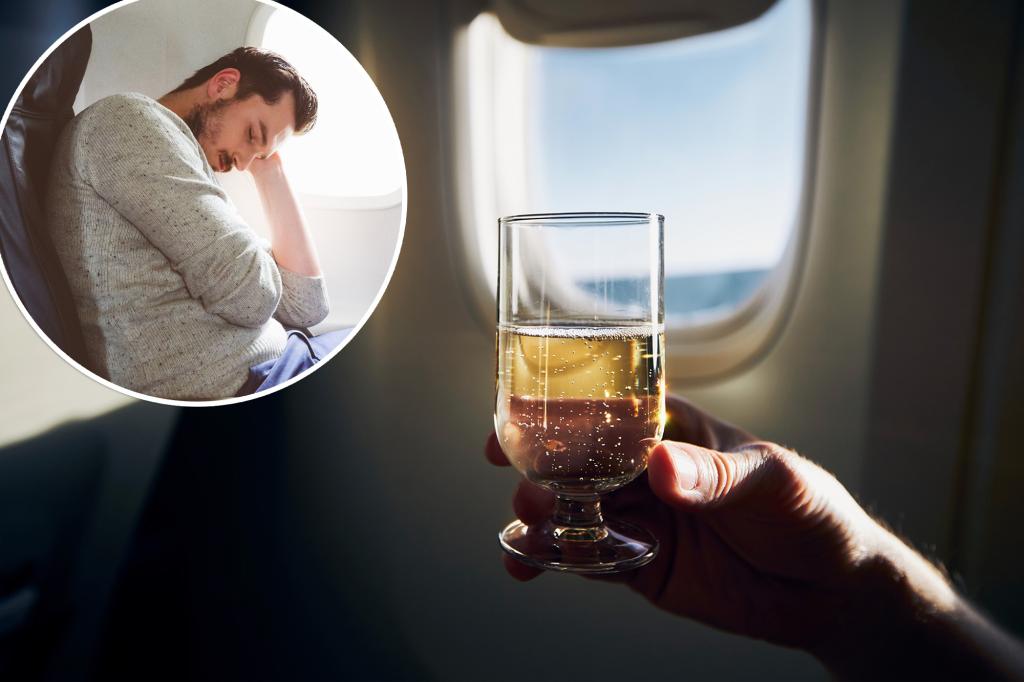
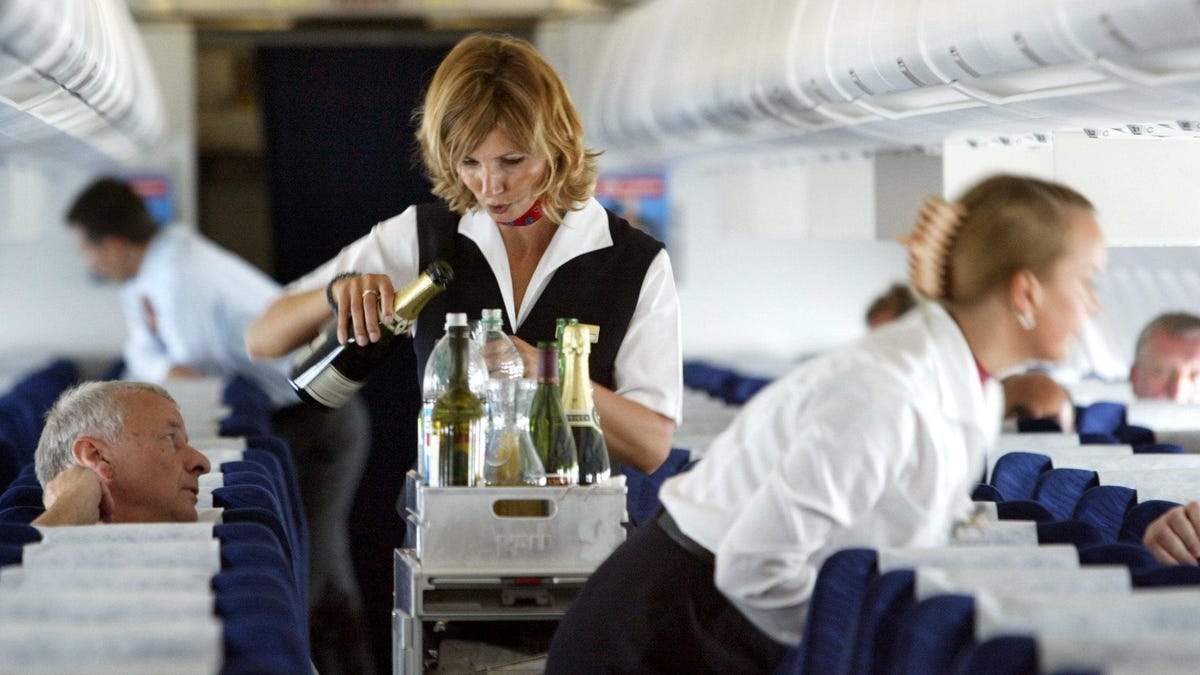
Researchers from the Institute of Aerospace Medicine in Germany are calling for restrictions on in-flight alcohol consumption after finding that drinking alcohol combined with cabin pressure at cruising altitude can negatively impact heart health, even in young and healthy passengers. Their study, published in the journal Thorax, showed that this combination lowers blood oxygen levels and raises heart rates, posing significant health risks. They suggest that air travelers, especially those with pre-existing conditions, should avoid alcohol before and during flights, and recommend changes to regulations to limit alcohol access on planes.
New research suggests that drinking alcohol on long-haul flights can significantly lower blood oxygen levels and increase heart rate, posing a potential risk to cardiovascular health, especially for vulnerable individuals. The study, conducted by the German Aerospace Center, found that healthy volunteers experienced a greater drop in blood oxygen and a rise in heart rate when drinking alcohol in high-altitude conditions compared to not drinking. The findings highlight the need for awareness and possibly stricter regulations on alcohol consumption during flights.
A frequent traveler shares his experience of ordering special meals on long-haul flights to enhance his in-flight dining experience. Due to the reduced sensitivity of taste buds at high altitudes, he found that spicy flavors were unaffected and more enjoyable. By opting for the Hindu meal, he discovered flavorful dishes like dal makhani and bhindi masala. Airlines allow passengers to pre-order special meals, and this has become a way to make long-haul flights more enjoyable amidst the declining comfort of economy class.
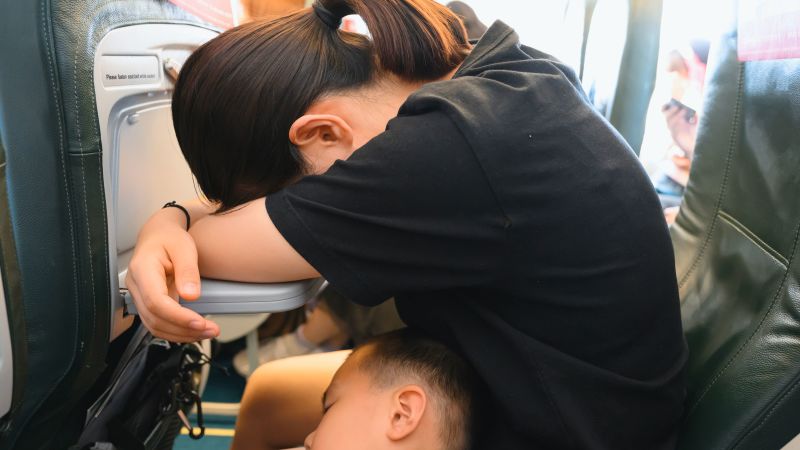
Sleeping on long-haul flights can be challenging, but there are several tips to help you get some rest. Relax your expectations and remember that even a short amount of light sleep can have benefits. Consider the timing of your flight, as nighttime flights make sleep easier. Be mindful of your consumption of caffeine and alcohol, as they can affect the quality of your sleep. Taking sleeping medication or melatonin is a personal choice, but consult with your doctor before doing so. Prepare for in-flight comfort by wearing comfy layers, packing eye shades and earplugs, and using a neck pillow for support. If you wake up and can't fall back asleep, take advantage of the in-flight entertainment and trust that your body will catch up on sleep when it can.
Planning a long-haul flight? NPR's International Desk offers tips to outsmart jet lag. Suggestions include using apps like Time Shifter to create a personalized plan for adjusting to new time zones, understanding circadian rhythms and using external factors like light, exercise, meals, and social cues to regulate sleepiness and wakefulness. Other recommendations include sleeping on the flight aligned with the departure city's nighttime, managing light intake to sync the circadian clock, taking melatonin tablets, avoiding prescription sedatives and alcohol, staying awake until 9 p.m. at the destination, taking short naps, and using caffeine strategically. Exercise, meal times, and temperature changes can also help adjust to a different time zone.
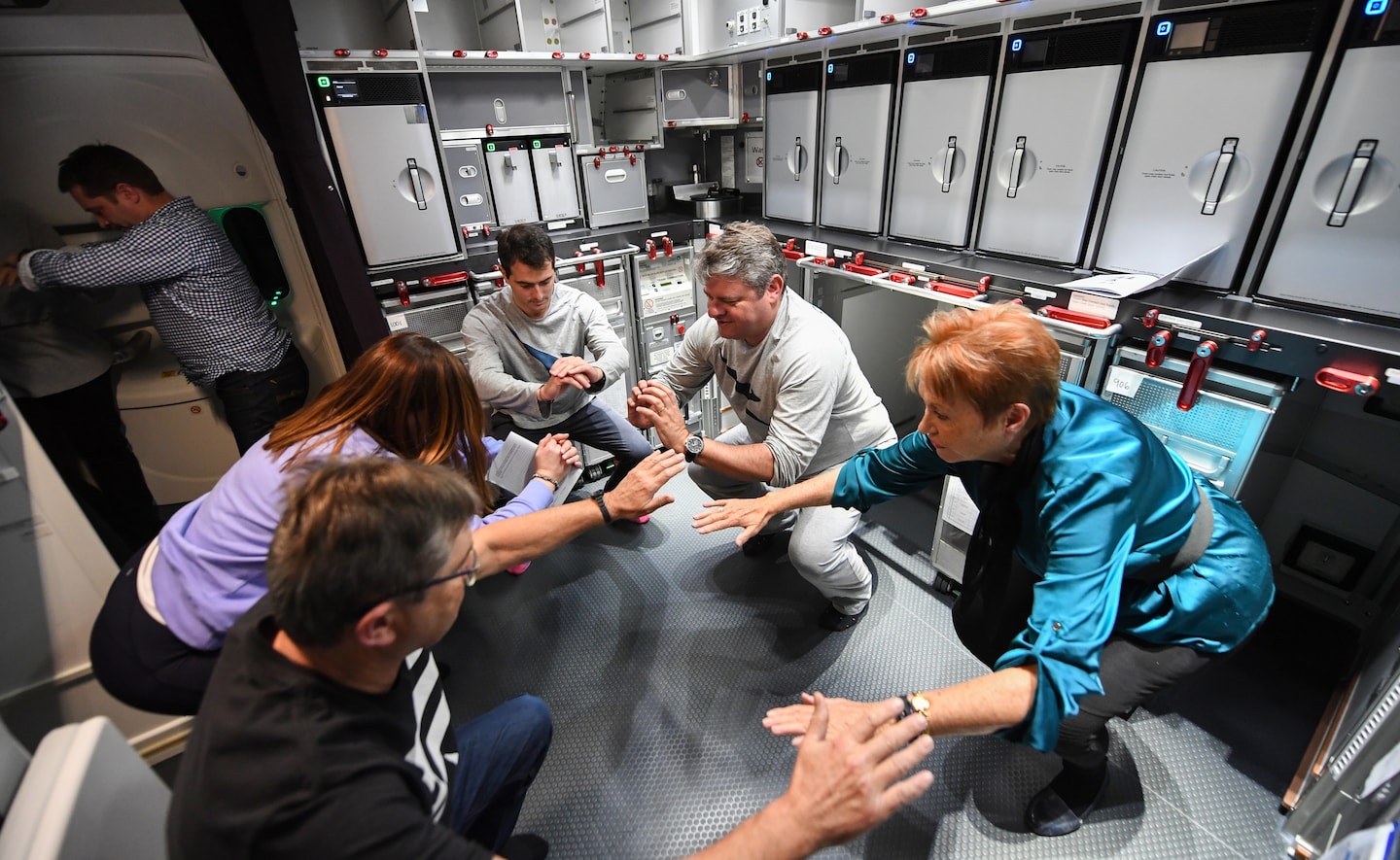
Qantas has detailed changes to the in-flight experience it tested during three trial flights, nearly 20 hours long, from New York and London to Sydney in 2019. The airline worked with researchers from the University of Sydney’s Charles Perkins Centre to implement changes such as setting the cabin lighting to help people adapt to the time zone of their final destination; leading passengers through physical activities; shifting the timing of meals and serving food and drinks designed to either help people stay awake or drift off to sleep. The research is part of a years-long effort by Qantas to “overcome the tyranny of distance” between Australia and the rest of the globe.
Qantas Airways has unveiled a "wellbeing zone" for economy-class passengers on its new A350-1000 jet, which will operate ultra long-haul flights between Sydney and London and New York. The lounge will feature an onboard stretch and movement space, sculpted wall panels, integrated stretch handles, an on-screen guided exercise program, and a station where passengers can pick up beverages and snacks. Qantas has reduced the plane's passenger capacity to 238 to make space for the lounge and promises relatively generous legroom in its economy and premium economy areas, with 33 inches and 40 inches of space, respectively.
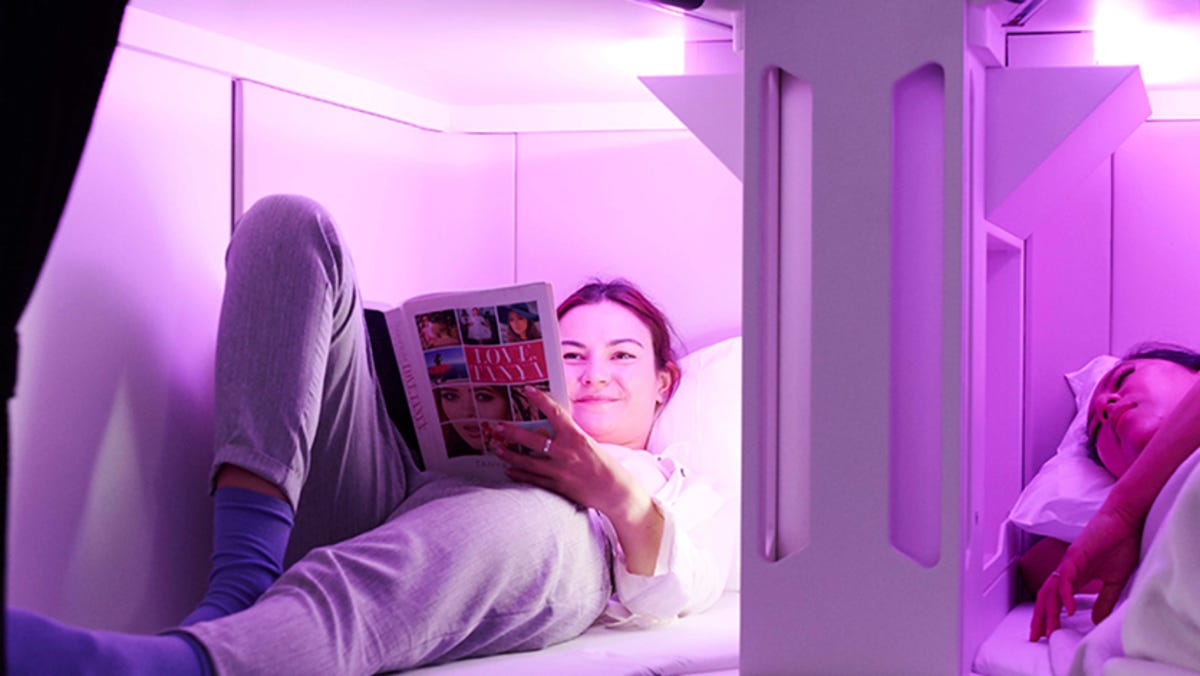
Air New Zealand plans to introduce Skynest bunk beds in economy class on its Auckland-New York and Auckland-Chicago routes from September 2024. The Skynest area on its Boeing 787s will feature six sleeping pods, each with their own bedding, ear plugs, a reading light, a USB charging outlet and an air vent. Economy passengers will be allowed to book one four-hour session per flight, pending availability, with a 30-minute changeover period scheduled between sessions. The airline has not yet finalised pricing for the Skynest sleep sessions.
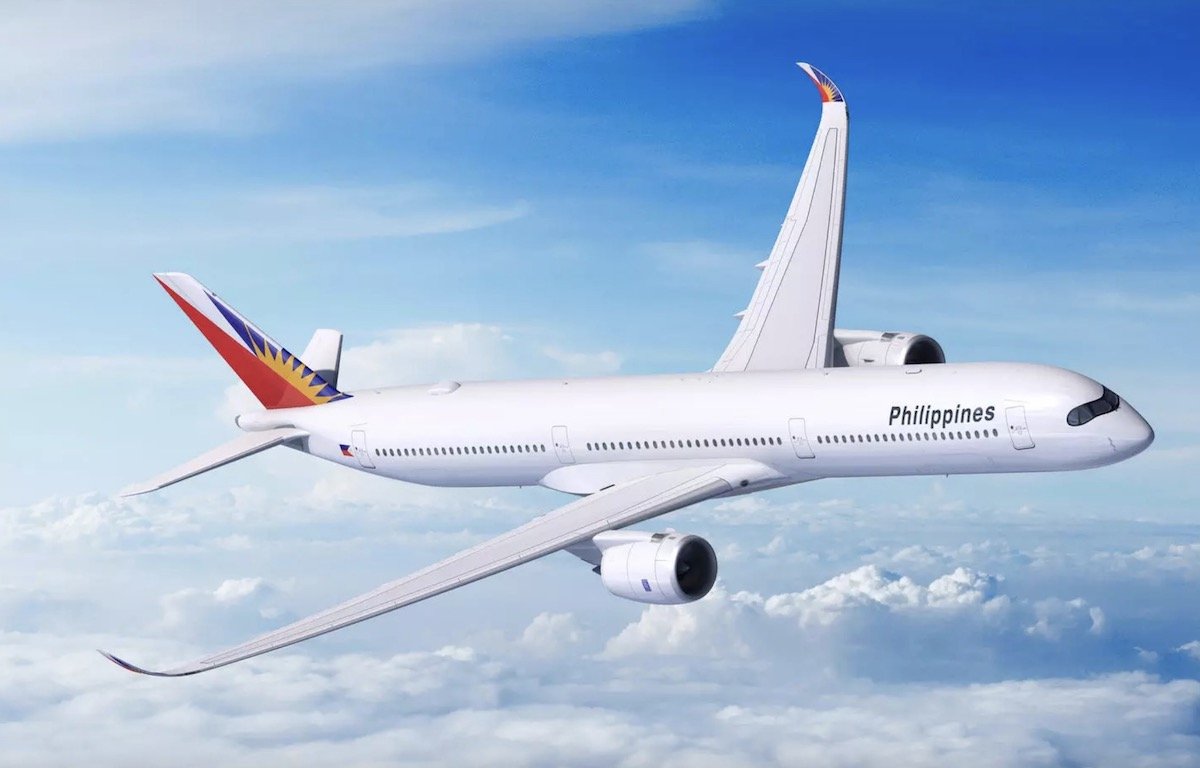
Philippine Airlines has signed an MoU with Airbus for the purchase of nine A350-1000s, which will be delivered starting in 2025. The airline intends to use these planes for ultra long haul flights from Manila to North America. This order comes less than two years after the airline had to get rid of four A350-900s due to bankruptcy protection. The A350-1000s are expected to be in a three cabin configuration, featuring business class, premium economy, and economy.