Oberweis Dairy, a long-standing ice cream and dairy company, has filed for Chapter 11 bankruptcy protection in Illinois, listing over $4 million in debt to creditors, including the Cook County Treasurer and a food products wholesaler. The company is owned by family members of Republican State Senator Jim Oberweis, who has not commented on the filing.
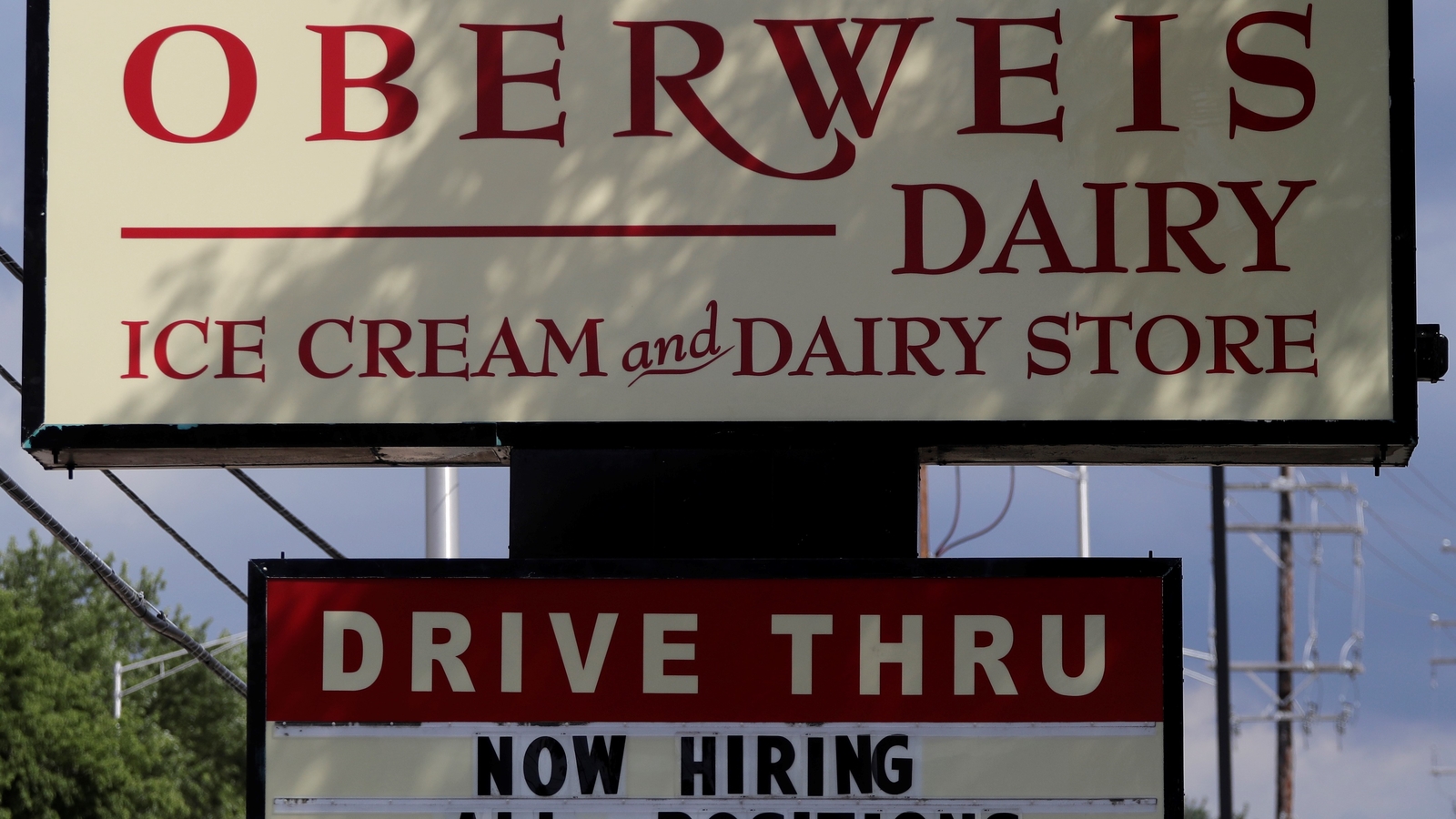
Oberweis Dairy, based in North Aurora, Illinois, has filed for Chapter 11 bankruptcy protection, owing at least $4 million to its top 20 creditors, including over $173,000 to the Cook County Treasurer. The company, owned by relatives of Illinois Republican politician Jim Oberweis, aims to repay its debts through this process.
Brazilian airline GOL has filed for Chapter 11 bankruptcy protection in the United States, as it grapples with over $4 billion in debt. Despite strong operating performance, the airline's financial challenges stem from servicing its debt, exacerbated by the pandemic's impact. GOL will continue to operate as usual during the restructuring process, aiming to emerge stronger by renegotiating deals with creditors and improving its capital structure.
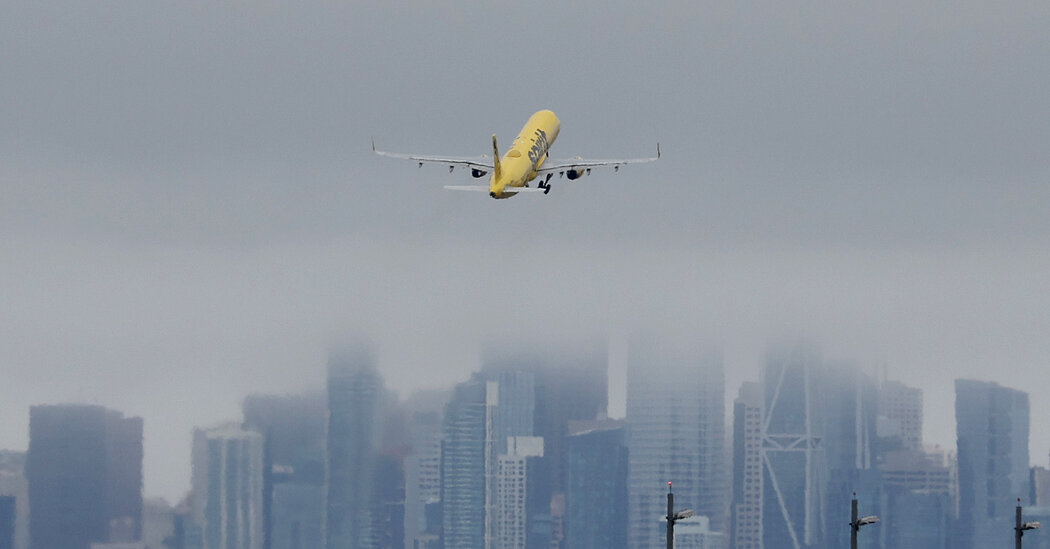
Spirit Airlines is facing financial uncertainty after a federal judge blocked its sale to JetBlue Airways, with some investors and analysts suggesting that the airline may need to seek bankruptcy protection if it cannot find another buyer. The budget airline has been struggling financially since the early days of the pandemic and has seen its stock price plummet following the ruling, raising concerns about its ability to recover without a new deal.
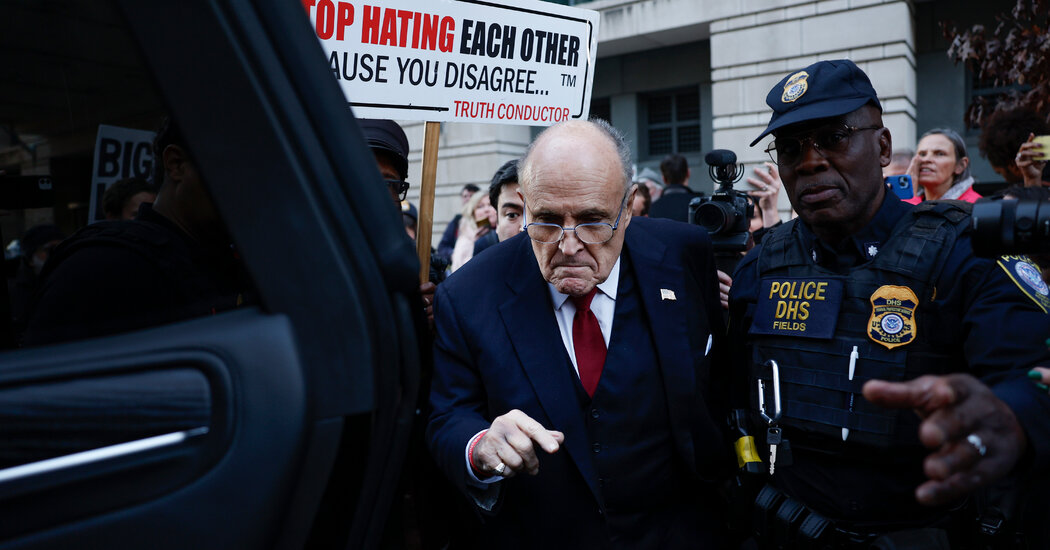
Rudolph Giuliani has filed for bankruptcy protection in federal court in New York, citing debts including significant legal fees, unpaid taxes, and the $148 million he was ordered to pay to two former Georgia election workers. This comes a day after a federal judge ordered Giuliani to start paying the damages he owes for spreading false claims about election theft.
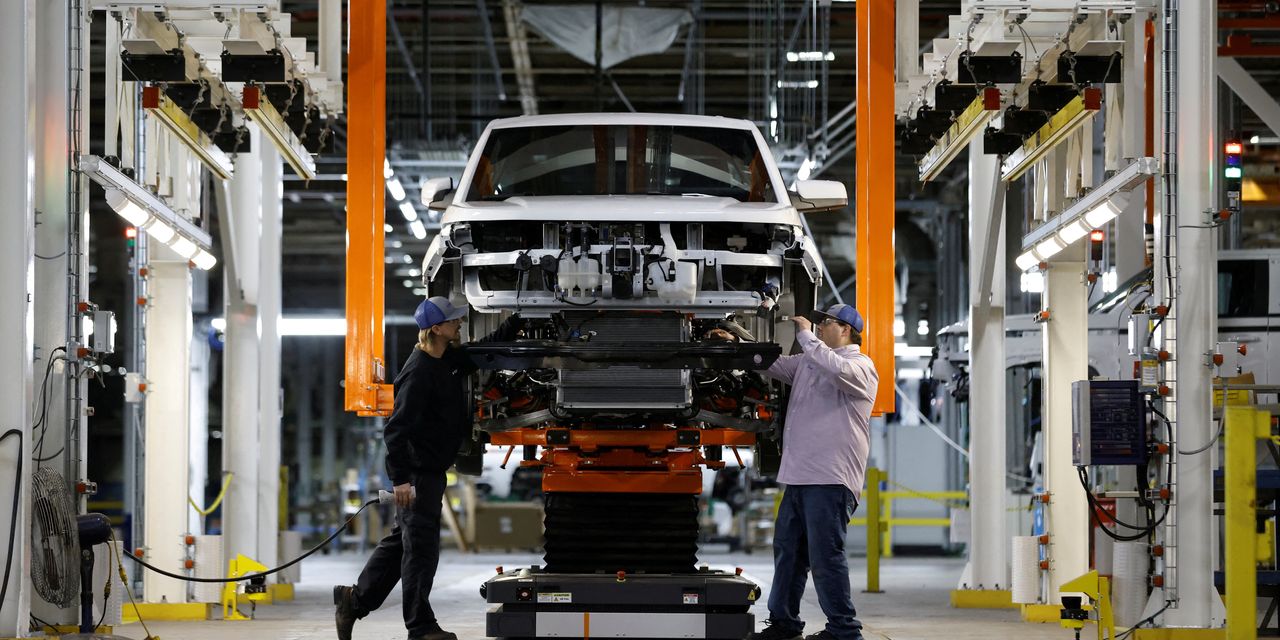
At least 18 electric vehicle (EV) and battery startups, including Nikola and Fisker, are at risk of running out of cash by the end of 2024, according to recent filings. These companies, which once attracted investors with promises to transform the industry and combat climate change, are now focused on survival as they face financial challenges.
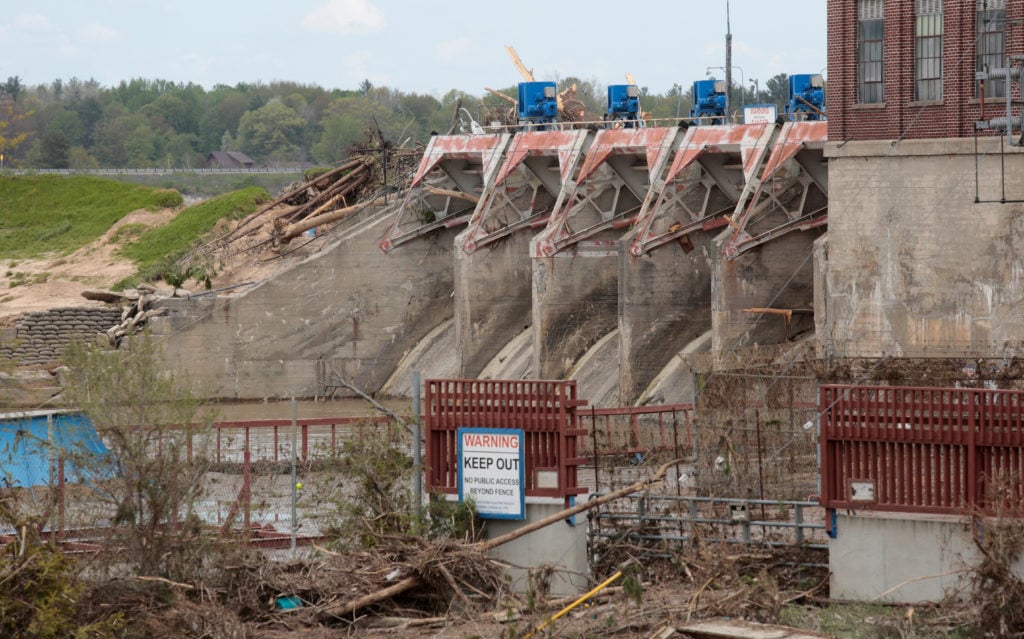
A judge has signed a $120 million order against Lee Mueller, the former owner of a failed dam in Michigan, for environmental damage caused when the structure collapsed in 2020. However, it is uncertain if the state will be able to collect the money as Mueller has filed for bankruptcy protection. The collapse of the Edenville Dam resulted in the flooding of the city of Midland, temporary evacuations, and the destruction of homes. The state attributes the failure to poor maintenance and lack of critical repairs. In addition to the state's legal action, affected property owners are also filing lawsuits against regulators for their alleged role in the disaster.
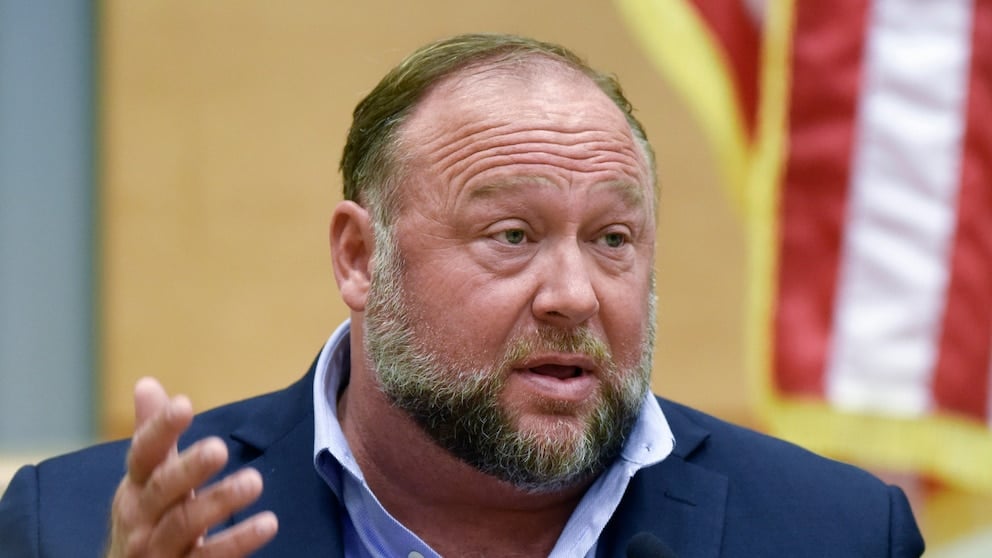
Infowars host Alex Jones has been denied the use of bankruptcy protection to avoid paying over $1.1 billion to families who sued him over his conspiracy theories claiming that the Sandy Hook school massacre was a hoax. U.S. District Judge Christopher Lopez ruled that Jones cannot seek protection due to findings of "willful and malicious" conduct. This decision marks another significant defeat for Jones, who has faced legal consequences for spreading falsehoods about the shooting. Despite claiming financial difficulties, Jones vowed to continue appealing the verdicts and maintaining his presence on air.
A Texas judge has ruled that Infowars host Alex Jones cannot use bankruptcy protection to avoid paying over $1.1 billion to families who sued him over his conspiracy theories that the Sandy Hook school massacre was a hoax. This ruling is another significant defeat for Jones, who has faced legal consequences in Texas and Connecticut for spreading falsehoods about the shooting. The judge determined that bankruptcy protections do not apply to Jones due to his "willful and malicious" conduct. Jones' personal spending, including thousands of dollars on meals and entertainment, has drawn criticism from the Sandy Hook families who have yet to receive any of the awarded money. Another lawsuit is pending, potentially increasing the amount Jones owes.
The International Longshore and Warehouse Union (ILWU), representing U.S. dockworkers, has filed for chapter 11 bankruptcy protection to address a pending litigation with the Oregon affiliate of International Container Terminal Services Inc (ICTSI). The union cited financial constraints in defending against ICTSI's litigation tactics. The ILWU intends to use the bankruptcy process to resolve the matter and ensure the union can continue its work. The ILWU has over 4,000 members across the United States and Canada.
Sunac, one of China's leading property developers, has filed for bankruptcy protection in the United States, following approval from its creditors to restructure nearly $10 billion worth of debt. This comes after Evergrande, another major Chinese developer, made a similar filing a month ago. Sunac's filing may help the company negotiate with overseas lenders as it works to overhaul its debt. The success of Sunac's deal with overseas creditors could serve as a roadmap for other distressed developers. However, the core issue of the company's struggling business remains, despite recent policy support from Chinese policymakers.
Genesis and Digital Currency Group (DCG) have proposed a remuneration plan that could make over 230,000 retail creditors of Gemini's Earn program "nearly whole" after Genesis filed for bankruptcy protection. If approved, Gemini Earn users could recover approximately 95-110% of their claims, with unsecured creditors potentially receiving up to 90% of their holdings. The claim would be calculated based on returns from the Genesis bankruptcy estate and Gemini user collateral, including over 30 million shares of the Grayscale Bitcoin Trust. The proposed plan aims to file an amended version by October 6 and confirm a plan by the end of the year.
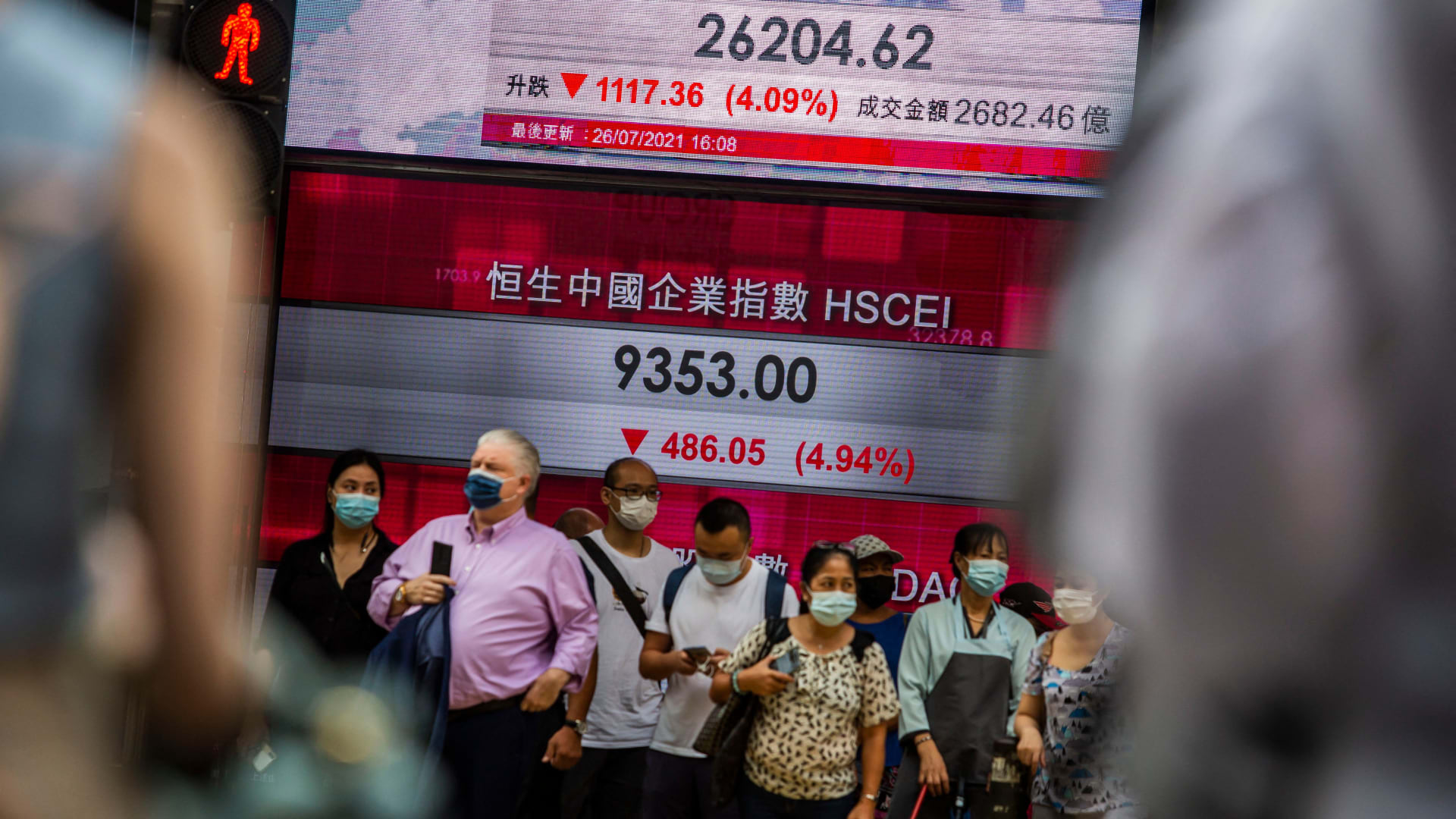
Hong Kong's Hang Seng index closed in bear market territory, down 2.1% in the Friday session and more than 20% below its January highs, as uncertainty over China's property market and growth prospects erased early-year gains. The index's decline was further fueled by news that Chinese real estate giant Evergrande had filed for bankruptcy protection in a U.S. court. This comes after peer company Country Garden suspended payments on some of its bonds earlier in the week. The filing and contagion fears surrounding China's property sector have raised concerns about potential domino effects and increased default volumes.
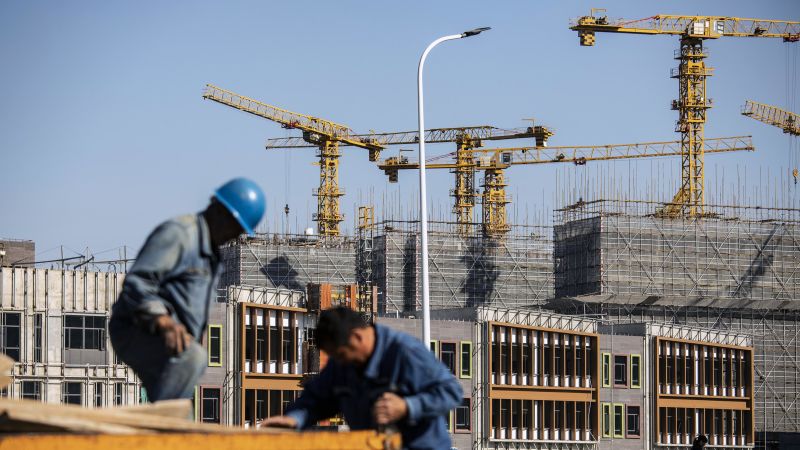
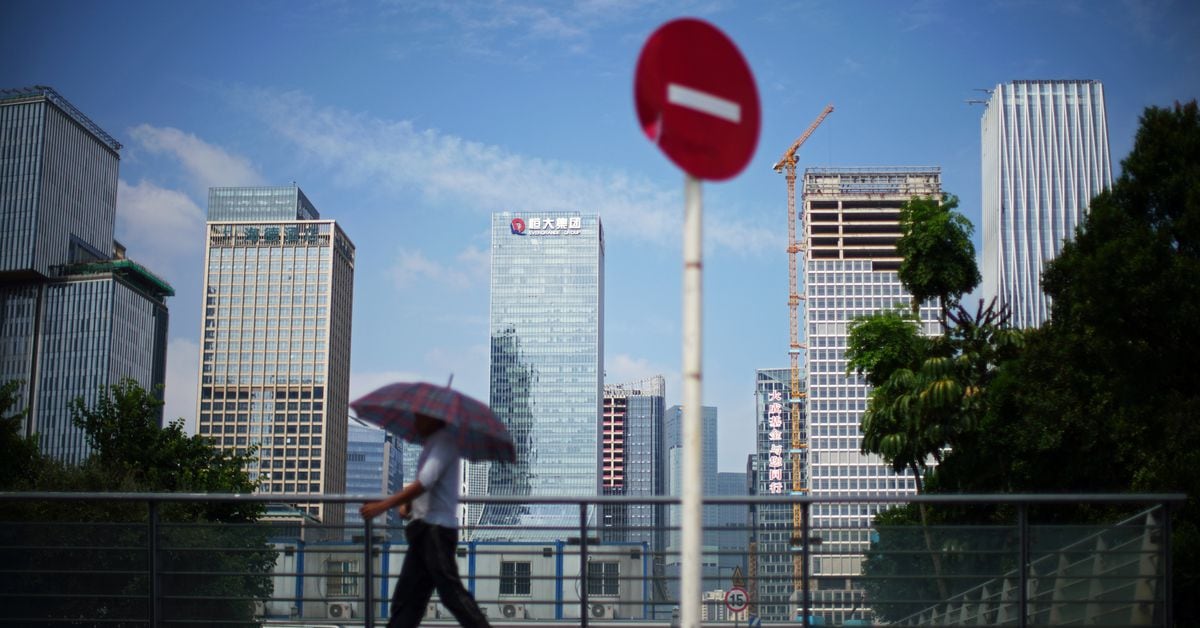
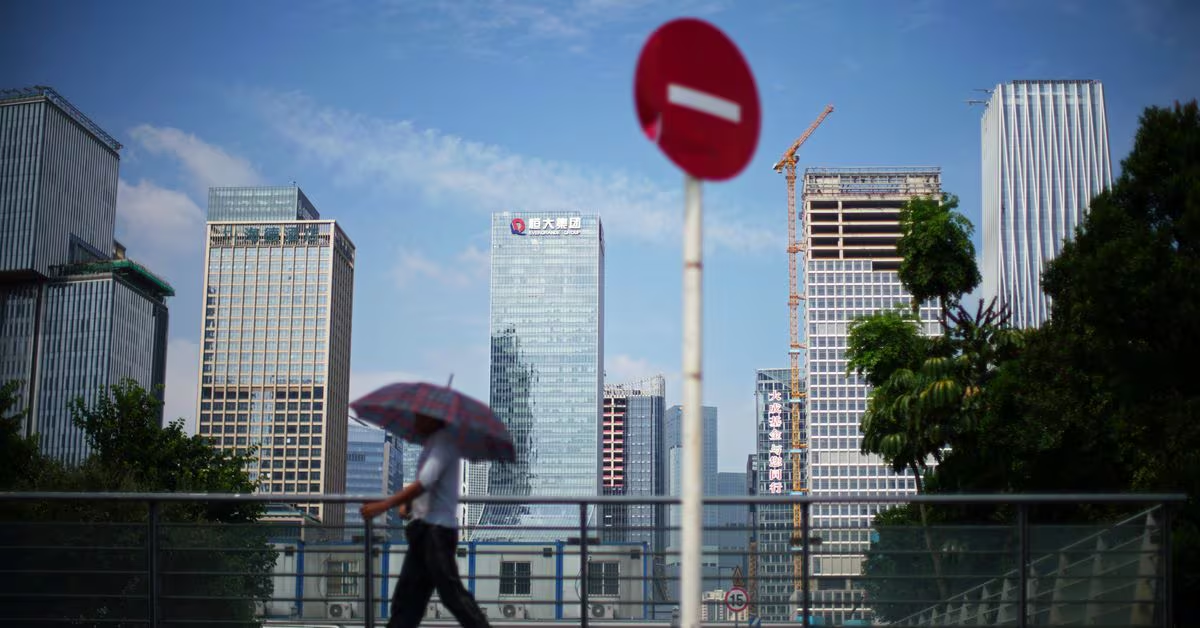
China Evergrande Group, one of the world's most indebted property developers, has filed for bankruptcy protection in a U.S. court as part of a massive debt restructuring effort. The filing comes amid growing concerns over China's worsening property crisis and a weakening economy. Evergrande's offshore debt restructuring involves $31.7 billion, and the company will meet with creditors later this month to discuss its restructuring proposal. The property sector crisis in China has led to defaults by several developers, causing unfinished homes, plummeting sales, and investor confidence to plummet. The economic and property woes in China have sent a chill through global markets, with Asian shares facing a third consecutive week of declines. China is expected to cut lending rates to support the struggling property sector.
China Evergrande Group, one of the world's most indebted property developers, has filed for bankruptcy protection in a U.S. court as part of a massive debt restructuring effort. The filing comes amid growing concerns over China's worsening property crisis and a weakening economy. Evergrande's offshore debt restructuring involves $31.7 billion, and the company will meet with creditors later this month to discuss its restructuring proposal. The property sector crisis in China has led to defaults by several developers, causing unfinished homes, plummeting sales, and investor confidence to plummet. The economic and property woes in China, coupled with the absence of concrete stimulus measures, have sent a chill through global markets.