Microsoft is rolling out a feature that allows employers to access employees' device location data via its enterprise tools, sparking privacy concerns as who can view and control the data depends on admin settings and company policy.
The Supreme Court will decide whether dragnet geofence warrants that collect smartphone location data are unconstitutional, a dispute sparked by Okello Chatrie’s conviction tied to a search of Google data; with appellate courts split (5th Circuit labeling geofence warrants inherently unconstitutional and the 4th Circuit divided), the ruling could redefine privacy expectations and police access to location information in future investigations.
FLOSS Weekly Episode 767 features a discussion with JP Mens about Owntracks, an open-source project that enables users to manage their location data. Owntracks uses MQTT to send position data to a central server and offers features such as sharing trips, marking points of interest, and playback of movement. The project's source code is available on GitHub, and it can be integrated with other projects like Home Assistant.
The US Federal Trade Commission has taken action against data broker InMarket Media for selling consumers' precise geolocation data without their consent for targeted advertising, marking the first ban of its kind. InMarket was found to have collected location data from mobile apps without informing users of its use for advertising, slicing and dicing the data to target specific consumer groups. The FTC settlement requires InMarket to stop selling or licensing the data, delete or anonymize previously collected data, and reaffirm its data use policies. This crackdown reflects the FTC's ongoing scrutiny of data brokers and growing privacy regulations surrounding personal data, particularly sensitive location information.
The FTC has ordered data aggregator InMarket Media to stop selling precise location data and to strengthen consumer protections after finding that the company did not fully inform consumers or obtain their consent before collecting and using their location data for advertising and marketing. InMarket will be prohibited from selling, licensing, or sharing products or services that categorize or target consumers based on sensitive location data, and must delete previously collected location data unless obtaining consumer consent. This is the second recent case brought by the FTC involving the unfair collection of location data, and the proposed order will be subject to public comment before finalization.
The FTC has banned data broker X-Mode from selling users' sensitive location data and ordered the firm, now known as Outlogic, to delete all previously collected location data unless consumer consent is obtained. X-Mode faced scrutiny for selling access to Americans' commercial location data to the U.S. government and military contractors. The FTC alleged that X-Mode sold precise location data that could be used to track people's visits to sensitive locations and failed to implement safeguards against downstream use of this data. The settlement also requires X-Mode to establish procedures to protect the privacy of consumers' personal information and ensure that recipients of its location data do not associate the data with sensitive locations.
The Biden administration reached its first settlement on a privacy issue by stopping a company, Outlogic (formerly X-Mode Social), from selling data on people's medical visits, particularly visits to abortion providers. The Federal Trade Commission (FTC) found that Outlogic collected location data on people's visits to medical facilities and then shared it with a clinical research company for marketing and advertising, leading to a significant privacy violation. The settlement requires Outlogic to delete all previously collected data without consent and provide an opt-out option for its location data collection. Privacy advocates are concerned about the potential misuse of location data, including targeting individuals seeking abortion and prosecuting them.
The FTC has ordered data broker X-Mode Social and its successor Outlogic to stop selling sensitive location data, such as visits to medical and reproductive health clinics, religious worship places, and domestic abuse shelters. The FTC alleges that the companies failed to implement reasonable safeguards and informed consent practices, exposing consumers to potential harm. The proposed order also requires the companies to delete collected location data, develop a supplier assessment program, and establish a comprehensive privacy program. The consent agreement will be subject to public comment for 30 days before the Commission decides whether to make it final.
Google is making a move to end the use of geofence warrants, which allow law enforcement to access users' location data stored by tech giants like Google. Geofence warrants have been criticized for being unconstitutional and overly broad, as they often include innocent individuals' information. Google's decision to store location data on users' devices instead of its servers will require police to obtain a search warrant for specific devices rather than accessing the data directly from Google. While other companies are also subject to geofence warrants, Google has been the largest collector of sensitive location data. The move is seen as a step towards curbing this surveillance practice, but concerns remain about other methods law enforcement can use to access personal data.
Google is changing its Google Maps feature to store location history data directly on users' devices, meaning Google will no longer have access to this data. This change also prevents law enforcement from requesting user location data from Google. The move comes in response to concerns about user privacy, particularly in relation to sensitive health-related locations such as abortion clinics. Users can now control their own location history settings and delete specific entries through the Google Maps app.
Google announced changes to its location data harvesting practices, stating that over the next year, Google Maps will stop sending data about users' movements back to the company. Instead, the location data will be stored on users' phones if they opt-in to the tracking settings. This move is seen as a positive step towards privacy and will help keep sensitive location information out of the hands of the government. Geofence warrants, which allow police to request data about individuals in a specific area, have been a concern, and Google's change means it will have less location data to hand over. However, it remains unclear if this update will affect Google's ability to use location data for advertising purposes.
Google has announced changes to the way it stores and accesses users' opt-in "Location History" in Google Maps, effectively ending the practice of "geofence warrants" used by law enforcement to obtain location data. Geofence warrants allow authorities to force Google to hand over information about all users within a specific location during a particular timeframe. Google's decision to end access to location data is seen as a win for privacy advocates and criminal defense attorneys who have criticized these warrants. The change does not prevent the government from obtaining information on a specific user by demanding their full account details, but it eliminates the ability to compel Google to provide identifying data or metadata on all users within certain parameters.
Google is making changes to its storage of location data in order to enhance privacy and security. Currently, location history is stored on devices and Google's servers, but the shift will ensure that it remains solely on users' hardware. Additionally, the default storage period will be reduced to three months from the current 18 months. The data will be encrypted if users choose to store it in the cloud. These changes will limit Google's access to users' location records and make it inaccessible to law enforcement. Privacy advocates welcome the move, while some remain skeptical about Google's commitment to data protection.
Google has announced changes to its location data settings, following multiple lawsuits over its misleading Location History descriptions. The new update includes a duplicate data store that will be stored exclusively on users' devices, giving them more control over their data. However, the cloud-based Location History will still exist and be collected, raising questions about the need for two copies of location data. Critics argue that Google's new controls for the locally stored data may distract users from the more hidden controls for the cloud-based data that Google has access to. The motive behind these changes and the benefit of having an extra copy of locally stored location data remain unclear.
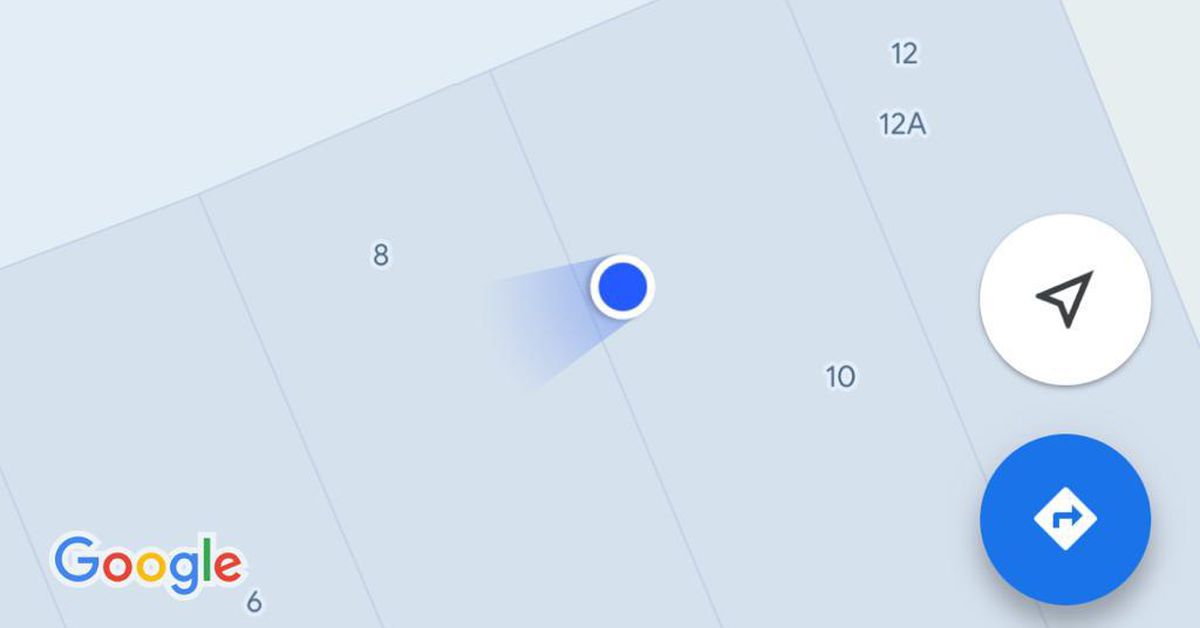
Google Maps is introducing new privacy-forward updates that give users more control over their location data. Tapping the blue dot in Google Maps now offers shortcuts to save parking or share location, and the update adds options for device location and location history. Users can now store their location history locally on their device instead of in the cloud by default, with the option to manually back up to the cloud. Google is also introducing the ability to delete all data related to a specific location in Maps, which can be useful for victims of domestic abuse or for maintaining privacy. These updates will be rolled out gradually over the next year.