Microsoft is rolling out a feature that allows employers to access employees' device location data via its enterprise tools, sparking privacy concerns as who can view and control the data depends on admin settings and company policy.
Google has introduced an Android update that allows employers to archive and access employees' RCS and SMS texts on work-managed devices, effectively ending the privacy of personal messages on these devices despite previous end-to-end encryption, raising concerns about employee privacy and monitoring.
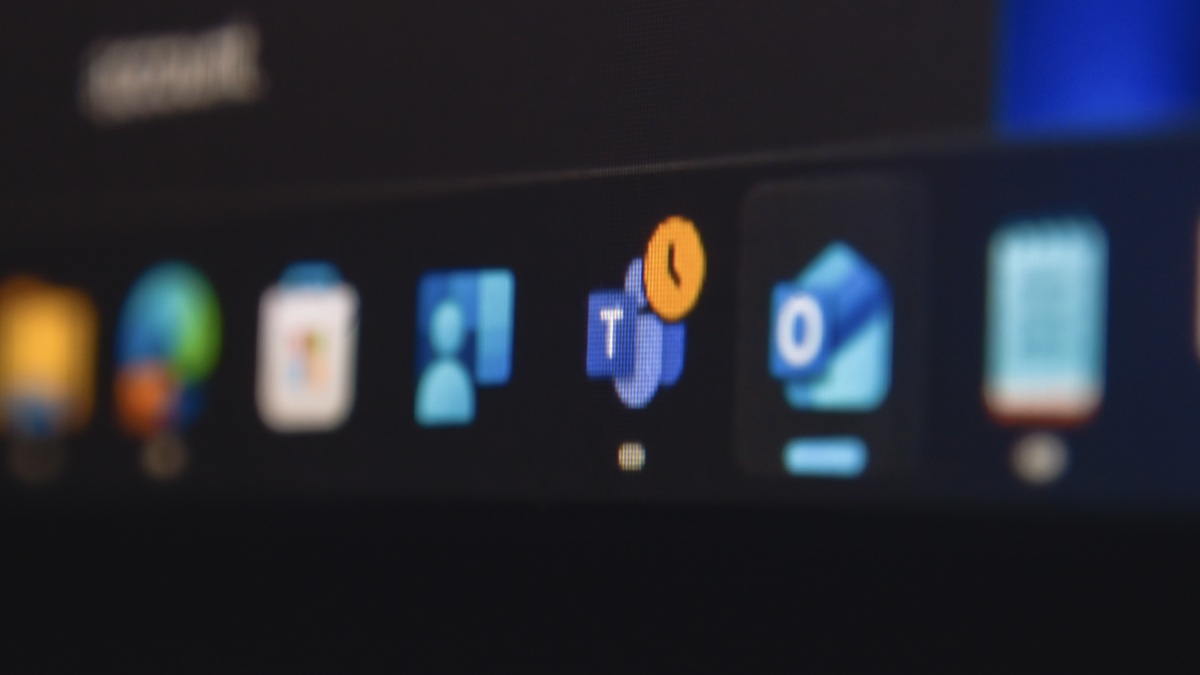
Microsoft Teams is planning to introduce a feature that will notify managers when employees are not in the office, raising concerns about workplace privacy and monitoring in remote work environments.
Microsoft Teams will now automatically update and share employees' work location based on Wi-Fi connection, raising privacy concerns and potentially impacting employee privacy and workplace dynamics, with the feature rolling out globally in December.
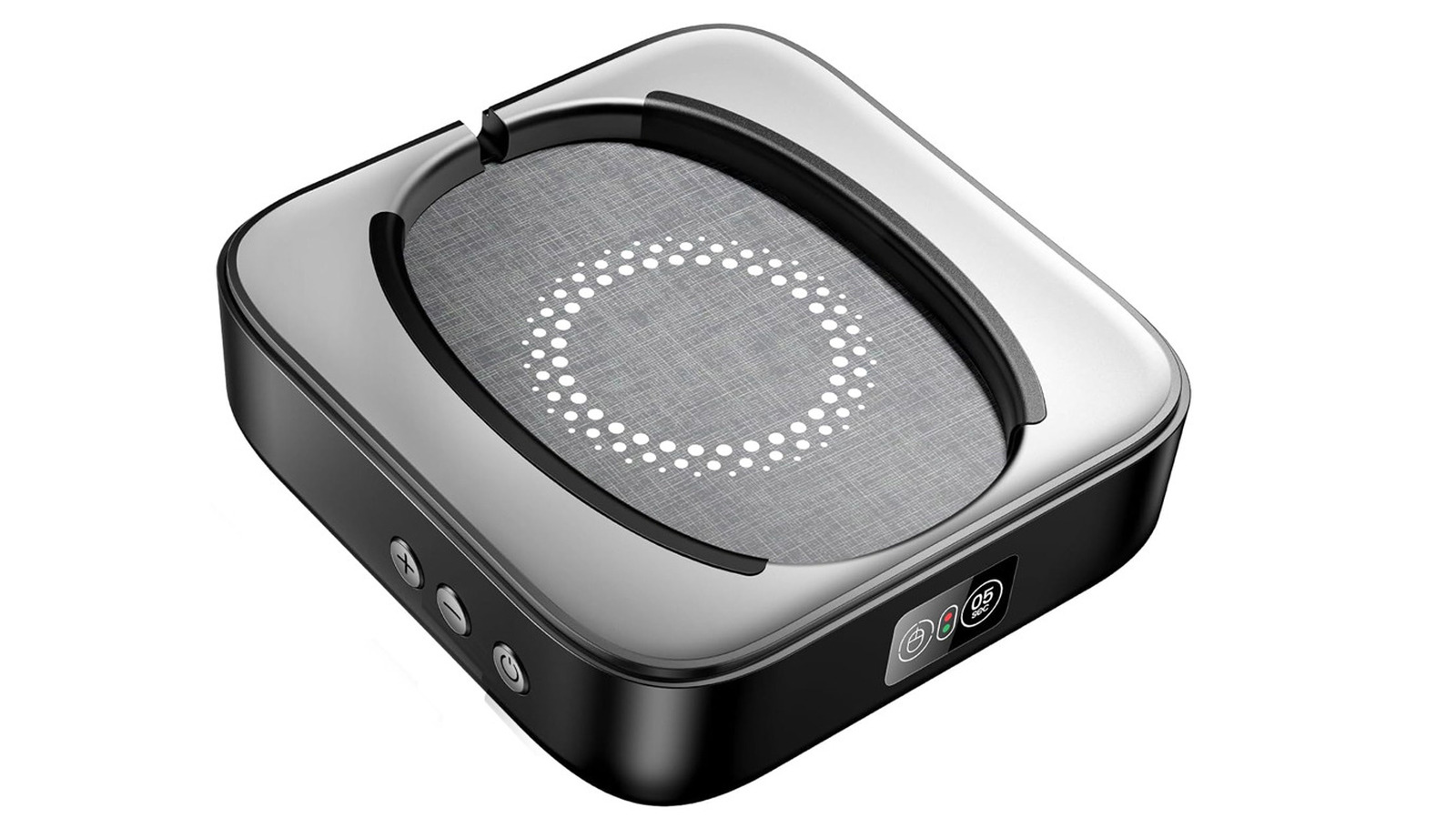
A mouse jiggler is a device that simulates mouse movement to prevent computers from sleeping or to appear active, often used by remote workers. There are hardware and software types, but companies can detect their use through advanced monitoring tools, as demonstrated by a case at Wells Fargo. While useful for maintaining activity status, mouse jigglers do not replace actual work and can be detected by employers.
xAI, Elon Musk's AI startup, required employees training its Grok chatbot to install surveillance software on personal laptops, raising privacy concerns. The company later adjusted its policy to allow delays for those awaiting company devices, amid employee protests and privacy worries. The software, Hubstaff, tracks activity during work hours to monitor performance, sparking criticism about surveillance disguised as productivity.
Amazon is enforcing a new rule requiring corporate employees to spend a minimum of two hours per office visit to combat "coffee badging," where employees badge in briefly to meet return-to-office mandates. This move has sparked frustration among employees, who question the policy's transparency and legality. Amazon's spokesperson stated that the policy aims to enhance collaboration and business outcomes.
Major companies like Walmart, Delta, T-Mobile, Chevron, and Starbucks are reportedly using AI software from a startup called "Aware" to monitor employee conversations on messaging apps like Slack and Microsoft Teams for keywords indicating dissatisfaction and safety risks. This has raised privacy concerns among remote workers, with some feeling it's sneaky and flawed, while others are less bothered. The use of AI for employee monitoring reflects the shift to remote work and the growing reliance on digital communication platforms like Slack and Microsoft Teams.
Several major companies are using AI technology from Aware to monitor employee communications on platforms like Slack and Microsoft Teams, analyzing sentiment and identifying behaviors such as bullying, harassment, and noncompliance. While the company claims to anonymize data and protect privacy, concerns have been raised about the potential for chilling effects on workplace communication and the accuracy of AI-generated inferences. Critics argue that the use of AI for employee surveillance raises worker rights and privacy issues, and that it may be difficult for employees to defend themselves if disciplined based on AI-flagged interactions.
BNP Paribas has informed its London-based staff that it will track their entry-gate swipes against logins to the bank's computer network to ensure compliance with office attendance targets. The move aims to accurately track space needs and ensure fairness across teams. The bank's USA & Canada divisions have also updated their policy to monitor staff presence in the office. While some employees prefer remote work for increased productivity and job satisfaction, bosses are concerned about the erosion of corporate culture and the missed opportunities for junior employees to learn from experienced colleagues. The bank's memo stated that staff would not be able to opt out of the tracking, and days affected by adverse weather or transport disruptions would still count as "in office" working days.
TikTok has introduced a new internal software called MyRTO to track and enforce its return-to-office policy. The tool monitors badge swipes and requires employees to explain any deviations from expected in-person attendance. This move comes after TikTok faced criticism for its use of surveillance and tracking, with its Chinese parent company, ByteDance, planning to use the app to track Americans using GPS information. The implementation of employee monitoring tools reflects a broader trend of companies using surveillance software to monitor remote and hybrid workers. However, employees have expressed discontent with return-to-office policies, citing the benefits of flexibility and the risk of losing top talent to competitors.
Amazon has been using an algorithm to track and target its US staff who violate the company's three-day-in-office rule, according to leaked documents. The algorithm, known as "Unicorn," analyzes employee data to identify those who spend less than three days per week in the office and then automatically generates lists of workers to be monitored or potentially fired. This revelation raises concerns about workplace surveillance, privacy, and the extent to which companies can track and control their employees.
An Australian woman, Suzie Cheikho, was fired from her job at Insurance Australia Group (IAG) after the company used keystroke technology to monitor her work-from-home performance. The company found that she had low keystroke activity, started work late on multiple days, finished early, and did not work her rostered hours. The Fair Work Commission (FWC) rejected her unfair dismissal claim, stating that she was fired for valid reasons of misconduct. Ms Cheikho claimed that she was targeted due to her mental health issues, but the FWC ruled that she was not working as required during her designated working hours.
The CEO of TinyBuild, a video game company, discussed the hypothetical use of AI to monitor developers during a recent conference. The AI, called ChatGPT, would analyze transcripts from communication platforms to identify patterns and warning signs of toxic behavior or burnout. While the CEO claimed it was a thought experiment and not current company practice, he suggested controversial methods such as monitoring self-references and surveying positive interactions to identify potential issues. The discussion sparked backlash online, highlighting concerns about the ethical implications of using AI for employee monitoring.
Elizabeth Holmes, the founder of Theranos, ordered communal dinners for her staff but made sure they weren't delivered until after 8 p.m. so that they would work late, according to John Carreyrou's book "Bad Blood: Secrets and Lies in a Silicon Valley Startup." Holmes was obsessed with monitoring how many hours her employees were putting in and used several unusual tactics to both inspire and intimidate them. She was found guilty of four counts of fraud and sentenced to just over 11 years in prison.