Tag

Geofence Warrants

All articles tagged with #geofence warrants

politics1 month ago

High Court weighs mass-location sweeps in geofence warrants

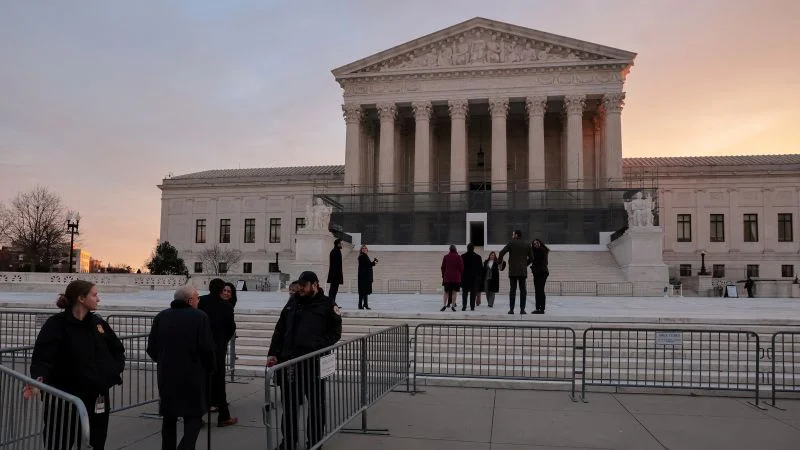
The Supreme Court will decide whether dragnet geofence warrants that collect smartphone location data are unconstitutional, a dispute sparked by Okello Chatrie’s conviction tied to a search of Google data; with appellate courts split (5th Circuit labeling geofence warrants inherently unconstitutional and the 4th Circuit divided), the ruling could redefine privacy expectations and police access to location information in future investigations.

Court to weigh constitutionality of sweeping geofence warrants
politics1 month ago

Court to weigh constitutionality of sweeping geofence warrants

The Supreme Court agreed to decide whether police warrants that sweep large amounts of cellphone location data near crime scenes are constitutional, a practice accused of violating the Fourth Amendment by gathering information from millions of innocent people; lower courts are split on the issue, and the government argues such warrants are not searches when users opt into location services, with Google's policy changes potentially limiting future use.

Google Takes Action to Limit Law Enforcement Access to User Location Data
technology2 years ago

Google Takes Action to Limit Law Enforcement Access to User Location Data

Google is making a move to end the use of geofence warrants, which allow law enforcement to access users' location data stored by tech giants like Google. Geofence warrants have been criticized for being unconstitutional and overly broad, as they often include innocent individuals' information. Google's decision to store location data on users' devices instead of its servers will require police to obtain a search warrant for specific devices rather than accessing the data directly from Google. While other companies are also subject to geofence warrants, Google has been the largest collector of sensitive location data. The move is seen as a step towards curbing this surveillance practice, but concerns remain about other methods law enforcement can use to access personal data.

Google Takes a Stand: No More Location Data for Authorities
technology2 years ago

Google Takes a Stand: No More Location Data for Authorities

Google is updating its Maps app to store users' location history locally on their devices instead of in the cloud, making it more difficult for law enforcement to access the data through controversial geofence warrants. This change aims to address privacy concerns and prevent potential misuse of location data. The update will roll out gradually over the next year and will also include changes to auto-delete settings. By storing location history locally, Google will no longer have aggregate data to turn over to authorities.

Google Implements Stronger Privacy Measures, Halts Sharing Location Data with Law Enforcement
technology2 years ago

Google Implements Stronger Privacy Measures, Halts Sharing Location Data with Law Enforcement

Google announced changes to its location data harvesting practices, stating that over the next year, Google Maps will stop sending data about users' movements back to the company. Instead, the location data will be stored on users' phones if they opt-in to the tracking settings. This move is seen as a positive step towards privacy and will help keep sensitive location information out of the hands of the government. Geofence warrants, which allow police to request data about individuals in a specific area, have been a concern, and Google's change means it will have less location data to hand over. However, it remains unclear if this update will affect Google's ability to use location data for advertising purposes.

Google's Geofence Warrant Victory: A Blow to Law Enforcement's Access to Location Data
technology2 years ago

Google's Geofence Warrant Victory: A Blow to Law Enforcement's Access to Location Data

Google has announced changes to the way it stores and accesses users' opt-in "Location History" in Google Maps, effectively ending the practice of "geofence warrants" used by law enforcement to obtain location data. Geofence warrants allow authorities to force Google to hand over information about all users within a specific location during a particular timeframe. Google's decision to end access to location data is seen as a win for privacy advocates and criminal defense attorneys who have criticized these warrants. The change does not prevent the government from obtaining information on a specific user by demanding their full account details, but it eliminates the ability to compel Google to provide identifying data or metadata on all users within certain parameters.