Tag

Data Bias

All articles tagged with #data bias

technology2 years ago

"Blockchain's Role in Regulating AI: A Game-Changer in Technology Integration"

Executives at the World Economic Forum in Davos discussed the potential of using blockchain to prevent bias in the data used to train artificial intelligence models, which could be a "killer use case" for the technology. By storing training data on the blockchain, developers can track and verify the data used by AI systems, allowing for the rollback of any false information or biases. This approach could provide a crucial check and balance system for AI, potentially revolutionizing the way AI models are trained and used across various industries.

technology2 years ago

Meta's Multilingual AI Models Revolutionize Content Moderation, Speech and Chat.

Social media companies have been focusing their automatic content detection and removal efforts more on content in English than the world’s 7,000 other languages, leading to poor local language content moderation and contributing to human rights abuses. Multilingual large language models have been developed to address this issue, but they face challenges such as poor quality data, disparities in the amount of data they train on in each language, and the curse of multilinguality. Social media companies need to offer more transparency and accountability, prioritize individual language performance over scalability, and consult with language communities to improve content moderation.

science2 years ago

Biases in Biodiversity Data Uncovered through Specimen and Field Comparisons

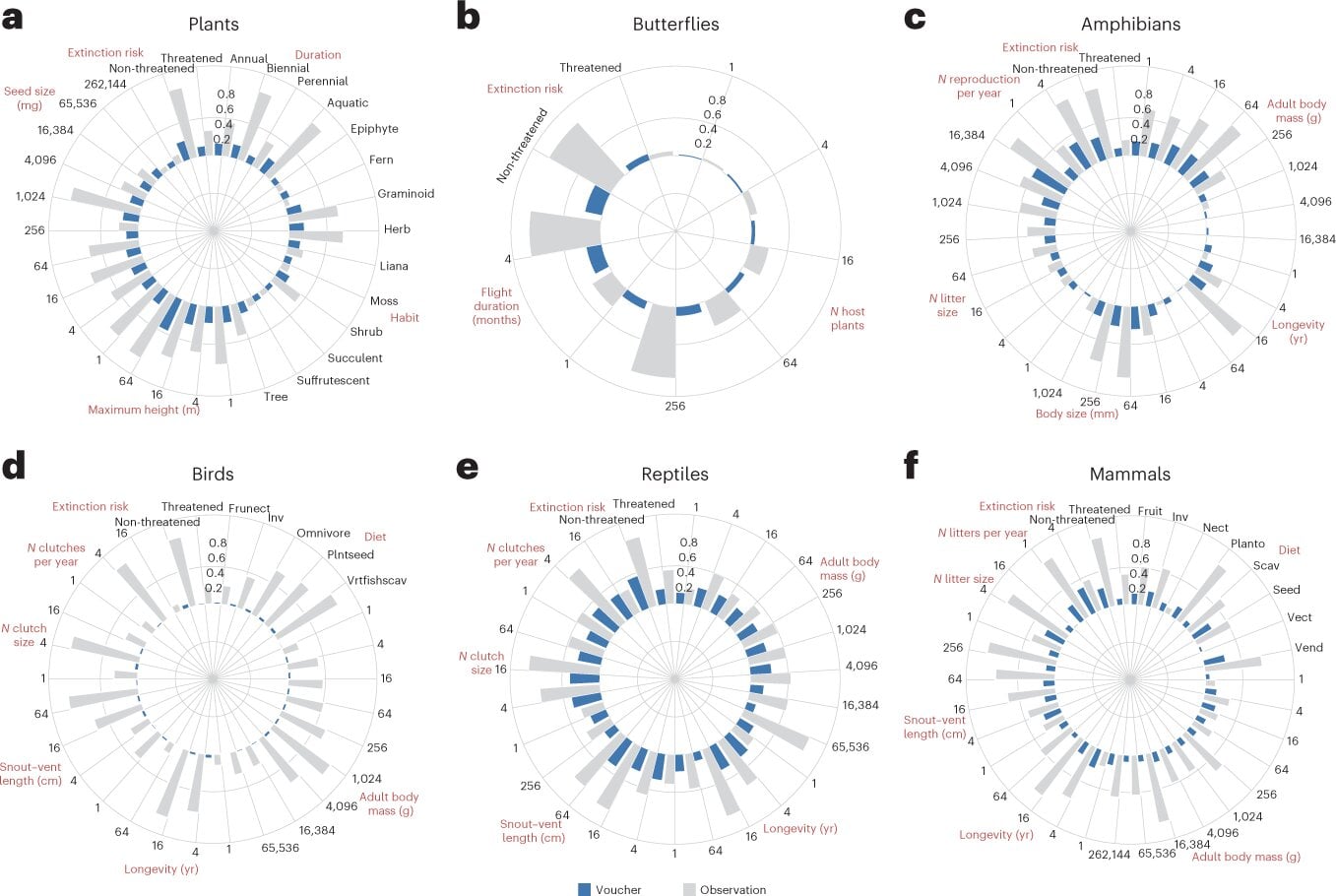
A new study by Stanford University has found that both physical specimens and digital field observations are flawed and biased, with the degree of coverage gaps and biases depending on the type of dataset. The study revealed that observation-only records are biased and favor certain regions, time periods, and organisms, while preserved specimens are becoming scarce. However, both flawed datasets can still be useful for detecting shifts in the number and abundance of species in an area, and understanding their deficiencies can help improve future biodiversity data collection.