Apple removed the crowdsourced app ICEBlock from its App Store after pressure from U.S. law enforcement and the Trump administration, citing safety risks, despite debates over free speech and the app's use for monitoring ICE agents.
Researchers from Google and CU Boulder have utilized millions of Android smartphones to create detailed maps of the ionosphere, the uppermost layer of Earth's atmosphere. By using the GPS sensors in these phones, the team was able to track atmospheric phenomena like plasma bubbles, potentially doubling the accuracy of GPS technology. This innovative approach leverages everyday technology to enhance scientific understanding and improve GPS precision worldwide.
A study conducted by researchers from multiple institutions suggests that rewarding individuals for contributing to a virtual public good, such as online ratings, can improve the accuracy and overall quality of the resource. The study used a simulation involving over 500 participants and found that incentivizing contributions increased the proportion of individuals who left ratings from 35% to 70%. Free riders who responded to incentives provided higher quality evaluations and balanced out over-optimistic ratings from intrinsically motivated contributors. The findings have implications for online rating systems and other collective action problems.
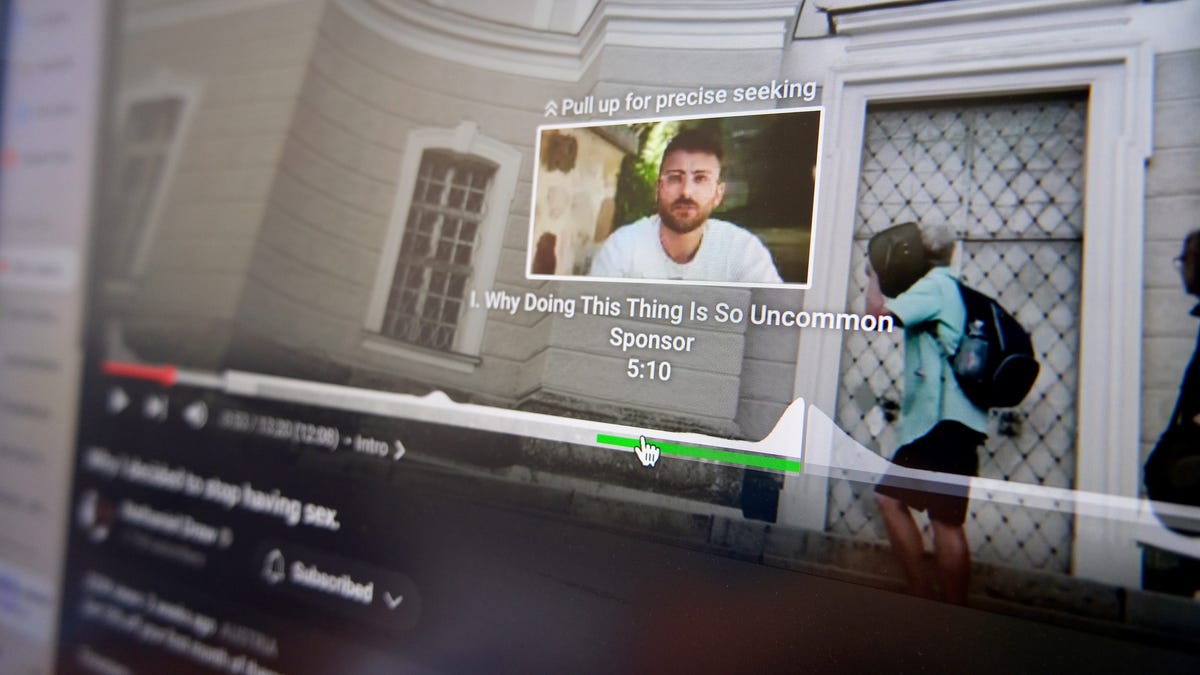
A free and open-source browser extension called SponsorBlock for YouTube allows users to block sponsored ads on the platform. The extension relies on crowdsourced "skip segments" submitted by volunteers to automatically skip ad reads in videos. With over 15 million skip segments submitted so far, the extension covers a wide range of YouTube channels. Users can also whitelist channels they want to see sponsorship videos for and have the option to disable automatic skipping. The extension is available for popular browsers and can even be integrated into third-party ad-free apps and smart TVs.
NASA plans to use artificial intelligence (AI) and crowdsourcing to study unidentified flying objects (UFOs). The agency aims to develop an AI system that can analyze vast amounts of UFO data collected by both professional and amateur astronomers. By combining AI algorithms with crowdsourced observations, NASA hopes to gain a better understanding of these mysterious aerial phenomena.
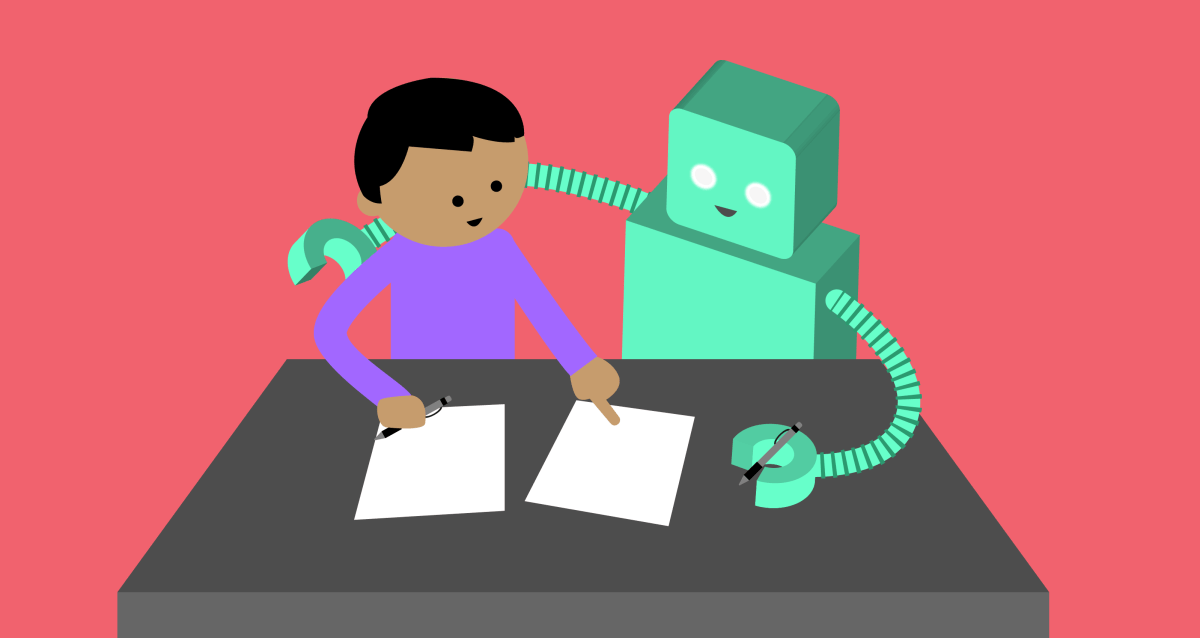
Researchers at Swiss university EPFL found that a significant number of distributed crowd workers on Amazon's Mechanical Turk service cheated by using AI tools to complete tasks. This could have serious repercussions as product managers who choose to use Mechanical Turk over a machine-generated solution are relying on humans being better at something than robots. The researchers created a methodology for figuring out whether text-based content was created by a human or a machine, as distinguishing between the two is difficult for both machine learning models and humans alike.
Workers hired via crowdsource services like Amazon Mechanical Turk are using large language models such as OpenAI's chatbot ChatGPT to complete their tasks, which could have negative knock-on effects on AI models in the future. An experiment conducted by researchers at the École polytechnique fédérale de Lausanne (EPFL) in Switzerland has concluded that these crowdsourced workers are using AI systems to perform odd jobs online. Large language models will get worse if they are increasingly trained on fake content generated by AI collected from crowdsource platforms, the researchers argued.
In 1833, North America witnessed a massive meteor shower, with 150,000 meteors per hour lighting up the sky. At the time, it was interpreted as something supernatural, but it was later discovered to be the Leonids meteor shower, which occurs every 33 years. The meteors originate from the Tempel-Tuttle comet and are as small as 10mm. The last major Leonid storm was in 2002, and this year's sighting is expected between November 17 and 18. Denison Olmsted's public appeal for witness testimonies is credited as the first use of crowdsourcing for scientific research.
Google has quietly rolled out the world's largest Bluetooth tracking network via Android's 3 billion active devices, and now third-party Bluetooth trackers for Android's network are starting to arrive. Chipolo and Pebblebee have announced products that plug into the Android Bluetooth tracking network, which has the name "Find My Device." These Bluetooth trackers can work as worldwide GPS trackers and locate items much farther away, even though they don't have GPS. All these tags will show up in the Find My Device app, right alongside your Android phones, headphones, and whatever else you have that plugs into the network.
Sudanese civilians are using Twitter to organise aid efforts for those affected by the conflict between Sudan's army and the Rapid Support Forces. The network helps people find safe passages out of the capital, provides medical information, and arranges for supplies to be delivered to those in need. However, the network is struggling to sustain itself and needs humanitarian organisations to intervene. The conflict has caused power outages, making the network's operations more difficult.
Mobile phones with Android operating systems can detect earthquakes and send data to the Android Earthquake Alerts System, which can combine data from thousands or even millions of other phones to determine whether an earthquake is happening and where. The system can then send out alerts to phones in the area where the seismic waves are likely to hit, giving an early warning. The technology opens up the possibility of monitoring for earthquakes in areas where there aren't extensive networks of expensive seismometers, providing earthquake alerts in even remote and poorer regions of the world. However, the system has its limitations, particularly in remote areas where there are few phone users and in quakes that happen offshore, where they can trigger tsunamis.